Blue Laminated Glass - Premium Safety, Energy Efficiency and Acoustic Solutions for Modern Architecture

All Categories

Get a Free Quote

Our representative will contact you soon.
Email
Name
Company Name
Message
0/1000

blue laminated glass

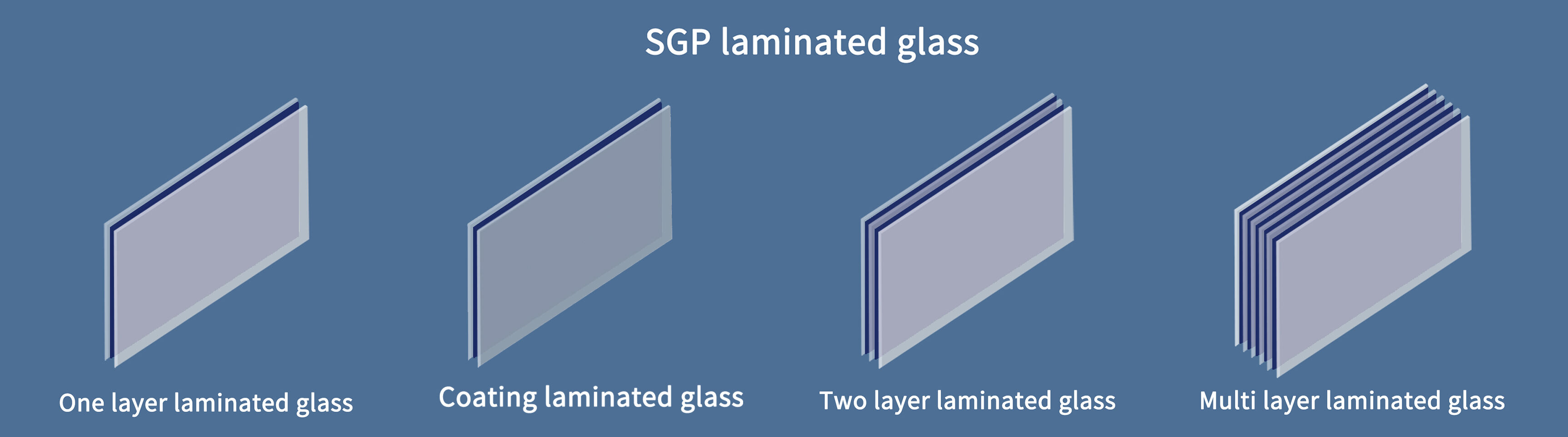
Blue laminated glass represents a sophisticated architectural material that combines aesthetic appeal with enhanced safety features and functional performance. This specialized glass product consists of multiple layers of glass bonded together with a durable interlayer, typically made from polyvinyl butyral or PVB, while incorporating a distinctive blue tint that offers both visual charm and practical benefits. The manufacturing process involves subjecting the glass layers and interlayer to heat and pressure, creating a permanent bond that ensures the components remain intact even when the glass breaks. The blue coloration serves multiple purposes beyond mere decoration, as it helps filter specific wavelengths of light, reducing glare and heat transmission while maintaining visibility. This makes blue laminated glass an excellent choice for residential homes, commercial buildings, automotive applications, and architectural projects where both form and function matter. The technological advancement in laminated glass production has enabled manufacturers to create products that meet stringent safety standards while offering customization options in thickness, size, and intensity of the blue tint. When impact occurs, the interlayer holds the glass fragments together, preventing them from scattering and significantly reducing the risk of injury. This safety characteristic makes blue laminated glass particularly valuable in overhead glazing, balustrades, facades, and areas where human safety is paramount. The material also provides excellent sound insulation properties, blocking unwanted noise from entering interior spaces and creating more comfortable living and working environments. Additionally, blue laminated glass offers protection against harmful ultraviolet rays, which can fade furniture, flooring, and artwork over time. The combination of security, aesthetics, energy efficiency, and durability has positioned blue laminated glass as a premium choice for modern construction projects seeking to balance visual impact with practical performance requirements that meet contemporary building codes and environmental standards.

Popular Products

Choosing blue laminated glass for your property brings numerous practical benefits that directly impact comfort, safety, and long-term value. First and foremost, this material dramatically improves security by holding together when broken, making it extremely difficult for intruders to gain access through windows or doors. Unlike standard glass that shatters into dangerous shards, blue laminated glass stays in place, maintaining a barrier even after impact. This characteristic proves invaluable for ground-floor installations, commercial storefronts, and residential applications where protection matters most. The blue tint works continuously to reduce heat gain inside your building, lowering cooling costs during warm months and creating a more consistent interior temperature throughout the day. This translates directly into reduced energy bills and improved comfort for occupants who no longer experience hot spots near windows or excessive glare on computer screens and televisions. The noise reduction capability of blue laminated glass creates peaceful indoor environments by blocking street traffic, aircraft noise, and other external disturbances that would otherwise disrupt concentration, sleep, and daily activities. Families living near busy roads, airports, or commercial districts particularly appreciate this benefit, as it transforms their homes into quiet sanctuaries away from urban chaos. The ultraviolet filtering properties protect your valuable possessions from sun damage, preserving the color and integrity of carpets, curtains, wooden furniture, photographs, and artwork that would otherwise fade when exposed to direct sunlight over extended periods. This protection saves money on replacement costs and maintains the aesthetic appeal of interior spaces for years. The durability of blue laminated glass exceeds that of regular glass, resisting impacts, weather conditions, and temperature fluctuations without degrading or losing its structural integrity. This longevity means fewer replacements, less maintenance, and better return on your initial investment compared to conventional glazing options. Installation flexibility allows blue laminated glass to fit various applications, from small residential windows to expansive commercial facades, curved surfaces, and custom architectural features that require specific dimensions or shapes. The material withstands harsh environmental conditions including storms, hail, and extreme temperatures without compromising performance or appearance. From an insurance perspective, many companies offer reduced premiums for properties featuring laminated glass because it demonstrably reduces risk of break-ins and storm damage. The aesthetic contribution of the blue tint adds a modern, sophisticated appearance to any building, enhancing curb appeal and potentially increasing property value when it comes time to sell or lease. These combined advantages make blue laminated glass a smart investment that pays dividends through enhanced quality of life, reduced operating costs, and improved building performance across multiple dimensions that matter to property owners and occupants alike.

Practical Tips

What Factors Should You Consider When Choosing Automotive Glass Processing Methods?

28

Oct

What Factors Should You Consider When Choosing Automotive Glass Processing Methods?

The Complete Guide to Modern Automotive Glass Manufacturing The automotive glass processing industry has undergone significant transformation in recent years, driven by technological advancements and evolving vehicle design requirements. As manufactu...
View More
How Can Double Edgers Improve Efficiency and Reduce Waste?

24

Nov

How Can Double Edgers Improve Efficiency and Reduce Waste?

In today's competitive manufacturing landscape, companies are constantly seeking ways to enhance operational efficiency while minimizing material waste. Double edgers have emerged as a pivotal solution for businesses processing sheet materials, offer...
View More
Why Are CNC Grinding Machines Preferred in Modern Production Lines?

19

Dec

Why Are CNC Grinding Machines Preferred in Modern Production Lines?

Modern manufacturing has undergone a revolutionary transformation with the integration of advanced grinding technologies. Among these innovations, specialized grinding equipment has become indispensable for achieving precision results in various indu...
View More
What Should Manufacturers Consider When Selecting Equipment for Insulating Glass Production?

19

Dec

What Should Manufacturers Consider When Selecting Equipment for Insulating Glass Production?

Modern insulating glass manufacturing demands precision, efficiency, and cutting-edge technology to meet the growing requirements of energy-efficient building construction. Selecting the right equipment for insulating glass production involves carefu...
View More

Get a Free Quote

Our representative will contact you soon.
Email
Name
Company Name
Message
0/1000

blue laminated glass

Superior Safety Performance That Protects People and Property

Superior Safety Performance That Protects People and Property

The primary distinguishing feature of blue laminated glass lies in its exceptional safety performance, which fundamentally changes how glass behaves during accidents, impacts, or attempted break-ins. The engineering behind this safety involves a specially formulated interlayer sandwiched between glass panels that creates a cohesive unit capable of absorbing impact energy while preventing complete penetration. When forceful impact occurs, whether from accidental human contact, flying debris during storms, or deliberate attempts at entry, the glass may crack but the fragments remain adhered to the interlayer rather than falling away as dangerous projectiles. This behavior dramatically reduces the severity of injuries in accidents, particularly important in homes with children, elderly residents, or high-traffic commercial spaces where slips and falls might propel someone toward glazed surfaces. The blue laminated glass meets and exceeds international safety standards for glazing materials, making it suitable for applications where building codes mandate safety glass, including overhead installations, balustrades, shower enclosures, and ground-level windows. In automotive contexts, this same technology protects vehicle occupants during collisions by preventing windshield glass from entering the passenger compartment and causing secondary injuries. The security aspect extends beyond accident prevention to active deterrence of criminal activity, as would-be intruders quickly discover that breaking through blue laminated glass requires sustained effort and creates noise that attracts attention, leading many to abandon their attempts entirely. Security professionals often recommend laminated glass for jewelry stores, banks, galleries, and residential properties in areas with elevated crime rates because it buys precious time for authorities to respond while maintaining an effective barrier. The psychological benefit of knowing your windows and doors feature this advanced protection technology provides peace of mind that allows families to feel secure in their homes and business owners to focus on operations rather than constantly worrying about vulnerability. Unlike security films applied to existing glass, which can peel or fail over time, the laminated construction bonds the protective layer permanently during manufacturing, ensuring consistent performance throughout the product's service life. Testing protocols for blue laminated glass include pendulum impact tests, ball drop tests, and resistance to manual attack, all designed to simulate real-world scenarios and verify that the material performs as specified under extreme conditions. The blue tint component does not compromise these safety characteristics; rather, it complements them by reducing glare that might obscure hazards or blind drivers, contributing to overall accident prevention in automotive and architectural applications where visibility plays a crucial role in safety outcomes.
Energy Efficiency and Climate Control Through Advanced Light Management

Energy Efficiency and Climate Control Through Advanced Light Management

Blue laminated glass delivers substantial energy efficiency benefits through its sophisticated approach to managing solar radiation and heat transfer, making it an intelligent choice for environmentally conscious building projects and cost-sensitive property owners. The blue coloration results from either tinted glass layers or specialized coatings that selectively absorb and reflect specific portions of the solar spectrum, particularly the infrared wavelengths responsible for heat transmission through glazing. This selective filtering allows beneficial natural light to illuminate interior spaces while blocking excessive heat that would otherwise force air conditioning systems to work harder and consume more electricity. The physics behind this performance involves the material's ability to absorb solar energy within the glass itself, which then dissipates outward rather than radiating into occupied spaces, effectively creating a thermal barrier that maintains more stable indoor temperatures. Property owners typically observe noticeable reductions in cooling costs during summer months, with some installations achieving energy savings of twenty to thirty percent compared to clear glass alternatives, depending on orientation, climate zone, and building design. These savings accumulate year after year, gradually offsetting the initial premium paid for blue laminated glass compared to standard glazing options. Beyond direct cost benefits, the improved thermal performance contributes to occupant comfort by eliminating hot spots near windows, reducing temperature variations between perimeter and interior zones, and minimizing the need for supplemental shading devices like blinds or curtains that block views and natural light. The reduced solar heat gain also decreases the load on HVAC equipment, potentially allowing for smaller, less expensive climate control systems during new construction or reducing wear on existing equipment to extend its service life. Environmental benefits extend to reduced carbon emissions associated with electricity generation, supporting corporate sustainability goals and green building certification programs that reward energy-efficient material choices. The blue laminated glass achieves these performance characteristics without sacrificing visible light transmission, meaning spaces remain bright and connected to the outdoors rather than feeling dark or enclosed as can happen with heavily tinted alternatives. Designers appreciate this balance because it allows them to maximize window areas for architectural impact and daylighting strategies while maintaining acceptable thermal performance. The energy benefits remain consistent throughout the product's lifespan because the color and reflective properties are integral to the glass composition rather than applied films that might degrade, scratch, or require replacement after several years of exposure to sunlight and weather. In commercial buildings where facades feature extensive glazing, specifying blue laminated glass throughout can significantly improve the structure's energy rating, potentially qualifying for incentives, tax benefits, or expedited permitting in jurisdictions that prioritize sustainable construction practices through policy mechanisms.
Acoustic Comfort Through Professional-Grade Sound Insulation

Acoustic Comfort Through Professional-Grade Sound Insulation

The sound insulation capabilities of blue laminated glass transform living and working environments by creating acoustic barriers that block unwanted noise from penetrating interior spaces, addressing one of the most common complaints among urban residents and commercial building occupants. The laminating interlayer plays a crucial role in this performance by dampening vibrations that would otherwise transmit sound waves through solid glass, functioning similarly to how shock absorbers in vehicles smooth out road irregularities. When sound waves strike the exterior surface of blue laminated glass, the flexible interlayer converts much of that acoustic energy into minute amounts of heat through internal friction, preventing it from reaching the interior surface and radiating as audible noise inside the room. This mechanism proves particularly effective at reducing frequencies associated with traffic noise, including engine rumble, tire noise, and horns, which represent the most pervasive sources of environmental noise in developed areas. The acoustic performance metrics for blue laminated glass typically show sound reduction indexes measuring between thirty-five and forty-five decibels, depending on thickness and configuration, meaning that noise levels drop by more than half when passing through the glazing. Residents near highways, railways, airports, or entertainment districts benefit enormously from this technology, as it allows them to keep windows closed during noisy periods while maintaining comfortable interior sound levels conducive to conversation, concentration, and sleep. Office environments gain productivity advantages when blue laminated glass reduces distractions from external sources, helping employees maintain focus during complex tasks that require sustained attention without interruption. Healthcare facilities, educational institutions, hotels, and recording studios represent specialized applications where acoustic control becomes absolutely critical to functional success, making laminated glass specification a fundamental design requirement rather than an optional upgrade. The blue tint component does not affect acoustic performance, meaning property owners gain both aesthetic and functional benefits simultaneously rather than having to choose between appearance and practical performance. Compared to alternative noise control strategies like thick masonry walls or elaborate mechanical ventilation systems that allow windows to remain closed, blue laminated glass offers superior results at lower total cost while preserving views, natural light, and architectural flexibility. The acoustic benefits compound with other performance characteristics, as the same installation that provides security and energy efficiency also creates quiet interiors without requiring separate solutions for each objective. Testing standards for acoustic performance involve measuring sound transmission loss across various frequencies, ensuring that blue laminated glass delivers consistent noise reduction across the full spectrum of sounds encountered in real-world conditions rather than performing well only at specific pitches. Installation quality significantly impacts acoustic outcomes, requiring proper sealing, appropriate frame selection, and attention to details that might create sound leaks around the glazing perimeter, which means working with experienced contractors familiar with acoustic glazing systems. The long-term stability of acoustic performance distinguishes blue laminated glass from some competitive products, as the bonded construction maintains its sound-dampening characteristics indefinitely while mechanical seals or foam strips might compress or deteriorate over time and require maintenance to sustain initial performance levels.