Laminated Glass for Soundproofing: Superior Acoustic Control & Noise Reduction Solutions

All Categories

Get a Free Quote

Our representative will contact you soon.
Email
Name
Company Name
Message
0/1000

laminated glass for soundproofing

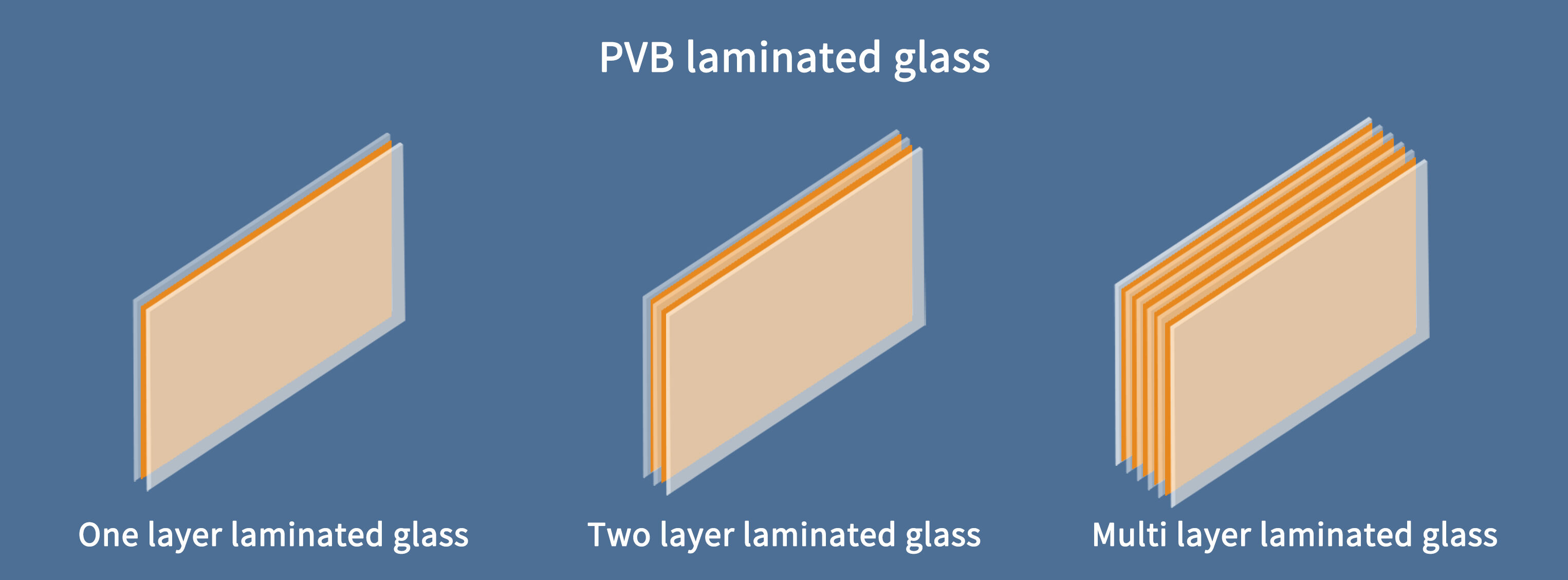
Laminated glass for soundproofing represents an advanced architectural solution that combines multiple layers of glass with specialized acoustic interlayers to create an effective barrier against unwanted noise. This innovative product consists of two or more glass panes bonded together with a polyvinyl butyral (PVB) or acoustic resin interlayer that dampens sound vibrations as they pass through the material. The core function of laminated glass for soundproofing is to reduce noise transmission from external sources such as traffic, aircraft, construction, and urban environments, creating peaceful interior spaces that enhance comfort and productivity. The technological features of this product include its ability to disrupt sound wave frequencies through the viscoelastic properties of the interlayer, which absorbs acoustic energy and prevents it from resonating through the glass structure. Unlike standard glass, laminated glass for soundproofing utilizes specific interlayer thicknesses and compositions designed to target different frequency ranges, making it highly effective against both low-frequency rumbles and high-pitched sounds. The applications for laminated glass for soundproofing span residential buildings, commercial offices, hotels, hospitals, educational institutions, recording studios, and any environment where noise control is essential. In residential settings, homeowners install this glass in windows and doors facing busy streets to create quiet bedrooms and living spaces. Commercial buildings benefit from improved workplace environments that reduce stress and increase employee concentration. Healthcare facilities use laminated glass for soundproofing to ensure patient recovery areas remain tranquil, while educational institutions implement it to minimize distractions in classrooms and libraries. The versatility of laminated glass for soundproofing extends to its compatibility with various architectural styles and building codes, offering customizable thickness options, tinting capabilities, and integration with existing window frames. This acoustic solution also provides secondary benefits including enhanced security through its shatter-resistant properties, UV protection that prevents interior furnishing damage, and improved thermal insulation that contributes to energy efficiency.

Popular Products

Choosing laminated glass for soundproofing delivers numerous practical benefits that directly improve your daily living or working environment. The most significant advantage is the dramatic reduction in noise pollution that enters your space, allowing you to enjoy conversations, focus on work, or sleep peacefully without constant disruption from external sounds. When you install laminated glass for soundproofing, you immediately notice the difference as traffic noise, neighborhood activities, and urban commotion fade into the background, creating a sanctuary within your property. This noise reduction translates into measurable health benefits, as chronic exposure to loud environments increases stress hormones, disrupts sleep patterns, and contributes to cardiovascular issues. By blocking these intrusive sounds, you protect your wellbeing and that of your family or colleagues. Another compelling advantage of laminated glass for soundproofing involves its dual-purpose functionality. While you gain superior acoustic control, you simultaneously enhance your property's security. The interlayer that dampens sound also holds glass fragments together if the pane breaks, deterring burglars who rely on quick entry through shattered windows. This safety feature proves especially valuable for ground-floor installations and properties in areas with higher crime rates. Property owners who invest in laminated glass for soundproofing also appreciate the energy savings that accompany installation. The multiple layers and interlayer create additional insulation that reduces heat transfer, keeping interiors cooler in summer and warmer in winter, which lowers heating and cooling costs throughout the year. The financial return extends beyond utility savings, as properties equipped with laminated glass for soundproofing command higher market values and appeal to discerning buyers who prioritize comfort and quality. Maintenance requirements remain minimal, as the glass resists scratches, maintains clarity over decades, and requires only standard cleaning procedures. Unlike temporary soundproofing solutions such as curtains or foam panels that deteriorate and require replacement, laminated glass for soundproofing provides a permanent solution that continues performing at optimal levels for the lifetime of your building. The aesthetic advantage cannot be overlooked, as this glass maintains the clean, modern appearance of standard windows while delivering superior performance. You avoid the bulky, unattractive additions that other soundproofing methods require, preserving your architectural vision and natural light penetration. Installation processes have become streamlined, with experienced professionals completing projects efficiently and with minimal disruption to your routine. The compatibility of laminated glass for soundproofing with various frame types means you can often upgrade existing windows without extensive renovations. Environmental consciousness also favors this choice, as the materials used are recyclable and the energy efficiency contributes to reduced carbon footprints, aligning your property improvements with sustainable building practices.

Practical Tips

How Do Glass Drilling Machines Handle Different Glass Thicknesses Safely?

28

Oct

How Do Glass Drilling Machines Handle Different Glass Thicknesses Safely?

Understanding Modern Glass Drilling Technology and Safety Mechanisms The world of glass fabrication has evolved significantly with the introduction of advanced glass drilling machines that can handle various glass thicknesses with remarkable precisio...
View More
How to Troubleshoot Common Issues in Double Edgers?

24

Nov

How to Troubleshoot Common Issues in Double Edgers?

Double edgers are essential machinery in glass processing facilities, responsible for delivering precise edge grinding and polishing operations. These sophisticated machines can encounter various operational challenges that impact productivity and pr...
View More
How to Optimize Production Settings in a Hub Glass Furnace?

24

Nov

How to Optimize Production Settings in a Hub Glass Furnace?

Glass manufacturing represents one of the most energy-intensive industrial processes, requiring precise control of temperature, atmosphere, and raw material flow to achieve optimal production efficiency. Modern hub glass furnace systems have evolved ...
View More
How Can Grinding Machines Enhance Surface Finish and Dimensional Accuracy?

19

Dec

How Can Grinding Machines Enhance Surface Finish and Dimensional Accuracy?

Manufacturing precision has reached unprecedented levels in modern industrial applications, where surface finish quality and dimensional accuracy determine product performance and market competitiveness. Advanced grinding machines represent the corne...
View More

Get a Free Quote

Our representative will contact you soon.
Email
Name
Company Name
Message
0/1000

laminated glass for soundproofing

Advanced Acoustic Interlayer Technology

Advanced Acoustic Interlayer Technology

The cornerstone of laminated glass for soundproofing effectiveness lies in its specialized acoustic interlayer technology, which represents a significant engineering advancement over conventional glass products. This interlayer, typically composed of specialized polyvinyl butyral or acoustic resin formulations, functions as a viscoelastic damping core that transforms sound energy into minimal heat dissipation rather than allowing vibrations to pass through unimpeded. When sound waves strike the outer glass surface, they create vibrations that would normally transfer directly through solid glass and into interior spaces. However, the acoustic interlayer in laminated glass for soundproofing interrupts this transmission by absorbing and dissipating the vibrational energy through its unique molecular structure. The interlayer thickness can be customized to target specific frequency ranges, with thicker layers proving more effective against low-frequency sounds like truck engines and aircraft noise, while optimized compositions address mid-range and high-frequency sounds such as voices and sirens. Manufacturers engineer these interlayers with precise viscoelastic properties that maximize the coincidence effect dampening, a phenomenon where glass naturally amplifies certain frequencies. By strategically selecting interlayer materials and thicknesses, laminated glass for soundproofing overcomes this limitation and provides consistent sound reduction across broad frequency spectrums. The technology also allows for asymmetric glass configurations, where different thicknesses of glass panes on either side of the interlayer further disrupt sound wave patterns and prevent resonance. This scientific approach to acoustic control means that laminated glass for soundproofing delivers measurable performance metrics, often achieving Sound Transmission Class ratings between 35 and 45, with specialized configurations reaching even higher values. These ratings translate into real-world noise reductions of 30 to 50 decibels, effectively transforming a noisy urban environment equivalent to heavy traffic into the quiet ambiance of a residential neighborhood. The durability of the acoustic interlayer ensures that this performance remains consistent throughout the product's lifespan, as the materials resist degradation from UV exposure, temperature fluctuations, and humidity variations that would compromise lesser solutions.
Comprehensive Safety and Security Enhancement

Comprehensive Safety and Security Enhancement

Beyond its primary acoustic function, laminated glass for soundproofing provides exceptional safety and security benefits that add substantial value to any property investment. The bonding process that creates the acoustic sandwich structure inherently produces a glass assembly that resists penetration and contains fragments when broken, addressing multiple safety concerns simultaneously. In the event of accidental impact, severe weather, or attempted forced entry, the interlayer holds glass shards in place rather than allowing them to scatter and create dangerous projectiles that cause injuries. This containment feature makes laminated glass for soundproofing particularly valuable in locations where human safety is paramount, such as schools, hospitals, childcare facilities, and homes with young children or elderly residents. The security advantages extend to deterring criminal activity, as breaking through laminated glass for soundproofing requires significantly more time and effort than standard glass, creating noise and visible damage that discourage burglars who depend on quick, quiet entry. Many insurance companies recognize this security enhancement and offer premium reductions for properties equipped with laminated glass for soundproofing, providing ongoing financial benefits that offset initial investment costs. The structural integrity of this glass also protects against natural disasters and extreme weather events, maintaining the building envelope even when subjected to flying debris during storms or earthquakes. Unlike tempered glass that completely shatters into small pieces or standard glass that breaks into large, dangerous shards, laminated glass for soundproofing remains largely intact within its frame, preventing water intrusion, maintaining climate control, and preserving the security perimeter of the building. This resilience proves especially critical for commercial properties that house valuable equipment or sensitive information, as well as residential properties in hurricane-prone or seismically active regions. The UV protection inherent in the interlayer materials adds another dimension of preservation, blocking up to 99 percent of harmful ultraviolet radiation that fades furnishings, damages artwork, and deteriorates interior materials. This protection extends the lifespan of carpets, furniture, window treatments, and merchandise in retail settings, reducing replacement costs and maintaining aesthetic appeal over time. Property owners who install laminated glass for soundproofing essentially invest in a multi-functional barrier that addresses acoustic comfort, physical security, accident prevention, and asset preservation through a single, elegant solution.
Versatile Applications Across Diverse Environments

Versatile Applications Across Diverse Environments

The adaptability of laminated glass for soundproofing makes it an ideal solution for an extraordinarily wide range of applications, each benefiting from its unique combination of acoustic performance and supplementary features. In residential settings, homeowners discover that laminated glass for soundproofing transforms properties located on busy streets, near airports, or in dense urban areas into peaceful retreats where they can escape the constant barrage of environmental noise. Bedroom windows equipped with this glass enable restful sleep uninterrupted by early morning traffic or late-night activities, while home office installations create focused workspaces free from distracting sounds that diminish productivity. The commercial sector embraces laminated glass for soundproofing to enhance workplace environments where concentration and communication are essential. Open-plan offices use interior partitions made from this material to define collaborative spaces while controlling sound propagation, allowing teams to work together without disrupting neighboring departments. Conference rooms and executive offices benefit from the privacy and acoustic isolation that laminated glass for soundproofing provides, ensuring confidential discussions remain secure while maintaining the visual transparency that modern design favors. Hotels and hospitality venues rely on this technology to guarantee guest satisfaction, installing laminated glass for soundproofing in windows and interior walls to create quiet rooms that encourage positive reviews and repeat bookings. Healthcare facilities require particularly stringent acoustic control to support patient recovery and maintain HIPAA compliance in consultation areas, making laminated glass for soundproofing an essential component of medical architecture. Operating rooms, patient wards, and therapy spaces all benefit from the sound isolation that allows medical professionals to work effectively while protecting patient privacy and promoting healing through reduced noise stress. Educational institutions implement laminated glass for soundproofing to create optimal learning environments where students can concentrate without distraction from adjacent classrooms, hallway traffic, or external noise sources. Libraries, testing centers, and lecture halls equipped with this glass demonstrate measurably improved acoustic performance that correlates with better student outcomes and teacher effectiveness. Entertainment venues, recording studios, and broadcasting facilities demand the highest levels of acoustic control, and laminated glass for soundproofing delivers the performance necessary to maintain sound quality and prevent interference. These professional applications often specify custom configurations with enhanced interlayer thickness and asymmetric glass arrangements to achieve superior sound transmission class ratings. Religious institutions, museums, and cultural centers also benefit from laminated glass for soundproofing, preserving the contemplative or focused atmospheres essential to their missions while protecting against external disturbances.