Professional Glass Cutting Table Solutions - Precision Equipment for Glass Fabrication

All Categories

Get a Free Quote

Our representative will contact you soon.
Email
Name
Company Name
Message
0/1000

glass cutting table

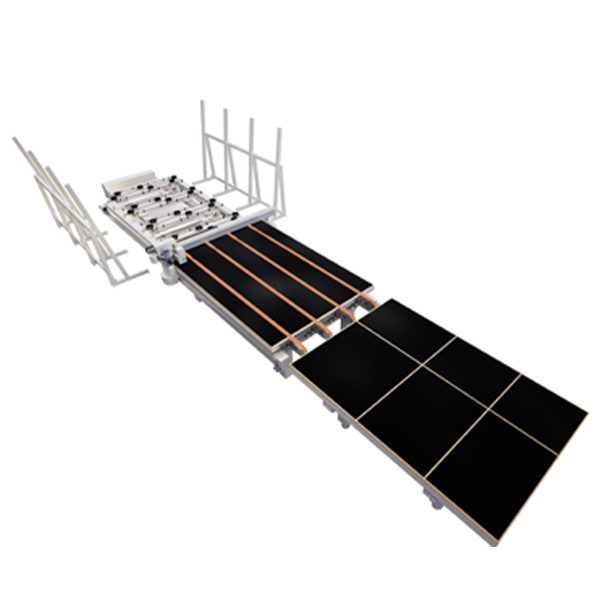
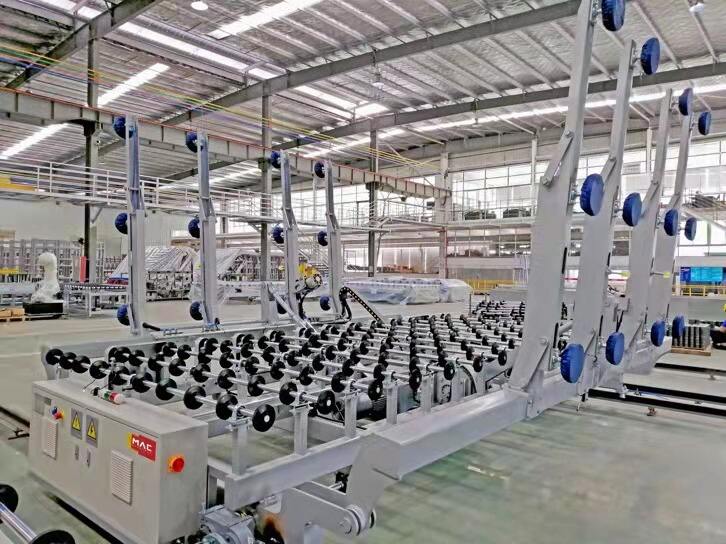
A glass cutting table represents an essential piece of equipment in glass fabrication facilities, architectural glass workshops, automotive glass manufacturing plants, and artisan studios where precision glass processing is required. This specialized workstation serves as the foundation for accurate glass cutting operations, combining ergonomic design with functional features that enhance productivity and safety. The primary function of a glass cutting table is to provide a stable, flat surface that supports glass sheets during cutting, scoring, and breaking processes. Modern glass cutting tables incorporate sophisticated features such as adjustable height mechanisms, integrated measurement systems, cushioned surfaces to prevent glass damage, and efficient waste collection systems. The technological features of these tables have evolved significantly, with many models now including air flotation systems that use compressed air to create a cushion beneath glass sheets, allowing operators to move large, heavy glass panels effortlessly across the table surface. This air cushion technology reduces physical strain on workers and minimizes the risk of glass scratches or surface damage. Additional technological advancements include digital measuring systems with laser guides, automated cutting tool carriages, and programmable positioning systems that ensure repeatability and accuracy. The applications of glass cutting tables span numerous industries, from residential window manufacturing to commercial curtain wall production, automotive windshield fabrication, mirror production, decorative glass artwork, and specialty glass applications in electronics and solar panel manufacturing. These tables accommodate various glass types, including float glass, tempered glass, laminated glass, low-emissivity coated glass, and patterned decorative glass. The versatility of glass cutting tables makes them indispensable in both high-volume production environments and custom fabrication shops, where they contribute to operational efficiency, product quality, and workplace safety standards.

New Products

Investing in a quality glass cutting table delivers numerous practical benefits that directly impact your business operations and bottom line. First and foremost, these tables dramatically improve cutting accuracy, which translates to less material waste and fewer rejected pieces. When you reduce waste by even a small percentage, the cost savings accumulate quickly, especially when working with expensive specialty glass. The stable work surface eliminates vibrations and movement during cutting, ensuring clean, precise scores that break exactly where intended. This precision means you can confidently take on projects with tight tolerances and deliver consistent results that satisfy demanding customers. Worker safety represents another significant advantage, as these tables position glass at comfortable working heights, reducing back strain and repetitive stress injuries. The cushioned surfaces protect both the glass and your employees from sharp edges and potential breakage accidents. Many tables feature integrated dust collection systems that capture glass particles and debris, creating a cleaner work environment and reducing respiratory hazards. This attention to safety not only protects your team but also reduces insurance costs and lost work time due to injuries. Productivity gains become immediately apparent when operators can easily maneuver large glass sheets using air flotation systems rather than struggling with manual handling. Tasks that once required multiple workers can often be accomplished by a single skilled operator, freeing up labor for other value-added activities. The time saved on each cut multiplies across hundreds or thousands of pieces, significantly increasing your daily output capacity without requiring additional floor space or equipment. Versatility adds further value, as most glass cutting tables accommodate a wide range of glass sizes and thicknesses, eliminating the need for multiple specialized workstations. This flexibility allows you to accept diverse projects without significant retooling or setup changes, expanding your market opportunities. The professional appearance and capability of a well-equipped glass cutting table also enhances your credibility with clients during facility tours or project discussions. Customers gain confidence in your operation when they observe modern, purpose-built equipment rather than makeshift solutions. Maintenance costs remain reasonable because quality tables feature durable construction with replaceable wear components, providing years of reliable service with minimal downtime. The return on investment becomes clear within months for most operations, as the combined benefits of reduced waste, increased productivity, enhanced safety, and expanded capabilities generate measurable financial returns that justify the initial equipment expenditure.

Latest News

What Types of Coatings Are Applied in a Glass Coating Line?

24

Sep

What Types of Coatings Are Applied in a Glass Coating Line?

Understanding Modern Glass Coating Technologies Glass coating technology has revolutionized the way we enhance and protect glass surfaces across various industries. From architectural applications to automotive windshields, the glass coating line pro...
View More
How Can Double Edgers Improve Efficiency and Reduce Waste?

24

Nov

How Can Double Edgers Improve Efficiency and Reduce Waste?

In today's competitive manufacturing landscape, companies are constantly seeking ways to enhance operational efficiency while minimizing material waste. Double edgers have emerged as a pivotal solution for businesses processing sheet materials, offer...
View More
How to Select the Right Hub Glass Furnace for Your Facility?

24

Nov

How to Select the Right Hub Glass Furnace for Your Facility?

Selecting the appropriate hub glass furnace for your manufacturing facility represents one of the most critical decisions that will impact your production efficiency, product quality, and long-term operational costs. A hub glass furnace serves as the...
View More
Why Are CNC Grinding Machines Preferred in Modern Production Lines?

19

Dec

Why Are CNC Grinding Machines Preferred in Modern Production Lines?

Modern manufacturing has undergone a revolutionary transformation with the integration of advanced grinding technologies. Among these innovations, specialized grinding equipment has become indispensable for achieving precision results in various indu...
View More

Get a Free Quote

Our representative will contact you soon.
Email
Name
Company Name
Message
0/1000

glass cutting table

Advanced Air Flotation Technology for Effortless Glass Handling

Advanced Air Flotation Technology for Effortless Glass Handling

The air flotation system integrated into modern glass cutting tables revolutionizes how operators interact with heavy glass sheets, transforming what was once a physically demanding task into a smooth, controlled process. This technology works by channeling compressed air through thousands of tiny holes distributed across the table surface, creating an air cushion that lifts glass sheets slightly off the table. The result is a nearly frictionless surface where even large architectural glass panels weighing several hundred pounds can be repositioned by a single operator with minimal effort. This capability eliminates the need for multiple workers to wrestle with oversized pieces, reducing labor costs while simultaneously improving workplace safety. The physical strain associated with traditional glass handling often leads to worker fatigue, reduced precision in later shifts, and increased injury risks. Air flotation removes these concerns by making glass movement effortless throughout the workday. Beyond the ergonomic benefits, this technology delivers tangible quality improvements by preventing surface scratches and contamination that occur when glass drags across conventional surfaces. Even microscopic particles trapped between glass and table can create scratches that compromise product quality and lead to customer rejections. The air cushion keeps glass elevated above potential contaminants, maintaining pristine surface conditions essential for high-end applications like architectural facades, automotive windshields, and decorative interior glass. The system also enhances cutting precision because operators can make fine positional adjustments right up to the moment of cutting, ensuring optimal alignment with measurement guides and reducing setup time between pieces. Production efficiency increases measurably, with many facilities reporting throughput improvements of twenty to thirty percent after implementing air flotation tables. The technology proves particularly valuable when working with extra-large format glass or thin sheets that are prone to flexing and breakage under their own weight. Maintenance requirements remain minimal, typically involving periodic filter changes and air pressure adjustments, while the compressed air infrastructure often already exists in glass fabrication facilities. The investment in air flotation technology pays dividends through reduced labor costs, improved product quality, decreased material waste, enhanced worker satisfaction, and the ability to handle projects that would be impractical or impossible on conventional tables.
Precision Measurement Systems with Digital Integration

Precision Measurement Systems with Digital Integration

Accurate measurement forms the foundation of successful glass cutting operations, and modern glass cutting tables incorporate sophisticated measurement systems that eliminate guesswork and reduce human error. These systems typically combine physical measurement scales permanently mounted along the table edges with digital readouts and laser positioning guides that provide real-time feedback to operators. The integration of these technologies creates a measurement environment where precision becomes routine rather than exceptional. Traditional measurement methods relying on tape measures and manual marking are prone to cumulative errors, misreading, and inconsistencies between operators with different skill levels. Digital measurement systems standardize the process, ensuring that every operator achieves the same accuracy regardless of experience. Laser guides project bright, clearly visible lines across the glass surface, showing exactly where the cutting tool will score the material before any irreversible action occurs. This visual confirmation allows operators to catch alignment errors immediately rather than discovering mistakes only after cutting, when the material is already wasted. The systems accommodate both metric and imperial measurements, switching between units with simple controls to match customer specifications or design drawings without conversion calculations. Many advanced tables include memory functions that store frequently used dimensions, allowing operators to recall standard sizes instantly rather than re-measuring for every piece in a production run. This feature proves invaluable for high-volume manufacturing where the same cuts repeat hundreds or thousands of times. The digital integration extends to production management, with some systems connecting to computer networks that track material usage, cutting patterns, and productivity metrics in real time. This data visibility helps managers identify optimization opportunities, schedule maintenance during low-demand periods, and make informed decisions about resource allocation. Measurement accuracy directly impacts material yield, which represents a critical cost factor in glass fabrication. Even small improvements in cutting precision translate to significant cost savings when multiplied across annual material purchases. The measurement systems also facilitate complex cutting patterns for architectural applications where geometric precision determines whether pieces fit properly during installation. Calibration remains straightforward, with most systems featuring simple adjustment procedures that maintain accuracy over years of continuous use. The combination of visual guides, digital precision, and programmable memory creates a measurement environment where quality becomes the expected outcome rather than a goal requiring constant vigilance and expertise.
Durable Construction with Optimized Ergonomics

Durable Construction with Optimized Ergonomics

The structural design and ergonomic considerations built into professional glass cutting tables directly influence operator comfort, long-term equipment reliability, and overall production efficiency. These tables feature robust frames constructed from heavy-gauge steel or aluminum alloys engineered to support substantial glass loads without flexing or sagging, which could compromise cutting accuracy. The frame geometry distributes weight evenly across reinforced legs and cross-members, creating a stable platform that absorbs vibrations and maintains levelness even in demanding production environments. Surface materials receive careful selection based on durability requirements and interaction characteristics with glass. Many tables utilize specialized composite materials or rubberized coatings that cushion glass sheets while resisting wear from continuous use. These surfaces prevent micro-scratches that accumulate over time on harder materials, maintaining product quality throughout the table's service life. Height adjustability represents a crucial ergonomic feature, allowing operators of different statures to position the work surface at optimal levels that reduce back strain and shoulder fatigue. Electric or pneumatic height adjustment systems enable quick changes between operators or different tasks without requiring tools or lengthy reconfiguration. The ability to raise or lower the table also facilitates loading and unloading operations, bringing the work surface closer to transport carts or storage racks during material handling. Workspace organization receives attention through integrated storage solutions for cutting tools, measuring instruments, and marking supplies. Strategic placement of these storage areas within easy reach reduces unnecessary movement and keeps essential items organized rather than scattered across the work area. Edge profiles and corner treatments incorporate safety considerations, eliminating sharp edges and pinch points that could cause injuries during normal operations. The tables often include adjustable workstation lighting that illuminates the cutting area without creating glare or reflections that obscure measurement markings or cutting lines. Footprint optimization ensures these tables fit efficiently within existing facility layouts without requiring extensive reconfiguration or consuming excessive floor space. Modular designs allow facilities to expand capacity by adding additional tables that integrate seamlessly with existing equipment. Waste management integration represents another practical design element, with collection troughs or bins positioned to capture glass cullet and offcuts without interfering with cutting operations. This continuous waste removal maintains a clean work surface and reduces the frequency of production interruptions for cleanup activities. The combination of structural integrity, ergonomic optimization, and practical features creates a work environment where operators remain comfortable and productive throughout extended shifts while the equipment delivers reliable performance measured in years rather than months.