 EN
EN
 AR
AR
 BG
BG
 HR
HR
 CS
CS
 DA
DA
 NL
NL
 FI
FI
 FR
FR
 DE
DE
 EL
EL
 HI
HI
 IT
IT
 JA
JA
 KO
KO
 PL
PL
 PT
PT
 RO
RO
 RU
RU
 ES
ES
 SV
SV
 TL
TL
 IW
IW
 LV
LV
 LT
LT
 SK
SK
 SL
SL
 UK
UK
 VI
VI
 ET
ET
 HU
HU
 MT
MT
 TH
TH
 TR
TR
 FA
FA
 MS
MS
 SW
SW
 GA
GA
 AZ
AZ

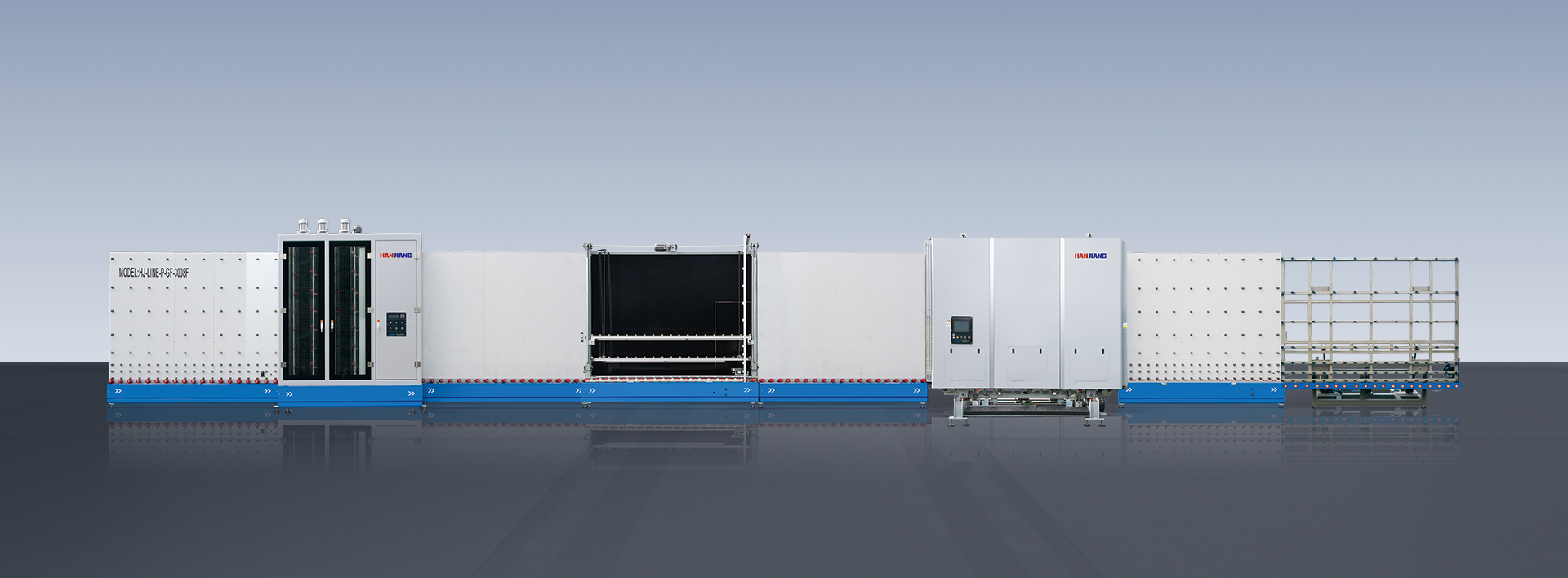
Modern automated glass processing plants face mounting pressure to optimize throughput while maintaining quality standards and cost-effectiveness. insulating glass production represents a transformative approach to addressing these demands by integrating advanced automation, precision control systems, and streamlined workflows. The shift toward specialized insulating glass equipment enables manufacturers to achieve significant efficiency gains, reduce labor dependencies, and respond faster to market demands without compromising product integrity.

The strategic implementation of an IGU production line directly addresses operational bottlenecks common in conventional glass processing facilities. By consolidating assembly, sealing, and quality verification into coordinated automated sequences, manufacturers eliminate manual transfer delays and human error variability. This integrated approach transforms insulating glass manufacturing from a fragmented, time-intensive process into a cohesive production ecosystem where efficiency, consistency, and scalability work in concert.
How Insulating Glass Production Enhances Operational Capacity
Streamlined Manufacturing Workflows
An insulating glass production line consolidates multiple processing stages into a single coordinated system. From edge sealing and spacer bar placement through final hermetic sealing, each step executes with synchronized timing and minimal manual intervention. This elimination of disconnected workstations reduces material handling time, cuts transition delays between processes, and ensures consistent product parameters throughout the manufacturing cycle. The result is dramatically higher throughput compared to traditional batch-oriented or semi-manual approaches.
Advanced IGU production line technology incorporates precision positioning systems, automated pressure regulation, and real-time sensor feedback. These components work together to maintain strict tolerances on seal depth, spacer positioning, and moisture barriers. By removing guesswork and variability from critical assembly steps, manufacturers achieve superior product consistency while reducing rework and scrap rates that typically consume 3–8 percent of production volume in conventional facilities.
Labor Optimization and Skill Requirements
Insulating glass equipment dramatically reduces dependency on highly trained manual labor for repetitive assembly tasks. Instead of employing large teams for hand-sealing, spacer installation, and individual unit testing, modern automation requires fewer operators focused on equipment oversight, quality monitoring, and maintenance. This shift allows facilities to redirect skilled personnel toward process improvement, troubleshooting, and innovation activities that generate higher business value. The reduced labor intensity also buffers against workforce availability challenges and enables more predictable staffing models.
Transition to automated insulating glass manufacturing does require upfront training investments in equipment operation, parameter optimization, and preventive maintenance protocols. However, the long-term reduction in per-unit labor costs, combined with lower error rates and higher output capacity, delivers compelling return on investment within 18–36 months for most mid-to-large-scale operations.
Key Efficiency Drivers in IGU Production Technology
Precision Control and Real-Time Monitoring
Modern insulating glass production systems employ closed-loop control mechanisms that continuously monitor process parameters including temperature, pressure, humidity, and seal integrity. Sensors integrated throughout the IGU production line feed data to central control systems that adjust machine settings in real time, preventing defects before they occur. This proactive approach reduces the need for downstream quality rework and minimizes product rejection rates that drain profitability in conventional manual operations.
The integration of advanced insulating glass equipment with data analytics platforms enables manufacturers to identify optimization opportunities invisible to traditional oversight methods. Trend analysis reveals performance patterns, highlights early signs of equipment wear, and surfaces opportunities to tighten process windows for enhanced efficiency. Facilities leveraging these insights consistently report 15–25 percent productivity improvements within the first year of full implementation.
Throughput Acceleration and Scalability
An insulating glass manufacturing operation built on modern automated platforms handles volume fluctuations with remarkable flexibility. Unlike rigid manual processes requiring proportional workforce adjustments, automated systems maintain consistent per-unit processing times across demand variations. This inherent scalability allows manufacturers to pursue larger contracts without proportional capital investment or hiring cycles. Facilities can ramp production up or down by adjusting shift patterns or equipment run rates rather than rebuilding entire workforce structures.
The speed advantage of insulating glass production lines extends beyond daily output volume. Automated systems reduce lead times from order placement to finished inventory, enabling more responsive customer service and competitive positioning. For manufacturers serving regional or global markets with varying demand patterns, this agility translates directly into market share growth and customer retention improvements.
Strategic Advantages for Competitive Positioning
Cost Reduction and Margin Expansion
Comprehensive cost analysis of insulating glass equipment reveals substantial savings across multiple expense categories. Reduced labor per unit, lower scrap and rework rates, decreased material waste from optimized processes, and minimized equipment downtime collectively drive per-unit cost reductions of 20–35 percent compared to conventional manufacturing approaches. These margin improvements directly enhance profitability without requiring price increases that might undermine market competitiveness.
Beyond direct production savings, insulating glass production systems reduce facility overhead by consolidating floor space requirements. Automated systems perform multiple functions in compact footprints, freeing real estate for inventory staging, quality laboratories, or future expansion. Lower energy consumption from optimized processing sequences further contributes to facility operating cost reductions that extend beyond obvious labor savings.
Quality Consistency and Market Reputation
Automated insulating glass manufacturing delivers product consistency that builds customer confidence and supports premium positioning strategies. Uniform seal quality, precise spacer placement, and reliable moisture barrier integrity across entire production runs reduce warranty claims and service complications. This consistency directly translates into reputation enhancement, customer loyalty, and capability to pursue higher-margin contracts requiring strict performance specifications.
Manufacturers employing advanced insulating glass production technology report dramatic reductions in field failures, customer complaints, and warranty-related costs. This operational excellence becomes a core competitive differentiator in markets where product reliability directly influences customer purchasing decisions and contract renewals.
FAQ
What specific efficiency improvements can manufacturers expect from modern IGU production line technology?
Manufacturers implementing modern IGU production line systems typically achieve 20–40 percent increases in daily throughput, 15–25 percent reductions in labor costs per unit, and 50–70 percent improvements in first-pass quality rates. Additional benefits include 30–40 percent reduction in material waste, faster lead times reducing inventory carrying costs, and lower energy consumption per unit produced. The magnitude of improvements varies based on facility baseline performance, equipment integration quality, and workforce training effectiveness.
How does insulating glass equipment impact workforce planning and skill development strategies?
Transitioning to automated insulating glass manufacturing requires upfront workforce retraining focused on equipment operation, process monitoring, and preventive maintenance procedures. While repetitive manual assembly roles diminish, new positions emerge in equipment troubleshooting, process optimization, and data analysis. Facilities that proactively manage this transition report improved employee satisfaction as workers transition from physically demanding assembly work toward higher-value technical roles. Strategic workforce planning should anticipate these changes and invest in training programs that prepare existing staff for evolved responsibilities.
What return on investment timeline should manufacturers expect from insulating glass production system implementation?
Typical payback periods for modern insulating glass production investments range from 18–36 months depending on facility scale, baseline production volume, and implementation quality. Larger facilities with higher baseline volumes achieve faster payback through superior per-unit cost reductions. Many manufacturers achieve breakeven within 24 months, with subsequent years delivering substantial incremental profitability. Conservative financial planning should model 30-month payback scenarios, allowing margin for learning curve effects and unexpected process refinements during ramp-up phases.
Table of Contents
- How Insulating Glass Production Enhances Operational Capacity
- Key Efficiency Drivers in IGU Production Technology
- Strategic Advantages for Competitive Positioning
-
FAQ
- What specific efficiency improvements can manufacturers expect from modern IGU production line technology?
- How does insulating glass equipment impact workforce planning and skill development strategies?
- What return on investment timeline should manufacturers expect from insulating glass production system implementation?