Low Cost Water Jet Cutting Systems - Affordable Precision Cutting Solutions for Every Business

All Categories

Get a Free Quote

Our representative will contact you soon.
Email
Name
Company Name
Message
0/1000

low cost water jet

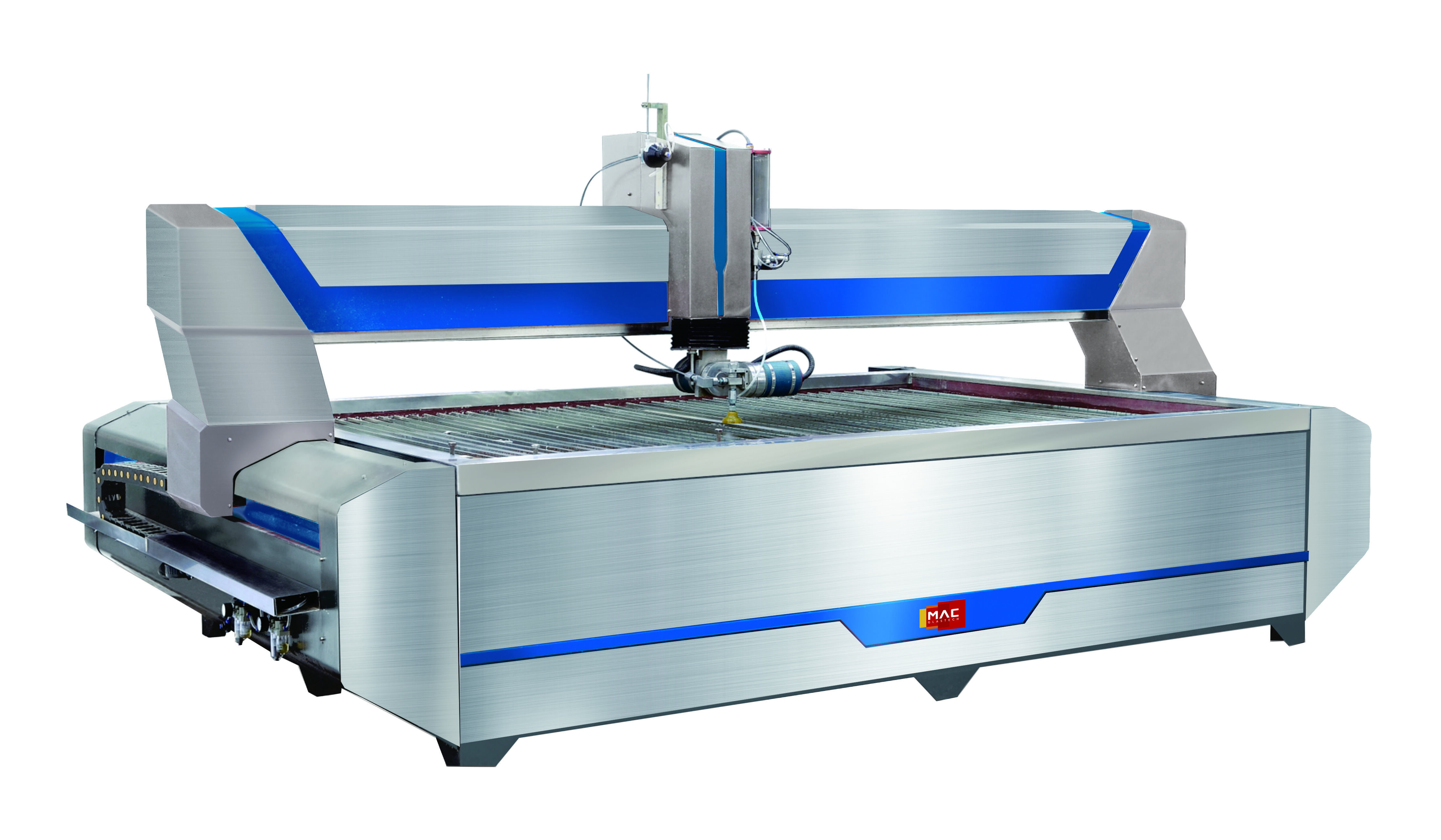
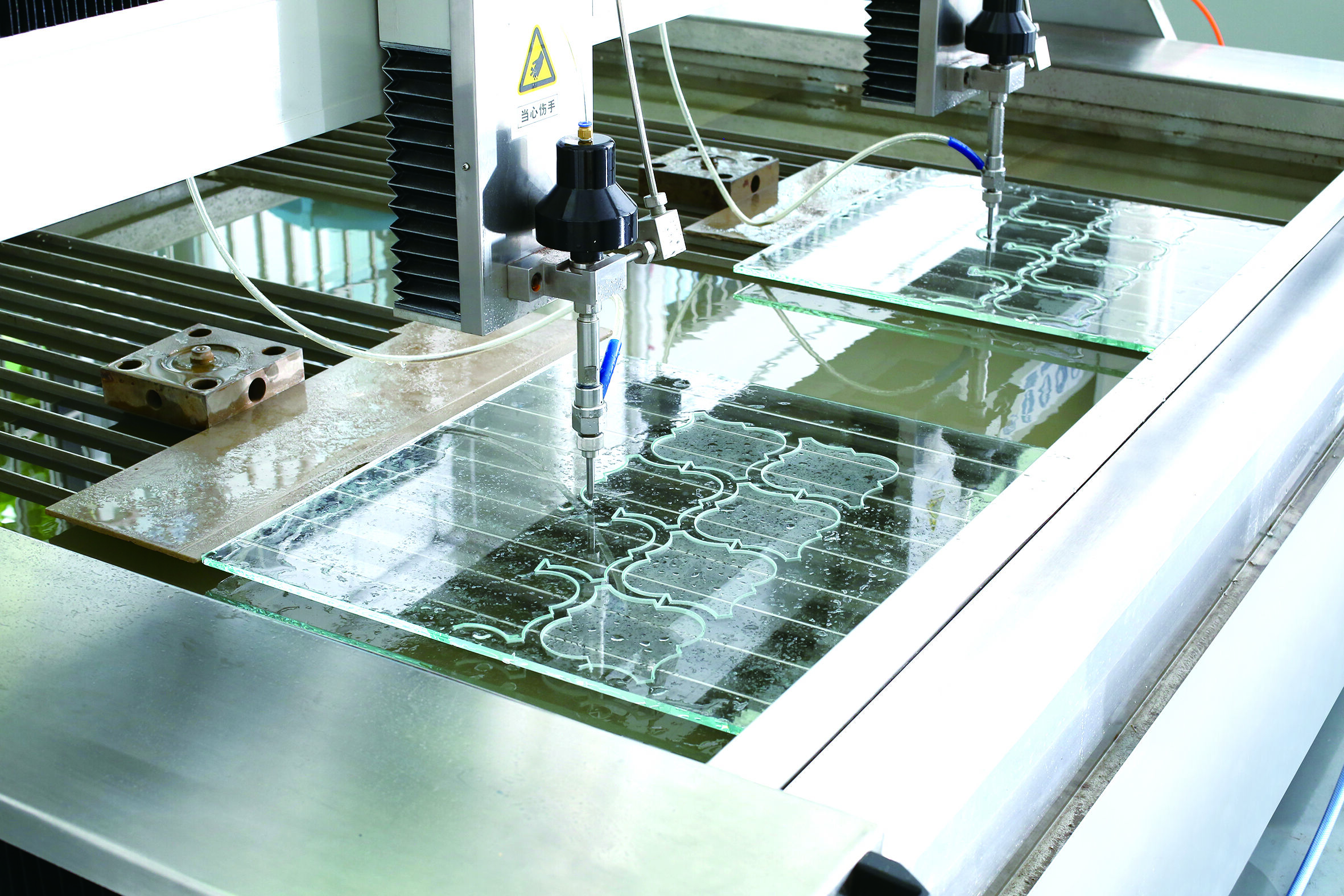
A low cost water jet represents an innovative cutting solution that delivers professional-grade performance without the premium price tag traditionally associated with waterjet technology. This advanced cutting system utilizes high-pressure water streams, sometimes mixed with abrasive particles, to precisely cut through various materials with exceptional accuracy. The low cost water jet has revolutionized manufacturing processes by making this sophisticated technology accessible to small businesses, educational institutions, and budget-conscious enterprises. The system operates by pressurizing water to extremely high levels, typically ranging from 30,000 to 60,000 PSI, then forcing it through a specialized nozzle to create a focused cutting stream. This concentrated jet can slice through materials including metals, plastics, composites, stone, glass, and ceramics without generating heat-affected zones or mechanical stress. The affordability factor stems from streamlined engineering, optimized component selection, and efficient manufacturing processes that reduce production costs while maintaining cutting quality. Modern low cost water jet machines incorporate user-friendly control systems, often featuring intuitive software interfaces that simplify operation and programming. These systems typically include CAD/CAM integration capabilities, allowing operators to import designs directly and execute complex cutting patterns with minimal setup time. The compact footprint of many low cost water jet units makes them suitable for workshops with limited floor space, while their relatively simple maintenance requirements help keep operational expenses manageable. Safety features such as enclosed cutting chambers, emergency stop mechanisms, and protective shields ensure operator protection during operation. The versatility of a low cost water jet extends across multiple industries, from automotive and aerospace to art and architecture, enabling diverse applications without requiring significant capital investment. This technology bridges the gap between manual cutting methods and expensive industrial systems, providing an optimal balance of capability, precision, and affordability for growing businesses and specialized applications.

New Products

The primary advantage of choosing a low cost water jet lies in its exceptional return on investment, allowing businesses to access professional cutting capabilities without depleting capital resources. Unlike traditional cutting methods that require multiple tools for different materials, a single low cost water jet handles diverse substrates efficiently, eliminating the need for separate equipment investments. The cold cutting process preserves material integrity by avoiding heat distortion, warping, or hardening that commonly occurs with laser or plasma cutting systems. This characteristic proves especially valuable when working with heat-sensitive materials or when maintaining precise dimensional tolerances remains critical. Operational flexibility represents another significant benefit, as operators can quickly switch between materials and thicknesses without extensive reconfiguration or tooling changes. The low cost water jet produces minimal material waste compared to conventional cutting methods, as the narrow kerf width maximizes material utilization and reduces scrap generation. This efficiency translates directly into cost savings over time, offsetting the initial equipment investment through reduced material expenses. Environmental considerations favor water jet technology since it generates no toxic fumes, hazardous dust, or harmful emissions during operation, creating a safer workplace and reducing environmental compliance costs. The system requires no expensive consumables beyond water, electricity, and abrasive media when needed, keeping recurring operational costs predictable and manageable. Maintenance requirements remain straightforward, with most low cost water jet systems designed for easy servicing by in-house personnel rather than requiring specialized technicians. The learning curve for operating a low cost water jet proves gentler than many alternative cutting technologies, enabling faster staff training and productivity gains. Edge quality produced by water jet cutting often eliminates secondary finishing operations, saving time and labor costs while accelerating project completion. The absence of mechanical force during cutting prevents material deformation or stress-induced cracks, particularly important when working with brittle or delicate substrates. Noise levels during operation remain significantly lower than mechanical cutting or grinding processes, contributing to a more comfortable work environment. Scalability represents another practical advantage, as businesses can start with a basic low cost water jet configuration and upgrade capabilities as requirements evolve. The technology supports prototype development and custom fabrication equally well, providing versatility for companies serving varied customer needs or exploring new market opportunities. Insurance and facility costs may decrease since water jet systems present fewer fire hazards and safety risks compared to thermal cutting alternatives. The precision achievable with a low cost water jet rivals far more expensive equipment, enabling intricate designs and tight tolerances that expand creative possibilities and competitive capabilities.

Latest News

What Safety Features Should Be Built into a Glass Sorting System?

24

Sep

What Safety Features Should Be Built into a Glass Sorting System?

Essential Safety Components for Modern Glass Processing Systems Glass sorting systems are vital components in recycling facilities and glass manufacturing plants, where efficiency must be perfectly balanced with worker protection. These sophisticated...
View More
What Factors Influence Compatibility With Different Glass Sheet Sizes?

19

Dec

What Factors Influence Compatibility With Different Glass Sheet Sizes?

Glass manufacturing and processing industries face critical decisions when selecting equipment that can accommodate varying sheet dimensions. Modern fabrication facilities require versatile solutions that maintain precision across different material ...
View More
Why Are CNC Grinding Machines Preferred in Modern Production Lines?

19

Dec

Why Are CNC Grinding Machines Preferred in Modern Production Lines?

Modern manufacturing has undergone a revolutionary transformation with the integration of advanced grinding technologies. Among these innovations, specialized grinding equipment has become indispensable for achieving precision results in various indu...
View More
What Should Manufacturers Consider When Selecting Equipment for Insulating Glass Production?

19

Dec

What Should Manufacturers Consider When Selecting Equipment for Insulating Glass Production?

Modern insulating glass manufacturing demands precision, efficiency, and cutting-edge technology to meet the growing requirements of energy-efficient building construction. Selecting the right equipment for insulating glass production involves carefu...
View More

Get a Free Quote

Our representative will contact you soon.
Email
Name
Company Name
Message
0/1000

low cost water jet

Exceptional Material Versatility Without Equipment Multiplication

Exceptional Material Versatility Without Equipment Multiplication

One of the most compelling features distinguishing a low cost water jet from alternative cutting technologies involves its remarkable ability to process virtually any material regardless of hardness, thickness, or composition using a single machine setup. This universal cutting capability eliminates the traditional necessity of maintaining separate equipment for different material types, dramatically reducing capital expenditure and floor space requirements. The low cost water jet achieves this versatility through its fundamental cutting mechanism, which relies on erosion rather than melting, burning, or mechanical shearing. When the high-pressure water stream contacts the workpiece surface, it removes material through rapid erosive action, a process equally effective on soft rubbers and hardened tool steels alike. For harder materials, the addition of abrasive particles such as garnet to the water stream enhances cutting power without requiring equipment modifications. This adaptability proves invaluable for job shops and fabricators serving diverse industries, as they can accept orders involving metals, plastics, stone, glass, composites, and foams without turning away business due to equipment limitations. The transition between materials requires no time-consuming reconfiguration or specialized tooling changes, operators simply adjust cutting parameters through the control interface and proceed with the next job. This seamless material flexibility accelerates production scheduling and improves workflow efficiency, particularly valuable in fast-paced manufacturing environments where quick turnaround times provide competitive advantages. The low cost water jet maintains consistent edge quality across different materials, producing clean cuts that frequently require no secondary finishing operations regardless of substrate type. This consistency simplifies quality control procedures and reduces the skill variation between operators, as the technology itself compensates for material differences. Businesses investing in a low cost water jet gain immediate capability expansion, suddenly able to bid on projects previously beyond their technical reach due to equipment constraints. The economic implications extend beyond the purchase price, as avoiding multiple specialized machines reduces maintenance complexity, spare parts inventory, training requirements, and operational overhead. For educational institutions, this material versatility makes the low cost water jet an ideal teaching platform, exposing students to diverse materials and applications within a single technology system, better preparing them for real-world manufacturing challenges.
Precision Cutting Without Thermal Distortion or Material Stress

Precision Cutting Without Thermal Distortion or Material Stress

The cold cutting nature of a low cost water jet delivers a critical advantage that fundamentally distinguishes it from thermal cutting technologies such as lasers, plasma cutters, and oxy-fuel torches. When a low cost water jet cuts through material, the process generates virtually no heat, eliminating the heat-affected zones, thermal distortion, and metallurgical changes that compromise part quality and dimensional accuracy in thermal cutting methods. This characteristic proves especially crucial when working with materials sensitive to temperature changes, including certain alloys, plastics, composites, and laminates that would warp, melt, or delaminate under thermal cutting conditions. The absence of heat during cutting preserves the original material properties throughout the workpiece, maintaining hardness, temper, and structural integrity right to the cut edge. For precision applications requiring tight tolerances, the low cost water jet eliminates thermal expansion and contraction variables that introduce dimensional inconsistencies in heat-based cutting processes. Parts emerge from the cutting process at ambient temperature, ready for immediate handling, measurement, and assembly without waiting for cooling periods that slow production cycles. The mechanical stress imparted during water jet cutting remains minimal compared to shearing, punching, or sawing operations that can introduce residual stresses, work hardening, or micro-cracks at cut edges. This gentle cutting action proves particularly valuable when processing brittle materials like ceramics, glass, or stone, where mechanical stress would cause fracturing or edge chipping. The low cost water jet produces burr-free edges on many materials, eliminating deburring operations that add labor costs and cycle time to traditional cutting methods. Edge quality consistently achieves smooth finishes that often meet final specifications without secondary grinding, sanding, or machining, directly reducing production costs and accelerating delivery schedules. The technology enables nesting of parts with minimal spacing between components, as the narrow kerf width and absence of heat distortion allow tight part arrangements that maximize material utilization. For industries like aerospace and medical device manufacturing, where material traceability and property preservation carry critical importance, the non-thermal nature of a low cost water jet ensures compliance with stringent quality standards. The capability to cut hardened materials without annealing or softening the surrounding area maintains part functionality in applications where surface hardness provides wear resistance or structural strength.
User-Friendly Operation with Minimal Training Investment

User-Friendly Operation with Minimal Training Investment

Modern low cost water jet systems incorporate intuitive control interfaces and simplified operational workflows that dramatically reduce the technical expertise traditionally required for advanced cutting technologies. This accessibility advantage democratizes precision cutting capabilities, enabling small businesses and startups to compete with established manufacturers without investing heavily in specialized operator training or experienced personnel recruitment. The software platforms controlling contemporary low cost water jet machines typically feature graphical user interfaces resembling familiar computer applications, with drag-and-drop functionality, visual programming aids, and straightforward parameter adjustment controls that minimize the learning curve for new operators. Many systems include direct CAD file import capabilities, allowing designs created in standard design software to transfer seamlessly to the cutting machine without complex file conversions or programming languages. This integration streamlines the workflow from concept to finished part, reducing opportunities for errors and accelerating project completion. The low cost water jet control systems often incorporate automated functions that handle complex calculations internally, such as lead-in and lead-out paths, corner compensation, and speed optimization based on material type and thickness. These intelligent features reduce the burden on operators, who can focus on loading materials and monitoring cutting progress rather than manually calculating technical parameters. Visual simulation capabilities available in many low cost water jet controllers allow operators to preview cutting paths and identify potential issues before actual cutting begins, preventing material waste and machine damage from programming errors. The straightforward maintenance requirements of a low cost water jet contribute to operational accessibility, as routine service tasks typically involve checking water levels, replacing worn nozzles, and monitoring abrasive supply rather than complex mechanical adjustments or specialized calibration procedures. Comprehensive documentation and video tutorials accompany most low cost water jet systems, providing on-demand training resources that support operator skill development without expensive external training programs. The immediate visual feedback during cutting operations helps operators quickly understand cause-and-effect relationships between parameter adjustments and cutting results, accelerating practical learning through hands-on experience. For businesses transitioning from manual cutting methods, the low cost water jet represents a manageable technology step that enhances capabilities without overwhelming existing staff or requiring complete workforce restructuring. The reduced complexity compared to alternative CNC cutting technologies lowers the barrier to automation adoption, particularly beneficial for traditional fabrication shops seeking to modernize operations incrementally rather than through disruptive wholesale changes.