Zero Heat-Affected Zone Ensures Superior Material Properties
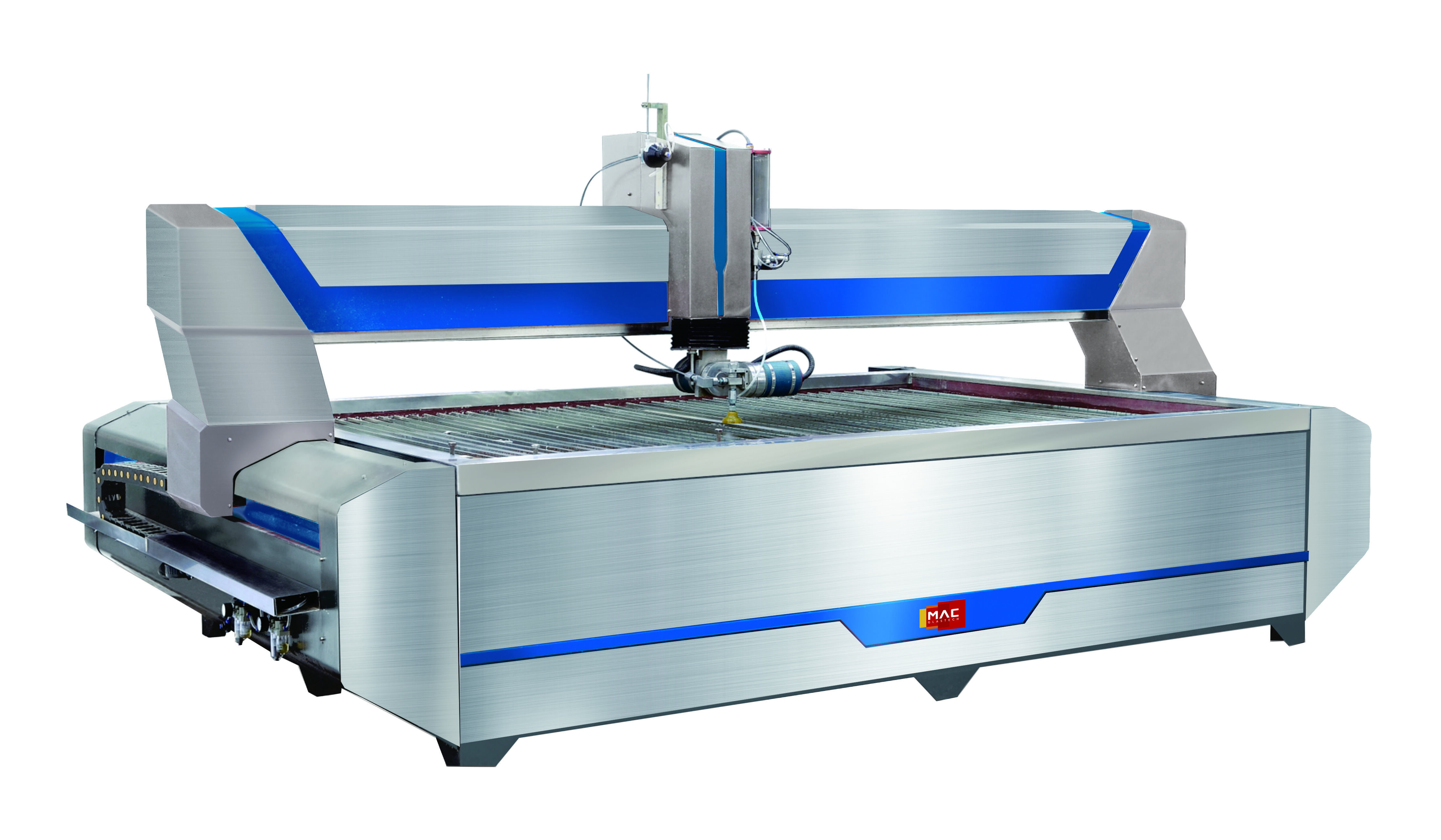
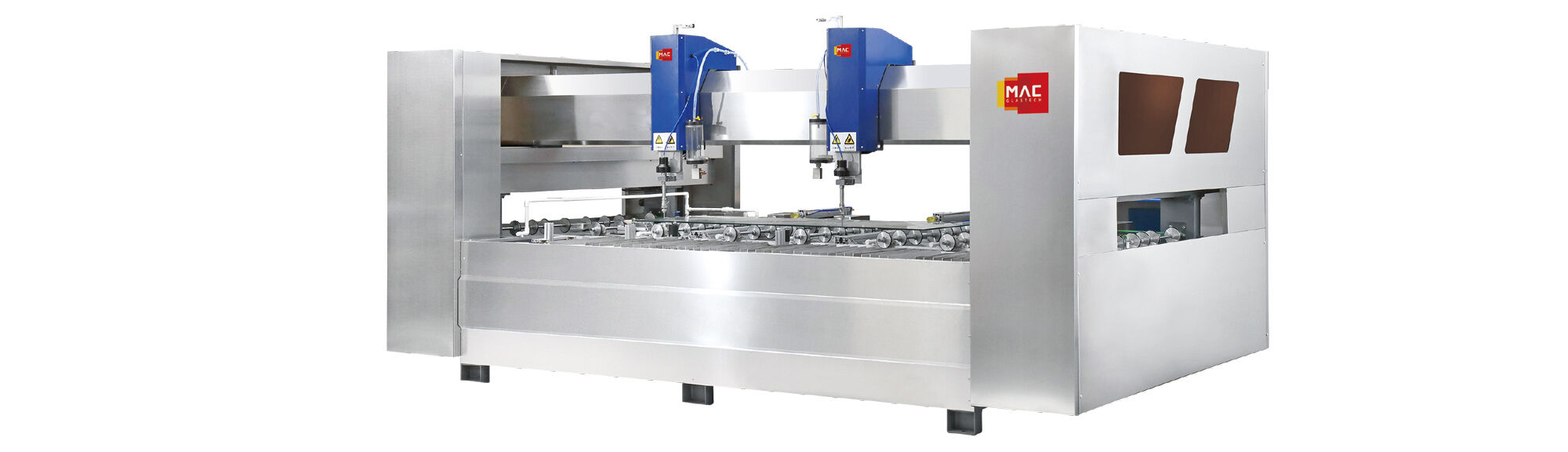
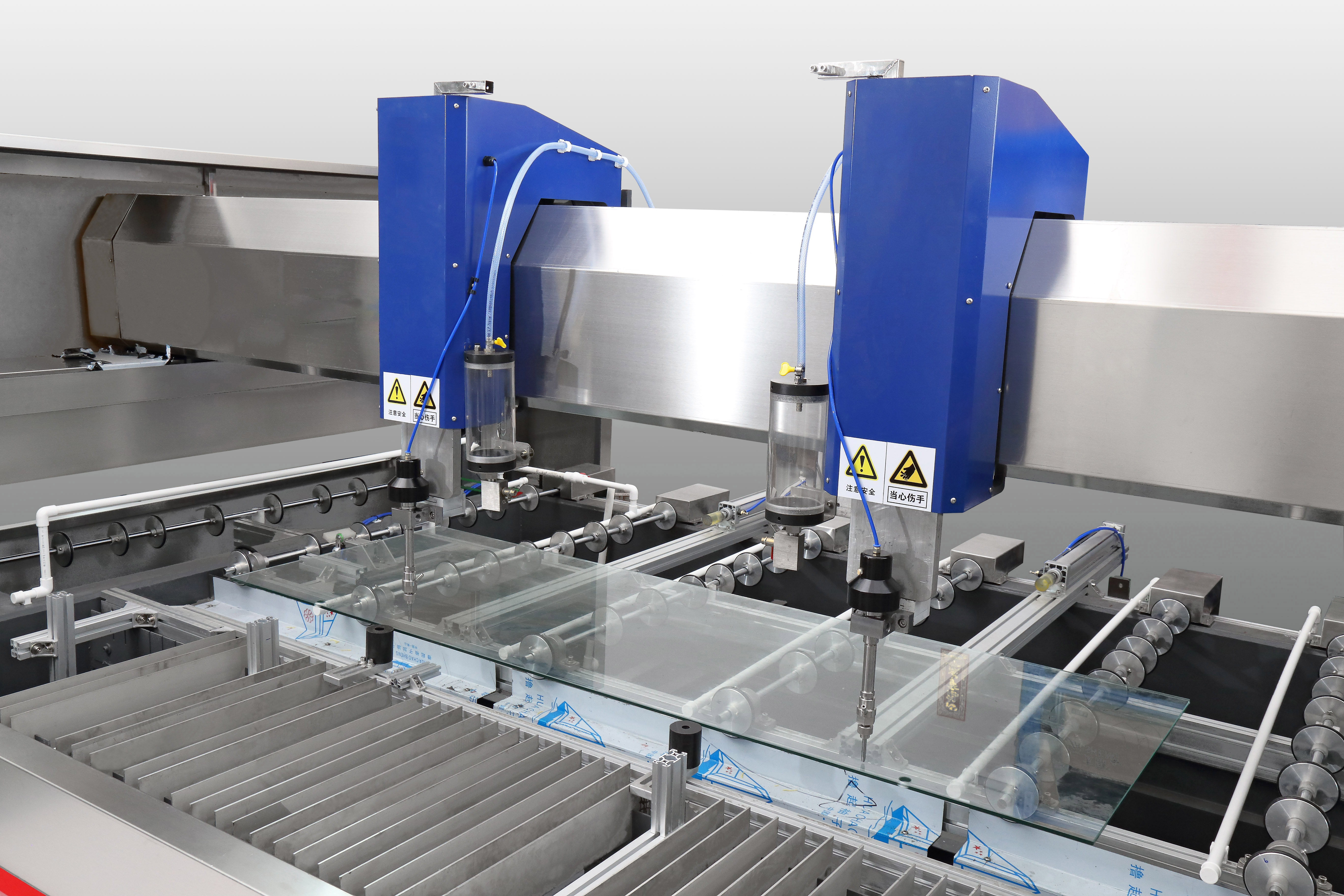
The complete absence of heat-affected zones distinguishes water jet metal cutting as the premier choice for applications demanding pristine material properties and dimensional stability. Traditional thermal cutting methods including laser, plasma, and oxy-fuel processes introduce intense localized heating that fundamentally alters the metallurgical structure of materials adjacent to the cut edge. These heat-affected zones create hardened regions, induce residual stresses, and cause microscopic structural changes that compromise material performance and complicate subsequent manufacturing operations. Water jet metal cutting eliminates these concerns entirely through its cold-cutting mechanism, where material removal occurs through mechanical erosion rather than melting or vaporization. This fundamental difference delivers profound practical benefits throughout your manufacturing process. Components maintain their engineered material properties right up to the cut edge, ensuring predictable behavior during forming, welding, machining, and service life. Engineers can design with confidence, knowing that specified material strengths, hardness values, and fatigue characteristics remain unchanged by the cutting process. This consistency proves particularly critical in aerospace, medical device, and defense applications where material certification and traceability requirements demand rigorous property control. The absence of thermal distortion eliminates one of the most frustrating challenges facing precision manufacturers. Metal sheets and plates remain perfectly flat during and after cutting, maintaining dimensional accuracy without requiring expensive flattening operations or stress-relief procedures. Complex parts with intricate internal cutouts retain their designed geometry, allowing immediate assembly without correction or adjustment. This dimensional stability dramatically reduces scrap rates and rework costs while accelerating production throughput. Manufacturers working with pre-hardened materials or heat-treated alloys gain especially significant advantages from water jet metal cutting. These materials, specifically processed to achieve desired mechanical properties, maintain their carefully controlled characteristics throughout the cutting operation. You avoid the softening or re-hardening that occurs at laser-cut edges, eliminating the need for secondary heat treatment or local grinding to restore proper material conditions. Welding operations become more straightforward and reliable when joining water jet cut components, as the pristine edges lack the hardened layers and oxide formations that thermal cutting creates. Welders achieve better fusion, reduced porosity, and stronger joints when working with cold-cut edges. The improved weldability reduces consumable usage and minimizes weld defects, lowering overall fabrication costs. Surface finish quality benefits from the heat-free cutting process as well. Water jet metal cutting produces edges free from the discoloration, scaling, and oxidation that characterize thermally cut surfaces. Components often proceed directly to finishing operations or assembly without intermediate cleaning or surface preparation steps.
 EN
EN
 AR
AR
 BG
BG
 HR
HR
 CS
CS
 DA
DA
 NL
NL
 FI
FI
 FR
FR
 DE
DE
 EL
EL
 HI
HI
 IT
IT
 JA
JA
 KO
KO
 PL
PL
 PT
PT
 RO
RO
 RU
RU
 ES
ES
 SV
SV
 TL
TL
 IW
IW
 LV
LV
 LT
LT
 SK
SK
 SL
SL
 UK
UK
 VI
VI
 ET
ET
 HU
HU
 MT
MT
 TH
TH
 TR
TR
 FA
FA
 MS
MS
 SW
SW
 GA
GA
 AZ
AZ