Professional Glass Drilling Equipment - Precision Machinery for Glass Processing and Manufacturing

All Categories

Get a Free Quote

Our representative will contact you soon.
Email
Name
Company Name
Message
0/1000

glass drilling equipment

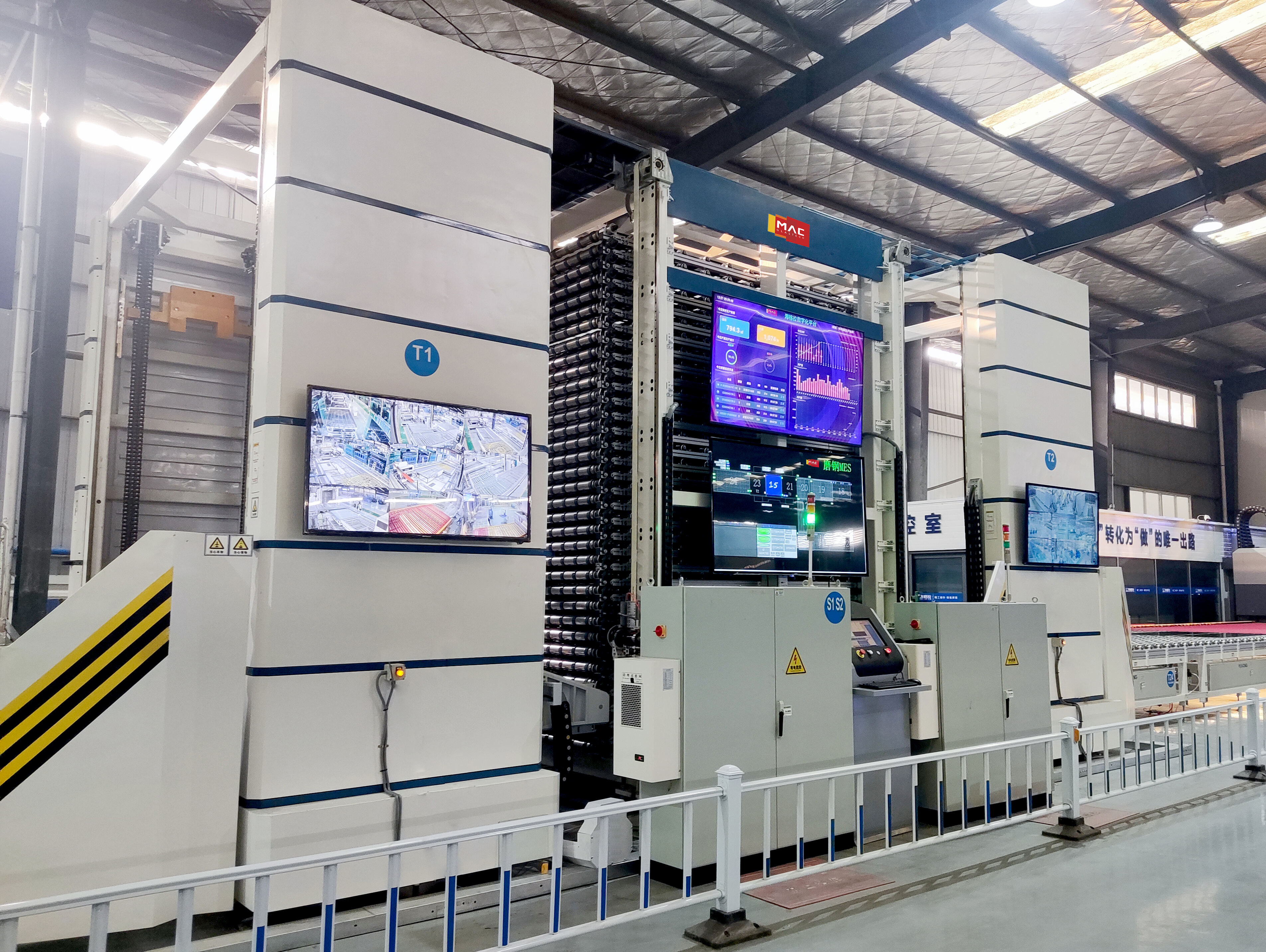
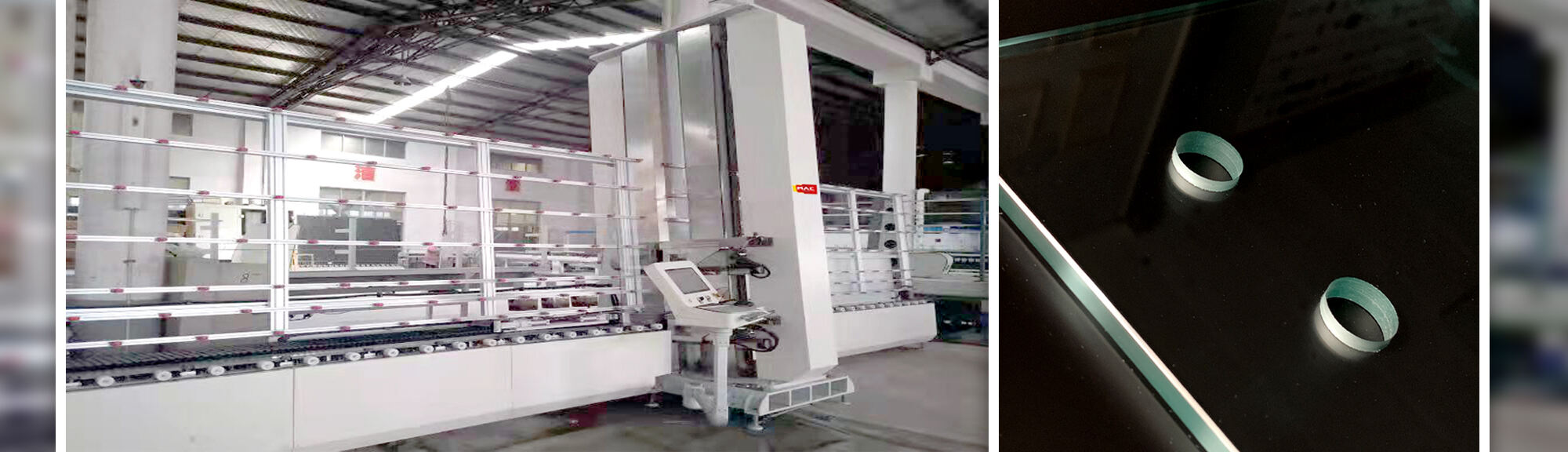
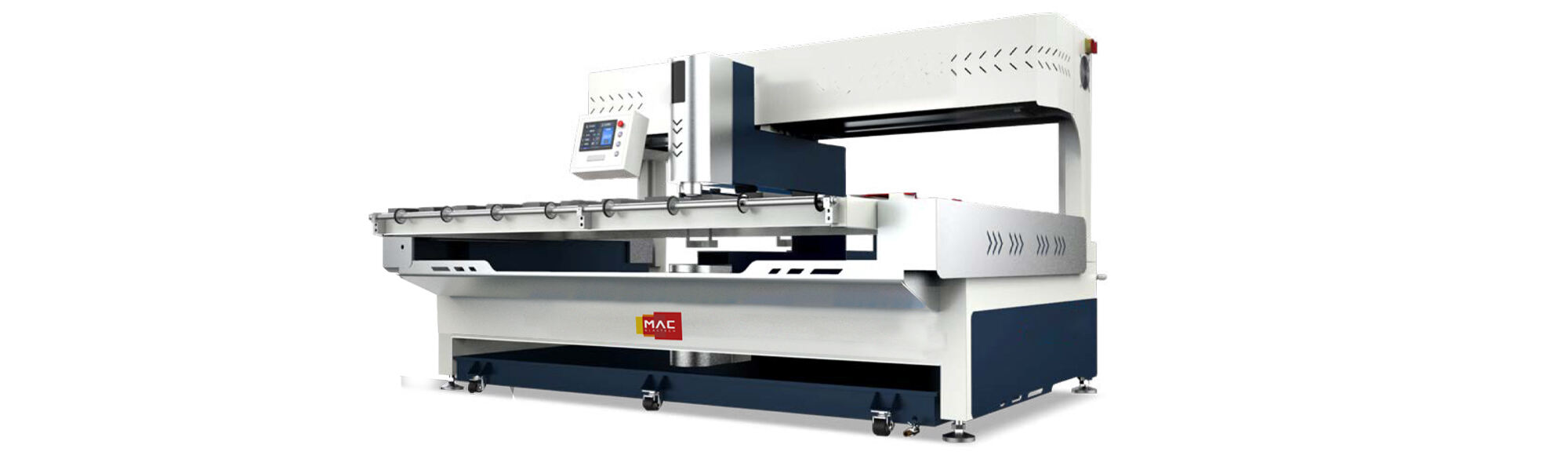
Glass drilling equipment represents a specialized category of industrial machinery designed specifically for creating precise holes in glass materials of varying thicknesses and compositions. This sophisticated technology has become indispensable in modern manufacturing environments where glass processing is required. The primary function of glass drilling equipment involves penetrating glass surfaces without causing fractures, cracks, or stress points that could compromise the structural integrity of the material. These machines utilize advanced drilling mechanisms that incorporate diamond-tipped bits, cooling systems, and precise positioning controls to achieve clean, accurate perforations. The technological features embedded within contemporary glass drilling equipment include computer numerical control systems that enable operators to program exact drilling patterns, automated depth adjustment mechanisms that ensure consistent hole depths across multiple workpieces, and multi-spindle configurations that allow simultaneous drilling of multiple holes to increase production efficiency. Modern equipment also integrates water cooling circulation systems that prevent thermal stress during the drilling process, protecting both the glass substrate and the drilling tools from heat damage. Variable speed controls enable operators to adjust rotation speeds according to glass type and thickness, while laser positioning systems provide visual guides for accurate hole placement. Applications for glass drilling equipment span numerous industries including architectural glass fabrication where holes are needed for mounting hardware and fixtures, automotive manufacturing for creating defrost grid connections and sensor mountings, furniture production where glass shelving and tabletops require assembly holes, electronics manufacturing for display panel processing, and decorative glass artistry where intricate patterns demand multiple precise perforations. The equipment accommodates various glass types including tempered glass, laminated glass, annealed glass, and specialty coated materials, making it versatile across different production requirements and industry standards.

New Products

Investing in professional glass drilling equipment delivers substantial practical benefits that directly impact production quality and operational efficiency. First and foremost, these machines dramatically reduce material waste by achieving exceptionally high success rates in drilling operations. When you use dedicated glass drilling equipment, the precision engineering minimizes the risk of glass breakage during the drilling process, which means fewer rejected pieces and lower material costs over time. This reliability translates into significant cost savings, especially when working with expensive specialty glass materials. The speed advantage cannot be overstated. Manual drilling methods or improvised solutions require extensive time per hole, whereas modern glass drilling equipment completes operations in fractions of the time. This acceleration in production pace allows businesses to fulfill larger orders, meet tighter deadlines, and ultimately serve more customers without expanding workforce size. The consistency delivered by automated glass drilling equipment ensures that every hole meets exact specifications regarding diameter, depth, and positioning. This uniformity is crucial for assembly processes where multiple glass components must align perfectly with hardware or other materials. Customers receive products with professional finishing quality that enhances brand reputation and reduces callbacks for defective items. Safety improvements represent another compelling advantage. Glass drilling equipment incorporates protective features that shield operators from glass shards, dust particles, and mechanical hazards. Enclosed working chambers, integrated ventilation systems, and emergency stop mechanisms create a safer working environment compared to manual drilling approaches. This protection reduces workplace injuries and associated costs while demonstrating corporate responsibility toward employee welfare. The versatility of modern glass drilling equipment enables businesses to expand their service offerings without purchasing multiple specialized machines. Adjustable parameters and interchangeable tooling allow the same equipment to handle various glass thicknesses, types, and drilling requirements. This flexibility means you can accept diverse projects and adapt to changing market demands without major capital investments. Energy efficiency has improved significantly in contemporary models, with optimized motors and intelligent power management systems that reduce electricity consumption during operation. Lower energy costs contribute to better profit margins while supporting environmental sustainability goals. Maintenance requirements have also decreased thanks to durable construction and quality components that withstand prolonged use. Reduced downtime for repairs and servicing keeps production lines running smoothly and minimizes unexpected expenses. The precision capabilities of glass drilling equipment enable businesses to tackle complex projects that would be impossible with conventional methods, opening opportunities in high-value market segments where technical expertise commands premium pricing.

Practical Tips

What Are the Benefits of Using an Automated Glass Sorting System?

24

Sep

What Are the Benefits of Using an Automated Glass Sorting System?

Revolutionizing Glass Recycling Through Advanced Automation The glass recycling industry is undergoing a remarkable transformation with the integration of automated glass sorting systems. These sophisticated technologies are reshaping how recycling f...
View More
How Does a Glass Sorting System Integrate with Other Glass Lines?

24

Sep

How Does a Glass Sorting System Integrate with Other Glass Lines?

Seamless Integration of Modern Glass Sorting Technologies The integration of a glass sorting system into existing production lines represents a significant advancement in glass manufacturing and recycling operations. These sophisticated systems utili...
View More
How Do Glass Drilling Machines Achieve Precision and Accuracy?

28

Oct

How Do Glass Drilling Machines Achieve Precision and Accuracy?

The Engineering Marvel Behind Modern Glass Drilling Technology Glass drilling machines represent the pinnacle of precision engineering in today's manufacturing landscape. These sophisticated pieces of equipment combine advanced technology with mechan...
View More
What Should Manufacturers Consider When Selecting Equipment for Insulating Glass Production?

19

Dec

What Should Manufacturers Consider When Selecting Equipment for Insulating Glass Production?

Modern insulating glass manufacturing demands precision, efficiency, and cutting-edge technology to meet the growing requirements of energy-efficient building construction. Selecting the right equipment for insulating glass production involves carefu...
View More

Get a Free Quote

Our representative will contact you soon.
Email
Name
Company Name
Message
0/1000

glass drilling equipment

Advanced Precision Control Systems for Flawless Results

Advanced Precision Control Systems for Flawless Results

The precision control systems integrated into modern glass drilling equipment represent a quantum leap forward in manufacturing capability and represent one of the most valuable features for businesses seeking competitive advantages. These sophisticated systems employ computer numerical control technology that allows operators to input exact specifications for hole placement, diameter, and depth with micron-level accuracy. The equipment stores these parameters digitally, enabling perfect replication across hundreds or thousands of identical pieces without variation. This consistency is absolutely critical in industries like automotive manufacturing where glass components must align precisely with vehicle body structures, or in architectural applications where mounting holes must match pre-installed fixtures exactly. The control interface typically features intuitive touchscreen displays that simplify programming even for operators without extensive technical backgrounds, reducing training time and minimizing human error. Position sensors continuously monitor drilling progress and automatically adjust operations to compensate for any deviations, ensuring that the final hole placement matches the programmed coordinates regardless of minor variations in glass positioning or surface irregularities. The precision extends to depth control as well, with advanced sensors that detect when the drill bit has penetrated completely through the glass, immediately stopping the operation to prevent damage to underlying surfaces or the drill bit itself. For partial-depth drilling operations required in certain decorative applications, the equipment maintains exact depth specifications within tolerances measured in hundredths of millimeters. Multi-axis control capabilities enable the glass drilling equipment to handle complex drilling patterns that would be virtually impossible to achieve manually, including angled holes, curved paths following glass contours, and intricate geometric arrangements. This opens creative possibilities for designers and allows manufacturers to differentiate their products through unique functional and aesthetic features. The precision control systems also integrate seamlessly with computer-aided design software, allowing direct import of drilling patterns from digital design files. This digital workflow eliminates transcription errors, accelerates setup processes, and ensures perfect translation of design intent into physical reality. Quality assurance becomes more reliable and less labor-intensive since the glass drilling equipment automatically documents each operation, creating digital records of drilling parameters that can be reviewed for compliance verification or troubleshooting purposes.
Intelligent Cooling Technology That Protects Material Integrity

Intelligent Cooling Technology That Protects Material Integrity

The intelligent cooling systems built into professional glass drilling equipment serve as essential protection mechanisms that distinguish quality machinery from basic alternatives, delivering critical value through material preservation and extended tool life. Glass presents unique challenges during drilling operations because it conducts heat poorly and concentrates thermal stress in small areas, making it highly susceptible to thermal shock cracking. The cooling technology addresses this vulnerability through precisely engineered water circulation systems that deliver controlled coolant flow directly to the drilling interface. This targeted cooling maintains optimal temperature conditions throughout the drilling process, dissipating heat before it can accumulate to damaging levels. The intelligent aspect of these systems involves sensors that monitor temperature continuously and automatically adjust coolant flow rates based on real-time conditions. When drilling thicker glass or operating at higher speeds, the system increases coolant delivery proportionally, ensuring adequate heat management regardless of operational parameters. This adaptive response eliminates the guesswork and constant manual adjustments that burden operators using simpler equipment. The cooling systems also incorporate filtration mechanisms that remove glass particles and debris from the coolant, preventing abrasive contamination that could scratch glass surfaces or accelerate drill bit wear. Clean coolant maintains consistent thermal transfer properties and protects the significant investment represented by diamond-tipped drilling tools. For manufacturers, the practical benefits of intelligent cooling technology translate directly into higher yield rates and lower operating costs. Glass pieces that might crack due to thermal stress with inadequate cooling remain intact, reducing scrap rates and improving material utilization efficiency. The protection extends to the glass drilling equipment itself, as proper cooling prevents overheating of mechanical components, motors, and bearings that could otherwise fail prematurely. Extended component life means fewer replacement parts, less maintenance downtime, and more predictable operational costs. Environmental considerations also favor advanced cooling systems, as closed-loop designs recirculate coolant rather than consuming water continuously. This conservation reduces utility costs and supports sustainable manufacturing practices increasingly valued by customers and regulatory bodies. The cooling systems further contribute to workplace safety by suppressing dust generation that occurs during glass drilling. The coolant captures glass particles before they become airborne, protecting operator respiratory health and maintaining cleaner facility environments that require less extensive ventilation systems.
Versatile Multi-Spindle Configuration for Maximum Productivity

Versatile Multi-Spindle Configuration for Maximum Productivity

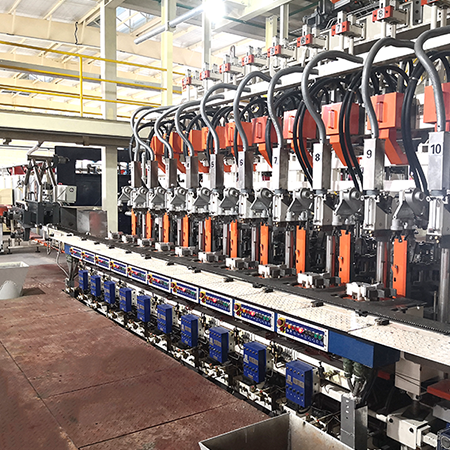
The multi-spindle configuration available in advanced glass drilling equipment represents a transformative capability that multiplies production capacity and provides exceptional return on investment for businesses processing significant glass volumes. Unlike single-spindle machines that drill one hole at a time, multi-spindle configurations allow simultaneous drilling of multiple holes in predetermined patterns, dramatically reducing cycle times and increasing throughput. This parallel processing capability proves especially valuable when manufacturing products requiring multiple holes, such as glass shelving with several mounting points, shower enclosures with numerous hardware connections, or display panels with extensive perforation patterns. The time savings compound significantly across production runs, enabling businesses to complete orders in fractions of the time required with sequential drilling approaches. The versatility of multi-spindle glass drilling equipment extends beyond simple productivity gains, offering strategic flexibility that adapts to diverse manufacturing requirements. Operators can configure spindle arrangements to match specific drilling patterns, with adjustable spacing between spindles accommodating different product designs without requiring separate dedicated machines. This adaptability allows manufacturers to switch between different product lines efficiently, minimizing changeover times and supporting flexible manufacturing strategies that respond quickly to market demands. The spindles operate independently yet synchronously, with individual depth controls and speed adjustments that accommodate variations in glass thickness across a single workpiece or handle different drilling requirements at various positions. Some advanced systems incorporate programmable spindle selection, automatically activating only the spindles needed for particular patterns while leaving others inactive, optimizing energy consumption and reducing unnecessary tool wear. Quality consistency across all spindles represents another critical advantage, with precision engineering ensuring that each spindle delivers identical performance characteristics. This uniformity guarantees that all holes drilled simultaneously meet the same exacting standards for diameter, depth, and edge quality, eliminating variations that could complicate assembly processes or create aesthetic inconsistencies in finished products. The multi-spindle configuration also enhances economic efficiency through better utilization of operator time and facility space. A single operator can supervise equipment drilling multiple holes simultaneously, effectively multiplying labor productivity without proportional increases in staffing costs. The compact footprint of integrated multi-spindle systems occupies less floor space than multiple single-spindle machines would require for equivalent capacity, maximizing facility utilization and reducing real estate costs. Maintenance efficiency improves as well, since servicing one multi-spindle unit requires less total effort than maintaining several separate machines. For businesses evaluating capital equipment investments, multi-spindle glass drilling equipment offers compelling financial advantages through faster payback periods enabled by higher production volumes and operational efficiencies.