auto glass cutting
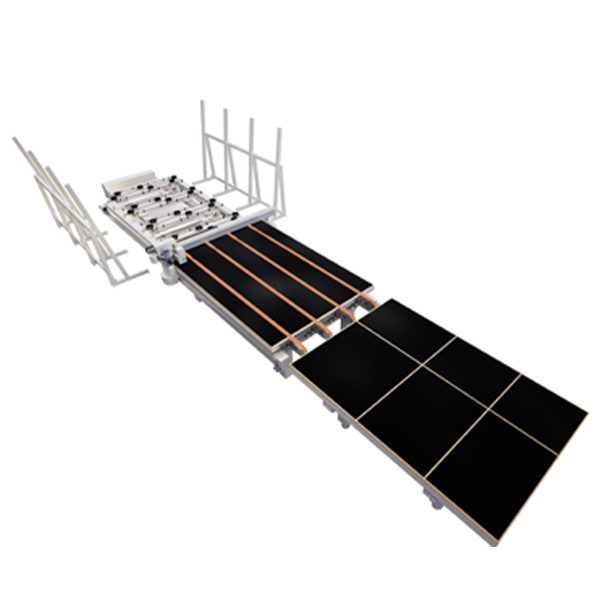
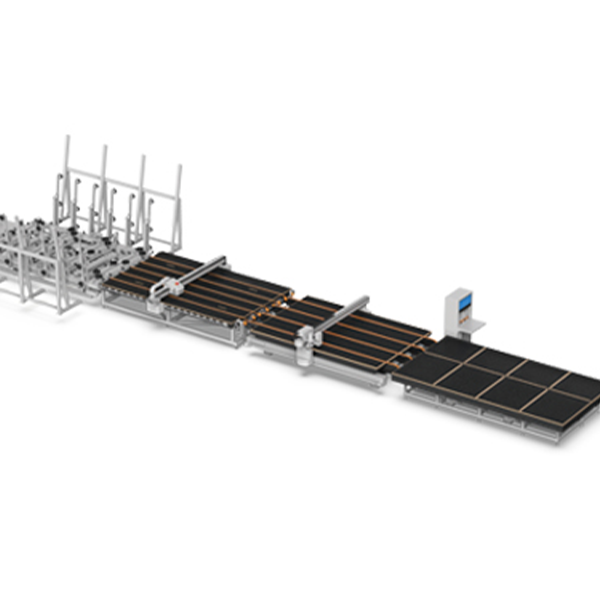
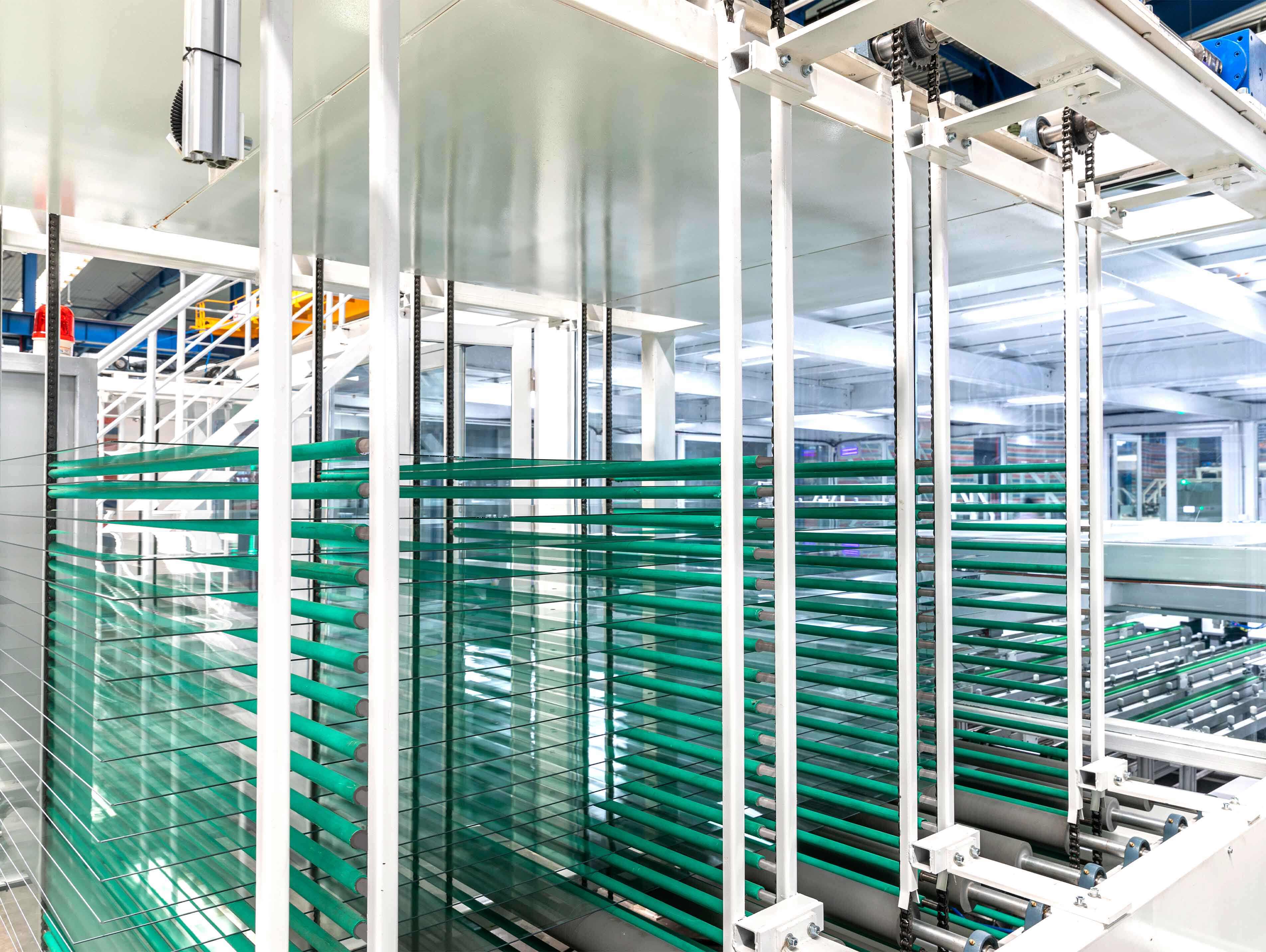
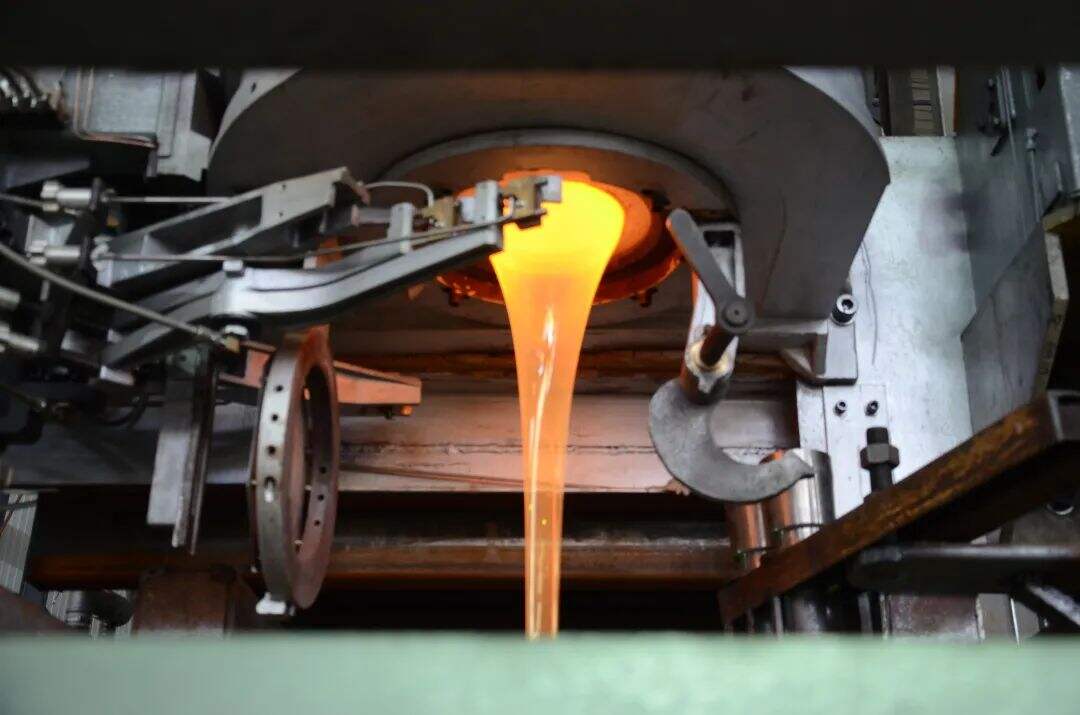
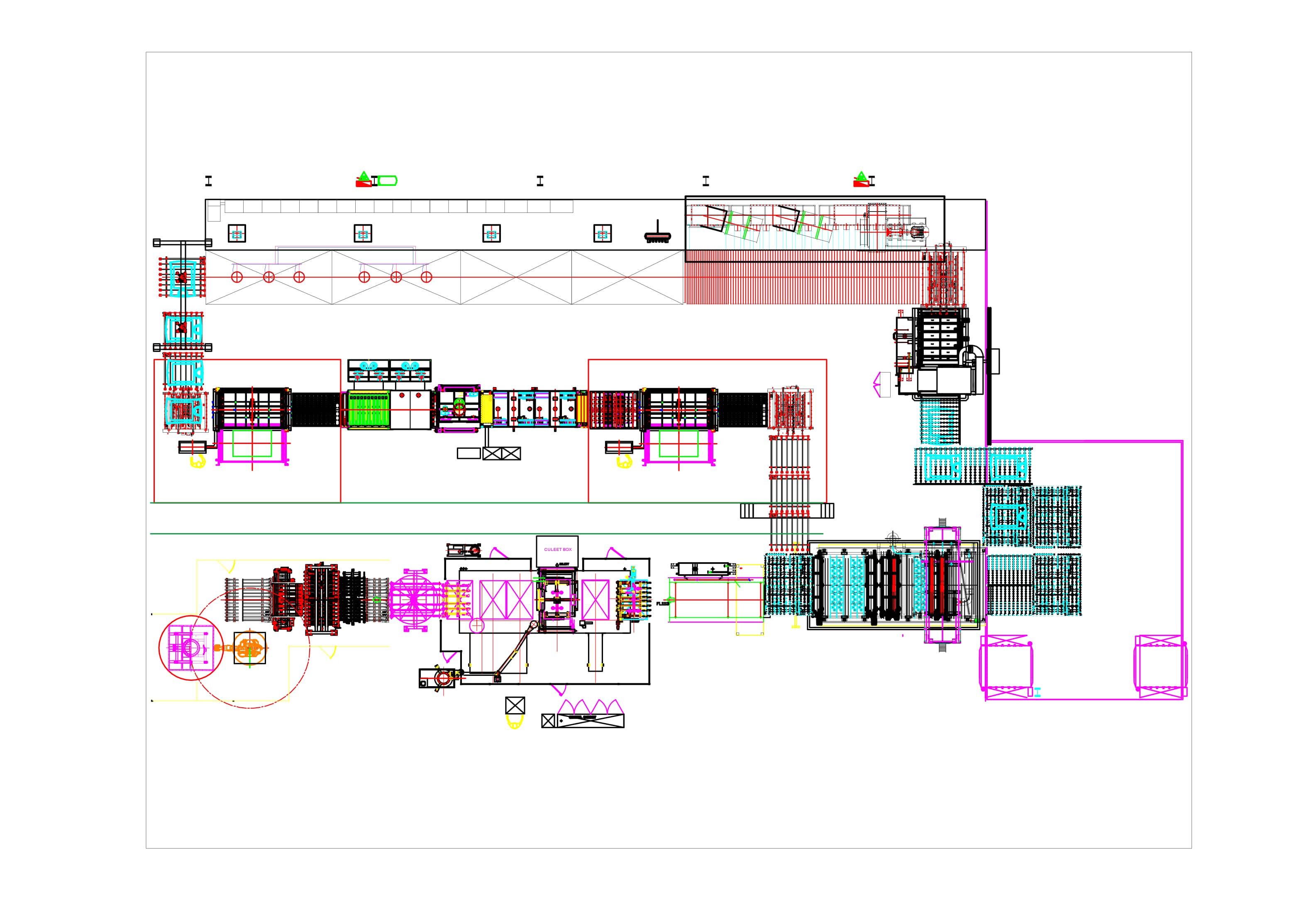
Auto glass cutting represents a critical manufacturing process that shapes and prepares glass panels for vehicle installation with exceptional precision and efficiency. This specialized technology combines advanced machinery, computer-controlled systems, and refined techniques to transform large glass sheets into perfectly fitted windshields, side windows, rear windows, and sunroof panels. Modern auto glass cutting systems utilize state-of-the-art equipment including CNC cutting tables, waterjet cutters, laser cutting machines, and diamond-tipped tools to achieve accurate dimensions and smooth edges. The main functions of auto glass cutting encompass pattern recognition, automated cutting path optimization, edge grinding, hole drilling for mounting hardware, and quality inspection. These systems can process various glass types including laminated glass for windshields, tempered glass for side and rear windows, and specialized acoustic or solar control glass. Technological features include digital template storage, real-time monitoring sensors, automatic tool adjustment, waste minimization algorithms, and integration with vehicle design databases. The cutting process begins with loading raw glass sheets onto the cutting table, followed by computer-guided scoring or cutting along predetermined paths, then breaking or separating the glass pieces, and finally finishing the edges to eliminate sharp surfaces and ensure proper fit. Auto glass cutting finds applications across automotive manufacturing plants, aftermarket glass replacement facilities, specialty vehicle customization shops, and heavy equipment glass production. The technology serves passenger vehicles, commercial trucks, buses, construction equipment, agricultural machinery, and recreational vehicles. Quality control measures throughout the cutting process ensure each piece meets strict safety standards and dimensional tolerances required for proper installation and occupant protection. The integration of auto glass cutting systems with broader manufacturing workflows enables just-in-time production, reduces inventory costs, and supports customization for different vehicle models and regional specifications.
 EN
EN
 AR
AR
 BG
BG
 HR
HR
 CS
CS
 DA
DA
 NL
NL
 FI
FI
 FR
FR
 DE
DE
 EL
EL
 HI
HI
 IT
IT
 JA
JA
 KO
KO
 PL
PL
 PT
PT
 RO
RO
 RU
RU
 ES
ES
 SV
SV
 TL
TL
 IW
IW
 LV
LV
 LT
LT
 SK
SK
 SL
SL
 UK
UK
 VI
VI
 ET
ET
 HU
HU
 MT
MT
 TH
TH
 TR
TR
 FA
FA
 MS
MS
 SW
SW
 GA
GA
 AZ
AZ