Glass Laminate Sheet: Safety, Acoustic Comfort & UV Protection Solutions

All Categories

Get a Free Quote

Our representative will contact you soon.
Email
Name
Company Name
Message
0/1000

glass laminate sheet

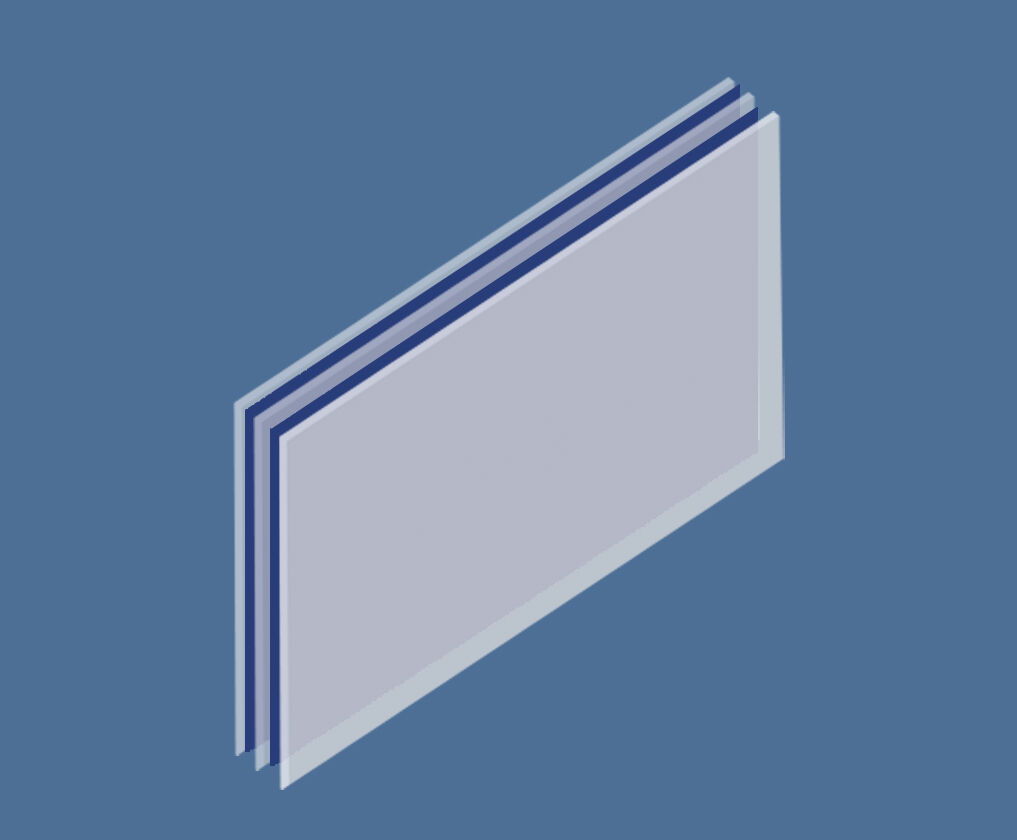
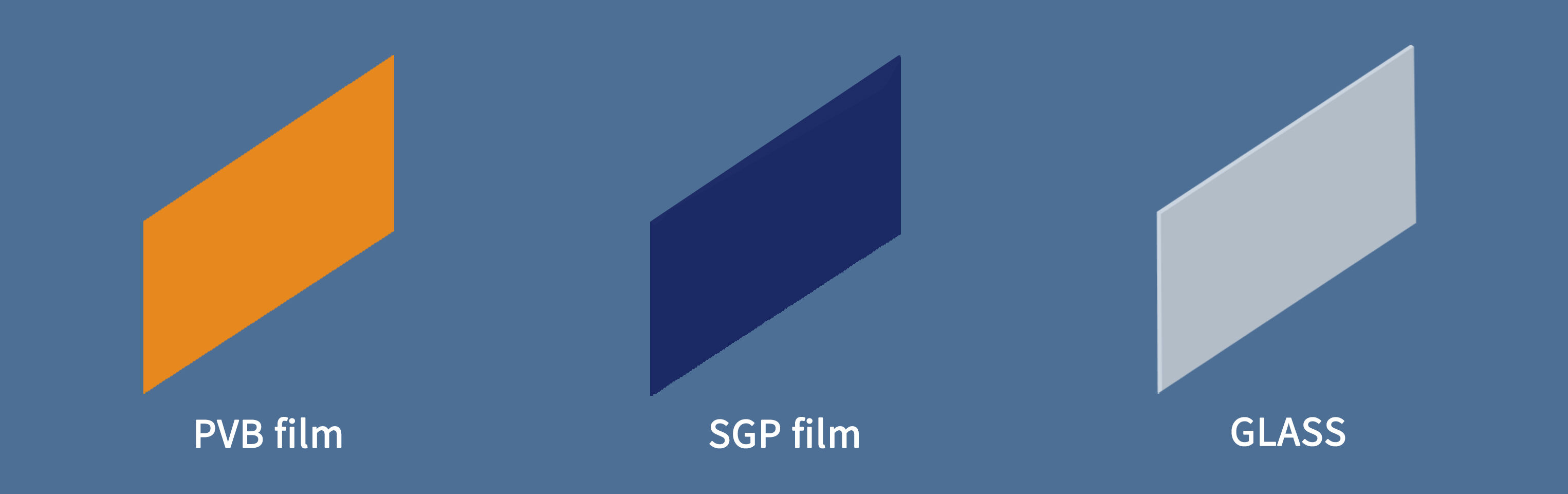
Glass laminate sheet represents a sophisticated architectural and design material that combines multiple layers of glass with interlayer materials through a specialized bonding process. This composite structure creates a product that delivers exceptional performance characteristics across residential, commercial, and industrial applications. The fundamental construction involves two or more glass panels bonded together with polymer interlayers, typically polyvinyl butyral or ethylene-vinyl acetate, under heat and pressure. This manufacturing approach produces a unified sheet that maintains optical clarity while dramatically enhancing safety and structural properties. The main functions of glass laminate sheet include providing superior impact resistance, sound dampening capabilities, UV protection, and security enhancement. When subjected to forceful impact, the interlayer holds glass fragments in place, preventing dangerous shards from scattering and causing injury. This safety feature makes it indispensable for applications where human safety is paramount. Technologically, the glass laminate sheet incorporates advanced polymer chemistry and precision manufacturing techniques. The interlayer materials are engineered to remain flexible yet strong, absorbing impact energy and maintaining adhesion to glass surfaces even after breakage. Modern production facilities employ autoclave processing or vacuum bag methods to ensure complete bonding without air bubbles or imperfections. Temperature and pressure controls during manufacturing are critical to achieving optimal clarity and adhesion strength. Applications for glass laminate sheet span numerous industries and environments. Architects specify this material for building facades, skylights, and partition walls where safety codes mandate impact-resistant glazing. Automotive manufacturers use it for windshields and windows, where it protects occupants during collisions. Retail establishments install glass laminate sheet in storefront windows to deter break-ins while maintaining product visibility. Museums and galleries rely on it to protect valuable artworks and artifacts from theft and environmental damage. The versatility of glass laminate sheet extends to specialty applications including aquarium viewing panels, aircraft windows, and hurricane-resistant glazing systems. Its ability to be customized with different glass thicknesses, interlayer types, and surface treatments allows designers to tailor performance characteristics to specific project requirements.

Popular Products

Choosing glass laminate sheet for your project delivers multiple practical benefits that directly impact safety, comfort, and long-term value. The primary advantage centers on enhanced personal protection. Unlike standard glass that shatters into dangerous shards, this laminated construction holds broken pieces together, significantly reducing injury risk during accidents or attempted break-ins. Families with children appreciate this safety feature in home applications, while business owners value the liability protection it provides. This protective quality extends beyond accidental impacts to include deliberate attacks, making it an effective deterrent against vandalism and forced entry attempts. The sound reduction capabilities of glass laminate sheet create quieter, more comfortable indoor environments. The polymer interlayer acts as a dampening membrane that absorbs sound vibrations, reducing noise transmission from busy streets, airports, or industrial areas. Homeowners near highways notice immediate improvements in peace and tranquility, while office workers experience better concentration and productivity in spaces shielded from external noise pollution. This acoustic performance proves particularly valuable in educational facilities, healthcare settings, and residential buildings where undisturbed rest and focus are essential. Protection from harmful ultraviolet radiation represents another significant advantage. The interlayer material blocks up to 99 percent of UV rays that cause fading and deterioration of furniture, flooring, artwork, and textiles. This preservation benefit extends the lifespan of valuable interior furnishings, reducing replacement costs and maintaining aesthetic appeal over many years. Retail stores protect merchandise from sun damage, while homeowners preserve cherished possessions without sacrificing natural light. Security enhancement provides peace of mind for property owners concerned about theft and intrusion. The tough interlayer construction resists penetration even after repeated impacts, buying valuable time during break-in attempts and often discouraging criminals entirely. Banks, jewelry stores, and high-value retail establishments rely on this security feature as part of comprehensive protection strategies. Residential applications in high-crime areas offer families additional safety layers without the fortress-like appearance of bars or shutters. The durability and low maintenance requirements of glass laminate sheet deliver excellent long-term value. The bonded construction resists delamination and discoloration when properly manufactured and installed, maintaining clarity and performance for decades. Cleaning requires only standard glass cleaning methods, without special treatments or protective coatings. This simplicity reduces ongoing maintenance costs while ensuring consistent appearance and functionality. Energy efficiency improvements complement these advantages, as certain interlayer types can enhance thermal insulation properties, potentially reducing heating and cooling expenses throughout the building lifecycle.

Tips And Tricks

What Types of Coatings Are Applied in a Glass Coating Line?

24

Sep

What Types of Coatings Are Applied in a Glass Coating Line?

Understanding Modern Glass Coating Technologies Glass coating technology has revolutionized the way we enhance and protect glass surfaces across various industries. From architectural applications to automotive windshields, the glass coating line pro...
View More
How Does a Glass Sorting System Integrate with Other Glass Lines?

24

Sep

How Does a Glass Sorting System Integrate with Other Glass Lines?

Seamless Integration of Modern Glass Sorting Technologies The integration of a glass sorting system into existing production lines represents a significant advancement in glass manufacturing and recycling operations. These sophisticated systems utili...
View More
What Are the Future Trends in Intelligent Glass Sorting Systems?

24

Sep

What Are the Future Trends in Intelligent Glass Sorting Systems?

The Evolution of Advanced Glass Sorting Technology The landscape of glass recycling and processing is undergoing a remarkable transformation through intelligent glass sorting systems. These sophisticated technologies are revolutionizing how we handle...
View More
Why Is Automated Insulating Glass Production Increasing in Large Factories?

19

Dec

Why Is Automated Insulating Glass Production Increasing in Large Factories?

The construction and manufacturing industries are experiencing a significant shift toward automation, with automated insulating glass production leading this transformation in large-scale factories. This evolution represents more than just technologi...
View More

Get a Free Quote

Our representative will contact you soon.
Email
Name
Company Name
Message
0/1000

glass laminate sheet

Uncompromising Safety Protection Through Advanced Layered Construction

Uncompromising Safety Protection Through Advanced Layered Construction

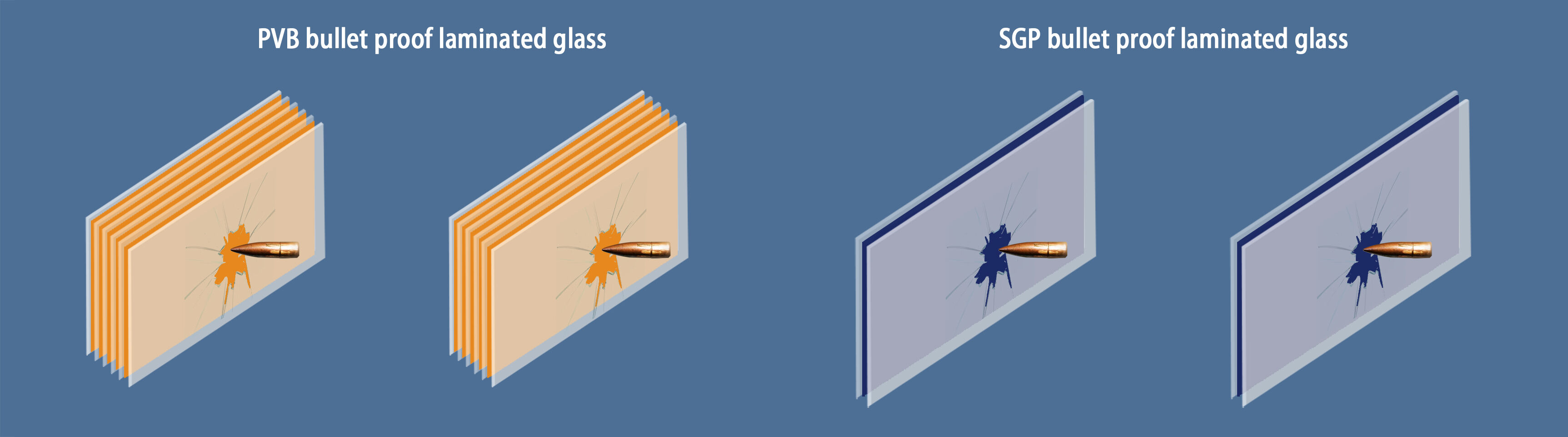
The safety characteristics of glass laminate sheet stem from its sophisticated multi-layer design that fundamentally changes how glass responds to impact forces. Traditional glass fails catastrophically when struck, sending sharp fragments flying in all directions and creating severe injury hazards. The laminated construction addresses this danger through a polymer interlayer that maintains structural integrity even after the glass breaks. When impact occurs, the outer glass layer may crack, but the flexible interlayer catches and holds fragments in place, maintaining a protective barrier. This containment prevents dangerous projectiles from entering spaces or falling onto people below, dramatically reducing injury severity during accidents, natural disasters, or security events. The engineering behind this safety feature involves careful selection of interlayer materials with specific mechanical properties. Polyvinyl butyral and ethylene-vinyl acetate polymers possess the ideal combination of flexibility, adhesion strength, and toughness to absorb impact energy while maintaining bonds with glass surfaces. During manufacturing, these interlayers are precisely positioned between glass panels and subjected to controlled heat and pressure cycles that create molecular-level bonds. The resulting laminate behaves as a single unit under normal conditions but provides a safety net when forces exceed the glass breaking point. Real-world applications demonstrate the life-saving potential of this technology. Automotive windshields manufactured with glass laminate sheet protect vehicle occupants during collisions by preventing ejection through the windscreen and keeping the structural opening intact for airbag deployment. Hurricane-prone regions specify this material for residential and commercial buildings, where wind-borne debris poses serious threats during severe weather events. The glass may crack under impact, but the laminate remains in the frame, maintaining building envelope integrity and preventing wind and water intrusion that could cause catastrophic structural damage. Schools and public buildings benefit enormously from this safety enhancement, as administrators fulfill duty-of-care obligations by installing materials that protect occupants from accidents and potential threats. The psychological benefits extend beyond physical protection, as building occupants feel more secure knowing that glazing systems incorporate multiple safety layers. The glass laminate sheet offers graduated response to different threat levels, with thicker laminates and multiple interlayers providing escalating protection for high-security applications like embassies, courthouses, and financial institutions.
Superior Acoustic Comfort Creating Peaceful Indoor Environments

Superior Acoustic Comfort Creating Peaceful Indoor Environments

The sound dampening properties of glass laminate sheet transform living and working spaces by dramatically reducing unwanted noise intrusion from external sources. Modern urban environments subject building occupants to constant acoustic assault from traffic, construction, aircraft, and industrial activities. This persistent noise pollution degrades quality of life, interferes with concentration and communication, disrupts sleep patterns, and even contributes to stress-related health problems. The glass laminate sheet addresses these challenges through its unique construction that interrupts sound wave transmission in ways that standard glazing cannot achieve. The acoustic performance advantage originates from the polymer interlayer positioned between glass panels. Sound travels as vibrations that pass through solid materials, but the interlayer acts as a dampening membrane that absorbs vibrational energy rather than transmitting it efficiently. This interruption in the transmission path reduces the sound intensity that reaches interior spaces. The effectiveness depends on interlayer thickness, material composition, and the overall laminate configuration. Specialized acoustic interlayers engineered specifically for sound control deliver even better performance, achieving substantial noise reductions measured in decibels. Practical applications reveal the transformative impact on daily comfort and functionality. Residential properties near airports or busy highways become livable spaces where families can enjoy conversations, entertainment, and restful sleep without constant background noise. Homeowners report dramatic quality-of-life improvements after replacing standard windows with glass laminate sheet installations. Commercial office environments benefit similarly, as employees concentrate more effectively when shielded from street noise and adjacent business activities. Meeting rooms and conference spaces equipped with laminated glass partitions maintain confidentiality while preserving visual openness and natural light transmission. Healthcare facilities represent particularly critical applications where acoustic comfort directly affects patient recovery and staff effectiveness. Hospital rooms with glass laminate sheet windows and partitions create healing environments free from disruptive external noise, helping patients rest and recover more quickly. Medical professionals communicate more clearly with patients and colleagues, reducing errors and improving care quality. Educational institutions see measurable improvements in student learning outcomes when classrooms incorporate effective sound control through laminated glazing systems. Teachers deliver instruction more effectively, and students absorb information without competing against traffic noise or playground activities from adjacent areas. The acoustic benefits extend to entertainment venues, recording studios, and performance spaces where sound quality control is paramount. Glass laminate sheet allows natural light and visual connections while maintaining acoustic separation between spaces with different sound requirements.
Long-Term Value Through Durability and UV Protection Benefits

Long-Term Value Through Durability and UV Protection Benefits

The investment value of glass laminate sheet extends far beyond initial installation through exceptional durability characteristics and protective qualities that preserve building interiors and furnishings for decades. Property owners face constant pressure to maintain and replace deteriorating materials, but laminated glazing systems resist common failure modes that plague standard glass installations. The bonded construction creates a unified panel that distributes stress more evenly across the surface, reducing the likelihood of stress cracks from thermal expansion, structural movement, or minor impacts. This structural resilience translates to longer service life and fewer replacement cycles, delivering superior return on investment compared to conventional glazing options. Maintenance requirements remain minimal throughout the product lifespan, as the laminate construction resists delamination, discoloration, and optical degradation when properly manufactured according to industry standards. The glass surfaces accept standard cleaning products and methods without special treatments or protective coatings that add ongoing expense and complication. Property managers appreciate this simplicity, as maintenance staff can service laminated windows and partitions using existing procedures and supplies. The absence of special requirements reduces training needs and eliminates the risk of damage from inappropriate cleaning methods. The ultraviolet protection capability of glass laminate sheet delivers substantial economic benefits by preventing costly fading and deterioration of interior elements. Sunlight streaming through standard windows carries high-energy UV radiation that breaks down chemical bonds in fabrics, finishes, and materials, causing irreversible color changes and structural weakening. Furniture upholstery fades unevenly, requiring expensive reupholstering or replacement. Hardwood flooring develops unsightly light patches where sun exposure is concentrated. Artwork and photographs lose vibrancy and historical value as pigments degrade under UV bombardment. Retail merchandise becomes unsaleable when packaging and products fade on display. The glass laminate sheet blocks up to 99 percent of these harmful rays while maintaining visible light transmission, allowing natural illumination without the associated damage. The financial implications become substantial when calculated over decades of building operation. Museums and galleries protect irreplaceable collections worth millions while maintaining public viewing access. Homeowners preserve family heirlooms and cherished possessions that hold sentimental value beyond replacement cost. Commercial spaces maintain fresh, appealing appearances that attract customers and support brand image without constant refreshment of faded interiors. The combination of UV protection, structural durability, and low maintenance creates a compelling economic case for specifying glass laminate sheet in both new construction and retrofit applications. Initial material costs are offset by extended service life, reduced replacement frequency, and preservation of interior investments. Energy performance enhancements available with certain interlayer formulations further improve the value proposition by reducing heating and cooling expenses throughout the building lifecycle, making glass laminate sheet a financially sound choice for budget-conscious property owners seeking long-term performance and protection.