cheapest waterjet cutter
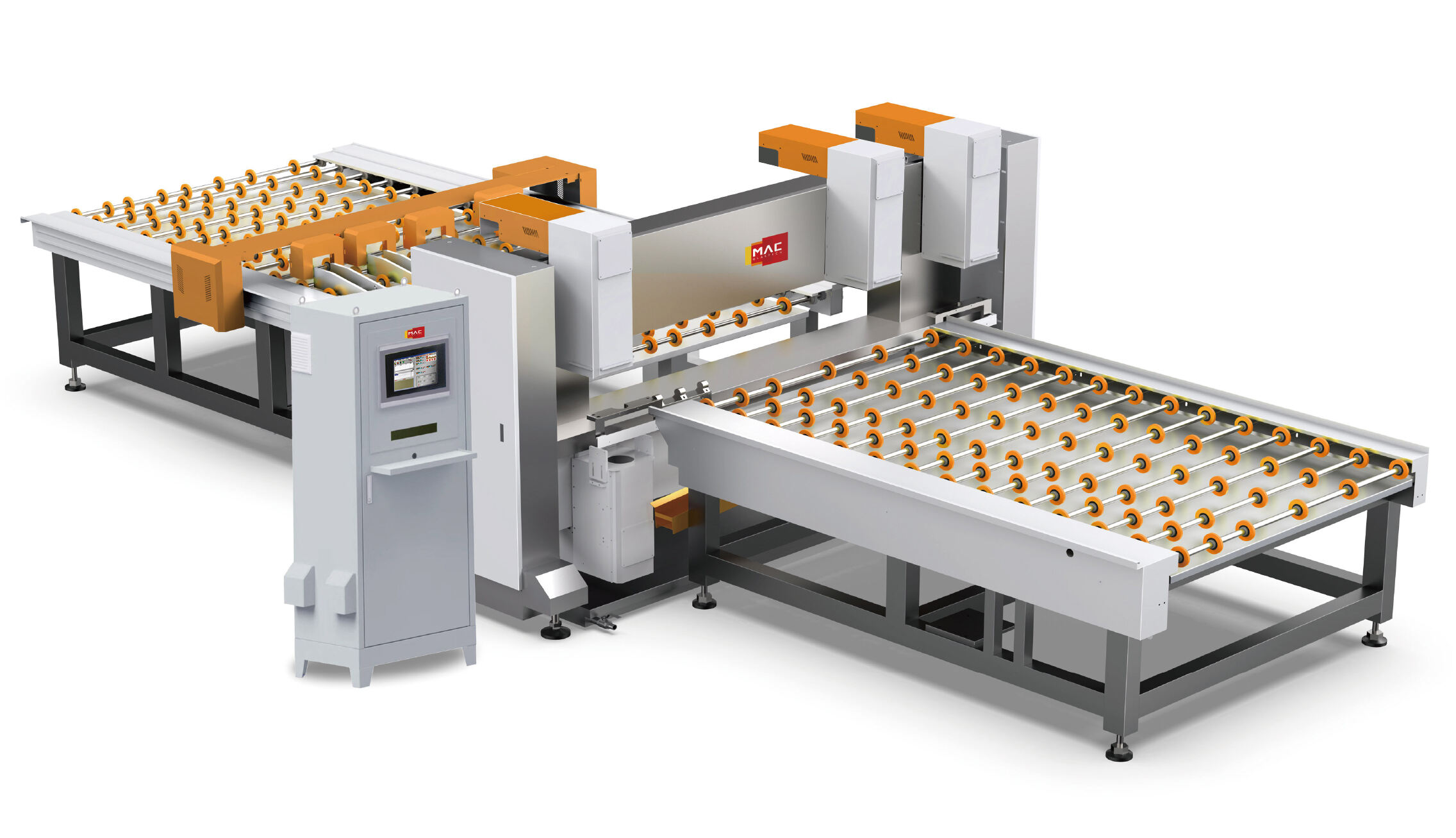
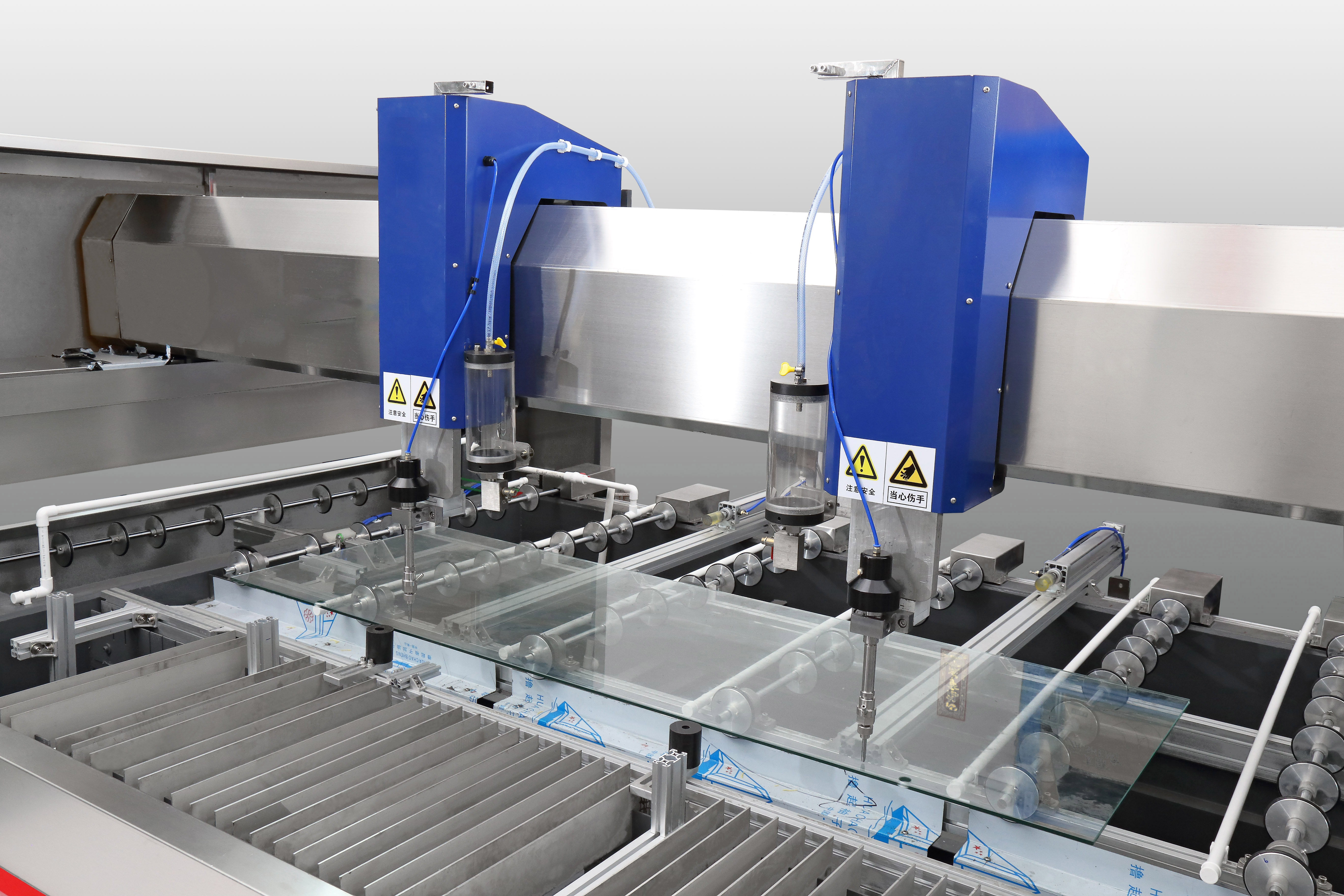
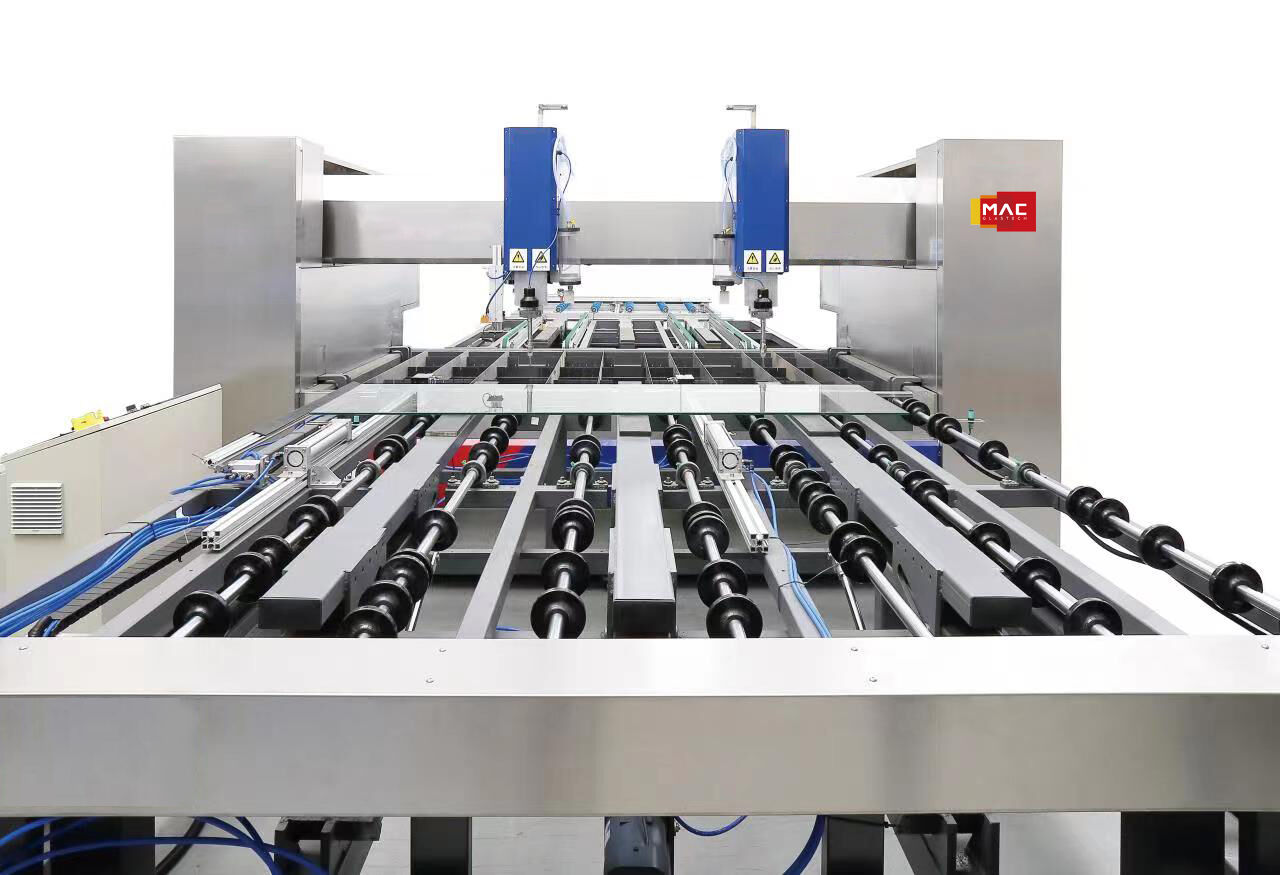
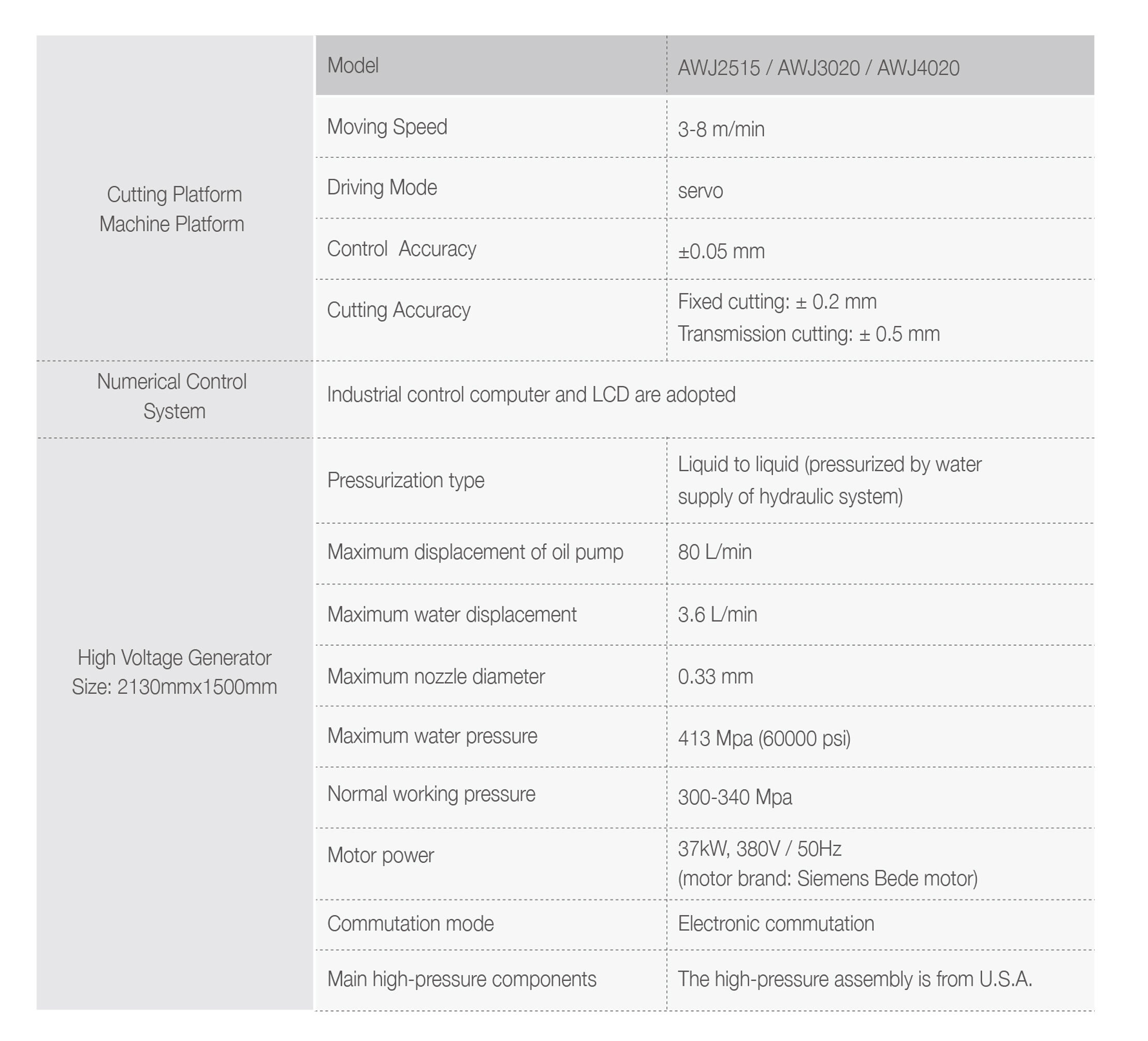
The cheapest waterjet cutter represents an innovative cutting solution that brings industrial-grade precision to businesses with limited budgets. This affordable machinery utilizes high-pressure water streams, often mixed with abrasive particles, to cut through various materials with remarkable accuracy. Unlike traditional cutting methods, the cheapest waterjet cutter operates without generating heat, which prevents material distortion and maintains the integrity of the workpiece. The main functions include precision cutting, edge finishing, and material separation across diverse substrates. Technologically, these budget-friendly units typically feature pressure systems ranging from 30,000 to 60,000 PSI, computer numerical control interfaces for programming cut paths, and adjustable cutting heads that accommodate different material thicknesses. The CNC integration allows operators to input designs directly from CAD software, ensuring repeatability and consistency in production runs. Applications span numerous industries, from small manufacturing shops producing metal components to artistic studios creating intricate glass designs. Fabrication workshops use the cheapest waterjet cutter for prototyping, sign makers rely on it for detailed lettering, and automotive repair facilities employ it for custom gasket creation. The versatility of this equipment extends to cutting materials such as metals, stone, glass, composites, rubber, foam, and even food products. The cheapest waterjet cutter serves educational institutions teaching manufacturing processes, enabling students to gain hands-on experience with professional cutting technology. Small business owners find these machines particularly valuable because they eliminate the need for multiple specialized cutting tools, consolidating various operations into one efficient system. The environmental benefits are notable, as waterjet cutting produces minimal waste and does not release harmful fumes or require hazardous chemicals. These economical machines typically include safety features such as enclosed cutting areas, emergency stop functions, and water containment systems to protect operators while maintaining workplace cleanliness.
 EN
EN
 AR
AR
 BG
BG
 HR
HR
 CS
CS
 DA
DA
 NL
NL
 FI
FI
 FR
FR
 DE
DE
 EL
EL
 HI
HI
 IT
IT
 JA
JA
 KO
KO
 PL
PL
 PT
PT
 RO
RO
 RU
RU
 ES
ES
 SV
SV
 TL
TL
 IW
IW
 LV
LV
 LT
LT
 SK
SK
 SL
SL
 UK
UK
 VI
VI
 ET
ET
 HU
HU
 MT
MT
 TH
TH
 TR
TR
 FA
FA
 MS
MS
 SW
SW
 GA
GA
 AZ
AZ