Colored Laminated Glass: Superior Safety, Energy Efficiency and Design Solutions

All Categories

Get a Free Quote

Our representative will contact you soon.
Email
Name
Company Name
Message
0/1000

colored laminated glass

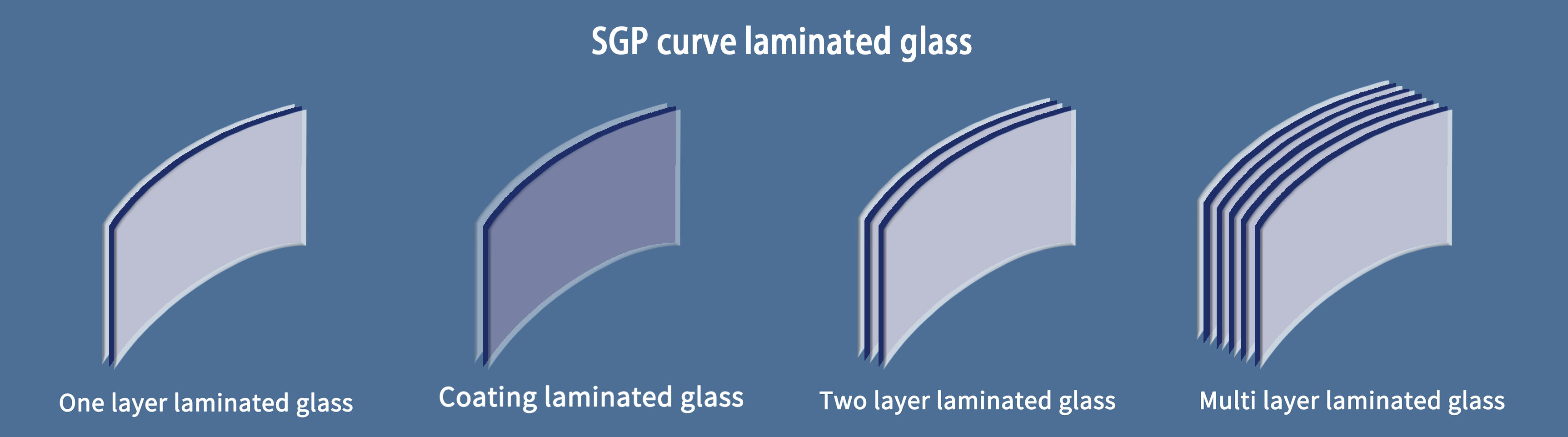
Colored laminated glass represents a sophisticated architectural material that combines aesthetic appeal with exceptional safety performance. This innovative product consists of multiple glass layers bonded together with colored interlayer films, typically made from polyvinyl butyral or ethylene-vinyl acetate materials. The manufacturing process involves applying heat and pressure to fuse the glass sheets with the colored film permanently, creating a durable composite structure that maintains its integrity even when broken. The primary functions of colored laminated glass include providing enhanced security, controlling solar radiation, reducing noise transmission, and offering endless design possibilities through its wide spectrum of available colors. From a technological standpoint, the material demonstrates superior adhesion between layers, ensuring that glass fragments remain attached to the interlayer upon impact, significantly reducing injury risks. The colored interlayer not only adds visual appeal but also serves functional purposes by filtering specific light wavelengths and managing thermal energy transfer. Modern production techniques enable manufacturers to create colored laminated glass in various thicknesses, dimensions, and color combinations, making it adaptable to diverse architectural requirements. Applications span residential, commercial, and institutional buildings where both safety and aesthetics matter. Common uses include facades, skylights, balustrades, partitions, canopies, and decorative installations. The automotive industry also extensively employs colored laminated glass for windshields and windows, benefiting from its shatter-resistant properties. In retail environments, colored laminated glass creates striking displays while protecting valuable merchandise. Museums and galleries utilize this material to safeguard priceless artifacts while maintaining visual clarity. The construction sector increasingly specifies colored laminated glass for hurricane-resistant installations, security barriers, and sound-dampening applications in urban developments. Healthcare facilities appreciate its hygienic properties and ability to create calming environments through thoughtful color selection, while educational institutions value the safety features that protect students in high-traffic areas.

New Product Recommendations

Choosing colored laminated glass delivers substantial benefits that directly impact your project's success and long-term performance. Safety stands as the foremost advantage, as the material holds together when shattered, preventing dangerous shards from scattering and causing injuries. This protective characteristic makes colored laminated glass ideal for overhead installations, ground-level applications, and any location where human safety is paramount. Parents appreciate this feature in homes, while building managers value it for reducing liability concerns in public spaces. The security enhancement cannot be overstated, as the tough interlayer resists penetration attempts, deterring burglaries and vandalism. Would-be intruders find it extremely difficult to break through colored laminated glass quickly, giving security systems time to alert authorities and building occupants to respond appropriately. Energy efficiency represents another practical benefit that affects your operating costs directly. The colored interlayer filters solar radiation effectively, reducing heat gain during summer months and lowering air conditioning expenses substantially. Your building stays cooler naturally, creating comfortable interior environments while decreasing energy consumption and utility bills. During winter, certain colored laminated glass configurations help retain warmth inside, contributing to year-round energy savings that accumulate significantly over time. Noise reduction capabilities make colored laminated glass especially valuable in urban settings where traffic sounds, construction activity, and general commotion disrupt peace and productivity. The laminated structure dampens sound waves effectively, creating quieter indoor spaces where concentration improves, sleep quality increases, and overall quality of life enhances noticeably. Office workers experience fewer distractions, hotel guests enjoy restful stays, and residential occupants find sanctuary from external disturbances. Design flexibility empowers architects and designers to realize creative visions without compromising functionality. The extensive color palette available enables perfect matching with brand identities, interior schemes, and architectural themes. You can select subtle tints for understated elegance or bold hues for dramatic statements that capture attention and define spaces memorably. Maintenance requirements remain minimal, as colored laminated glass resists scratches, discoloration, and degradation better than many alternative materials. Standard cleaning procedures suffice to maintain pristine appearance, eliminating needs for special treatments or frequent replacements. The material proves cost-effective over its lifecycle, as durability and longevity offset initial investment through reduced maintenance, energy savings, and extended service life that can span decades without performance deterioration.

Practical Tips

What Are the Benefits of Using an Automated Glass Sorting System?

24

Sep

What Are the Benefits of Using an Automated Glass Sorting System?

Revolutionizing Glass Recycling Through Advanced Automation The glass recycling industry is undergoing a remarkable transformation with the integration of automated glass sorting systems. These sophisticated technologies are reshaping how recycling f...
View More
How Does a Glass Sorting System Integrate with Other Glass Lines?

24

Sep

How Does a Glass Sorting System Integrate with Other Glass Lines?

Seamless Integration of Modern Glass Sorting Technologies The integration of a glass sorting system into existing production lines represents a significant advancement in glass manufacturing and recycling operations. These sophisticated systems utili...
View More
How to Optimize Production Settings in a Hub Glass Furnace?

24

Nov

How to Optimize Production Settings in a Hub Glass Furnace?

Glass manufacturing represents one of the most energy-intensive industrial processes, requiring precise control of temperature, atmosphere, and raw material flow to achieve optimal production efficiency. Modern hub glass furnace systems have evolved ...
View More
Why Are CNC Grinding Machines Preferred in Modern Production Lines?

19

Dec

Why Are CNC Grinding Machines Preferred in Modern Production Lines?

Modern manufacturing has undergone a revolutionary transformation with the integration of advanced grinding technologies. Among these innovations, specialized grinding equipment has become indispensable for achieving precision results in various indu...
View More

Get a Free Quote

Our representative will contact you soon.
Email
Name
Company Name
Message
0/1000

colored laminated glass

Superior Safety Performance and Impact Resistance

Superior Safety Performance and Impact Resistance

The safety characteristics of colored laminated glass provide unmatched protection that addresses critical concerns for building owners, facility managers, and homeowners alike. When subjected to forceful impacts, whether from accidents, extreme weather events, or intentional damage attempts, colored laminated glass behaves fundamentally differently than ordinary glass products. The bonding interlayer creates a resilient barrier that captures glass fragments, preventing the catastrophic failures associated with standard glazing materials. This retention mechanism functions reliably even under severe stress conditions, maintaining a protective barrier that continues shielding occupants from external threats. Consider hurricane-prone regions where wind-borne debris transforms into dangerous projectiles during storms. Colored laminated glass withstands these impacts admirably, often remaining partially intact even when penetrated, thereby preventing wind and water intrusion that would otherwise cause extensive interior damage. Insurance companies recognize this protective value, frequently offering premium reductions for properties equipped with laminated glazing systems. The material also excels in seismic applications where structural movements during earthquakes could otherwise cause glass to fall catastrophically from frames. The flexible interlayer accommodates building shifts while maintaining glazing integrity, protecting evacuation routes and reducing injury risks during critical emergency situations. Schools and daycare centers particularly benefit from colored laminated glass installation, as active children inevitably encounter windows during play and movement through facilities. The forgiving nature of laminated products prevents serious cuts and injuries that might result from accidental collisions, creating safer environments where supervisors worry less about preventable accidents. Retail establishments appreciate how colored laminated glass protects against smash-and-grab robberies, as thieves cannot quickly breach display windows to access merchandise. The delay factor proves crucial, often causing criminals to abandon attempts and seek easier targets elsewhere. This deterrent effect extends to vandalism prevention, as graffiti artists and malicious actors find colored laminated glass resistant to their tools and techniques. Sports facilities, recreational centers, and gymnasiums install colored laminated glass to withstand impacts from balls, equipment, and energetic activities without constant replacement needs. The material absorbs shocks that would shatter conventional glass, maintaining transparency and functionality through years of demanding use.
Advanced Solar Control and Energy Management

Advanced Solar Control and Energy Management

Colored laminated glass delivers sophisticated solar control capabilities that translate directly into environmental comfort and financial savings for building occupants. The colored interlayer functions as a selective filter, allowing beneficial natural light transmission while blocking harmful ultraviolet radiation and managing infrared heat transfer with remarkable precision. This balanced approach maintains bright, inviting interior spaces without the excessive heat buildup and glare problems that plague buildings with inadequate glazing specifications. During peak summer conditions, when solar intensity reaches maximum levels, colored laminated glass significantly reduces cooling loads by preventing unwanted thermal gains before they enter occupied spaces. Traditional windows allow solar energy to pass through freely, forcing mechanical cooling systems to work overtime removing heat that should never have entered initially. This reactive approach wastes energy and money continuously throughout cooling seasons. Colored laminated glass takes a proactive stance, intercepting solar radiation at the building envelope where intervention proves most efficient and effective. The resulting temperature moderation creates more stable interior climates with fewer hot spots near windows and reduced temperature gradients across rooms. Occupants experience enhanced comfort levels that improve productivity in commercial settings and satisfaction in residential applications. Furniture, flooring, artwork, and textiles benefit enormously from the ultraviolet protection inherent in quality colored laminated glass products. UV radiation causes fading, discoloration, and material degradation that diminishes aesthetic appeal and necessitates premature replacement of valuable furnishings. By filtering these damaging wavelengths effectively, colored laminated glass preserves interior investments, extending their useful life substantially and maintaining visual appeal for years beyond what unprotected installations achieve. Museum curators and art collectors particularly value this preservation capability when displaying light-sensitive pieces that represent significant cultural or monetary worth. The energy savings accumulate impressively over building lifetimes, with reduced cooling demands translating to lower electricity consumption month after month, year after year. Building owners often recover the incremental cost of colored laminated glass installation through utility savings within reasonable payback periods, after which continued savings represent pure financial benefit. Environmental considerations also favor colored laminated glass, as reduced energy consumption directly correlates with decreased carbon emissions from power generation. Green building certification programs recognize these benefits, awarding points toward sustainability ratings that enhance property values and marketability in environmentally conscious markets.
Exceptional Acoustic Insulation for Peaceful Environments

Exceptional Acoustic Insulation for Peaceful Environments

The noise reduction properties of colored laminated glass create tranquil interior environments that enhance quality of life, work performance, and overall wellbeing in numerous applications. Modern urban living presents constant acoustic challenges as traffic congestion, commercial activities, entertainment venues, and construction projects generate persistent noise pollution that penetrates conventional building envelopes effortlessly. Colored laminated glass addresses this pervasive problem through its multi-layer construction that disrupts sound wave transmission far more effectively than single-pane or standard insulated glass units. The flexible interlayer material possesses inherent damping characteristics that absorb vibrational energy, preventing it from passing through the glazing assembly and disturbing interior spaces. This acoustic attenuation proves particularly valuable across specific frequency ranges that coincide with common environmental noise sources including vehicle engines, industrial machinery, and human voices. Hotels located near airports, highways, or entertainment districts specify colored laminated glass to ensure guest satisfaction despite challenging acoustic surroundings. Travelers expect restful sleep regardless of external conditions, and property managers understand that negative reviews citing noise problems severely damage reputations and occupancy rates. Installing colored laminated glass demonstrates commitment to guest comfort while solving practical problems that would otherwise require expensive operational interventions or drive customers to quieter competitors. Residential developers increasingly incorporate colored laminated glass into condominiums and apartments where unit values depend partly on acoustic privacy between dwellings and from external sources. Homeowners invest substantial resources acquiring properties and expect peaceful enjoyment without intrusive sounds from neighbors or streets disrupting daily activities and rest periods. Office environments benefit tremendously from the concentration-enhancing qualities that colored laminated glass provides through noise control. Open-plan workspaces, conference rooms, and private offices all function more effectively when acoustic distractions diminish, allowing employees to focus on tasks without constant interruptions from external commotion. Studies consistently demonstrate that workplace productivity increases measurably when acoustic conditions improve, justifying investments in superior glazing materials like colored laminated glass. Healthcare facilities face unique acoustic challenges, as patient recovery depends partly on restful environments free from disturbing noises that elevate stress levels and impede healing processes. Colored laminated glass helps create therapeutic spaces where medical professionals deliver care under optimal conditions and patients experience comfort conducive to positive outcomes. Educational institutions similarly recognize that learning effectiveness suffers when students cannot hear instructors clearly or must compete with external noise pollution. Classrooms equipped with colored laminated glass maintain better acoustic isolation, supporting educational missions through improved environmental quality that facilitates knowledge transfer and skill development.