Float Glass Line Manufacturing Systems - Advanced Production Technology for Quality Flat Glass

All Categories

Get a Free Quote

Our representative will contact you soon.
Email
Name
Company Name
Message
0/1000

float glass line

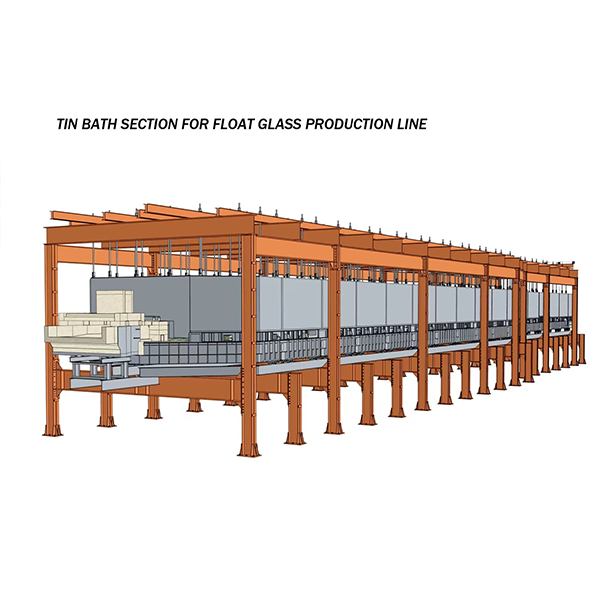
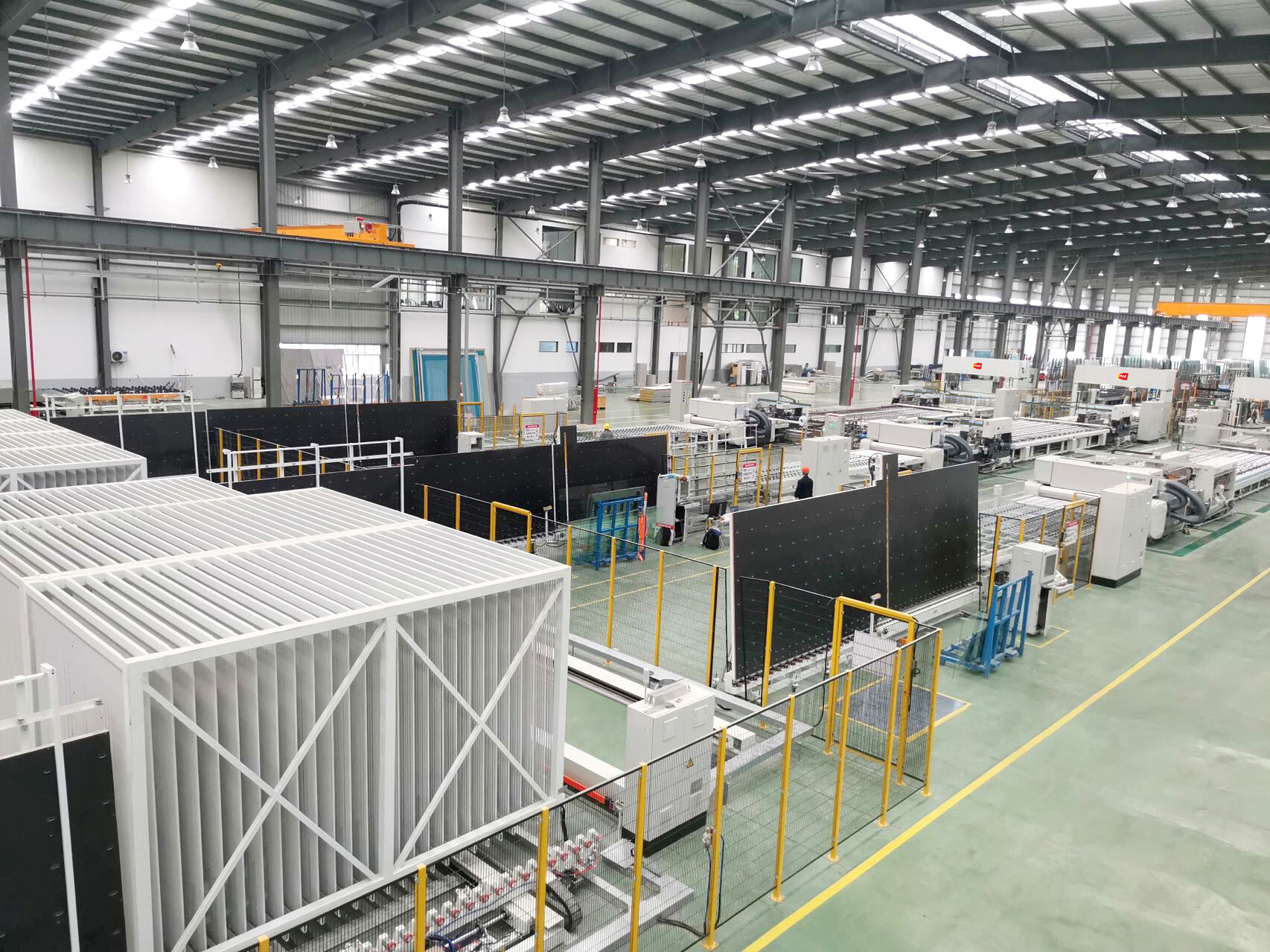
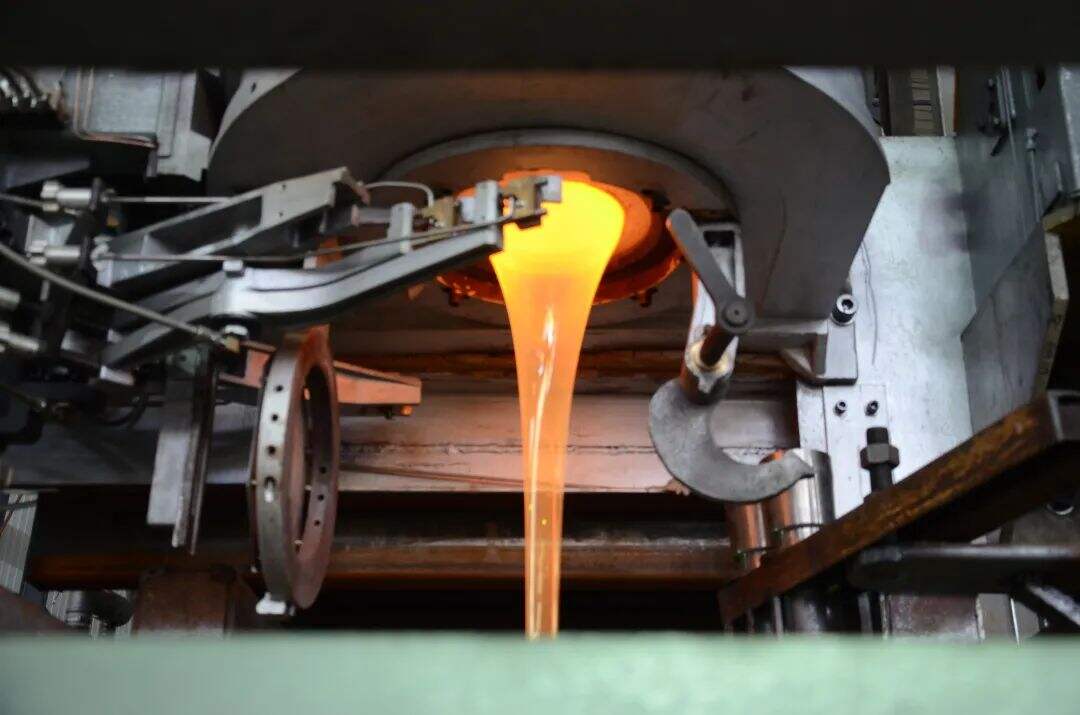
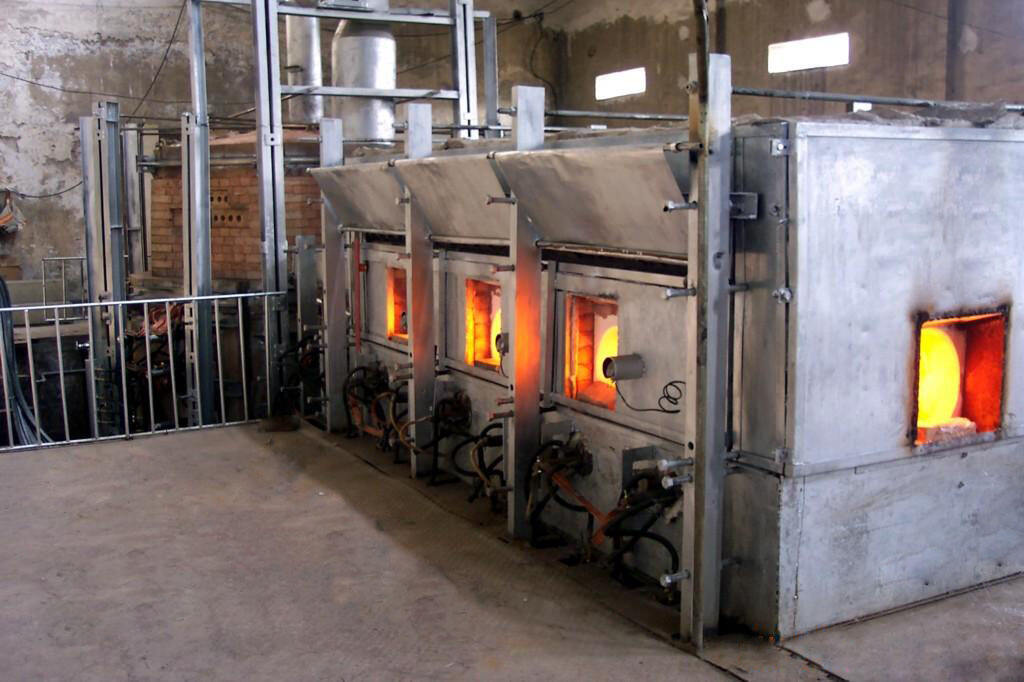
A float glass line represents a sophisticated manufacturing system designed to produce high-quality flat glass through the revolutionary float process. This advanced production facility creates glass sheets by floating molten glass on a bed of molten tin, resulting in perfectly smooth surfaces with uniform thickness. The float glass line stands as the cornerstone of modern architectural and automotive glass production, delivering exceptional clarity and consistency that traditional methods cannot match. The system comprises several integrated stages, including raw material batching, melting furnaces, float bath chambers, annealing lehrs, and cutting sections. Each component works harmoniously to transform raw silica sand, soda ash, limestone, and other materials into pristine glass panels. The main function of a float glass line involves continuous production of flat glass with minimal defects and superior optical qualities. The technological features include precision temperature control systems that maintain optimal heat distribution throughout the melting and forming processes. Advanced automation monitors every parameter, from viscosity levels in the molten tin bath to cooling rates in the annealing section. Modern float glass lines incorporate cutting-edge sensors and computerized control systems that ensure consistent product quality while minimizing energy consumption. The applications of glass produced from these lines span numerous industries, including construction for windows, facades, and interior partitions, automotive manufacturing for windshields and windows, solar energy for photovoltaic panels, furniture design for tabletops and shelving, and electronics for display screens. The versatility of the float glass line enables manufacturers to produce various glass thicknesses ranging from ultra-thin 2mm sheets to robust 25mm panels, accommodating diverse market demands. Additionally, the glass produced serves as the substrate for further processing such as tempering, laminating, coating, and insulating glass unit assembly, making the float glass line an essential foundation for the entire glass processing industry.

New Product Recommendations

Investing in a float glass line brings remarkable benefits that directly impact your production capabilities and bottom line. First and foremost, this manufacturing system delivers unmatched quality consistency, producing glass with both surfaces perfectly flat and parallel without the waves or distortions common in older production methods. Your customers receive products with superior optical clarity, which translates to enhanced satisfaction and repeat business. The continuous production nature of the system means you can operate around the clock, maximizing output and meeting large-scale demands efficiently. This operational advantage allows you to fulfill substantial orders promptly, giving you a competitive edge in fast-paced markets. Energy efficiency represents another significant benefit, as modern systems incorporate heat recovery technologies that capture and reuse thermal energy from various stages, substantially reducing fuel costs and environmental impact. The automated control systems minimize human error and reduce labor requirements, lowering operational expenses while maintaining consistent quality standards. You gain flexibility in production, as the line can be adjusted to manufacture different glass thicknesses without extensive downtime or equipment changes. This adaptability enables you to respond quickly to changing market demands and customer specifications. The economies of scale achieved through high-volume production lower your per-unit manufacturing costs, improving profit margins and allowing competitive pricing strategies. Material waste reduction is another practical advantage, as the precision of the float process minimizes defects and off-specification products, ensuring that raw materials convert efficiently into saleable glass. The durability and reliability of modern float glass lines mean fewer breakdowns and maintenance interruptions, keeping your production schedule on track. Your facility benefits from standardized output that meets international quality standards, opening doors to global markets and premium pricing opportunities. The environmental considerations are increasingly important, and modern systems incorporate emission control technologies that help you comply with stringent environmental regulations while demonstrating corporate responsibility. The long-term return on investment proves compelling, as the high production capacity and quality output generate substantial revenue streams that quickly offset initial capital expenditure. Additionally, the glass produced serves as the foundation for value-added products, allowing you to diversify your product portfolio and capture additional market segments. The technical support and continuous improvement programs offered by equipment manufacturers ensure your system remains at peak performance throughout its operational life.

Tips And Tricks

What Safety Features Should Be Built into a Glass Sorting System?

24

Sep

What Safety Features Should Be Built into a Glass Sorting System?

Essential Safety Components for Modern Glass Processing Systems Glass sorting systems are vital components in recycling facilities and glass manufacturing plants, where efficiency must be perfectly balanced with worker protection. These sophisticated...
View More
How to Select the Right Hub Glass Furnace for Your Facility?

24

Nov

How to Select the Right Hub Glass Furnace for Your Facility?

Selecting the appropriate hub glass furnace for your manufacturing facility represents one of the most critical decisions that will impact your production efficiency, product quality, and long-term operational costs. A hub glass furnace serves as the...
View More
How to Optimize Production Settings in a Hub Glass Furnace?

24

Nov

How to Optimize Production Settings in a Hub Glass Furnace?

Glass manufacturing represents one of the most energy-intensive industrial processes, requiring precise control of temperature, atmosphere, and raw material flow to achieve optimal production efficiency. Modern hub glass furnace systems have evolved ...
View More
What Should Manufacturers Consider When Selecting Equipment for Insulating Glass Production?

19

Dec

What Should Manufacturers Consider When Selecting Equipment for Insulating Glass Production?

Modern insulating glass manufacturing demands precision, efficiency, and cutting-edge technology to meet the growing requirements of energy-efficient building construction. Selecting the right equipment for insulating glass production involves carefu...
View More

Get a Free Quote

Our representative will contact you soon.
Email
Name
Company Name
Message
0/1000

float glass line

Advanced Temperature Control Technology

Advanced Temperature Control Technology

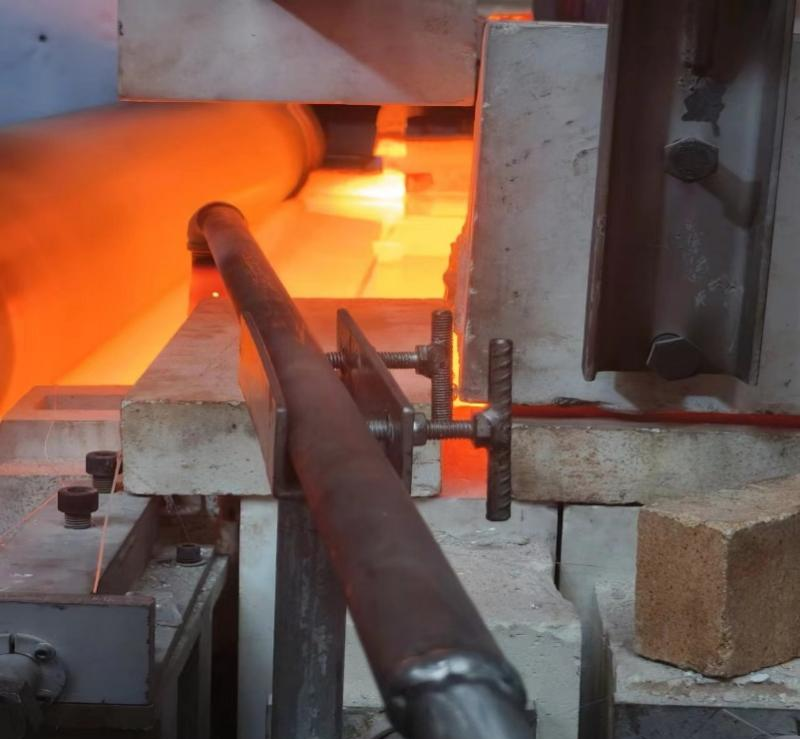
The temperature control technology integrated into a float glass line represents a critical factor that determines the quality and consistency of the final product. This sophisticated system manages heat across multiple zones, from the initial melting stage where temperatures exceed 1500 degrees Celsius to the gradual cooling in the annealing section. The precision of temperature management directly influences glass quality, as even minor fluctuations can create stress points, visual defects, or dimensional inconsistencies. Modern systems employ multiple thermocouples and infrared sensors positioned strategically throughout the production line, continuously monitoring temperature at crucial points. These sensors feed real-time data to computerized control systems that make instantaneous adjustments to burner outputs, ensuring optimal thermal conditions. The melting furnace incorporates advanced combustion technology that achieves complete fuel efficiency while maintaining the exact temperatures required to fully dissolve raw materials into homogeneous molten glass. As the molten glass flows onto the tin bath, temperature zones are carefully controlled to maintain the proper viscosity for spreading and forming. The float bath typically operates with a temperature gradient, starting hotter where glass enters and gradually cooling as it moves toward the exit. This controlled cooling allows the glass to achieve proper thickness and width while maintaining surface tension that creates the characteristic smoothness. The annealing lehr represents another critical temperature-controlled zone where glass undergoes carefully managed cooling to relieve internal stresses. Rapid cooling would create permanent stress that makes glass prone to breakage, while excessively slow cooling reduces production efficiency. The system calculates optimal cooling curves based on glass thickness and composition, automatically adjusting conveyor speeds and lehr temperatures. This technological sophistication eliminates guesswork and ensures every glass sheet receives ideal thermal treatment. The energy efficiency of these temperature control systems has improved dramatically, with heat recovery networks capturing waste heat from the cooling zones and redirecting it to preheat incoming raw materials or combustion air. This closed-loop approach reduces fuel consumption significantly, lowering operational costs while minimizing environmental impact. For manufacturers, this advanced temperature control technology means consistent product quality, reduced rejection rates, lower energy bills, and the confidence that every production run meets exact specifications.
Continuous Production Capability

Continuous Production Capability

The continuous production capability of a float glass line distinguishes it from batch manufacturing processes, offering transformative advantages for glass manufacturers seeking efficiency and scale. Unlike traditional methods that require stopping and starting between production cycles, the float glass line operates perpetually, with molten glass flowing uninterrupted from furnace to finished product. This continuous operation fundamentally changes the economics of glass manufacturing, enabling production volumes that would be impossible with intermittent processes. The system begins with continuous feeding of raw materials into the melting furnace, where precisely measured ingredients enter at controlled rates to maintain consistent melt composition. The furnace itself operates continuously, with melting, refining, and homogenizing happening simultaneously in different zones as materials progress through the system. This continuous melting achieves superior glass quality because the extended residence time at high temperature ensures complete chemical reactions and removal of gaseous inclusions. The molten glass flows continuously onto the tin bath, where the ribbon forms without interruption, spreading to predetermined width and thickness. The continuous nature allows the float bath to reach thermal equilibrium, maintaining stable conditions that produce uniform glass characteristics. As the ribbon moves through the float bath, it transitions smoothly into the annealing lehr without breaks or seams, ensuring consistent stress relief throughout the entire production run. The cutting section operates in coordination with the continuous ribbon, making transverse cuts at regular intervals to produce standard sizes while the glass continues moving forward. This synchronized cutting means production never stops, and the line maintains optimal output rates. For manufacturers, continuous production translates to maximum asset utilization, as expensive equipment operates productively around the clock rather than sitting idle between batches. The economies of scale become apparent when calculating per-unit costs, as fixed expenses like depreciation, facility costs, and base staffing distribute across vastly larger production volumes. Continuous operation also enables stable employment for skilled workers who develop expertise through consistent engagement with the process rather than intermittent involvement. The predictability of continuous production simplifies planning and scheduling, allowing manufacturers to commit confidently to delivery dates and maintain reliable supply chains for customers. Quality consistency improves because process parameters remain stable rather than cycling through startup and shutdown phases that introduce variability. The environmental benefits include more efficient energy use, as maintaining continuous operating temperatures requires less total energy than repeatedly heating and cooling equipment.
Exceptional Surface Quality and Optical Clarity

Exceptional Surface Quality and Optical Clarity

The exceptional surface quality and optical clarity achieved by a float glass line set the standard for modern flat glass production, delivering attributes that directly benefit end-users across numerous applications. The float process creates glass with both surfaces exhibiting fire-polished smoothness without requiring additional grinding or polishing operations. This inherent quality stems from the unique forming process where one surface contacts molten tin, which is perfectly flat and smooth due to surface tension, while the opposite surface remains exposed to a controlled atmosphere, cooling into an equally smooth finish. The resulting glass possesses optical clarity approaching theoretical perfection, with minimal distortion and excellent light transmission properties. This clarity proves essential for architectural applications where windows must provide unobstructed views and maximum natural light penetration. The uniform thickness across the entire glass sheet contributes to optical performance, as variations would create lens effects that distort vision. Modern float glass lines maintain thickness tolerances within fractions of a millimeter across sheets spanning several meters in width. The absence of surface defects like scratches, digs, or seeds distinguishes float glass from alternatives, providing pristine substrates for further processing. When glass undergoes coating, tempering, or laminating, the superior base quality ensures optimal results in downstream operations. For automotive applications, the optical clarity and surface quality translate directly to safety, as drivers require distortion-free visibility through windshields and windows. The consistent quality enables automated inspection systems to reliably detect the rare defects that do occur, ensuring only premium products reach customers. Architectural designers specify float glass confidently, knowing it will deliver the aesthetic qualities their projects demand, from crystal-clear storefronts to expansive curtain walls. The chemical composition and forming process create glass with excellent durability, resisting weathering and maintaining clarity throughout decades of service life. For manufacturers, the ability to produce this exceptional quality consistently without secondary finishing operations reduces production costs while commanding premium pricing in quality-conscious markets. The float glass line delivers these optical properties across the full range of thicknesses, from thin glass for electronics to thick plates for structural applications, maintaining quality standards regardless of dimensional specifications. End customers benefit from products that enhance their living and working environments through superior light transmission, unobstructed views, and lasting beauty that does not degrade over time.