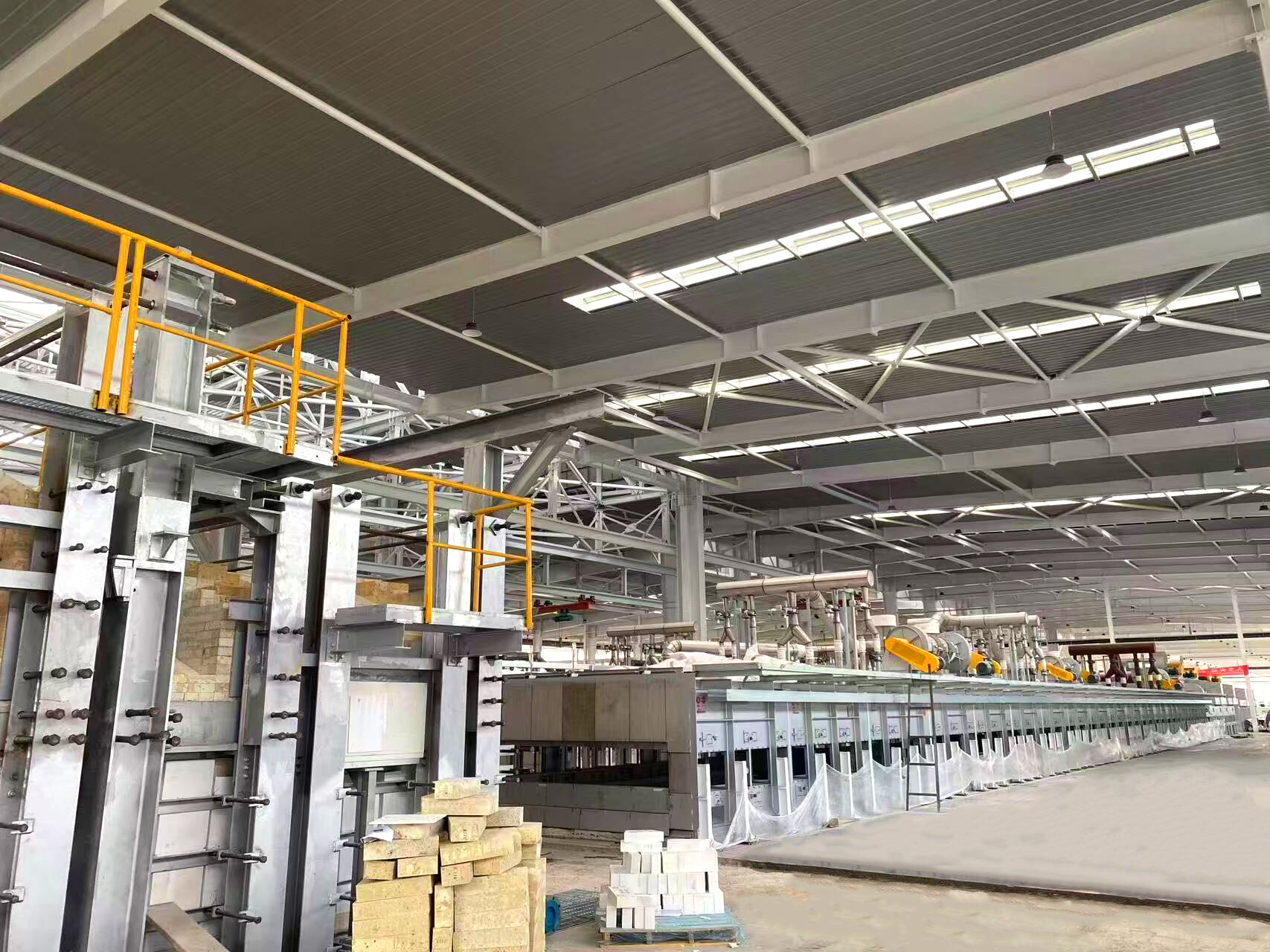
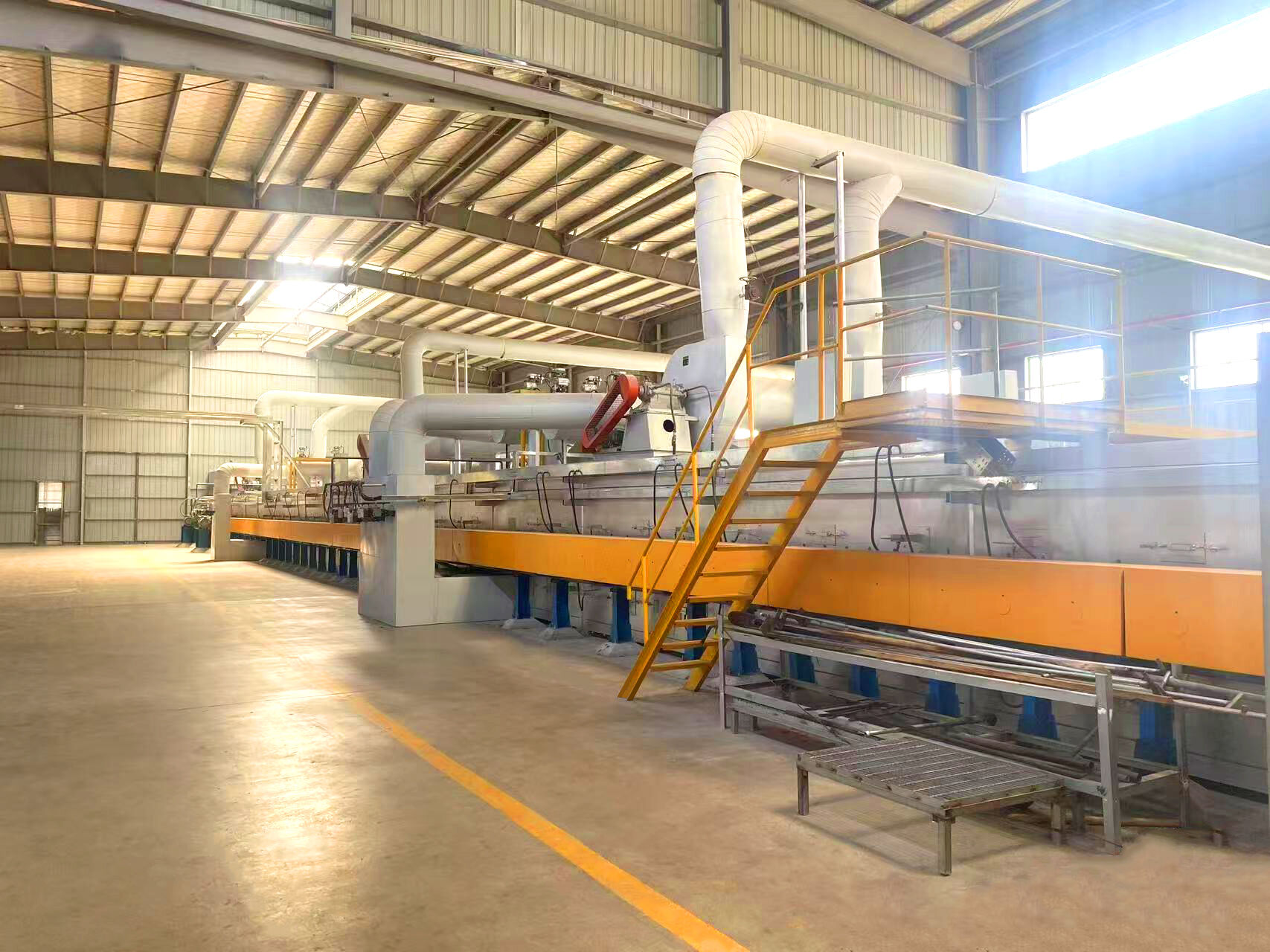
Exceptional Product Versatility Meets Diverse Market Requirements
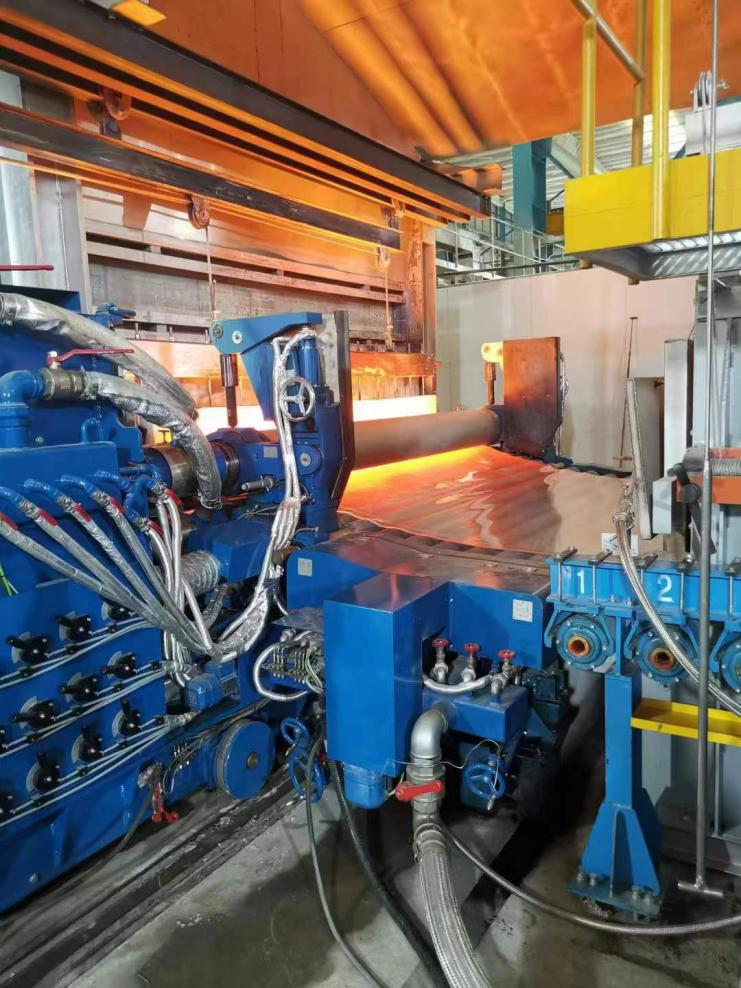
The exceptional product versatility inherent in float glass furnace equipment empowers manufacturers to serve diverse market segments and respond dynamically to evolving customer requirements, producing an extensive range of glass types, thicknesses, and specifications from a single production facility. This manufacturing flexibility represents a significant competitive advantage, enabling glass producers to maximize market opportunities without investing in multiple specialized production lines or maintaining excessive inventory of finished products. The float glass furnace equipment accommodates thickness adjustments ranging from ultra-thin 2mm glass suitable for electronics applications and specialty display panels to robust 25mm thick glass for structural and safety applications, with operators making thickness changes through simple adjustments to production speed and edge roller positions. This thickness versatility allows manufacturers to respond quickly to customer orders and market trends without lengthy changeover procedures or production interruptions that reduce efficiency and increase costs. The float glass furnace equipment supports production of various glass compositions including standard clear float glass, low-iron extra-clear glass for architectural and solar applications, tinted glass in multiple colors for aesthetic and solar control purposes, and specialized compositions tailored to specific performance requirements. This compositional flexibility enables manufacturers to differentiate their product offerings, access premium market segments, and build competitive advantages based on technical capabilities rather than competing solely on price. The equipment readily accommodates online coating processes that apply thin-film coatings during glass production, creating value-added products such as low-emissivity energy-efficient glass, solar control glass, and self-cleaning glass without requiring separate coating facilities or additional processing steps. Width capabilities built into float glass furnace equipment typically accommodate glass ribbons exceeding three meters, providing flexibility to optimize cutting patterns, minimize waste, and efficiently produce both standard and custom glass sizes requested by customers. Quality customization represents another dimension of versatility, as the float glass furnace equipment control systems allow operators to adjust production parameters that influence glass characteristics such as surface quality, optical distortion, and internal stress levels to meet specific application requirements. The rapid changeover capability between different product specifications minimizes downtime and enables economically viable production of smaller specialized batches alongside standard high-volume products, expanding market reach and revenue opportunities. This product versatility supported by float glass furnace equipment enables manufacturers to build diverse customer bases spanning architectural glass fabricators, automotive manufacturers, furniture producers, appliance makers, and specialty glass converters, reducing business risk through market diversification while maximizing utilization of production assets.
 EN
EN
 AR
AR
 BG
BG
 HR
HR
 CS
CS
 DA
DA
 NL
NL
 FI
FI
 FR
FR
 DE
DE
 EL
EL
 HI
HI
 IT
IT
 JA
JA
 KO
KO
 PL
PL
 PT
PT
 RO
RO
 RU
RU
 ES
ES
 SV
SV
 TL
TL
 IW
IW
 LV
LV
 LT
LT
 SK
SK
 SL
SL
 UK
UK
 VI
VI
 ET
ET
 HU
HU
 MT
MT
 TH
TH
 TR
TR
 FA
FA
 MS
MS
 SW
SW
 GA
GA
 AZ
AZ