Advanced Float Glass Plant Engineering Solutions - Complete Manufacturing Systems for High-Quality Glass Production

All Categories

Get a Free Quote

Our representative will contact you soon.
Email
Name
Company Name
Message
0/1000

float glass plant engineering

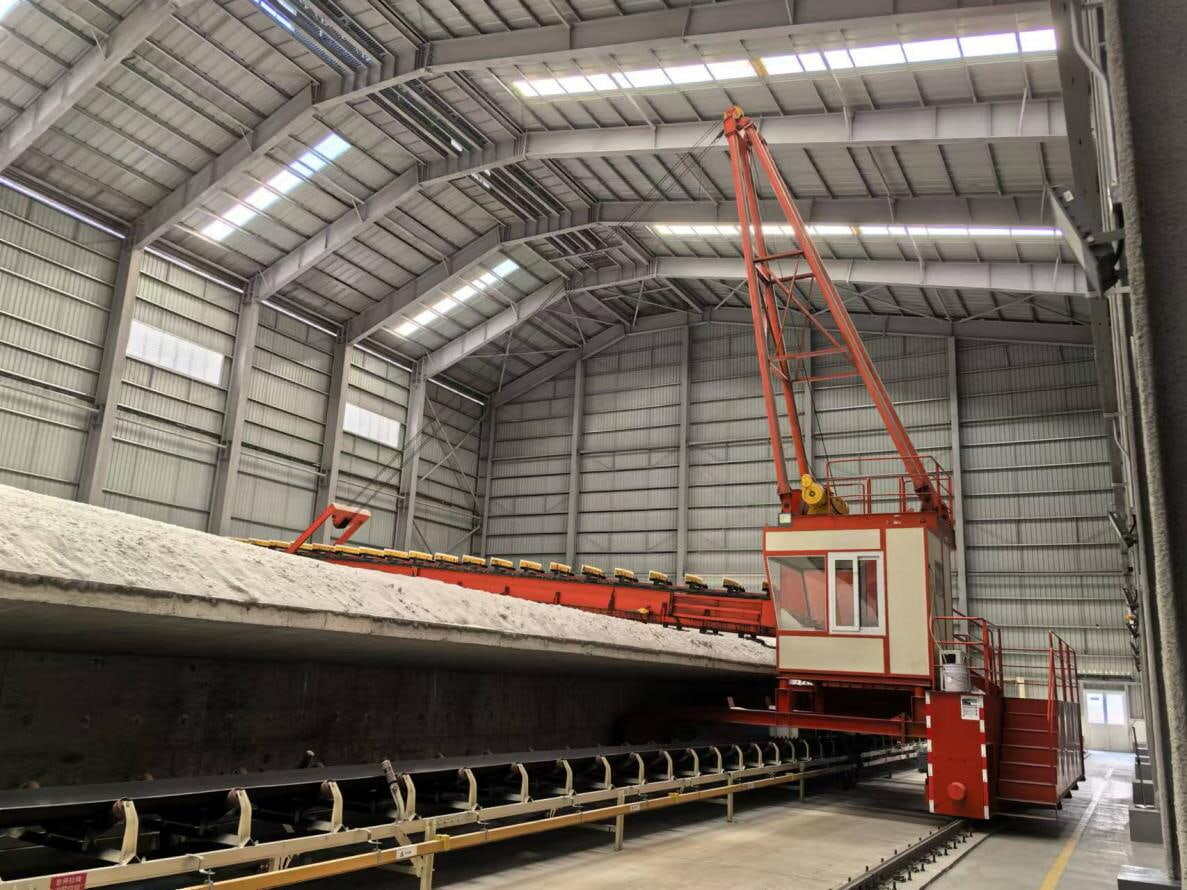
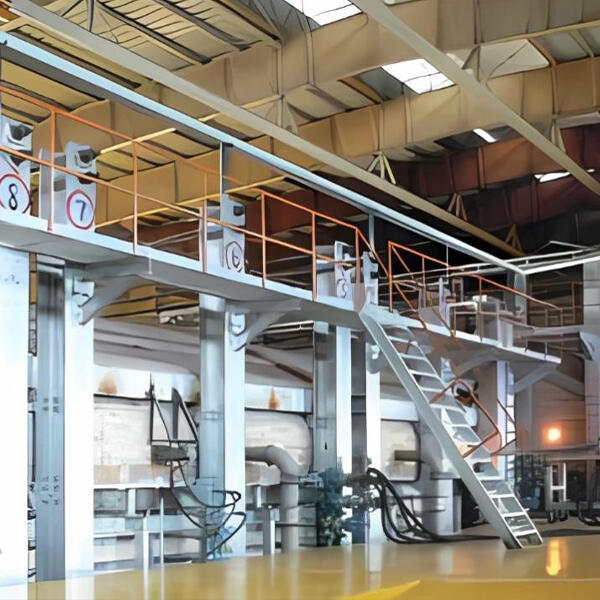
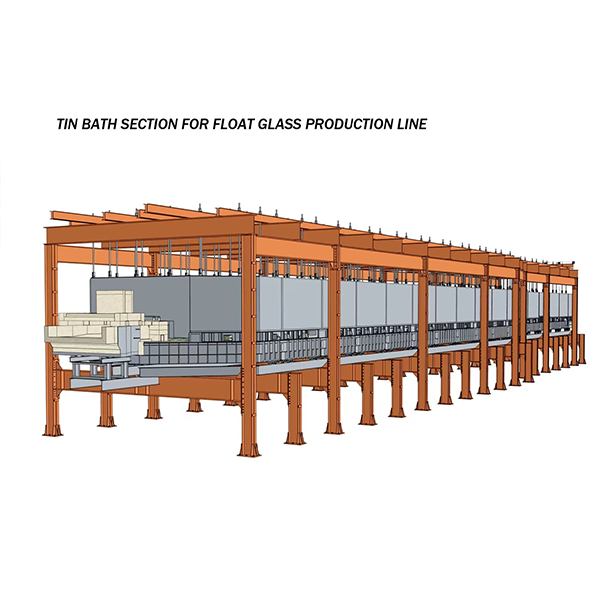
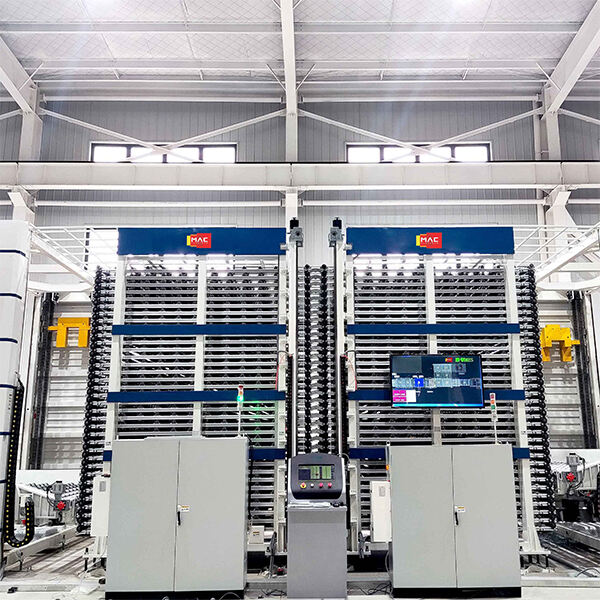
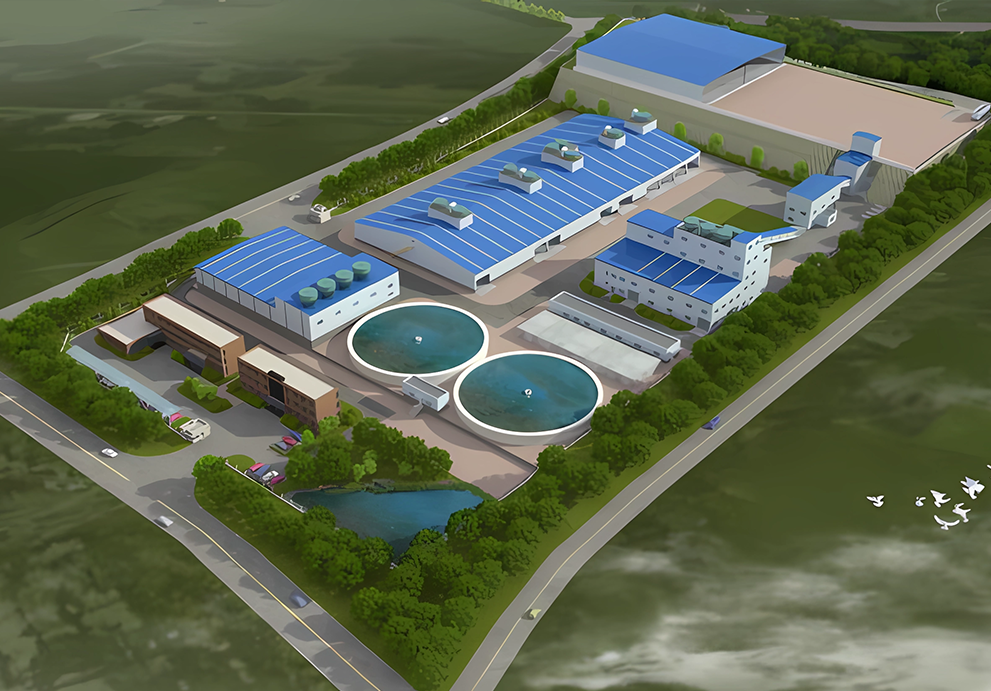
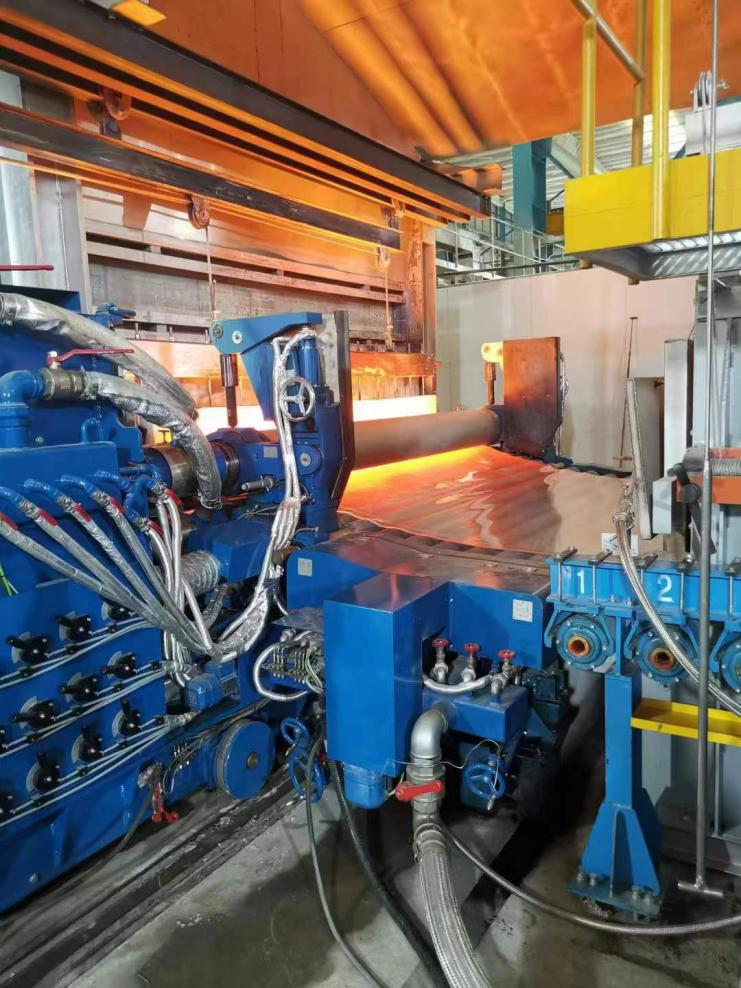
Float glass plant engineering represents a sophisticated manufacturing solution that transforms raw materials into high-quality flat glass through an innovative production process. This engineering system encompasses the complete design, construction, and operation of facilities that produce float glass, which serves as the foundation for countless applications in modern construction, automotive, and specialty glass industries. The float glass plant engineering process begins with the careful selection and melting of raw materials, including silica sand, soda ash, limestone, and various additives, in a massive furnace that reaches temperatures exceeding 1500 degrees Celsius. The molten glass then flows onto a bath of molten tin, where it naturally spreads and forms a perfectly flat, uniform surface due to the distinct densities of glass and tin. This revolutionary method eliminates the need for grinding and polishing, producing glass with exceptional optical clarity and parallel surfaces. Modern float glass plant engineering integrates advanced automation systems, precise temperature controls, and continuous quality monitoring mechanisms that ensure consistent product specifications throughout the manufacturing cycle. The engineering encompasses multiple critical zones, including the melting furnace, float bath, annealing lehr, cutting section, and storage facilities, each designed with specific technical parameters to optimize production efficiency. Environmental considerations play an increasingly important role in contemporary float glass plant engineering, with systems incorporating heat recovery units, emission control technologies, and waste recycling capabilities. Production capacity can range from several hundred to over a thousand tons per day, depending on the plant configuration and market demands. The engineering also addresses critical factors such as energy efficiency, product versatility, operational safety, and maintenance accessibility, making it a comprehensive solution for businesses seeking to enter or expand within the glass manufacturing sector.

New Product Recommendations

Investing in float glass plant engineering delivers numerous practical benefits that directly impact your business profitability and operational success. First and foremost, this engineering approach provides exceptional production efficiency, allowing your facility to operate continuously for extended periods, sometimes exceeding several years without major shutdowns. This uninterrupted operation translates to maximized output and reduced downtime costs, ensuring your investment generates consistent returns. The automated nature of modern float glass plant engineering significantly reduces labor requirements while simultaneously improving product consistency, which means you spend less on workforce expenses while delivering superior quality glass that meets stringent industry standards. Energy optimization stands as another crucial advantage, as contemporary engineering designs incorporate heat recovery systems that capture and reuse thermal energy from various production stages, substantially lowering your fuel consumption and operational expenses. The versatility of float glass plant engineering allows you to produce various glass thicknesses ranging from ultra-thin 2mm sheets to thick 25mm panels, enabling you to serve diverse market segments without requiring separate production lines. This flexibility helps you respond quickly to changing market demands and customer specifications, providing a competitive edge in dynamic industries. Quality control mechanisms embedded within the engineering framework ensure that every glass sheet meets precise flatness, thickness, and optical quality standards, minimizing rejection rates and material waste. Your facility benefits from scalable capacity options, as float glass plant engineering can be designed to match your specific production volume requirements and expanded as your business grows. The engineering incorporates advanced safety features that protect your workforce and equipment, reducing accident risks and insurance costs while maintaining regulatory compliance. Modern control systems provide real-time production data and predictive maintenance alerts, enabling you to optimize operations, prevent unexpected failures, and schedule maintenance during planned intervals. Environmental performance represents another significant advantage, with engineering solutions that minimize emissions, reduce water consumption, and facilitate recycling of cullet and other materials, helping you meet environmental regulations while enhancing your corporate sustainability profile. The standardized nature of float glass plant engineering means proven technology reduces implementation risks compared to experimental methods, providing confidence in your investment outcome. Finally, the global acceptance of float glass as the industry standard ensures strong market demand for your products across construction, automotive, solar, and specialty applications, securing long-term business viability.

Tips And Tricks

What Factors Should You Consider When Choosing Automotive Glass Processing Methods?

28

Oct

What Factors Should You Consider When Choosing Automotive Glass Processing Methods?

The Complete Guide to Modern Automotive Glass Manufacturing The automotive glass processing industry has undergone significant transformation in recent years, driven by technological advancements and evolving vehicle design requirements. As manufactu...
View More
What Maintenance Practices Keep Double Edgers Performing Optimally?

24

Nov

What Maintenance Practices Keep Double Edgers Performing Optimally?

Double edgers represent sophisticated industrial machinery that requires systematic maintenance protocols to ensure consistent performance and operational longevity. These precision instruments, commonly utilized in glass processing facilities and ma...
View More
What Should Manufacturers Consider When Selecting Equipment for Insulating Glass Production?

19

Dec

What Should Manufacturers Consider When Selecting Equipment for Insulating Glass Production?

Modern insulating glass manufacturing demands precision, efficiency, and cutting-edge technology to meet the growing requirements of energy-efficient building construction. Selecting the right equipment for insulating glass production involves carefu...
View More
Why Is Automated Insulating Glass Production Increasing in Large Factories?

19

Dec

Why Is Automated Insulating Glass Production Increasing in Large Factories?

The construction and manufacturing industries are experiencing a significant shift toward automation, with automated insulating glass production leading this transformation in large-scale factories. This evolution represents more than just technologi...
View More

Get a Free Quote

Our representative will contact you soon.
Email
Name
Company Name
Message
0/1000

float glass plant engineering

Continuous Production Capability with Minimal Operational Interruptions

Continuous Production Capability with Minimal Operational Interruptions

The continuous production capability inherent in float glass plant engineering represents one of its most valuable features for businesses seeking reliable, high-volume manufacturing solutions. Unlike batch production methods that require frequent starts and stops, float glass plant engineering operates as an integrated, continuous process that runs day and night, maintaining consistent production flow for years at a time. This remarkable operational continuity stems from the carefully engineered thermal management systems that maintain stable temperatures throughout the production line, preventing the thermal shock that would damage equipment during shutdowns. The engineering design ensures that once the furnace reaches operational temperature and the production line stabilizes, the entire system can continue producing glass sheets without interruption, except for planned major maintenance events that typically occur only after several years of operation. This extended runtime capability dramatically improves your return on investment by maximizing the productive hours relative to your capital expenditure. The continuous nature of float glass plant engineering also eliminates the energy-intensive and time-consuming process of heating and cooling massive furnaces, which in batch operations consumes significant fuel without producing any saleable product. Your facility benefits from consistent product quality throughout the production run, as the stable thermal conditions and material flow maintain uniform glass characteristics from the first sheet to the millionth. The engineering incorporates sophisticated control systems that automatically adjust parameters to compensate for minor variations in raw materials or environmental conditions, ensuring that production continues smoothly without requiring constant manual intervention. This automation reduces your dependence on highly specialized operators and minimizes the risk of human error affecting production quality or continuity. The continuous production model also simplifies your logistics and inventory management, as you can rely on predictable output volumes to fulfill customer orders and maintain steady material flow rather than dealing with the irregular supply patterns associated with batch production. For your business planning, this predictability enables more accurate forecasting, better customer service through reliable delivery schedules, and optimized working capital management. The engineering design addresses the challenges of continuous operation through robust equipment selection, redundant critical systems, and accessible maintenance features that allow minor repairs without full production shutdown. This thoughtful approach to reliability engineering protects your revenue stream by preventing costly unplanned interruptions that would otherwise idle expensive equipment and disappoint customers awaiting deliveries.
Superior Product Quality Through Gravity-Driven Formation Process

Superior Product Quality Through Gravity-Driven Formation Process

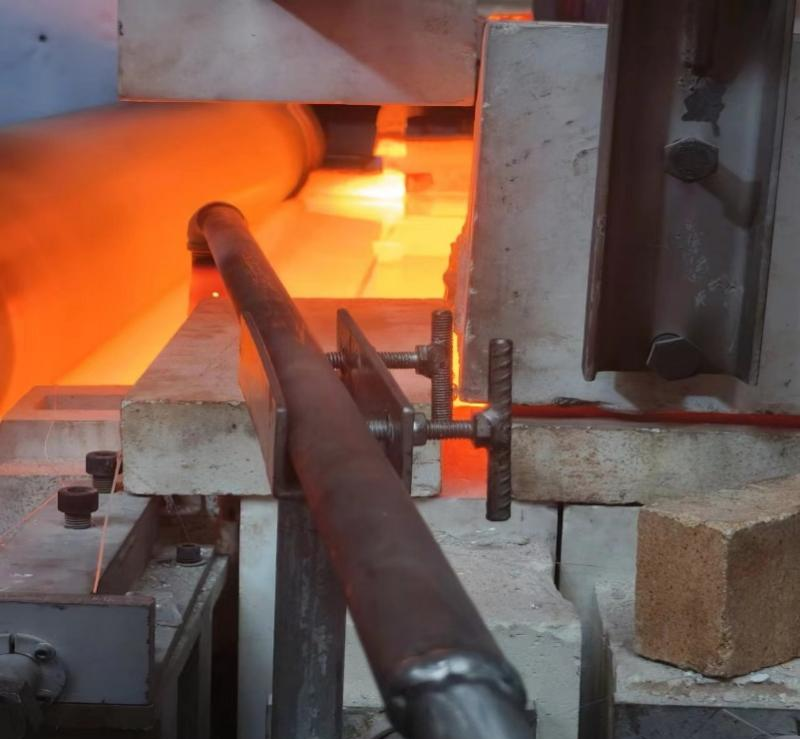
Float glass plant engineering achieves exceptional product quality through its innovative gravity-driven formation process that fundamentally differs from older glass manufacturing methods. The engineering brilliance of this approach lies in using molten tin as a perfectly flat, stable support surface for forming glass, eliminating mechanical contact that would introduce distortions or surface defects. When molten glass flows onto the tin bath, natural physical forces take over, with the glass spreading across the tin surface until it reaches equilibrium thickness based on surface tension and gravity. This natural formation process produces glass with inherently parallel surfaces and exceptional flatness without requiring the grinding and polishing steps that older manufacturing methods demanded. For your business, this means lower production costs since you eliminate expensive secondary processing while delivering superior optical quality that customers demand for critical applications. The float glass plant engineering carefully controls the atmosphere above the tin bath, maintaining a chemically neutral environment that prevents oxidation and ensures pristine glass surfaces. The engineering incorporates precise temperature gradients along the float bath, with controlled cooling that gradually reduces the glass temperature while maintaining perfect flatness and preventing stress formation. This thermal management system represents sophisticated engineering that balances competing requirements, cooling the glass sufficiently to solidify it while avoiding thermal shock that would create internal stresses or surface defects. The result is glass with excellent optical properties, minimal distortion, and consistent thickness across the entire sheet width. Your customers receive products suitable for demanding applications including architectural glazing, automotive windows, display screens, and solar panels, all of which require the superior quality that float glass plant engineering delivers. The engineering also enables precise thickness control by adjusting the flow rate of molten glass onto the tin bath and the speed at which the glass ribbon moves through the float chamber. This capability allows your facility to produce various standard and custom thicknesses without changing equipment or interrupting production, providing operational flexibility that helps you serve diverse market segments. Quality monitoring systems integrated throughout the float glass plant engineering detect any deviations from specifications in real-time, automatically adjusting process parameters or alerting operators to potential issues before they affect significant production volumes. This proactive quality management minimizes waste and ensures that virtually all production meets saleable specifications, maximizing your material yield and revenue per ton of raw materials processed. The consistent quality achieved through float glass plant engineering also simplifies your quality assurance processes, reduces customer complaints, and builds market reputation that supports premium pricing and customer loyalty.
Energy Efficiency Through Integrated Heat Recovery Systems

Energy Efficiency Through Integrated Heat Recovery Systems

Energy efficiency represents a critical competitive advantage embedded within modern float glass plant engineering through sophisticated heat recovery systems that dramatically reduce fuel consumption and operational costs. The engineering design recognizes that glass production is inherently energy-intensive, requiring enormous quantities of heat to melt raw materials and maintain proper temperatures throughout the production process, but also that much of this thermal energy can be captured and reused rather than wasted to the atmosphere. Float glass plant engineering incorporates multiple heat recovery stages that extract thermal energy from hot exhaust gases, cooling glass, and other heat sources, redirecting this recovered energy to preheat combustion air, warm raw materials, or generate electricity for plant operations. This integrated approach to energy management can reduce your primary fuel consumption by thirty to forty percent compared to facilities without heat recovery systems, translating directly to lower operating costs and improved profit margins. The engineering design includes regenerative heat exchangers that capture heat from furnace exhaust gases and use it to preheat incoming combustion air, significantly reducing the fuel required to maintain melting temperatures. This regenerative system operates continuously, switching flow paths periodically to maintain efficiency while minimizing heat loss. Your facility benefits from reduced fuel purchases, lower carbon emissions, and improved environmental compliance, all while maintaining full production capacity. Additional heat recovery opportunities exist in the annealing lehr, where glass must be slowly cooled in a controlled manner to relieve internal stresses. Float glass plant engineering captures heat from this cooling process and uses it for facility heating, raw material drying, or other auxiliary processes that would otherwise require separate energy inputs. The engineering also addresses energy efficiency in auxiliary systems, specifying high-efficiency motors, variable frequency drives, and optimized compressed air systems that minimize electrical consumption. These comprehensive efficiency measures accumulate to create substantial cost savings that improve your competitive position and accelerate investment payback. Modern float glass plant engineering increasingly incorporates renewable energy integration capabilities, allowing your facility to utilize solar, wind, or biomass energy sources where available and economically attractive. This forward-looking engineering approach protects your business against future energy price volatility and positions you favorably as markets and regulations increasingly value low-carbon production methods. The energy monitoring systems embedded in float glass plant engineering provide detailed consumption data across all production areas, enabling you to identify optimization opportunities, verify that systems operate at design efficiency, and make informed decisions about efficiency upgrade investments. By reducing energy consumption per ton of glass produced, your facility lowers production costs, improves sustainability credentials, and enhances resilience against energy price fluctuations that might challenge competitors with less efficient operations.