Industrial Furnace for Glass Manufacturing - High Efficiency Melting Systems with Advanced Temperature Control

All Categories

Get a Free Quote

Our representative will contact you soon.
Email
Name
Company Name
Message
0/1000

furnace for glass manufacturing

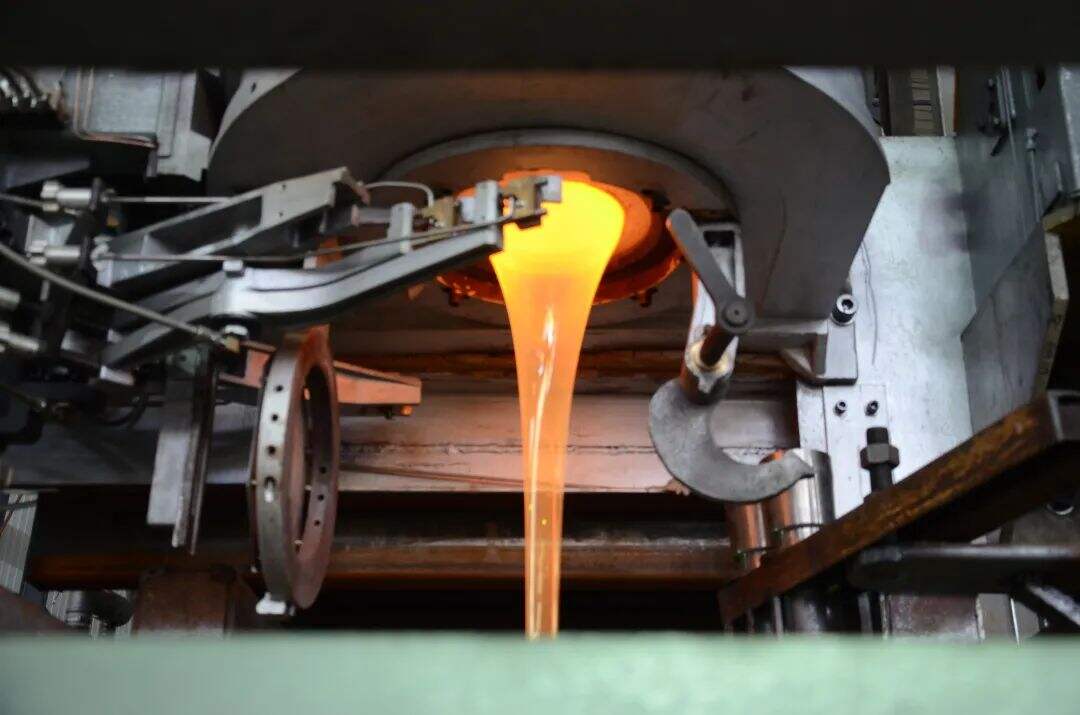
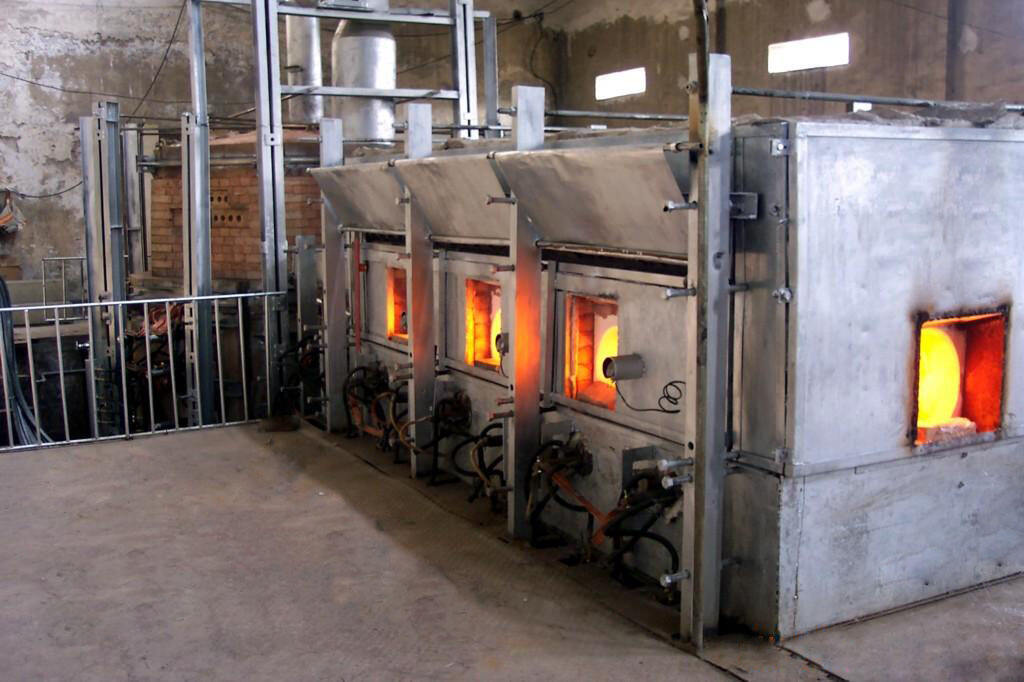
A furnace for glass manufacturing represents the cornerstone of modern glass production facilities, serving as the primary thermal processing unit where raw materials transform into molten glass ready for shaping and forming. This specialized industrial equipment operates at extremely high temperatures, typically ranging from 1400 to 1600 degrees Celsius, creating the necessary conditions for silica sand, soda ash, limestone, and other additives to melt and chemically combine into homogeneous glass material. The furnace for glass manufacturing incorporates advanced refractory materials in its construction, ensuring structural integrity and thermal efficiency throughout continuous operation cycles that often extend for several years without shutdown. Modern designs integrate sophisticated control systems that monitor and regulate temperature distribution, fuel consumption, and melting efficiency across multiple zones within the furnace chamber. These systems utilize regenerative or recuperative heat recovery technologies, capturing waste heat from exhaust gases and redirecting it back into the combustion process, significantly reducing energy costs and environmental impact. The furnace for glass manufacturing accommodates various glass types, including soda-lime glass for containers and windows, borosilicate glass for laboratory equipment, and specialty compositions for optical applications. Batch charging systems introduce precisely measured raw material mixtures into the melting zone, where intense heat breaks down chemical bonds and initiates the vitrification process. Refining zones within the furnace for glass manufacturing allow dissolved gases to escape from the molten glass, ensuring optical clarity and structural uniformity in finished products. The conditioning section maintains optimal viscosity levels for subsequent forming operations, whether blow molding for bottles, float processing for flat glass, or fiber drawing for insulation materials. Advanced furnace designs incorporate electric boosting elements that supplement fossil fuel combustion, providing precise temperature control and reducing emissions during critical production phases.

New Product Recommendations

The furnace for glass manufacturing delivers exceptional energy efficiency through advanced heat recovery systems that capture and reuse thermal energy that would otherwise escape through exhaust stacks. This recuperation process reduces fuel consumption by up to forty percent compared to older furnace designs, directly lowering operational costs and improving profit margins for glass producers. Manufacturers benefit from extended campaign life, with modern furnace designs operating continuously for eight to twelve years between major rebuilds, minimizing downtime and maximizing production output. The robust refractory construction withstands extreme temperature fluctuations and chemical corrosion from molten glass, ensuring reliable performance throughout extended operating periods. Precise temperature control capabilities allow operators to adjust melting conditions for different glass compositions without compromising quality or efficiency, providing production flexibility that accommodates changing market demands. The furnace for glass manufacturing incorporates multiple melting zones with independent temperature regulation, enabling optimization of each processing stage from initial batch melting through refining and conditioning. This zoned approach ensures superior glass quality with minimal defects, reducing scrap rates and improving yield percentages. Environmental benefits include significantly reduced emissions through efficient combustion systems and optional oxy-fuel technology that eliminates nitrogen oxide formation by burning fuel in pure oxygen rather than air. Maintenance requirements remain minimal during normal operation, with accessible design features allowing inspection and minor repairs without complete shutdown. The furnace for glass manufacturing supports various fuel options including natural gas, fuel oil, electricity, or hybrid combinations, providing operational flexibility and enabling facilities to optimize energy costs based on regional fuel availability and pricing. Automated control systems reduce labor requirements while improving consistency, as sensors continuously monitor critical parameters and make real-time adjustments to maintain optimal melting conditions. Production capacity scales efficiently with furnace size, allowing manufacturers to match output levels with market demand through appropriate equipment selection. The compact footprint of modern furnace designs maximizes facility space utilization, while modular construction facilitates future expansion or modification. Investment returns accelerate through reduced operating costs, improved product quality, and increased production capacity, making the furnace for glass manufacturing an economically sound choice for both new facilities and upgrade projects.

Tips And Tricks

How to Select the Right Hub Glass Furnace for Your Facility?

24

Nov

How to Select the Right Hub Glass Furnace for Your Facility?

Selecting the appropriate hub glass furnace for your manufacturing facility represents one of the most critical decisions that will impact your production efficiency, product quality, and long-term operational costs. A hub glass furnace serves as the...
View More
How to Optimize Production Settings in a Hub Glass Furnace?

24

Nov

How to Optimize Production Settings in a Hub Glass Furnace?

Glass manufacturing represents one of the most energy-intensive industrial processes, requiring precise control of temperature, atmosphere, and raw material flow to achieve optimal production efficiency. Modern hub glass furnace systems have evolved ...
View More
How Can Grinding Machines Enhance Surface Finish and Dimensional Accuracy?

19

Dec

How Can Grinding Machines Enhance Surface Finish and Dimensional Accuracy?

Manufacturing precision has reached unprecedented levels in modern industrial applications, where surface finish quality and dimensional accuracy determine product performance and market competitiveness. Advanced grinding machines represent the corne...
View More
Why Is Automated Insulating Glass Production Increasing in Large Factories?

19

Dec

Why Is Automated Insulating Glass Production Increasing in Large Factories?

The construction and manufacturing industries are experiencing a significant shift toward automation, with automated insulating glass production leading this transformation in large-scale factories. This evolution represents more than just technologi...
View More

Get a Free Quote

Our representative will contact you soon.
Email
Name
Company Name
Message
0/1000

furnace for glass manufacturing

Revolutionary Energy Recovery Technology Maximizes Operational Efficiency

Revolutionary Energy Recovery Technology Maximizes Operational Efficiency

The furnace for glass manufacturing incorporates state-of-the-art regenerative heat exchange systems that fundamentally transform energy utilization in glass production operations. These sophisticated systems capture hot exhaust gases exiting the melting chamber, which typically reach temperatures exceeding 1400 degrees Celsius, and channel them through specially designed checker chambers filled with refractory bricks. As hot gases pass through these chambers, the refractory material absorbs thermal energy, storing it temporarily before reversing the flow direction. Incoming combustion air then passes through the heated checker chambers, preheating to temperatures approaching 1200 degrees Celsius before entering the burners. This preheating process dramatically reduces the fuel required to achieve target melting temperatures, as the combustion air already possesses substantial thermal energy before combustion begins. The cyclical reversal of gas flow, typically occurring every twenty to thirty minutes, ensures continuous heat recovery throughout operation. Manufacturing facilities implementing furnace for glass manufacturing technology with regenerative systems report fuel savings ranging from thirty-five to fifty percent compared to conventional designs without heat recovery. These savings translate directly into reduced operating costs, improved competitive positioning, and faster return on equipment investment. Beyond economic benefits, the enhanced energy efficiency significantly reduces carbon dioxide emissions and environmental impact, helping glass manufacturers meet increasingly stringent regulatory requirements and corporate sustainability goals. The regenerative system design also improves temperature uniformity within the melting chamber, as the preheated combustion air enables more stable and controllable flame characteristics. This stability enhances glass quality by minimizing temperature fluctuations that can create defects or compositional variations in the molten material. Maintenance requirements for regenerative systems remain reasonable, with periodic inspection and replacement of refractory checker materials scheduled during planned furnace rebuilds. The durability of modern refractory materials ensures reliable performance throughout multi-year operating campaigns, while advanced monitoring systems alert operators to any degradation in heat recovery efficiency before it impacts production. For glass manufacturers seeking to optimize operational costs while reducing environmental footprint, the energy recovery technology integrated into modern furnace for glass manufacturing equipment represents an indispensable competitive advantage.
Advanced Multi-Zone Temperature Control Ensures Superior Glass Quality

Advanced Multi-Zone Temperature Control Ensures Superior Glass Quality

Precision temperature management stands as a critical factor determining glass quality, and the furnace for glass manufacturing addresses this requirement through sophisticated multi-zone control architecture that independently regulates thermal conditions throughout the melting, refining, and conditioning processes. The melting zone maintains peak temperatures where raw material batches undergo initial fusion, with strategically positioned burners creating optimal heat distribution patterns that promote efficient vitrification. Separate control systems govern the refining zone, where slightly reduced temperatures and extended residence time allow trapped gas bubbles to rise and escape from the molten glass, eliminating seeds and blisters that would compromise optical clarity and structural integrity. The conditioning zone operates at precisely controlled lower temperatures that adjust glass viscosity to ideal levels for subsequent forming operations, whether float processing, container molding, or fiber drawing applications. Each zone within the furnace for glass manufacturing features multiple temperature sensors that continuously monitor thermal conditions at various depths and locations, feeding real-time data to computerized control systems. These systems employ advanced algorithms that automatically adjust burner firing rates, fuel-air ratios, and electric boost power to maintain target temperatures within narrow tolerances, typically plus or minus five degrees Celsius. Operators can modify temperature profiles through intuitive interfaces, adapting melting conditions to accommodate different glass compositions without compromising quality or efficiency. This flexibility proves invaluable for facilities producing multiple product lines or responding to changing customer specifications. The independent zone control also enables optimized energy distribution, concentrating thermal input where most needed while minimizing waste heat generation. Glass quality improvements resulting from precise temperature control include enhanced chemical homogeneity, improved surface finish, reduced stone and cord defects, and consistent physical properties throughout production runs. These quality enhancements reduce scrap rates, lower inspection costs, and strengthen customer satisfaction through reliable product performance. The furnace for glass manufacturing achieves quality levels that meet demanding specifications for automotive glazing, architectural applications, pharmaceutical packaging, and specialty optical components. Temperature control precision also facilitates rapid grade changes, as operators can adjust thermal profiles to accommodate different glass compositions within hours rather than days. This responsiveness improves production scheduling flexibility and enables manufacturers to capitalize on market opportunities requiring quick turnaround. Documentation and data logging capabilities within modern control systems provide complete thermal history records, supporting quality assurance programs and troubleshooting efforts.
Extended Campaign Life Delivers Exceptional Long-Term Reliability and Value

Extended Campaign Life Delivers Exceptional Long-Term Reliability and Value

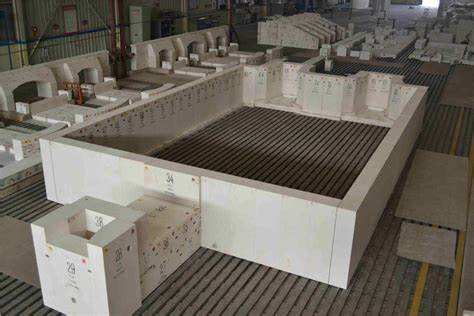
The furnace for glass manufacturing distinguishes itself through exceptional operational longevity, with properly maintained units achieving continuous production campaigns extending eight to twelve years between major rebuilds, far exceeding the lifespan of older furnace technologies. This remarkable durability stems from advanced refractory engineering that carefully selects materials based on their resistance to thermal shock, chemical corrosion from molten glass and combustion gases, and mechanical stress from structural loading. Crown sections utilize high-purity silica refractories that withstand prolonged exposure to extreme temperatures while maintaining structural integrity. Sidewall construction employs graded refractory systems with hot-face materials chosen for corrosion resistance and backing layers optimized for insulation properties. The furnace for glass manufacturing basin incorporates specially formulated fusion-cast refractories that resist erosion from flowing molten glass while preventing contamination that could compromise product quality. Strategic placement of cooling systems at critical stress points prevents premature refractory failure, extending component life and maintaining furnace geometry throughout the campaign. Engineering analysis during furnace design identifies potential weak points and implements protective measures that prevent common failure modes. The extended campaign life delivers substantial economic advantages, as major rebuilds require complete production shutdowns lasting several weeks and involving significant material and labor costs. Facilities operating furnace for glass manufacturing equipment with extended campaigns enjoy greater production availability, reduced maintenance expenses, and improved planning predictability. The reliability of modern furnace designs also minimizes unexpected failures that disrupt production schedules and strain customer relationships. Maintenance strategies during operation focus on monitoring refractory condition through temperature measurements, visual inspections during brief maintenance windows, and analysis of glass quality indicators that may signal developing issues. Proactive maintenance interventions address minor concerns before they escalate into major problems requiring unplanned shutdowns. As campaigns progress, operators implement strategic modifications to optimize performance and compensate for gradual refractory wear, extracting maximum value from the furnace investment. When eventual rebuilds become necessary, modular construction features facilitate efficient replacement of worn components while preserving structural elements that remain serviceable. The furnace for glass manufacturing design accommodates technological upgrades during rebuilds, allowing facilities to incorporate improved burner systems, enhanced control capabilities, or expanded capacity without complete equipment replacement. This upgrade path protects long-term equipment investments while enabling continuous performance improvement.