Glass Toughening Machine: Advanced Safety Glass Manufacturing Equipment for Industrial Production

All Categories

Get a Free Quote

Our representative will contact you soon.
Email
Name
Company Name
Message
0/1000

glass toughening machine

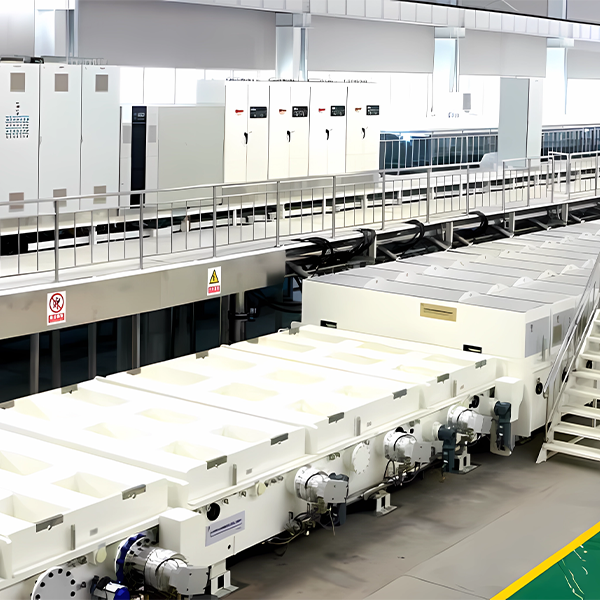
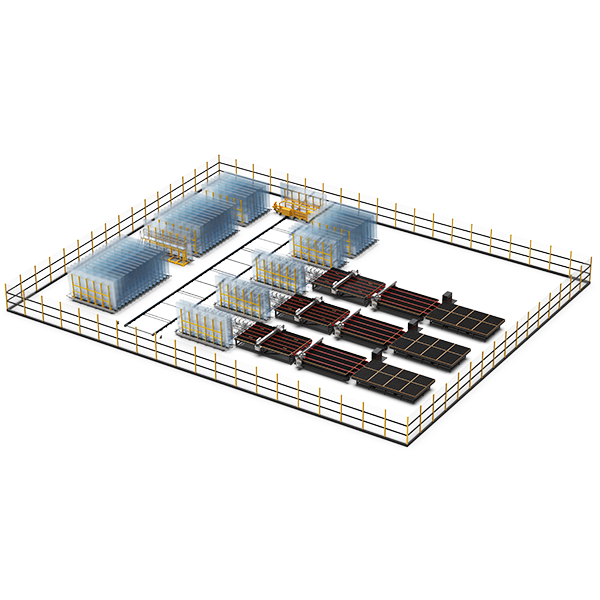
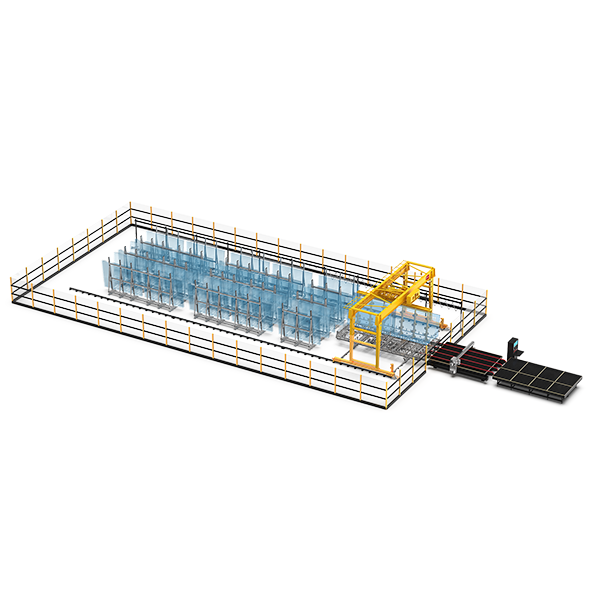
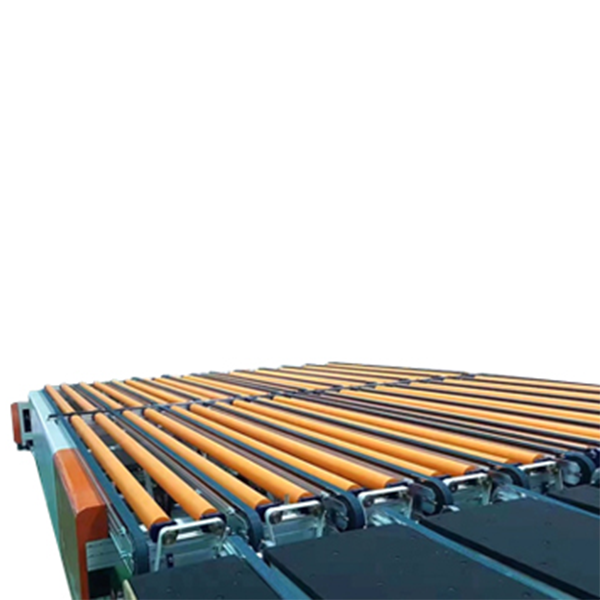
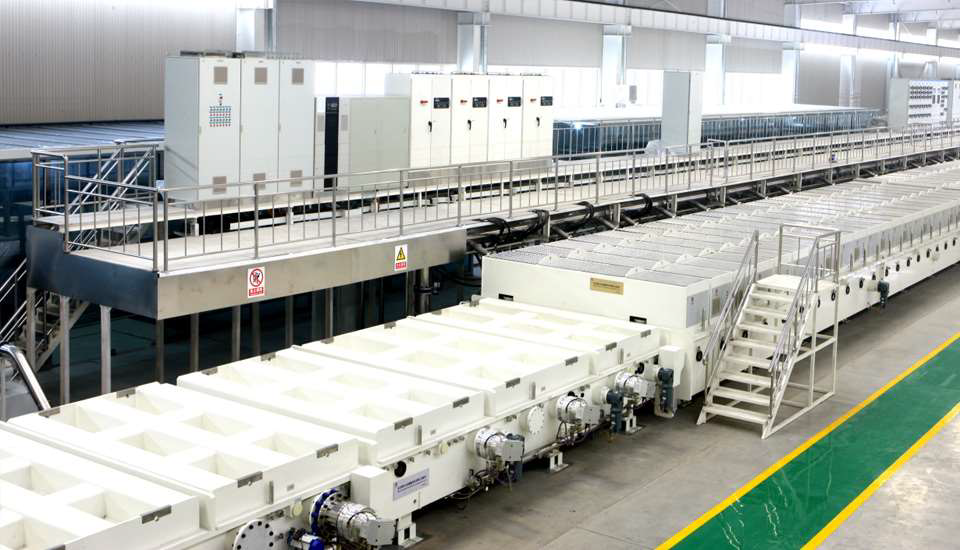
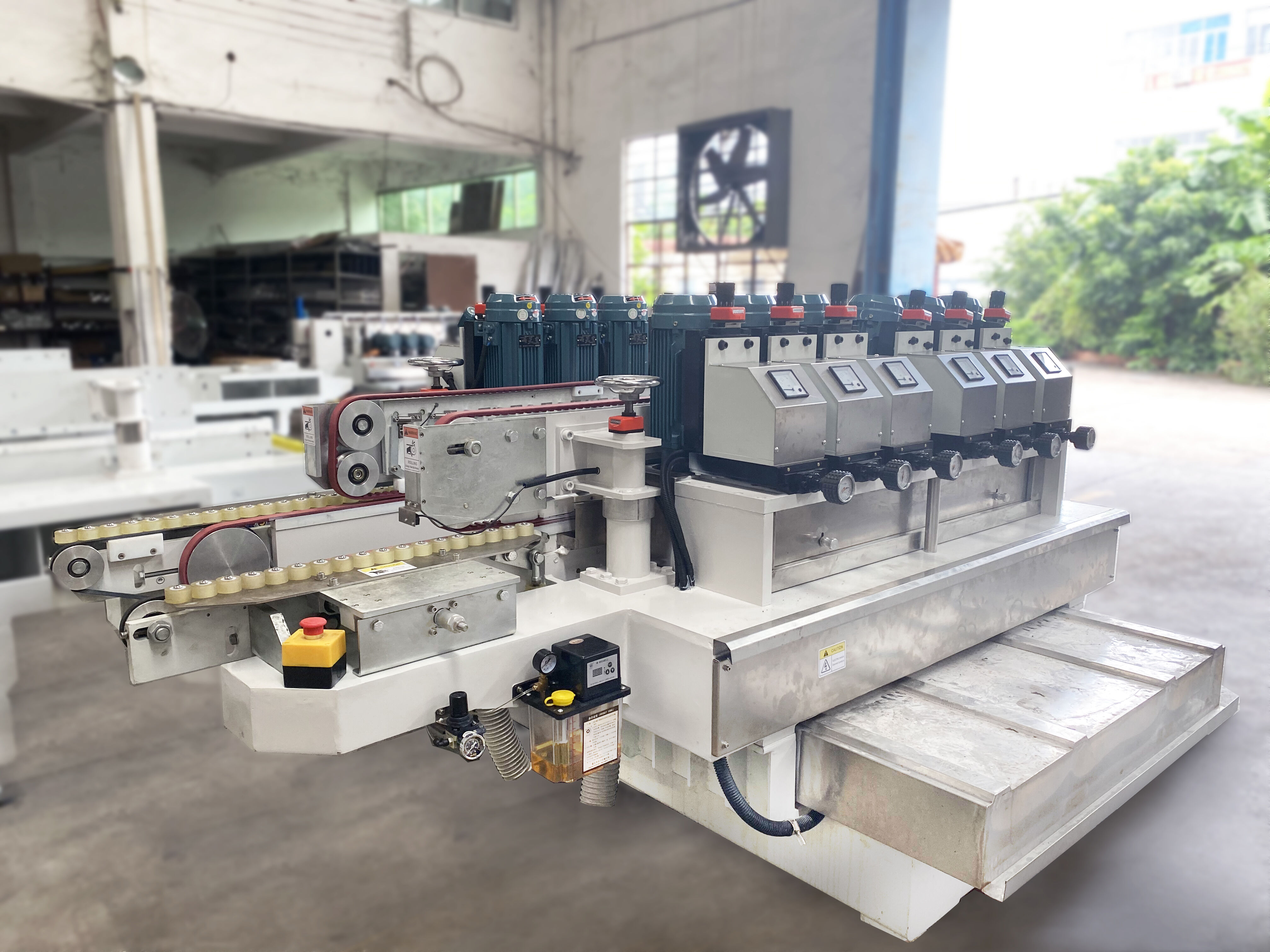
A glass toughening machine represents essential industrial equipment designed to transform ordinary annealed glass into strengthened safety glass through a precise thermal treatment process. This sophisticated machinery heats glass panels to temperatures exceeding 600 degrees Celsius before rapidly cooling them using strategically positioned air nozzles, creating a permanent state of surface compression and internal tension that significantly enhances the glass strength. The glass toughening machine operates through carefully controlled heating and cooling cycles, where the glass surface solidifies while the interior remains temporarily molten, establishing the characteristic stress patterns that define tempered glass properties. Modern glass toughening machines incorporate advanced control systems that monitor temperature distribution, cooling rates, and processing speeds to ensure consistent quality output across production runs. These machines accommodate various glass thicknesses ranging from 3mm to 19mm and can process diverse glass types including clear float glass, tinted glass, low-iron glass, and coated glass products. The equipment features robust construction with ceramic rollers that transport glass through heating chambers lined with heating elements, followed by quenching sections equipped with precision-engineered air delivery systems. Manufacturers utilize glass toughening machines to produce safety glass for architectural applications, automotive components, furniture manufacturing, and appliance production. The processed glass exhibits remarkable impact resistance, thermal stability, and safety characteristics, fragmenting into small granular chunks rather than dangerous shards when broken. Production capacities vary across different glass toughening machine models, with some units processing several hundred square meters per hour depending on glass thickness and quality requirements. The technological sophistication of contemporary glass toughening machines enables manufacturers to meet stringent international safety standards while maintaining operational efficiency and energy management. Investment in quality glass toughening machine technology provides manufacturers with competitive advantages through improved product consistency, reduced rejection rates, and enhanced production flexibility.

New Product Recommendations

Investing in a glass toughening machine delivers substantial benefits that directly impact your manufacturing capabilities and business profitability. The primary advantage centers on producing glass that offers four to five times greater strength compared to untreated glass, enabling your products to withstand significant impacts, wind loads, and thermal stress without failure. This enhanced durability translates into fewer warranty claims, reduced liability concerns, and stronger customer confidence in your products. The glass toughening machine enables you to meet mandatory safety regulations across construction, automotive, and consumer product industries, opening access to markets that require certified safety glass. Your production facility gains operational flexibility since the equipment processes various glass dimensions, thicknesses, and types within a single system, eliminating the need for multiple specialized machines. Energy efficiency improvements in modern glass toughening machines reduce operational costs through optimized heating cycles, improved insulation, and intelligent power management systems that minimize electricity consumption during production. The automated control systems eliminate guesswork from the manufacturing process, ensuring each glass panel receives precisely calibrated heat treatment regardless of operator experience levels, which dramatically improves consistency and reduces material waste. Your business benefits from faster production cycles as contemporary glass toughening machines complete processing in minutes rather than hours, allowing you to fulfill orders quickly and maintain competitive lead times. The enhanced thermal properties of toughened glass produced by these machines enable end-users to achieve better energy performance in buildings, creating additional selling points for your products in environmentally conscious markets. Maintenance requirements remain manageable with accessible components, standardized replacement parts, and diagnostic systems that identify potential issues before they cause production interruptions. The glass toughening machine increases your product value significantly, as toughened glass commands premium pricing compared to standard glass while production costs increase only marginally. Quality assurance becomes inherent in the process since properly toughened glass displays characteristic stress patterns visible through polarized light, providing immediate verification of successful treatment. Your manufacturing operation gains scalability potential as production volumes grow, with many glass toughening machines offering upgrade paths for additional automation, larger processing dimensions, or enhanced control features. The long operational lifespan of quality glass toughening machines, often exceeding twenty years with proper maintenance, ensures your capital investment delivers sustained returns throughout extended service periods. Customer satisfaction improves dramatically when you supply toughened glass products, as these materials resist scratching, maintain clarity, and perform reliably across demanding applications.

Tips And Tricks

What Types of Coatings Are Applied in a Glass Coating Line?

24

Sep

What Types of Coatings Are Applied in a Glass Coating Line?

Understanding Modern Glass Coating Technologies Glass coating technology has revolutionized the way we enhance and protect glass surfaces across various industries. From architectural applications to automotive windshields, the glass coating line pro...
View More
How Do Glass Drilling Machines Handle Different Glass Thicknesses Safely?

28

Oct

How Do Glass Drilling Machines Handle Different Glass Thicknesses Safely?

Understanding Modern Glass Drilling Technology and Safety Mechanisms The world of glass fabrication has evolved significantly with the introduction of advanced glass drilling machines that can handle various glass thicknesses with remarkable precisio...
View More
Why Are Smart Glass Cutting Lines Becoming the Standard in Factories?

28

Oct

Why Are Smart Glass Cutting Lines Becoming the Standard in Factories?

The Revolution of Automated Glass Processing in Modern Manufacturing The manufacturing landscape is undergoing a dramatic transformation as smart glass cutting lines increasingly become the backbone of modern glass processing facilities. These sophis...
View More
Why Is Automated Insulating Glass Production Increasing in Large Factories?

19

Dec

Why Is Automated Insulating Glass Production Increasing in Large Factories?

The construction and manufacturing industries are experiencing a significant shift toward automation, with automated insulating glass production leading this transformation in large-scale factories. This evolution represents more than just technologi...
View More

Get a Free Quote

Our representative will contact you soon.
Email
Name
Company Name
Message
0/1000

glass toughening machine

Advanced Thermal Control Technology Ensures Consistent Quality Output

Advanced Thermal Control Technology Ensures Consistent Quality Output

The sophisticated thermal control system integrated within modern glass toughening machines represents a critical technological achievement that directly determines product quality and manufacturing success. This comprehensive control architecture employs multiple temperature sensors strategically positioned throughout the heating chamber, continuously monitoring thermal conditions and making real-time adjustments to maintain optimal processing parameters. The precision heating elements respond instantly to control signals, ensuring uniform temperature distribution across the entire glass surface regardless of panel dimensions or thickness variations. This technological capability prevents common defects such as optical distortion, stress pattern irregularities, and inadequate tempering that compromise glass performance and safety characteristics. The glass toughening machine utilizes advanced algorithms that calculate ideal heating durations based on glass thickness, composition, and ambient conditions, removing uncertainty from the production process and enabling consistent results across diverse manufacturing scenarios. Temperature uniformity proves especially crucial when processing large architectural glass panels where even minor thermal variations can create visible distortions or weak points that lead to premature failure. The control system maintains heating chamber temperatures within narrow tolerances, typically plus or minus three degrees Celsius, ensuring each glass section receives identical thermal treatment throughout the processing cycle. This precision extends to the cooling phase where the glass toughening machine coordinates hundreds of individual air nozzles that deliver calibrated air streams at specific pressures, velocities, and temperatures. The quenching system creates the rapid temperature differential necessary for developing appropriate surface compression, with the control technology adjusting cooling intensity based on real-time glass temperature measurements. Manufacturers benefit from programmable recipes that store optimal processing parameters for different glass types, allowing operators to switch between production runs efficiently without lengthy setup procedures or trial-and-error adjustments. The diagnostic capabilities embedded in the control system continuously monitor equipment performance, tracking heating element efficiency, air pressure consistency, and roller operation to identify maintenance needs before quality issues emerge. This proactive approach minimizes unexpected downtime and maintains production schedules while ensuring every glass panel meets specified quality standards, significantly reducing rejection rates and material waste that erode profitability.
Robust Mechanical Design Delivers Reliable Long-Term Performance

Robust Mechanical Design Delivers Reliable Long-Term Performance

The mechanical engineering excellence embodied in quality glass toughening machines provides manufacturers with dependable production equipment capable of withstanding demanding industrial environments while maintaining precise operational tolerances. The structural framework utilizes heavy-duty steel construction designed to resist thermal expansion, vibration, and the mechanical stresses inherent in continuous production operations, ensuring dimensional stability that preserves alignment between critical components. The ceramic roller conveyance system represents particularly important mechanical innovation, as these specialized rollers must transport glass through extreme temperature zones without marking surfaces, introducing distortion, or experiencing premature wear. High-grade ceramic materials resist thermal shock and abrasion while providing the smooth, non-reactive surface necessary for maintaining pristine glass quality throughout processing. The roller drive mechanisms incorporate precision bearings and synchronized motor controls that maintain consistent glass advancement speeds, preventing the tracking errors and speed variations that cause optical defects in finished products. The heating chamber construction employs refractory materials and sophisticated insulation systems that contain heat efficiently while protecting external components from thermal damage, contributing to energy efficiency and operator safety. The glass toughening machine incorporates strategically designed access panels and service points that facilitate routine maintenance procedures, enabling technicians to inspect, clean, and replace wear components without extensive disassembly or production interruptions. The air delivery system features robust blower assemblies engineered for continuous operation, with carefully designed ductwork that distributes cooling air uniformly across all quenching nozzles while minimizing pressure losses and flow turbulence. The nozzle arrays themselves demonstrate mechanical precision, with each nozzle positioned and angled according to engineering calculations that optimize heat extraction rates and ensure balanced cooling across glass surfaces. The control cabinet houses industrial-grade electronic components rated for elevated ambient temperatures and electrical noise common in manufacturing environments, with circuit protection systems safeguarding sensitive electronics from power fluctuations. Manufacturers appreciate the modular design philosophy employed in contemporary glass toughening machines, where major subsystems function as replaceable assemblies that simplify repairs and allow targeted upgrades without replacing entire machines. The mechanical reliability engineered into these systems translates directly into production uptime, consistent quality output, and lower total cost of ownership across the equipment lifespan.
Versatile Processing Capabilities Maximize Manufacturing Flexibility

Versatile Processing Capabilities Maximize Manufacturing Flexibility

The exceptional versatility engineered into modern glass toughening machines empowers manufacturers to address diverse market demands and production requirements through a single equipment investment. This adaptability encompasses the ability to process extensive ranges of glass thicknesses, with many machines accommodating panels from 3 millimeters to 19 millimeters without requiring mechanical modifications or accessory changes, simply through control system adjustments. The dimensional flexibility extends to glass panel sizes, where the glass toughening machine handles everything from small automotive components measuring mere centimeters to expansive architectural panels exceeding three meters in length, providing production capability across multiple market segments. This size versatility eliminates the operational constraints and inventory complications associated with maintaining separate processing equipment for different product categories, streamlining your manufacturing operations and capital equipment requirements. The thermal processing parameters remain adjustable across wide ranges, enabling successful tempering of specialty glass products including low-iron glass used in solar applications, coated glass with surface treatments, and tinted glass containing color additives that alter thermal absorption characteristics. Manufacturers serving architectural markets particularly value this capability as building designers increasingly specify diverse glass types to achieve specific aesthetic effects, energy performance targets, and functional requirements. The glass toughening machine accommodates both monolithic glass processing and can be integrated into production lines manufacturing laminated or insulated glass units, where tempered glass serves as a critical component contributing safety and performance attributes. Production scheduling flexibility improves substantially since the equipment transitions between different glass specifications quickly, often within minutes, allowing economical processing of small custom orders alongside large production runs without sacrificing efficiency. The control systems store unlimited processing recipes, enabling operators to recall optimal parameters for frequently produced items instantly while maintaining detailed records that support quality assurance documentation and process refinement initiatives. This versatility extends to production speed optimization, where the glass toughening machine can operate at maximum throughput for standard products or employ extended processing cycles when producing specialty items requiring enhanced optical quality or specific stress characteristics. Manufacturers expanding into new markets or responding to evolving customer requirements benefit from equipment that adapts to changing demands rather than imposing rigid limitations on product offerings and business development opportunities.