Exceptional Material Versatility Without Compromise
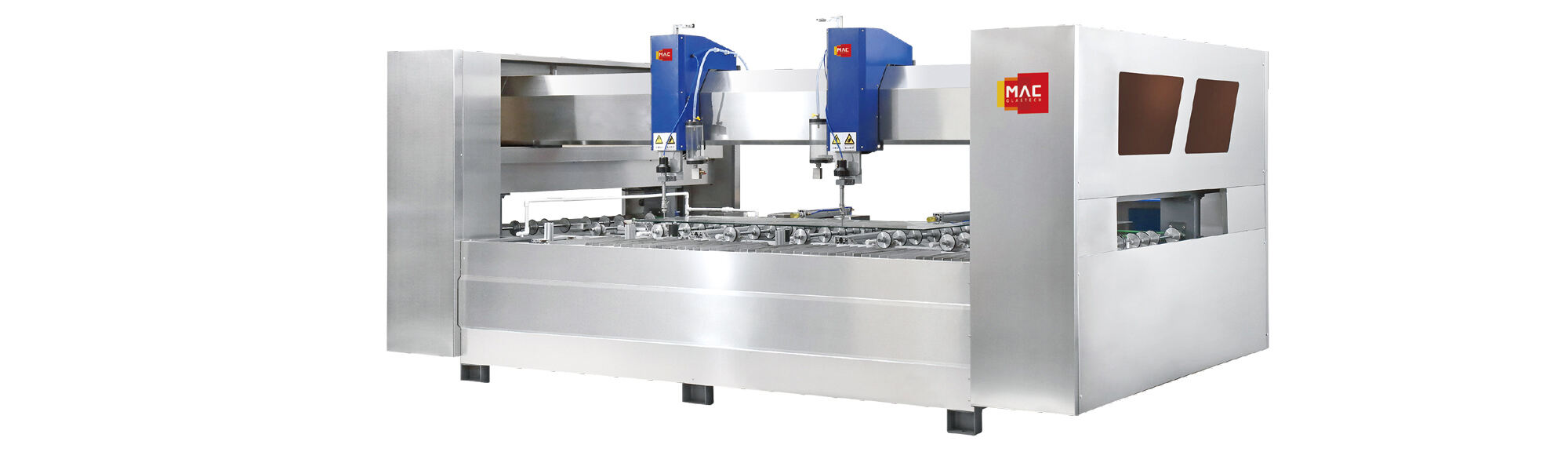
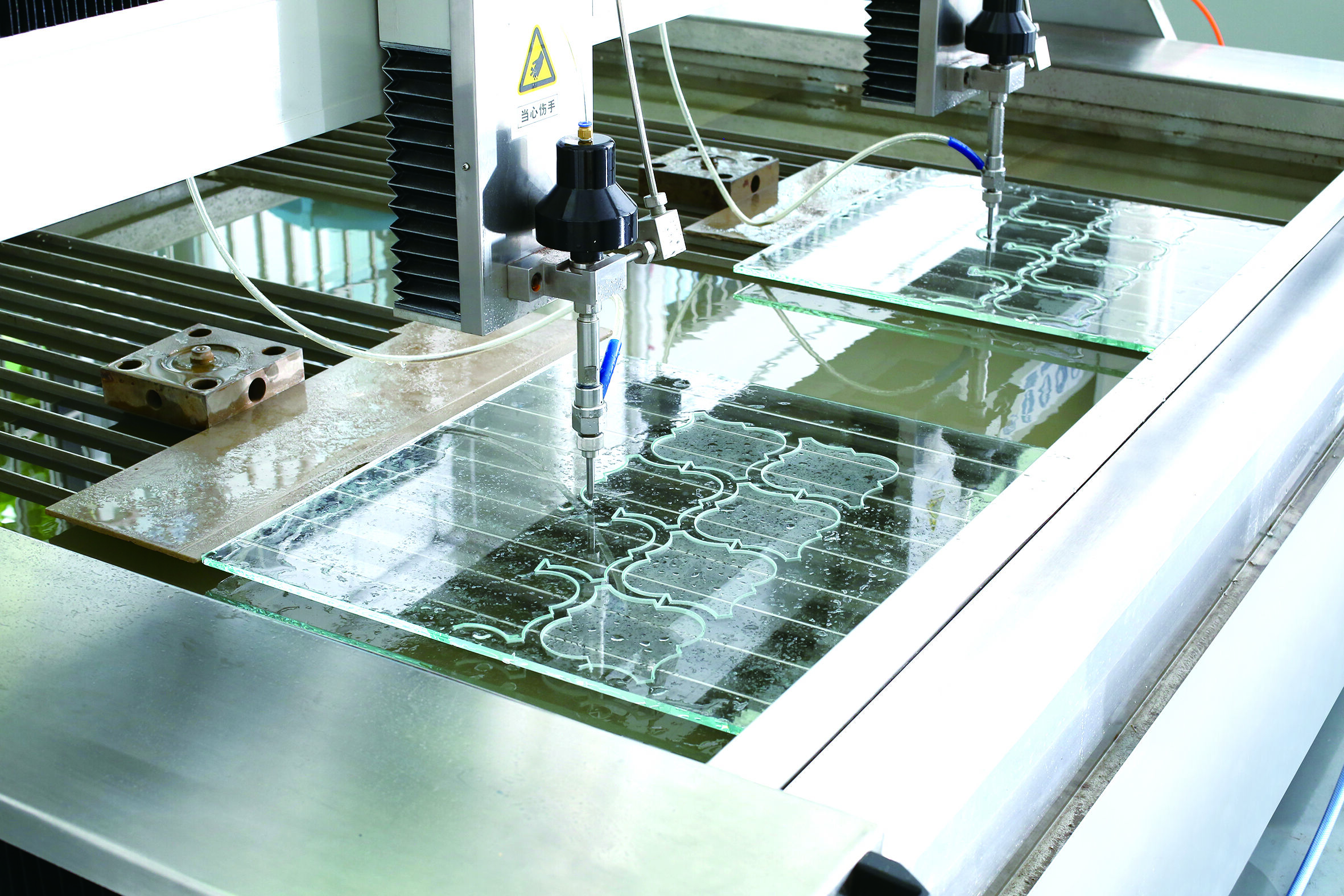
The remarkable material versatility of a low cost water jet cutter sets it apart as an indispensable tool for diverse manufacturing and fabrication environments. This single machine confidently handles an extraordinary range of materials that would typically require separate specialized equipment, making it an economical choice for operations dealing with varied project requirements. From delicate foam rubber and soft plastics to resilient stainless steel and dense ceramic tiles, the low cost water jet cutter adapts seamlessly to whatever substrate you need to process. This adaptability stems from the fundamental physics of waterjet cutting, where a focused stream of high-pressure water, often enhanced with fine abrasive particles, mechanically erodes material rather than melting or burning it. The absence of heat-affected zones means temperature-sensitive materials maintain their characteristics throughout the cutting process, a critical advantage when working with composites, laminates, or materials with specific temper requirements. Manufacturers working with multiple material types particularly benefit from this versatility, as they can fulfill diverse customer orders without investing in separate plasma cutters, band saws, laser systems, and routers. The low cost water jet cutter eliminates the compromise between affordability and capability that plagues many budget-conscious workshops. Consider the practical implications for a custom fabrication shop that produces architectural metalwork, rubber gaskets, and acrylic signage. With traditional equipment, each material category demands dedicated machinery, floor space, operator training, and maintenance protocols. The financial burden multiplies quickly when accounting for the initial purchase, installation, spare parts inventory, and ongoing service contracts. A low cost water jet cutter consolidates these capabilities into one footprint, one training program, and one maintenance schedule. The operational efficiency gained translates directly to improved profitability and faster return on investment. Material thickness capacity is equally impressive, with many affordable systems cutting through several inches of metal or stone while maintaining precise tolerances. This depth capacity expands project possibilities, allowing businesses to accept larger structural component orders alongside delicate decorative work. The technology proves particularly valuable when working with stacked materials or creating complex three-dimensional shapes through strategic cutting angles.
 EN
EN
 AR
AR
 BG
BG
 HR
HR
 CS
CS
 DA
DA
 NL
NL
 FI
FI
 FR
FR
 DE
DE
 EL
EL
 HI
HI
 IT
IT
 JA
JA
 KO
KO
 PL
PL
 PT
PT
 RO
RO
 RU
RU
 ES
ES
 SV
SV
 TL
TL
 IW
IW
 LV
LV
 LT
LT
 SK
SK
 SL
SL
 UK
UK
 VI
VI
 ET
ET
 HU
HU
 MT
MT
 TH
TH
 TR
TR
 FA
FA
 MS
MS
 SW
SW
 GA
GA
 AZ
AZ