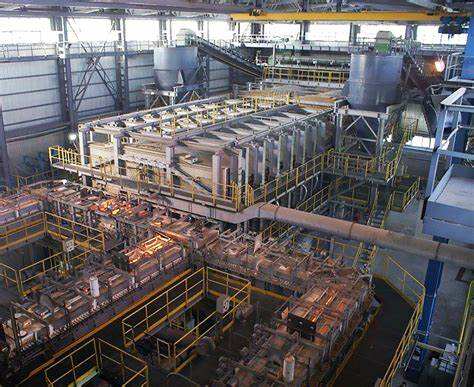
Diseño versátil de la cámara y capacidad multiaplicación
El diseño de la cámara de un horno para fusión de vidrio determina su utilidad práctica en diversas aplicaciones, por lo que la versatilidad constituye un factor crucial para cualquier persona que busque obtener el máximo rendimiento de su inversión en equipos. Los hornos modernos cuentan con dimensiones interiores cuidadosamente diseñadas que permiten alojar proyectos de distintas escalas, desde delicados componentes para joyería que miden apenas pulgadas hasta grandes paneles arquitectónicos que abarcan varios pies de longitud. La configuración de la cámara afecta no solo la capacidad de tamaño, sino también la uniformidad del calentamiento; los espacios bien diseñados favorecen una distribución homogénea de la temperatura, evitando zonas calientes y frías responsables de defectos durante la cocción. Los diseños de carga superior ofrecen un acceso cómodo para cargar y descargar los proyectos, con tapas contrapesadas que se abren suavemente y permanecen firmemente posicionadas durante el acomodo de los materiales, reduciendo la fatiga física y mejorando la seguridad durante la operación. El piso de la cámara suele estar compuesto por estantes para hornos o superficies especializadas para fusión, capaces de soportar repetidos ciclos térmicos y proporcionar plataformas planas y niveladas, esenciales para evitar la distorsión del vidrio durante la cocción. Las consideraciones sobre la profundidad son especialmente importantes, ya que un espacio vertical adecuado permite apilar múltiples estantes para cocer simultáneamente distintos proyectos, lo que mejora notablemente la productividad en entornos industriales y estudios muy activos. La verdadera versatilidad de un horno para fusión de vidrio radica en su capacidad para ejecutar múltiples técnicas de trabajo del vidrio dentro de un único equipo, eliminando la necesidad de hornos independientes dedicados a procesos específicos. Las operaciones de fusión completa producen piezas de vidrio totalmente lisas y homogéneas, ideales para vajilla, azulejos decorativos y paneles artísticos, logradas al calentar el vidrio por encima de su punto de reblandecimiento hasta que la tensión superficial genera resultados brillantes y libres de burbujas. La fusión parcial (tack fusing) conserva la textura dimensional y la apariencia estratificada al calentar el vidrio únicamente lo suficiente para unir las piezas sin fundirlas por completo, siendo ideal para crear efectos artísticos, joyería tridimensional y elementos decorativos texturizados. Las técnicas de conformado (slumping) y draping transforman el vidrio plano en formas tridimensionales al calentarlo hasta que se adapta a moldes colocados dentro de la cámara del horno, posibilitando la fabricación de cuencos, platos, elementos escultóricos y características arquitectónicas personalizadas. Las capacidades de recocido permiten la correcta eliminación de tensiones internas en las piezas terminadas, previniendo fracturas espontáneas que ocurren cuando el vidrio se enfría demasiado rápidamente y desarrolla tensiones internas. Esta multifuncionalidad significa que su inversión en un horno para fusión de vidrio respalda tanto el crecimiento empresarial como la evolución creativa, adaptándose a competencias en expansión y a una oferta de productos cada vez más diversificada, sin requerir compras adicionales de equipos importantes. Los estudios pueden aceptar encargos variados sabiendo que su equipo satisface distintos requisitos técnicos, mientras que las instalaciones de producción pueden responder a las demandas del mercado alternando entre tipos de producto mediante la infraestructura existente. La versatilidad de la cámara se extiende también a la compatibilidad con distintos materiales: los hornos de calidad logran cocer con éxito diferentes formulaciones de vidrio, incluidos el vidrio sódico-cálcico, el borosilicato y los vidrios artísticos especiales, cada uno de los cuales requiere perfiles térmicos específicos que los controles programables gestionan fácilmente.
 EN
EN
 AR
AR
 BG
BG
 HR
HR
 CS
CS
 DA
DA
 NL
NL
 FI
FI
 FR
FR
 DE
DE
 EL
EL
 HI
HI
 IT
IT
 JA
JA
 KO
KO
 PL
PL
 PT
PT
 RO
RO
 RU
RU
 ES
ES
 SV
SV
 TL
TL
 IW
IW
 LV
LV
 LT
LT
 SK
SK
 SL
SL
 UK
UK
 VI
VI
 ET
ET
 HU
HU
 MT
MT
 TH
TH
 TR
TR
 FA
FA
 MS
MS
 SW
SW
 GA
GA
 AZ
AZ