La capacidad de procesamiento multi-material simplifica las operaciones de producción
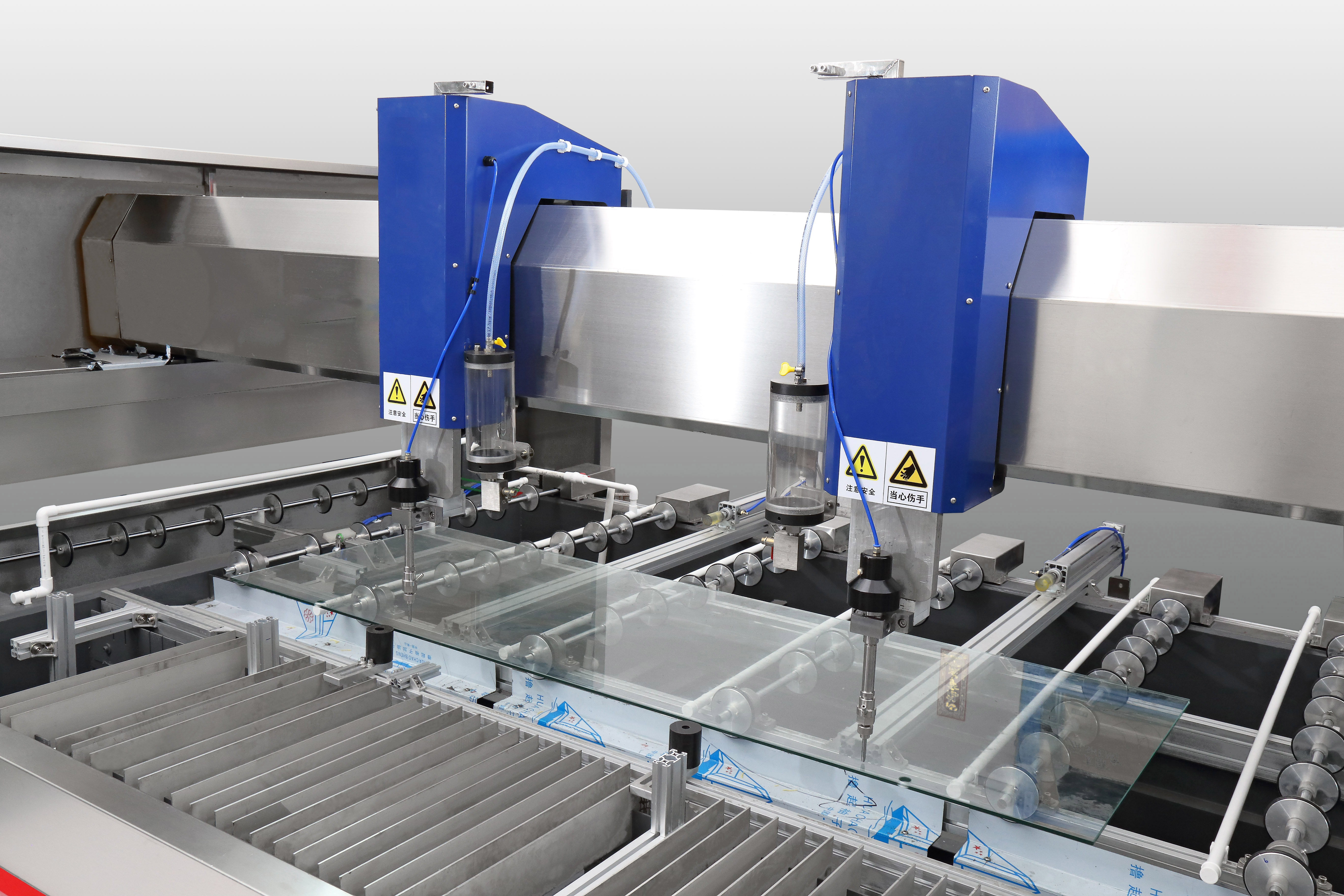
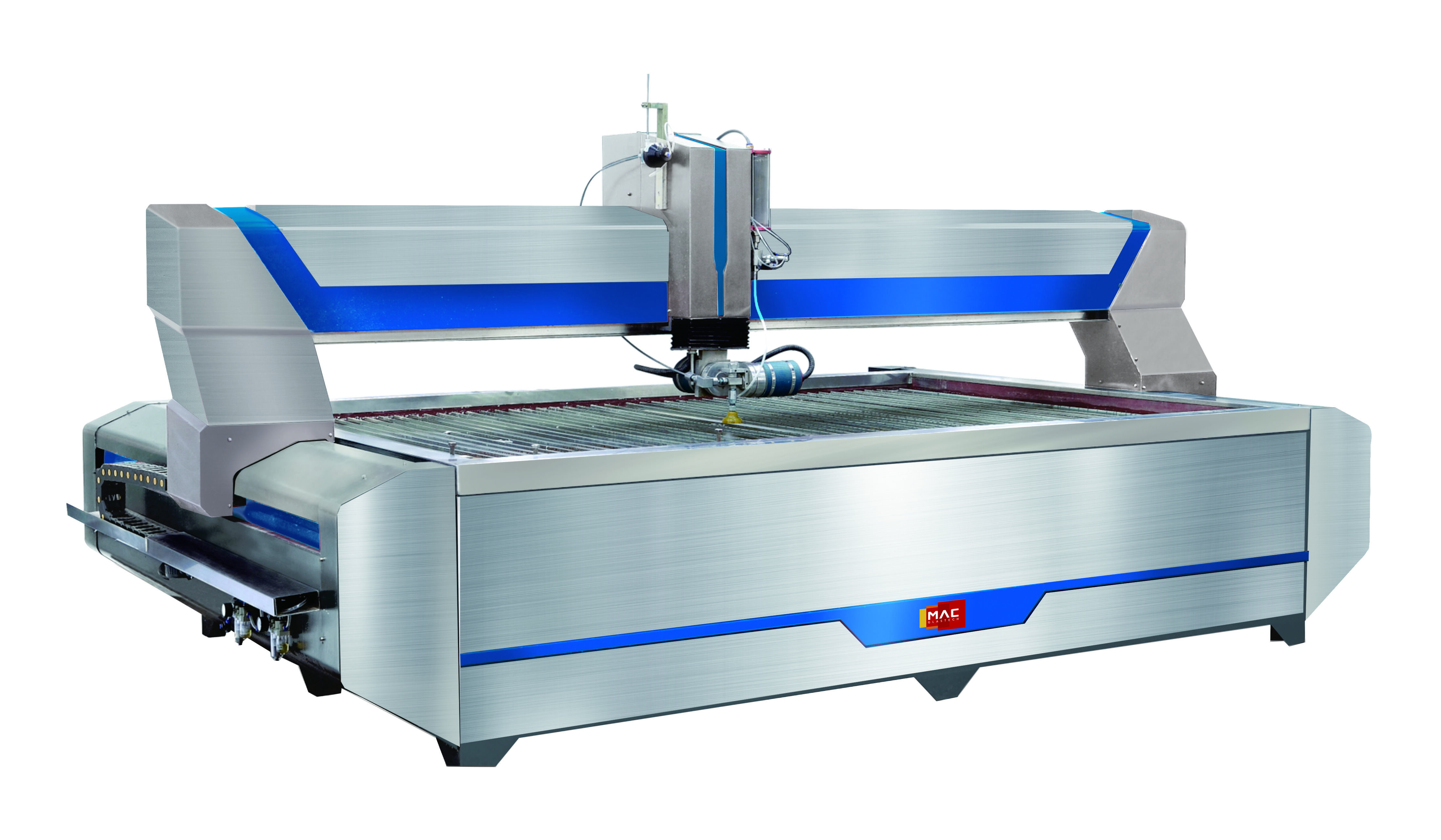
La notable capacidad de los sistemas de corte por chorro de agua con abrasivo metálico para procesar diversos materiales dentro de una única configuración de producción representa una ventaja estratégica que simplifica las operaciones de fabricación y reduce los requisitos de equipos de capital. Un sistema de corte por chorro de agua con abrasivo metálico correctamente configurado puede manejar desde láminas de aluminio blandas y delgadas hasta placas de acero endurecido de varios centímetros de espesor, pasando de un material a otro mediante simples ajustes de parámetros, sin necesidad de cambiar la máquina ni instalar herramientas especializadas. Esta capacidad multi-material abarca todo el espectro de metales de ingeniería, incluidos el acero inoxidable, el acero al carbono, el acero para herramientas, las aleaciones de aluminio, el cobre, el latón, el bronce, el titanio, las aleaciones de níquel y materiales exóticos como el Inconel y el Hastelloy. La tecnología resulta igualmente eficaz tanto en metales ferrosos como no ferrosos, eliminando las limitaciones específicas de cada material que restringen otros métodos de corte. Los fabricantes que operan talleres de trabajo o instalaciones de fabricación personalizada valoran especialmente esta versatilidad, ya que una única máquina de corte por chorro de agua con abrasivo metálico puede atender a múltiples clientes con requisitos de materiales muy diversos, sin necesidad de equipamiento distinto para cada tipo de material. La ausencia de preocupaciones relacionadas con el desgaste de herramientas al cambiar entre materiales de distinta dureza mejora aún más la eficiencia operativa. Las operaciones de mecanizado tradicionales experimentan un desgaste acelerado de las herramientas al cortar materiales más duros, lo que requiere cambios frecuentes de herramientas y una vigilancia cuidadosa para mantener la precisión dimensional. El corte por chorro de agua con abrasivo metálico mantiene un rendimiento constante en materiales de distinta dureza porque su mecanismo de corte no implica contacto físico entre una herramienta que se degrada y la pieza de trabajo. Las partículas abrasivas se renuevan continuamente dentro del chorro de corte, garantizando un rendimiento uniforme durante largas jornadas de producción, independientemente de las variaciones de dureza del material. Esta consistencia se traduce en costos operativos predecibles y una planificación de la producción simplificada. El enfoque de corte por chorro de agua con abrasivo metálico también permite trabajar estructuras metálicas compuestas y materiales estratificados que suponen un reto para otros métodos de corte. Los fabricantes pueden cortar paneles sándwich, materiales revestidos y laminados de metales disímiles sin problemas de deslaminación o separación, que suelen aparecer comúnmente con los procesos de corte térmico o mecánico. La fuerza de corte uniforme aplicada por el chorro de agua actúa perpendicularmente a la superficie del material, evitando así las fuerzas de desprendimiento que podrían comprometer estructuras unidas o estratificadas. Para las instalaciones que producen líneas de productos diversas o que atienden a múltiples segmentos de mercado, la consolidación de las operaciones de corte en torno a la tecnología de corte por chorro de agua con abrasivo metálico reduce los requerimientos de superficie útil, simplifica la formación de los operarios y disminuye la complejidad del mantenimiento, comparado con la gestión de sistemas de corte especializados separados para distintas categorías de materiales. Esta simplificación operativa genera ventajas de coste a largo plazo, manteniendo al mismo tiempo la capacidad técnica necesaria para trabajar con cualquier material que los proyectos futuros puedan requerir.
 EN
EN
 AR
AR
 BG
BG
 HR
HR
 CS
CS
 DA
DA
 NL
NL
 FI
FI
 FR
FR
 DE
DE
 EL
EL
 HI
HI
 IT
IT
 JA
JA
 KO
KO
 PL
PL
 PT
PT
 RO
RO
 RU
RU
 ES
ES
 SV
SV
 TL
TL
 IW
IW
 LV
LV
 LT
LT
 SK
SK
 SL
SL
 UK
UK
 VI
VI
 ET
ET
 HU
HU
 MT
MT
 TH
TH
 TR
TR
 FA
FA
 MS
MS
 SW
SW
 GA
GA
 AZ
AZ