Mitmekihiline töötlemisvõime laiendab turuvõimalusi ja tulu potentsiaali
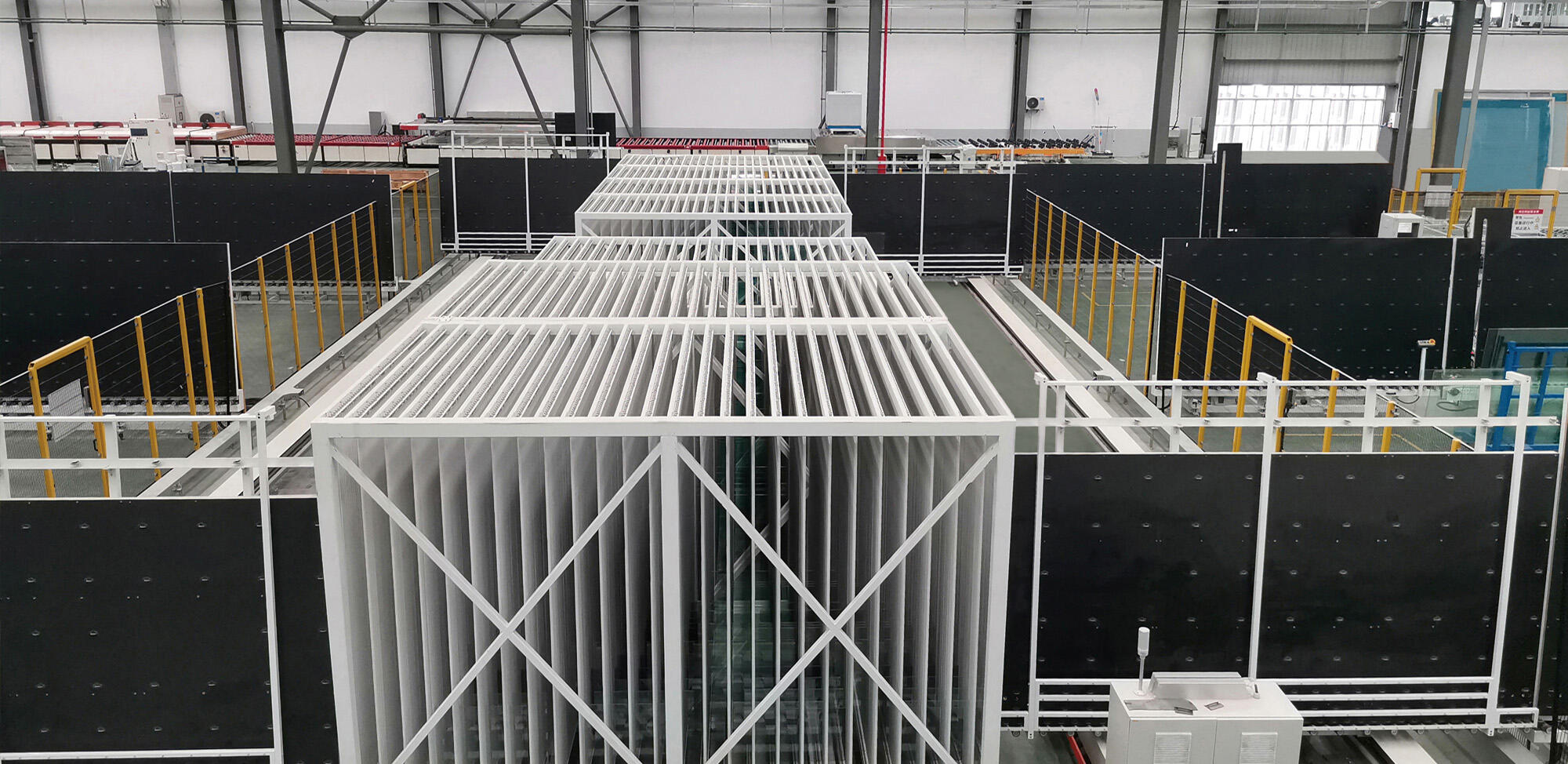
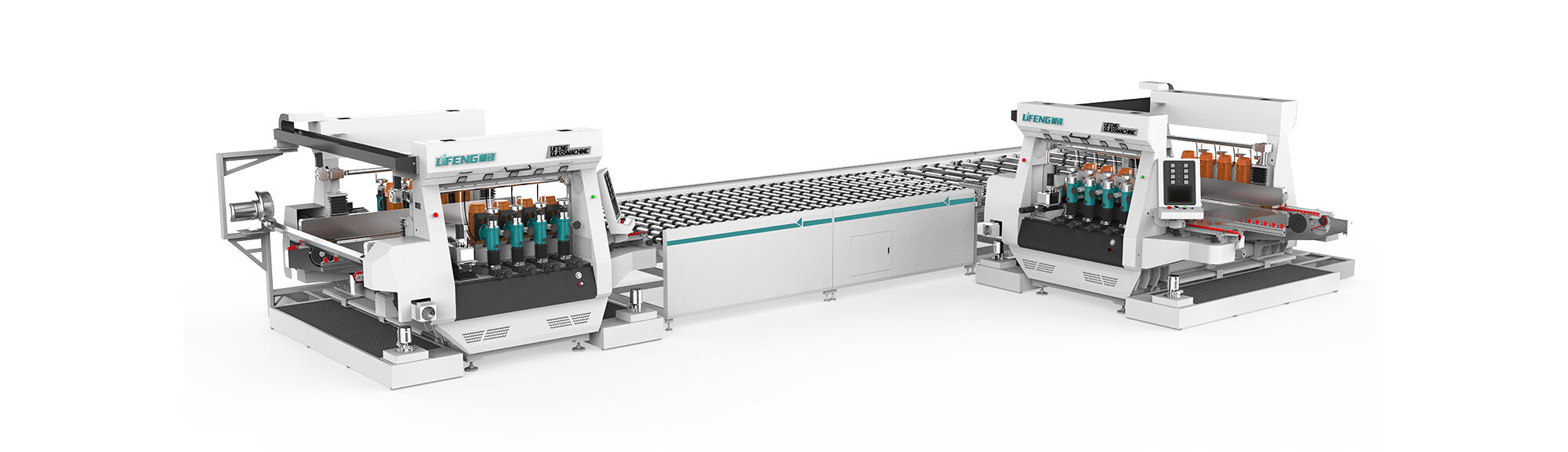
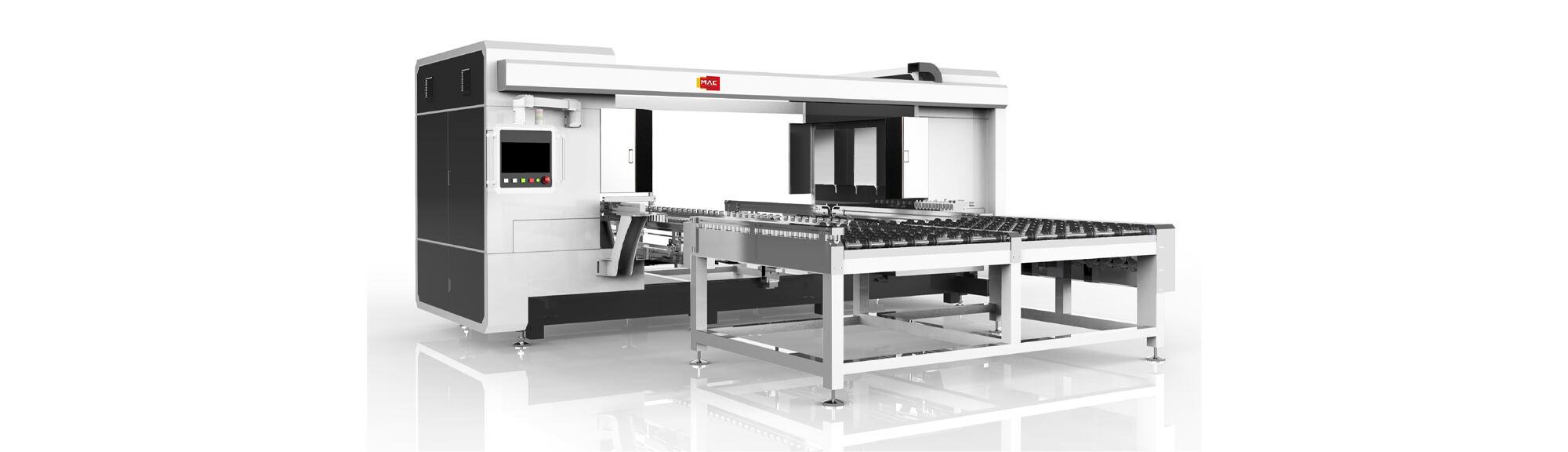
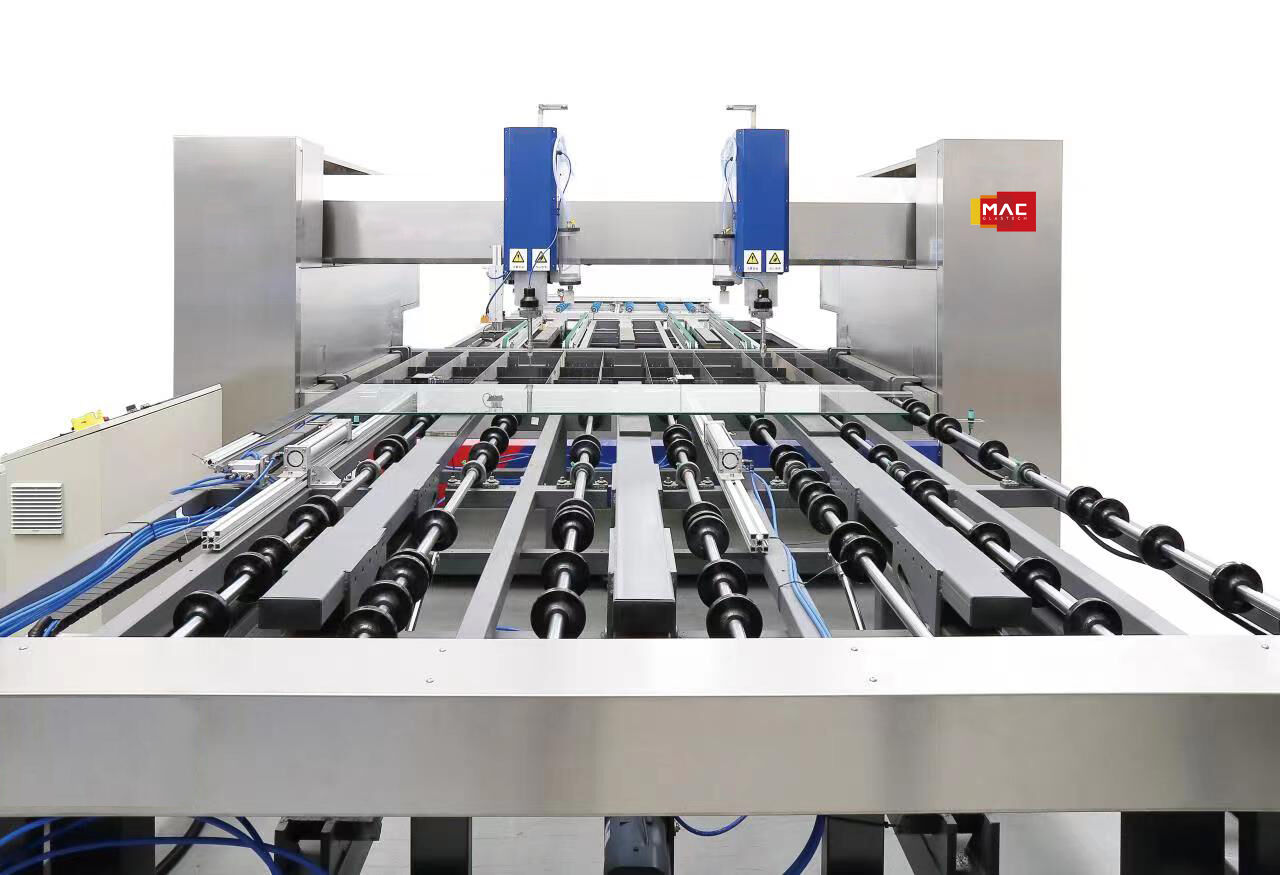
Versatilisus, mille modernesse klaasikilestusmasinasse on projekteeritud mitme klaaskihi ja erinevate vahekihtide konfiguratsioonide töötlemiseks, avab äärmiselt suured äriõigused, mida ühekihilised süsteemid ei suuda rahuldada, ning seab teie tootmisüksuse positsiooni teenida premium-turgu, kus spetsialiseeritud kilestatud tooted tagavad oluliselt kõrgemad kasumimäärad kui tavalised kahekihilised konstruktsioonid. See võimalus tuleneb täiustatud kammerite kujundusest, mille piisavalt suured sisemõõdud võimaldavad paksemate komplektide paigaldamist, tugevdatud soojendussüsteemidest, mis tagavad piisava soojusenergia läbimiseks mitme kihi kaudu, ning tugevdatud survemehhanismidest, mis tagavad keerukamate konfiguratsioonide sidumiseks vajaliku suurema rõhu. Praktilised rakendused hõlmavad arhitektuuriprojekte, kus esitatakse eriti kõrged turvalisusnõuded mitmekihiliste komplektide suhtes – kolm või enam klaaskihti koos mitme vahekihiga moodustavad takistusi, mis vastavad sundsisselõikele, ballistilistele ohtudele või plahvatuse jõududele, mida ühekordne kilestus ei suuda taluda. Klaasikilestusmasinatega tehnoloogia võimaldab teil neid spetsialiseeritud tooteid toota ise, mitte keelduda projektidest ega outsourcida konkurentidele, ning nii saavutada kogu projekti väärtuse ja arendada ekspertteadmisi kasumlikkuses kitsastes turgudes. Akustiline kilestus on veel üks kasumlik rakendus, kus mitmekihiline kilestus koos heli neelavate vahekihtidega tagab üleliialise müra vähenemise linnahoonetel, mis asuvad maanteedel, lennujaamadel või meelelahutuspiirkondades, ning seda aeglaselt kasvavas turul, kus urbaniseerumisega kaasneb keskkonnasügavama müra probleemide tõus. Masina paindlikkus ulatub ka dekoratiivsete rakenduste valdkonda, kus kasutatakse värvilisi vahekihte, klaaskihtide vahele sissepandud materjale (nt kangas või traatvõrk) või trükitud disaine, loodes arhitektuurilisi elemente ja kunstilisi installatsioone, mida disainerid soovivad eristavate hooneesteetiliste omadustega. Erinevate klaastäisuste töötlemise võimekus ühes ja samas komplektis lisab veelgi versatilisust, võimaldades assümeetrilisi konstruktsioone, mis optimeerivad toimetusomadusi: näiteks paigutatakse välisküljele paksem klaas, et suurendada löögi vastupidavust, samas kui sisemised kihid on õhemad, et vähendada kaalu. Klaasikilestusmasinad hakkavad toimetama nende keerukate konfiguratsioonidega programmieritavate töötlemisparameetrite abil, mis kohandavad temperatuuriprofiile ja rõhukõveraid kogu komplekti paksuse ja materjalikoostise järgi, säilitades nii täpsuse, mis on vajalik kvaliteetsete tulemuste saavutamiseks laialdaselt erinevates spetsifikatsioonides. Tulu potentsiaal kasvab kordades, kui teie võimaluste portfell laieneb, võimaldades teil pakkuda lepinguid turvalisuse, transpordi, mere- ja spetsiaalturgude valdkonnas, kus tavalised klaasitöötlemisettevõtted ei suuda teenindada, ning eristada oma ettevõtet tehniliste võimalustega, mis võimaldavad pakkuda premium-hinda. Tootmise efektiivsus – mitme kihi töötlemine ühes tsüklis asemel eraldi kilestusfaasides – vähendab ühiku tootmiskulusid ja parandab kasumimäärasid isegi siis, kui te pakkute spetsialiseeritud toodete eest konkurentsivõimelisi hindu. Kliendisuhete süvenemine toimub siis, kui te muutute nende üheainusena pakkuvaks tarnijaks nii standardsete kui ka spetsialiseeritud kilestatud klaasnõudmistele, lihtsustades nende ostuprotsessi ja kindlustades oma positsiooni nende eelistatuna tarnijana kogu tootevaldkonna piires. Seega muutub klaasikilestusmasinade investeering lihtsast töötlemisseadmest strateegiliseks äriaktiiviks, mis võimaldab turu laienemist, tulu diversifitseerimist ja konkurentsieelise saavutamist üha nõudlikumas klaasitöötlemise tööstusmaastikus.
 EN
EN
 AR
AR
 BG
BG
 HR
HR
 CS
CS
 DA
DA
 NL
NL
 FI
FI
 FR
FR
 DE
DE
 EL
EL
 HI
HI
 IT
IT
 JA
JA
 KO
KO
 PL
PL
 PT
PT
 RO
RO
 RU
RU
 ES
ES
 SV
SV
 TL
TL
 IW
IW
 LV
LV
 LT
LT
 SK
SK
 SL
SL
 UK
UK
 VI
VI
 ET
ET
 HU
HU
 MT
MT
 TH
TH
 TR
TR
 FA
FA
 MS
MS
 SW
SW
 GA
GA
 AZ
AZ