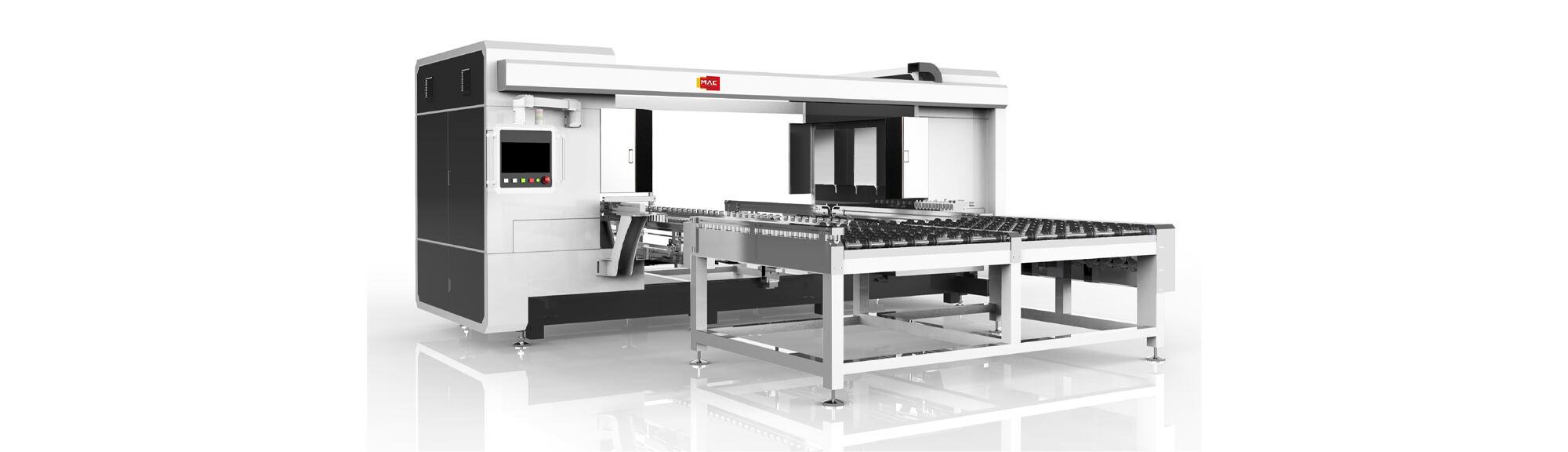
Large Grinder Machine - Industrial Heavy-Duty Grinding Equipment for High-Capacity Material Processing

All Categories

Get a Free Quote

Our representative will contact you soon.
Email
Name
Company Name
Message
0/1000

large grinder machine

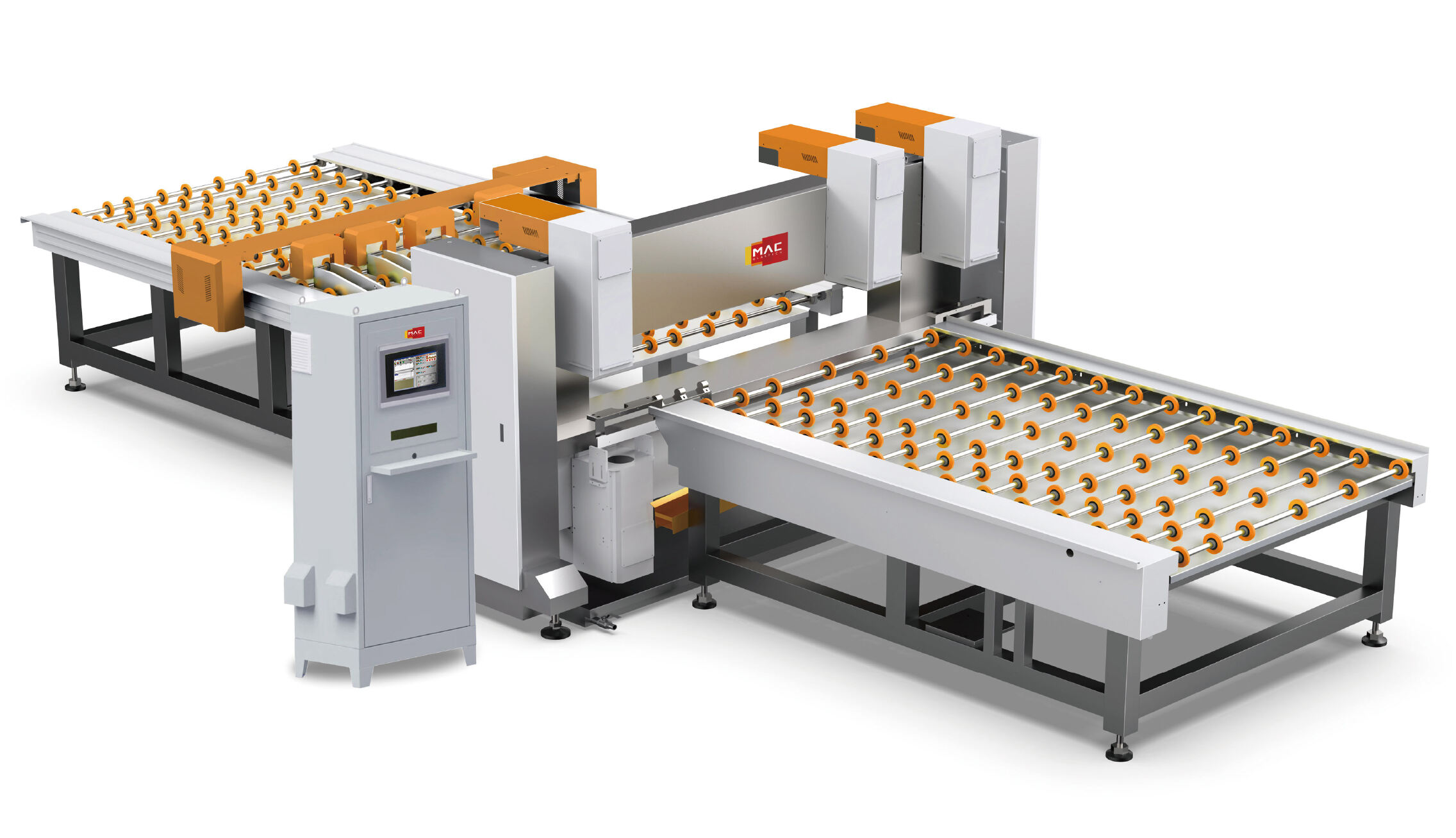
A large grinder machine represents a powerful industrial solution designed to handle heavy-duty grinding, crushing, and size reduction tasks across multiple manufacturing sectors. This robust equipment serves as the backbone of material processing operations, transforming raw materials, waste products, and oversized components into manageable particles or powders. The large grinder machine incorporates advanced engineering principles to deliver consistent performance in demanding production environments where reliability and efficiency are paramount. These machines feature substantial motor power ratings, typically ranging from several horsepower to hundreds of horsepower, enabling them to process tough materials including metals, plastics, wood, rubber, and composite materials. The technological architecture of a large grinder machine encompasses precision-engineered cutting chambers, reinforced grinding elements, and sophisticated control systems that monitor operational parameters in real-time. Modern large grinder machines utilize variable speed drives, allowing operators to adjust processing speeds according to material characteristics and desired output specifications. The robust construction includes heavy-gauge steel frames, hardened steel cutting rotors, and wear-resistant components that withstand continuous operation under extreme conditions. Applications span numerous industries including recycling facilities, manufacturing plants, chemical processing, food production, pharmaceuticals, and waste management operations. In recycling operations, the large grinder machine processes scrap materials, reducing volume for transportation and preparing materials for further refinement. Manufacturing facilities employ these machines for size reduction of production waste, defective products, and material preparation for secondary processes. The versatility of large grinder machines makes them indispensable for operations requiring consistent particle size distribution, high throughput capacity, and minimal downtime, ultimately contributing to improved operational efficiency and cost-effectiveness in industrial material processing workflows.

New Product Releases

Investing in a large grinder machine delivers substantial operational benefits that directly impact your bottom line and production capabilities. First and foremost, these machines dramatically increase processing capacity, handling volumes that would be impossible with smaller equipment or manual methods. Your facility can process tons of material per hour, eliminating bottlenecks and keeping production lines moving smoothly without interruption. The powerful motors and reinforced construction mean you can tackle the toughest materials without worrying about equipment failure or performance degradation. This reliability translates into fewer unexpected shutdowns and maintenance headaches, keeping your operations running consistently day after day. The versatility of a large grinder machine means you can process multiple material types with the same equipment, eliminating the need for separate machines for different applications. This flexibility saves valuable floor space and reduces capital equipment investments while maintaining processing capability across diverse material streams. Energy efficiency represents another significant advantage, as modern large grinder machines incorporate advanced motor technology and optimized grinding mechanisms that minimize power consumption per ton of processed material. You will notice reduced electricity costs compared to older equipment or multiple smaller machines running simultaneously. The precision engineering ensures consistent particle size output, which is critical for downstream processes and product quality. Your materials will meet exact specifications batch after batch, reducing waste from oversized or undersized particles that cannot be used in final products. Safety features built into large grinder machines protect your workforce from accidents and injuries. Emergency stop systems, protective guards, interlock mechanisms, and noise reduction technology create a safer working environment while maintaining OSHA compliance. Automated feeding systems reduce manual handling requirements, further decreasing injury risks and labor costs. The return on investment becomes evident quickly through increased productivity, reduced labor requirements, lower energy consumption, and decreased material waste. Your operational costs decrease while output increases, improving profit margins across your entire operation. Maintenance accessibility is engineered into these machines with quick-access panels, modular components, and standardized parts that service technicians can replace rapidly, minimizing downtime during routine maintenance or repairs. The durability of a large grinder machine means it will serve your facility for decades with proper care, making it a long-term asset rather than a short-term expense.

Tips And Tricks

Why Are Glass Drilling Machines Vital in Automotive and Construction Industries?

28

Oct

Why Are Glass Drilling Machines Vital in Automotive and Construction Industries?

The Evolution of Glass Processing Technology in Modern Industries The landscape of industrial manufacturing has been transformed by the advent of sophisticated glass drilling machines, revolutionizing how we process and manipulate glass materials. Th...
View More
How Do Glass Drilling Machines Handle Different Glass Thicknesses Safely?

28

Oct

How Do Glass Drilling Machines Handle Different Glass Thicknesses Safely?

Understanding Modern Glass Drilling Technology and Safety Mechanisms The world of glass fabrication has evolved significantly with the introduction of advanced glass drilling machines that can handle various glass thicknesses with remarkable precisio...
View More
How to Optimize Production Settings in a Hub Glass Furnace?

24

Nov

How to Optimize Production Settings in a Hub Glass Furnace?

Glass manufacturing represents one of the most energy-intensive industrial processes, requiring precise control of temperature, atmosphere, and raw material flow to achieve optimal production efficiency. Modern hub glass furnace systems have evolved ...
View More
Why Is Automated Insulating Glass Production Increasing in Large Factories?

19

Dec

Why Is Automated Insulating Glass Production Increasing in Large Factories?

The construction and manufacturing industries are experiencing a significant shift toward automation, with automated insulating glass production leading this transformation in large-scale factories. This evolution represents more than just technologi...
View More

Get a Free Quote

Our representative will contact you soon.
Email
Name
Company Name
Message
0/1000

large grinder machine

Exceptional Processing Power and Throughput Capacity

Exceptional Processing Power and Throughput Capacity

The defining characteristic that sets a large grinder machine apart from conventional grinding equipment is its exceptional processing power and throughput capacity, engineered specifically for industrial-scale operations that demand uncompromising performance. These machines incorporate high-torque motors ranging from 50 to 500 horsepower or more, providing the mechanical force necessary to process the most challenging materials including hardened metals, dense plastics, fibrous materials, and abrasive composites. The grinding chamber dimensions are substantially larger than standard equipment, accommodating oversized feed materials that would jam or damage smaller machines. This capability eliminates pre-processing steps, allowing you to feed bulky items directly into the large grinder machine without time-consuming manual size reduction. The rotor assembly features multiple rows of precision-machined cutting tools arranged in carefully calculated geometric patterns that optimize material engagement and cutting efficiency. As materials enter the grinding chamber, the rotating cutting tools impact, shear, and fracture them through multiple mechanisms simultaneously, achieving rapid size reduction with minimal energy waste. The large flywheel mass inherent in these machines provides momentum that carries through momentary load increases when dense materials enter the cutting zone, preventing motor stalling and maintaining consistent rotational speed. Throughput rates for a large grinder machine typically range from several hundred pounds per hour to multiple tons per hour, depending on material characteristics and desired output size. This processing capacity transforms operational economics by reducing batch processing times from hours to minutes, enabling continuous feed operations that integrate seamlessly with upstream and downstream production processes. The substantial grinding chamber volume also reduces the likelihood of material bridging or jamming, as there is ample space for material movement and sufficient cutting tool engagement surface area. Advanced bearing systems support the heavy rotor assembly while minimizing friction losses, and precision balancing eliminates vibration that could compromise cutting accuracy or accelerate component wear. For facilities processing mixed material streams, the large grinder machine handles variations in material density, moisture content, and physical properties without requiring constant adjustment or operator intervention, maintaining productivity across diverse operational conditions.
Advanced Engineering for Durability and Minimal Maintenance

Advanced Engineering for Durability and Minimal Maintenance

A large grinder machine represents a significant capital investment, and the advanced engineering focused on durability and minimal maintenance requirements ensures this investment delivers value throughout its operational lifetime. The foundation begins with heavy-duty frame construction using thick steel plate and structural reinforcement that absorbs operational stresses without flexing or deforming. This rigid foundation maintains precise alignment of rotating components even after years of continuous operation, preventing the gradual degradation in cutting performance that occurs when components shift out of specification. The cutting rotor itself is machined from solid steel forgings or constructed from heavy plate sections, providing mass that resists deflection under load and creates the momentum necessary for efficient grinding action. Cutting tools are manufactured from tool steel alloys or carbide materials, specifically selected for their wear resistance and ability to maintain sharp cutting edges through millions of cutting cycles. When cutting tools do eventually wear, the modular tool mounting system allows quick replacement without disassembling major machine components, minimizing downtime to minutes rather than hours. Bearing assemblies supporting the rotor utilize oversized industrial-grade bearings with extended lubrication intervals, and many large grinder machines incorporate automatic lubrication systems that deliver precise lubricant quantities to critical points on programmed schedules. This automation eliminates the inconsistency of manual lubrication while ensuring bearings receive optimal lubrication throughout their service life. The grinding chamber interior features replaceable wear liners protecting the main structure from abrasion, and these liners are designed for straightforward removal and installation using common tools. Electrical and control components are housed in sealed enclosures protected from dust, moisture, and temperature extremes, extending component life and maintaining reliable operation in harsh industrial environments. Motor cooling systems incorporate oversized fans or liquid cooling circuits that prevent overheating during extended operation at maximum capacity. Preventive maintenance requirements are minimized through robust component selection and design, with typical maintenance intervals measured in hundreds or thousands of operating hours rather than daily or weekly schedules. When maintenance is required, technician-friendly design provides clear access to inspection points, wear components, and adjustment mechanisms without requiring specialized tools or extensive disassembly. Documentation packages include detailed maintenance schedules, exploded-view diagrams, parts lists, and troubleshooting guides that empower your maintenance team to perform routine service efficiently and address issues quickly when they arise.
Intelligent Control Systems and Operational Safety Features

Intelligent Control Systems and Operational Safety Features

Modern large grinder machines incorporate intelligent control systems and comprehensive safety features that transform raw mechanical power into precisely controlled, operator-friendly equipment meeting contemporary industrial standards. The control architecture typically centers on programmable logic controllers that monitor dozens of operational parameters simultaneously, including motor current, rotor speed, bearing temperature, vibration levels, and hydraulic pressure where applicable. These controllers execute sophisticated algorithms that optimize grinding performance by adjusting operational parameters in response to changing material characteristics and feed rates. Variable frequency drives connected to the main motor provide smooth acceleration and deceleration, eliminating the mechanical shock associated with across-the-line motor starting while enabling precise speed control across the operational range. Operators can select optimal rotor speeds for different materials through the human-machine interface, with control systems preventing speed selections that could compromise safety or equipment integrity. Automatic feed control systems monitor motor current draw as an indicator of grinding chamber load, modulating material feed rate to maintain optimal loading that maximizes throughput without overloading the motor or cutting tools. This automation eliminates the need for constant operator attention while preventing the material jamming and motor overload conditions that cause unplanned shutdowns. Safety interlocks prevent machine startup when access doors or guards are open, and emergency stop controls positioned around the equipment perimeter enable immediate shutdown from any operator position. Advanced large grinder machines include reverse rotation capabilities that clear jammed materials without requiring manual intervention inside the grinding chamber, significantly reducing injury risk during jam clearing operations. Sound enclosures and vibration isolation systems reduce noise emissions to levels compliant with workplace safety regulations, protecting operator hearing during extended exposure. Dust collection interfaces connect the grinding chamber to facility extraction systems, capturing airborne particulates generated during grinding and maintaining air quality within safe limits. Some large grinder machines incorporate metal detection systems that identify ferrous and non-ferrous metal contaminants in feed materials, triggering automatic shutdown before metal pieces damage cutting tools. Diagnostic systems continuously monitor equipment health indicators, providing early warning of developing mechanical issues through vibration analysis, temperature trending, and abnormal current patterns. These predictive capabilities enable scheduled maintenance to address emerging problems before they cause failures, maximizing equipment uptime and avoiding costly emergency repairs. Remote monitoring capabilities available on premium large grinder machines allow maintenance personnel and equipment managers to observe operational parameters and machine status from central control rooms or even off-site locations through secure network connections.