Advanced Multi-Zone Temperature Control Ensures Superior Glass Quality
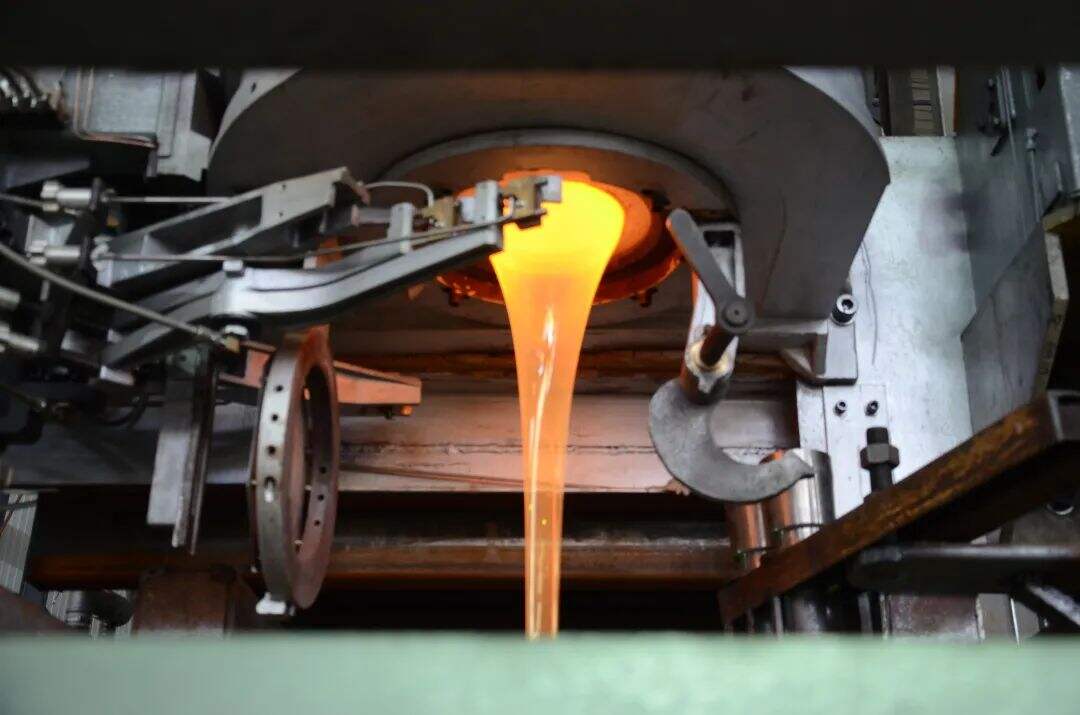
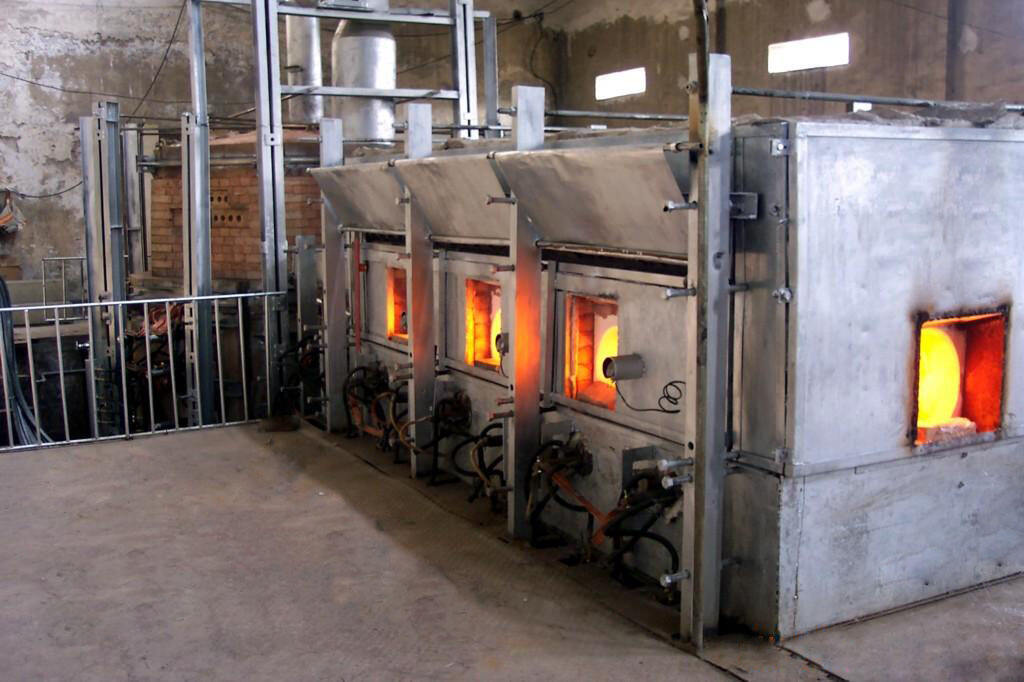
Precision temperature management stands as a critical factor determining glass quality, and the furnace for glass manufacturing addresses this requirement through sophisticated multi-zone control architecture that independently regulates thermal conditions throughout the melting, refining, and conditioning processes. The melting zone maintains peak temperatures where raw material batches undergo initial fusion, with strategically positioned burners creating optimal heat distribution patterns that promote efficient vitrification. Separate control systems govern the refining zone, where slightly reduced temperatures and extended residence time allow trapped gas bubbles to rise and escape from the molten glass, eliminating seeds and blisters that would compromise optical clarity and structural integrity. The conditioning zone operates at precisely controlled lower temperatures that adjust glass viscosity to ideal levels for subsequent forming operations, whether float processing, container molding, or fiber drawing applications. Each zone within the furnace for glass manufacturing features multiple temperature sensors that continuously monitor thermal conditions at various depths and locations, feeding real-time data to computerized control systems. These systems employ advanced algorithms that automatically adjust burner firing rates, fuel-air ratios, and electric boost power to maintain target temperatures within narrow tolerances, typically plus or minus five degrees Celsius. Operators can modify temperature profiles through intuitive interfaces, adapting melting conditions to accommodate different glass compositions without compromising quality or efficiency. This flexibility proves invaluable for facilities producing multiple product lines or responding to changing customer specifications. The independent zone control also enables optimized energy distribution, concentrating thermal input where most needed while minimizing waste heat generation. Glass quality improvements resulting from precise temperature control include enhanced chemical homogeneity, improved surface finish, reduced stone and cord defects, and consistent physical properties throughout production runs. These quality enhancements reduce scrap rates, lower inspection costs, and strengthen customer satisfaction through reliable product performance. The furnace for glass manufacturing achieves quality levels that meet demanding specifications for automotive glazing, architectural applications, pharmaceutical packaging, and specialty optical components. Temperature control precision also facilitates rapid grade changes, as operators can adjust thermal profiles to accommodate different glass compositions within hours rather than days. This responsiveness improves production scheduling flexibility and enables manufacturers to capitalize on market opportunities requiring quick turnaround. Documentation and data logging capabilities within modern control systems provide complete thermal history records, supporting quality assurance programs and troubleshooting efforts.