Auto Glass Cutting Systems - Precision Technology for Automotive Glass Manufacturing

All Categories

Get a Free Quote

Our representative will contact you soon.
Email
Name
Company Name
Message
0/1000

auto glass cutting

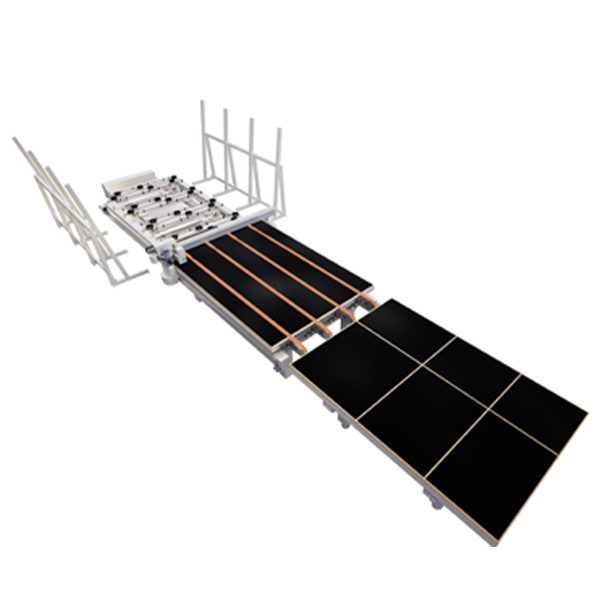
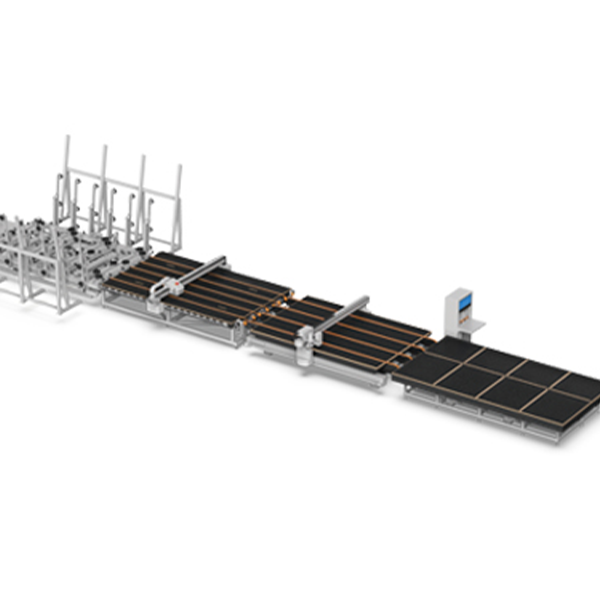
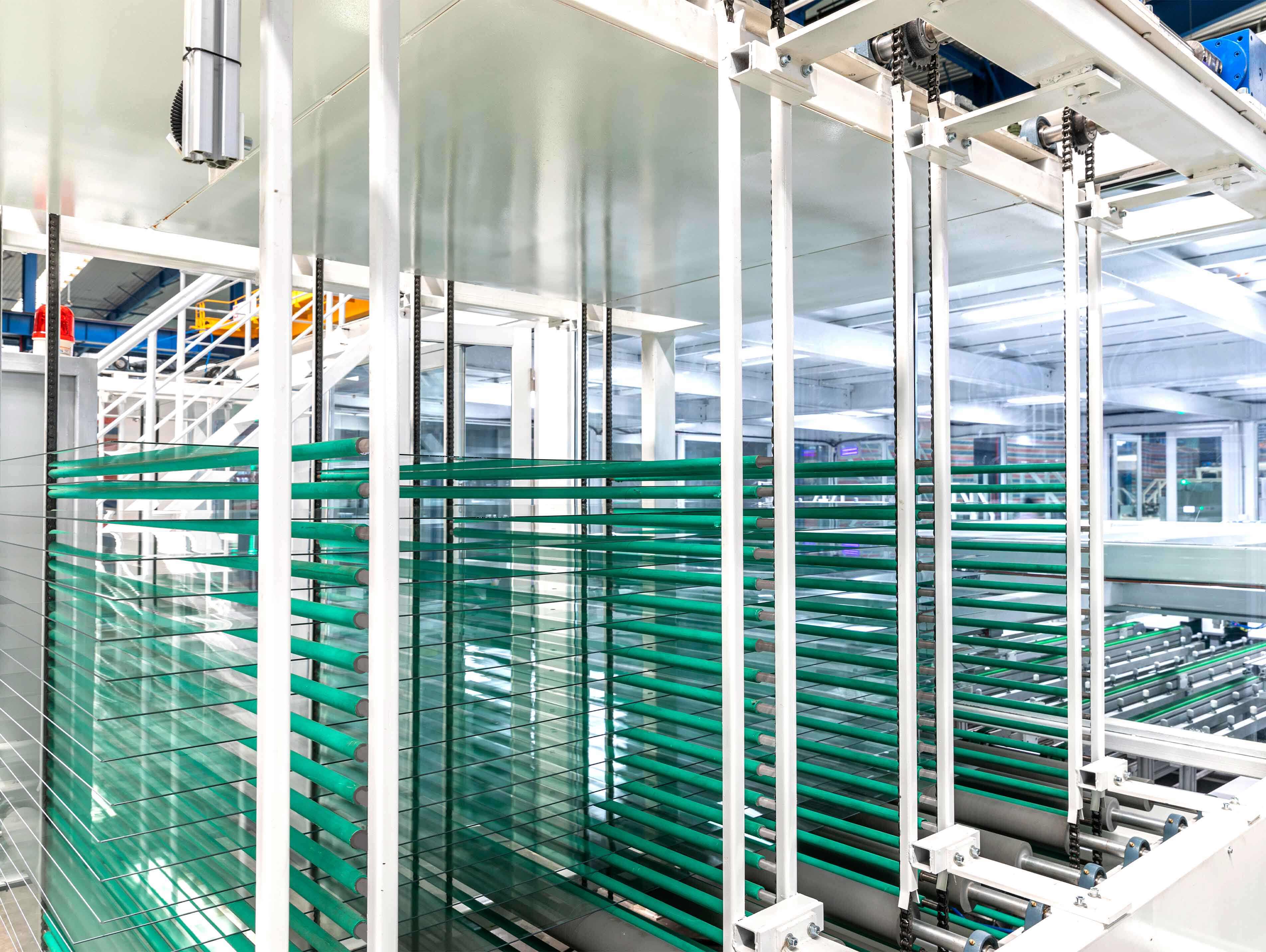
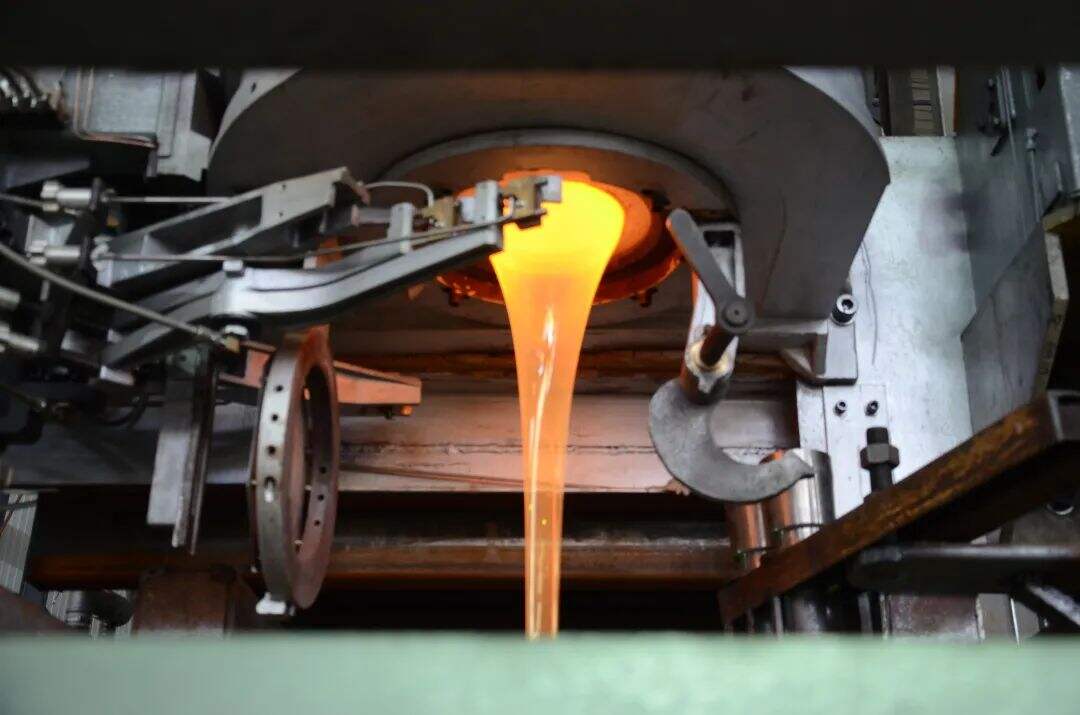
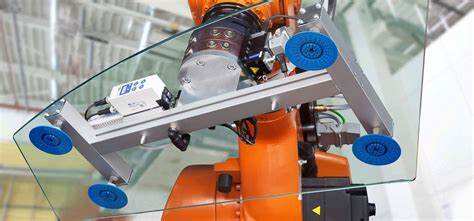
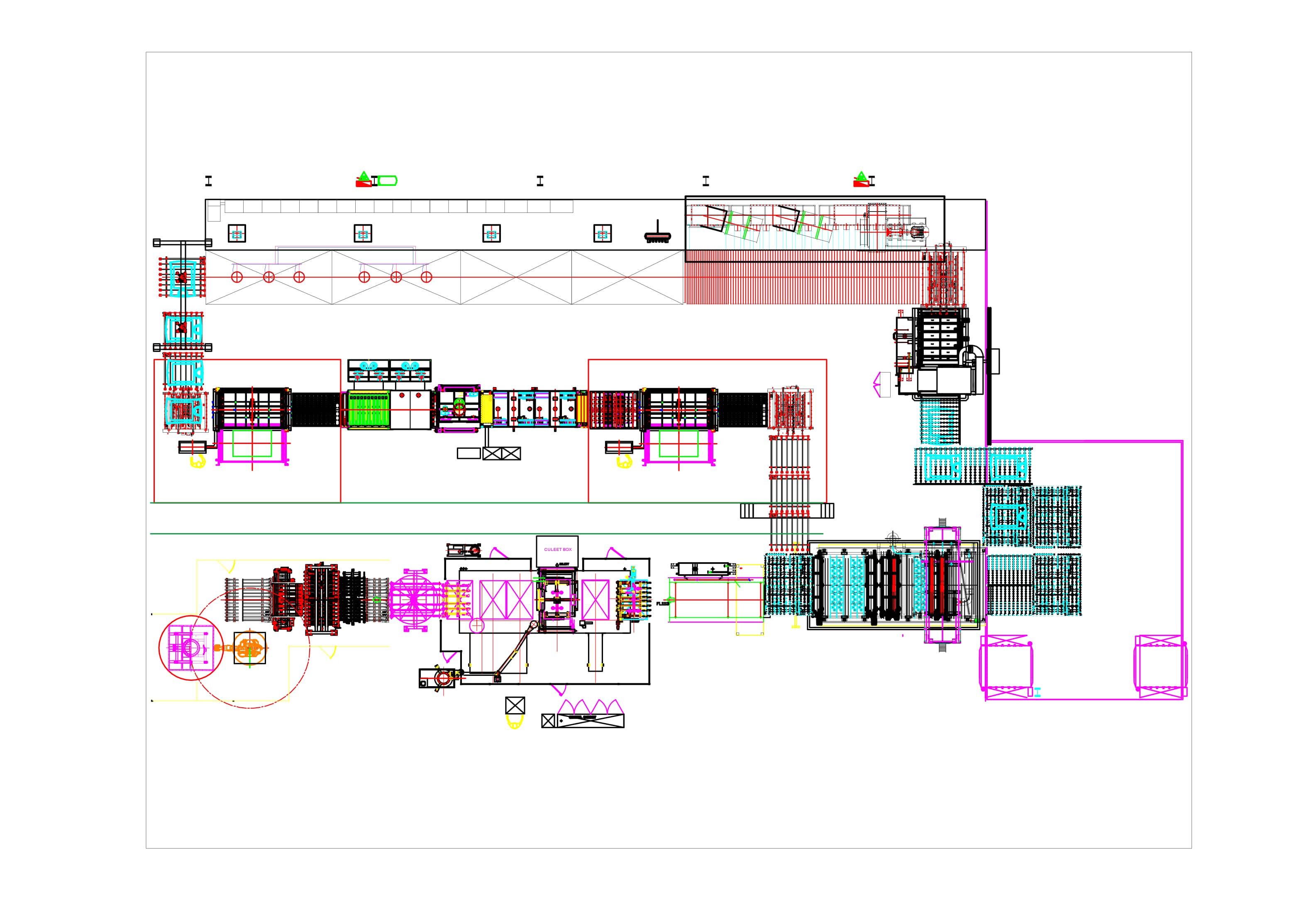
Auto glass cutting represents a critical manufacturing process that shapes and prepares glass panels for vehicle installation with exceptional precision and efficiency. This specialized technology combines advanced machinery, computer-controlled systems, and refined techniques to transform large glass sheets into perfectly fitted windshields, side windows, rear windows, and sunroof panels. Modern auto glass cutting systems utilize state-of-the-art equipment including CNC cutting tables, waterjet cutters, laser cutting machines, and diamond-tipped tools to achieve accurate dimensions and smooth edges. The main functions of auto glass cutting encompass pattern recognition, automated cutting path optimization, edge grinding, hole drilling for mounting hardware, and quality inspection. These systems can process various glass types including laminated glass for windshields, tempered glass for side and rear windows, and specialized acoustic or solar control glass. Technological features include digital template storage, real-time monitoring sensors, automatic tool adjustment, waste minimization algorithms, and integration with vehicle design databases. The cutting process begins with loading raw glass sheets onto the cutting table, followed by computer-guided scoring or cutting along predetermined paths, then breaking or separating the glass pieces, and finally finishing the edges to eliminate sharp surfaces and ensure proper fit. Auto glass cutting finds applications across automotive manufacturing plants, aftermarket glass replacement facilities, specialty vehicle customization shops, and heavy equipment glass production. The technology serves passenger vehicles, commercial trucks, buses, construction equipment, agricultural machinery, and recreational vehicles. Quality control measures throughout the cutting process ensure each piece meets strict safety standards and dimensional tolerances required for proper installation and occupant protection. The integration of auto glass cutting systems with broader manufacturing workflows enables just-in-time production, reduces inventory costs, and supports customization for different vehicle models and regional specifications.

New Products

Auto glass cutting technology delivers substantial benefits that directly impact production efficiency, cost management, and product quality for manufacturers and service providers. The automated nature of modern cutting systems significantly reduces labor requirements while simultaneously increasing output capacity, allowing facilities to process more glass pieces per shift with fewer personnel. This automation translates into consistent quality across thousands of units, eliminating the variations that occur with manual cutting methods and ensuring every piece meets exact specifications. The precision achieved through computer-controlled cutting minimizes material waste by optimizing how pieces are arranged on source glass sheets, which reduces raw material costs and supports environmental sustainability goals. Faster cutting cycles mean shorter lead times from order to delivery, enabling businesses to respond quickly to customer demands and market changes without maintaining excessive inventory. The versatility of auto glass cutting equipment allows facilities to switch between different vehicle models and glass types rapidly, supporting diverse product portfolios without requiring separate machinery for each application. Safety improvements represent another crucial advantage, as automated systems keep workers away from sharp edges and reduce repetitive motion injuries associated with manual glass handling. The digital templates used in auto glass cutting eliminate errors from outdated patterns or miscommunication, ensuring production always reflects the latest design specifications. Energy efficiency has improved dramatically in modern cutting systems, with optimized motors and intelligent power management reducing operating costs while supporting corporate sustainability initiatives. The edge quality produced by automated cutting and grinding processes enhances installation efficiency because properly finished edges fit precisely into vehicle frames without additional trimming or adjustment. Maintenance requirements have decreased with newer equipment designs that feature self-diagnostic capabilities and alert operators to potential issues before failures occur, maximizing uptime and productivity. The data collection capabilities built into contemporary auto glass cutting systems provide valuable insights into production metrics, quality trends, and equipment performance, enabling continuous improvement initiatives. Integration with enterprise resource planning systems streamlines workflow coordination, inventory management, and order fulfillment processes throughout the organization. The scalability of auto glass cutting technology allows businesses to start with basic systems and expand capabilities as demand grows, protecting initial investments while supporting long-term growth strategies. Training new operators has become simpler with intuitive user interfaces and comprehensive safety features that reduce the learning curve and build confidence quickly. The consistent results from auto glass cutting systems strengthen customer satisfaction by delivering reliable products that fit correctly the first time, reducing callbacks and warranty claims that damage profitability and reputation.

Practical Tips

What Are the Future Trends in Intelligent Glass Sorting Systems?

24

Sep

What Are the Future Trends in Intelligent Glass Sorting Systems?

The Evolution of Advanced Glass Sorting Technology The landscape of glass recycling and processing is undergoing a remarkable transformation through intelligent glass sorting systems. These sophisticated technologies are revolutionizing how we handle...
View More
How to Select the Right Hub Glass Furnace for Your Facility?

24

Nov

How to Select the Right Hub Glass Furnace for Your Facility?

Selecting the appropriate hub glass furnace for your manufacturing facility represents one of the most critical decisions that will impact your production efficiency, product quality, and long-term operational costs. A hub glass furnace serves as the...
View More
Why Are CNC Grinding Machines Preferred in Modern Production Lines?

19

Dec

Why Are CNC Grinding Machines Preferred in Modern Production Lines?

Modern manufacturing has undergone a revolutionary transformation with the integration of advanced grinding technologies. Among these innovations, specialized grinding equipment has become indispensable for achieving precision results in various indu...
View More
How Can Grinding Machines Enhance Surface Finish and Dimensional Accuracy?

19

Dec

How Can Grinding Machines Enhance Surface Finish and Dimensional Accuracy?

Manufacturing precision has reached unprecedented levels in modern industrial applications, where surface finish quality and dimensional accuracy determine product performance and market competitiveness. Advanced grinding machines represent the corne...
View More

Get a Free Quote

Our representative will contact you soon.
Email
Name
Company Name
Message
0/1000

auto glass cutting

Precision Engineering for Perfect Vehicle Fit

Precision Engineering for Perfect Vehicle Fit

The precision engineering capabilities of auto glass cutting systems represent a transformative advantage that directly addresses one of the most critical requirements in automotive glass manufacturing and replacement. Modern cutting technology achieves tolerances measured in fractions of a millimeter, ensuring each glass piece conforms exactly to the complex curves and angles specified in vehicle designs. This precision stems from multiple technological innovations working in concert. Computer-aided design integration allows cutting systems to access digital vehicle models directly, eliminating transcription errors and ensuring cutting patterns reflect the latest engineering changes. High-resolution cameras and laser measurement devices scan glass sheets before cutting begins, detecting any irregularities in thickness or surface quality that might affect the final product. Servo-controlled cutting heads follow programmed paths with extraordinary accuracy, maintaining consistent pressure and angle throughout the entire cutting process regardless of glass thickness or composition. The precision extends beyond initial cuts to include edge finishing operations that create smooth, uniform surfaces essential for proper seal installation and structural integrity. Temperature-controlled cutting environments prevent thermal expansion or contraction that could introduce dimensional variations during processing. Advanced software algorithms compensate for tool wear automatically, adjusting cutting parameters in real-time to maintain accuracy even as diamond wheels or other cutting implements gradually degrade. Multi-axis positioning systems enable the creation of complex three-dimensional edge profiles required for modern vehicle designs where glass pieces contribute to aerodynamic performance and aesthetic appeal. Quality verification systems integrated into cutting lines measure finished pieces against digital specifications, flagging any deviations before pieces move to packaging and shipping. This precision directly benefits vehicle manufacturers by reducing assembly line delays caused by glass pieces that do not fit properly, while aftermarket installers experience fewer callbacks and faster installation times. The accuracy of auto glass cutting eliminates the frustration and additional costs associated with ordering replacement pieces or attempting field modifications to force ill-fitting glass into place. For end customers, precision-cut glass ensures proper sealing against water and air infiltration, maintains intended visibility angles for driver safety, and preserves the structural contribution glass makes to vehicle crashworthiness. The consistency enabled by precision cutting supports warranty programs by ensuring every vehicle receives glass components built to identical specifications regardless of production date or manufacturing location.
Intelligent Material Optimization and Waste Reduction

Intelligent Material Optimization and Waste Reduction

Intelligent material optimization represents one of the most economically and environmentally significant advantages of contemporary auto glass cutting technology. Advanced nesting software analyzes the shapes of required glass pieces and calculates the most efficient arrangement on source glass sheets, maximizing the number of usable parts extracted from each sheet while minimizing leftover scrap. This optimization occurs in seconds, evaluating thousands of potential arrangements to identify configurations that balance material efficiency with production workflow requirements. The software considers multiple factors beyond simple geometric packing, including cutting path efficiency to reduce tool travel time, the orientation of glass pieces to maintain proper tempering patterns, and the sequencing of cuts to prevent stress concentrations that could cause premature breakage. Real-time inventory awareness allows the optimization system to incorporate partially used glass sheets from previous production runs, further reducing waste by utilizing remnants that might otherwise be discarded. The technology tracks material utilization rates across shifts, production lines, and time periods, providing management with actionable data to identify improvement opportunities and benchmark performance against industry standards. Predictive analytics built into modern systems forecast material requirements based on production schedules and historical usage patterns, enabling more accurate purchasing decisions that prevent both shortages and excess inventory. The waste reduction achieved through intelligent optimization delivers multiple benefits throughout the value chain. Material costs represent a significant portion of glass manufacturing expenses, so increasing yield from each source sheet directly improves profit margins without requiring price increases or volume growth. Environmental benefits include reduced demand for raw materials, decreased energy consumption associated with glass production, and less waste requiring disposal or recycling. The sustainability credentials enabled by waste reduction increasingly influence purchasing decisions as vehicle manufacturers and consumers prioritize environmental responsibility. Smaller waste streams reduce hauling costs and landfill fees while potentially creating revenue opportunities through recycling programs that reclaim cullet for new glass production. The efficiency gains from material optimization free up capital that businesses can redirect toward equipment upgrades, workforce development, or market expansion initiatives. Quality improvements accompany waste reduction because optimized cutting patterns reduce internal stress in glass pieces, decreasing the likelihood of spontaneous breakage during tempering, handling, or installation. The data generated by optimization systems supports continuous improvement methodologies by identifying specific patterns, operators, or equipment configurations that achieve superior material utilization.
Versatile Multi-Glass Processing Capability

Versatile Multi-Glass Processing Capability

The versatile multi-glass processing capability of modern auto glass cutting systems provides manufacturers and service providers with strategic flexibility that drives competitive advantage in dynamic markets. Unlike older dedicated equipment that could handle only specific glass types or thicknesses, contemporary cutting technology accommodates the full spectrum of automotive glass products within a single system. This versatility begins with adjustable cutting parameters that operators can modify to suit different glass compositions, from standard annealed glass requiring gentle handling to hardened tempered glass demanding aggressive cutting approaches. Laminated windshield glass with its plastic interlayer receives specialized treatment that cuts through both glass layers while leaving the bonding material intact for subsequent separation. Acoustic glass with sound-dampening properties, solar control glass with reflective coatings, heated glass with embedded wires, and privacy glass with tinting all process successfully through versatile cutting systems configured appropriately for each material. The equipment handles thickness variations from thin side window glass measuring just a few millimeters to thick sunroof panels exceeding ten millimeters without requiring time-consuming changeovers or specialized tooling. Size flexibility enables processing everything from small quarter windows to expansive panoramic windshields on the same cutting table through adjustable work surfaces and scalable cutting envelopes. Quick-change tooling systems allow operators to swap cutting wheels, drilling bits, or grinding heads in minutes rather than hours, supporting efficient transitions between production runs for different vehicle models. The software driving versatile auto glass cutting systems maintains libraries of cutting parameters for hundreds of glass types and vehicle applications, enabling operators to select appropriate settings with simple menu choices rather than manual calculations. This versatility delivers compelling business advantages by eliminating the need for multiple specialized machines, reducing equipment investment requirements and factory floor space consumption. Production scheduling becomes more flexible when a single system can process diverse orders, preventing bottlenecks and enabling rapid response to changing customer demands. The ability to handle specialty glass types opens market opportunities in premium vehicle segments, custom applications, and aftermarket upgrades that command higher profit margins. Training efficiency improves because operators learn one versatile system rather than multiple specialized machines, while maintenance becomes simpler with standardized components and consolidated spare parts inventory. The versatility supports business growth by allowing companies to enter new market segments without major capital expenditures for additional equipment.