Comprehensive Customization Capabilities and Design Flexibility
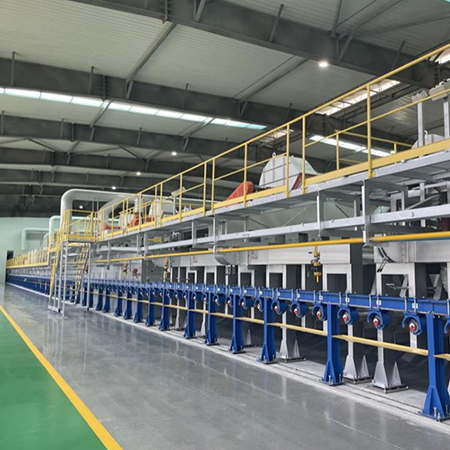
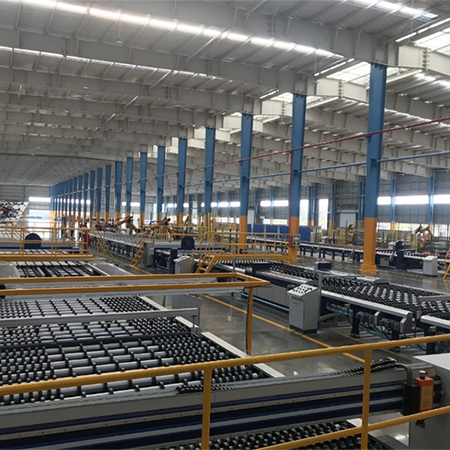
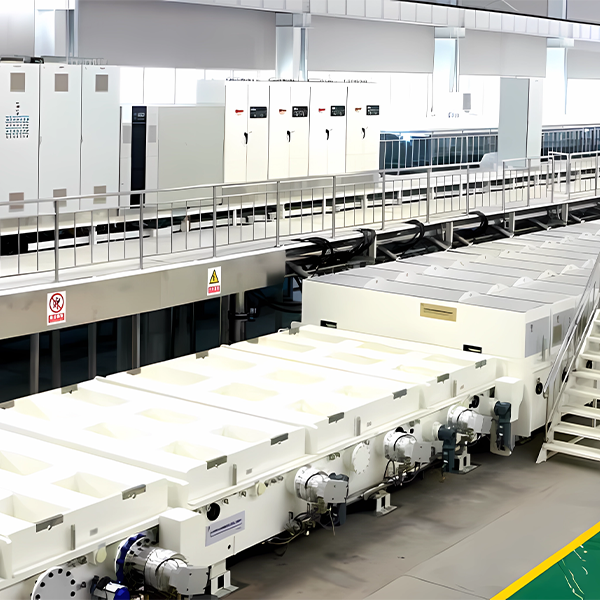
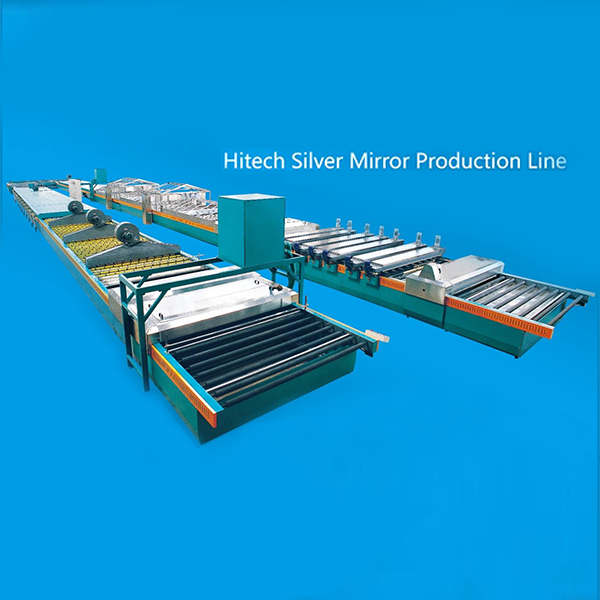
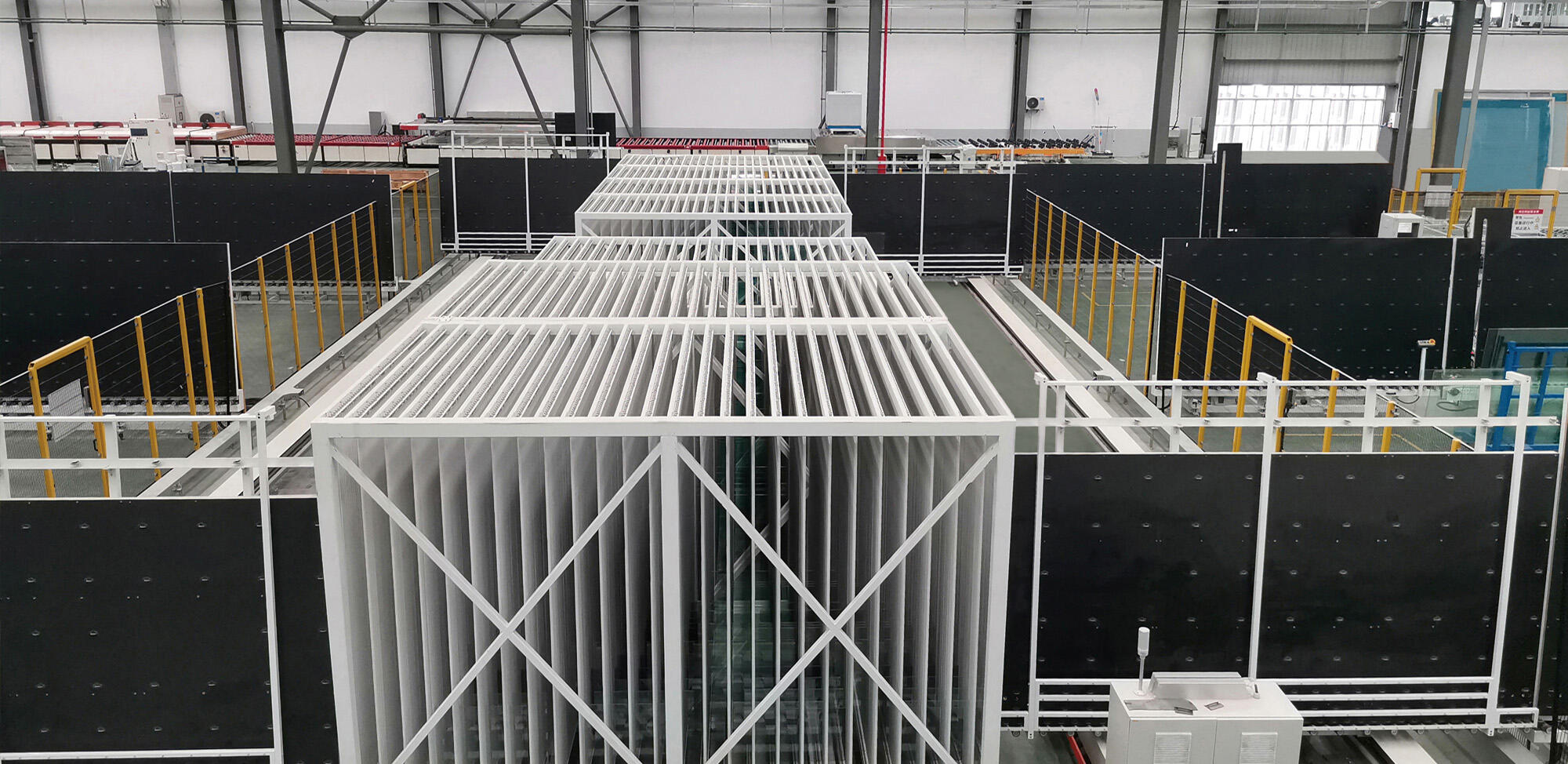
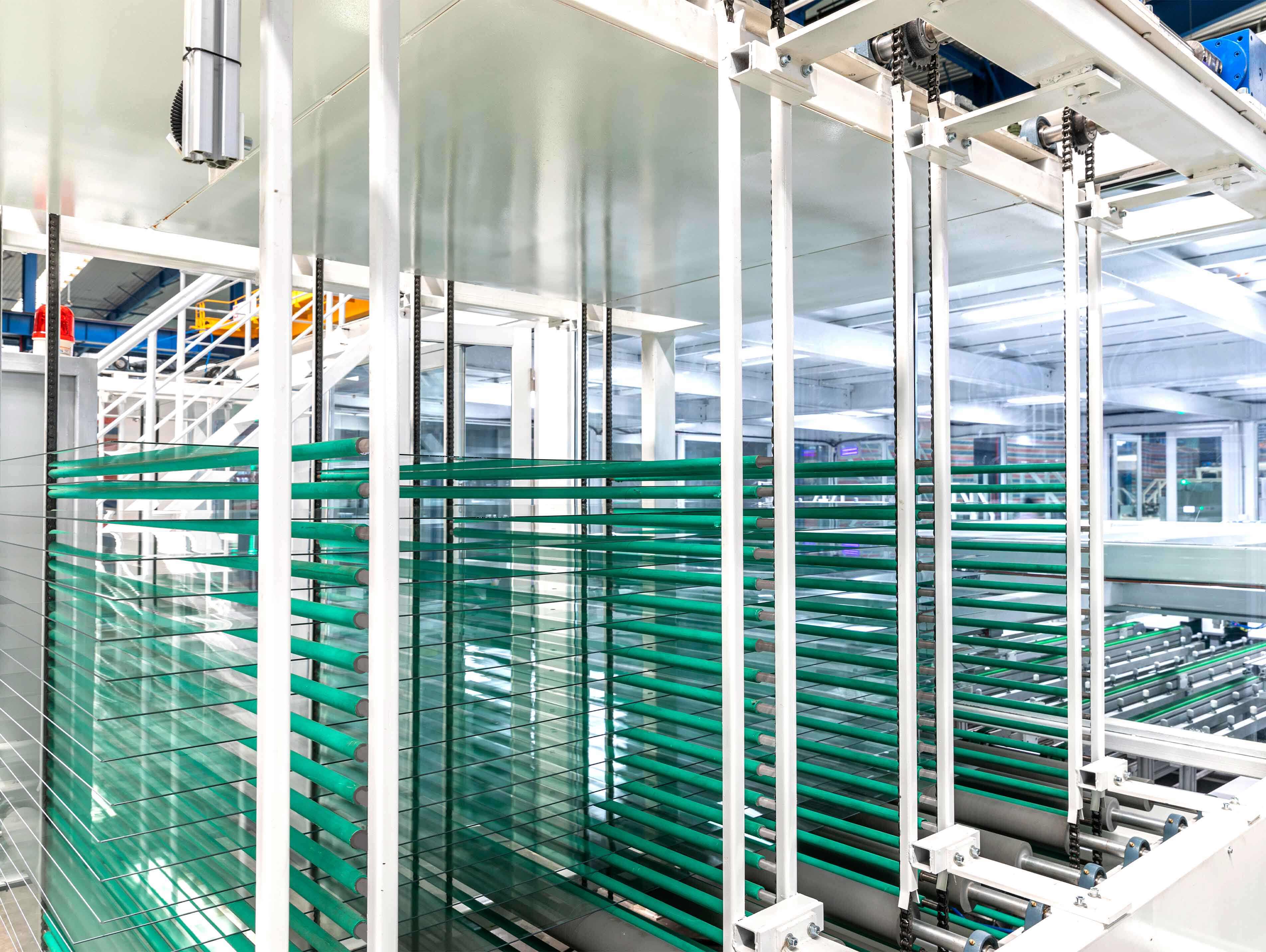
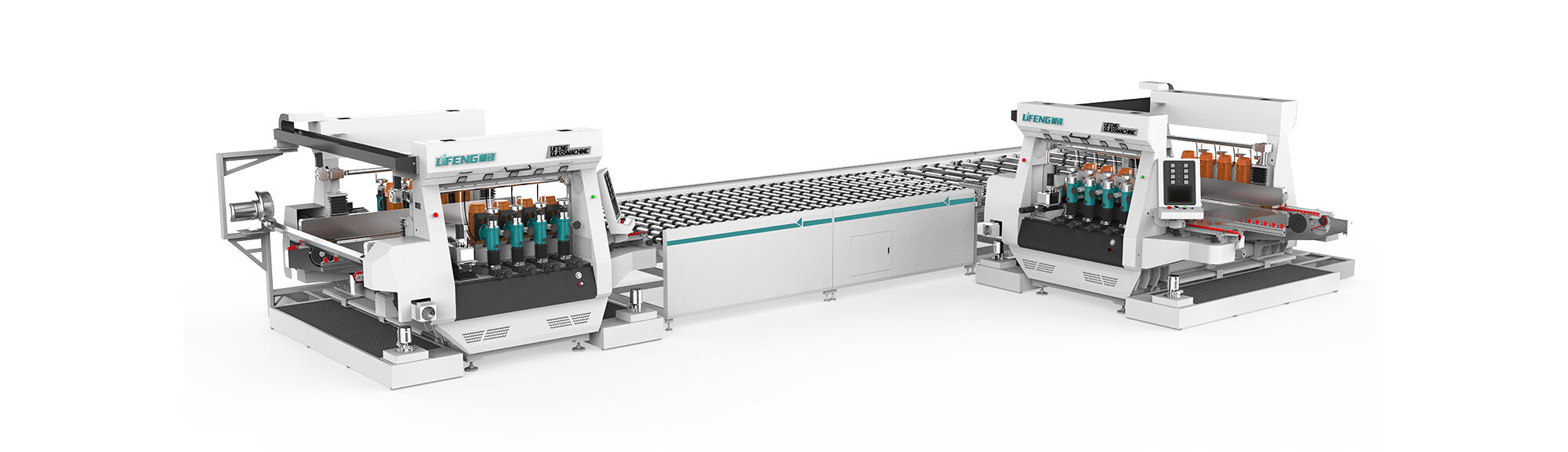
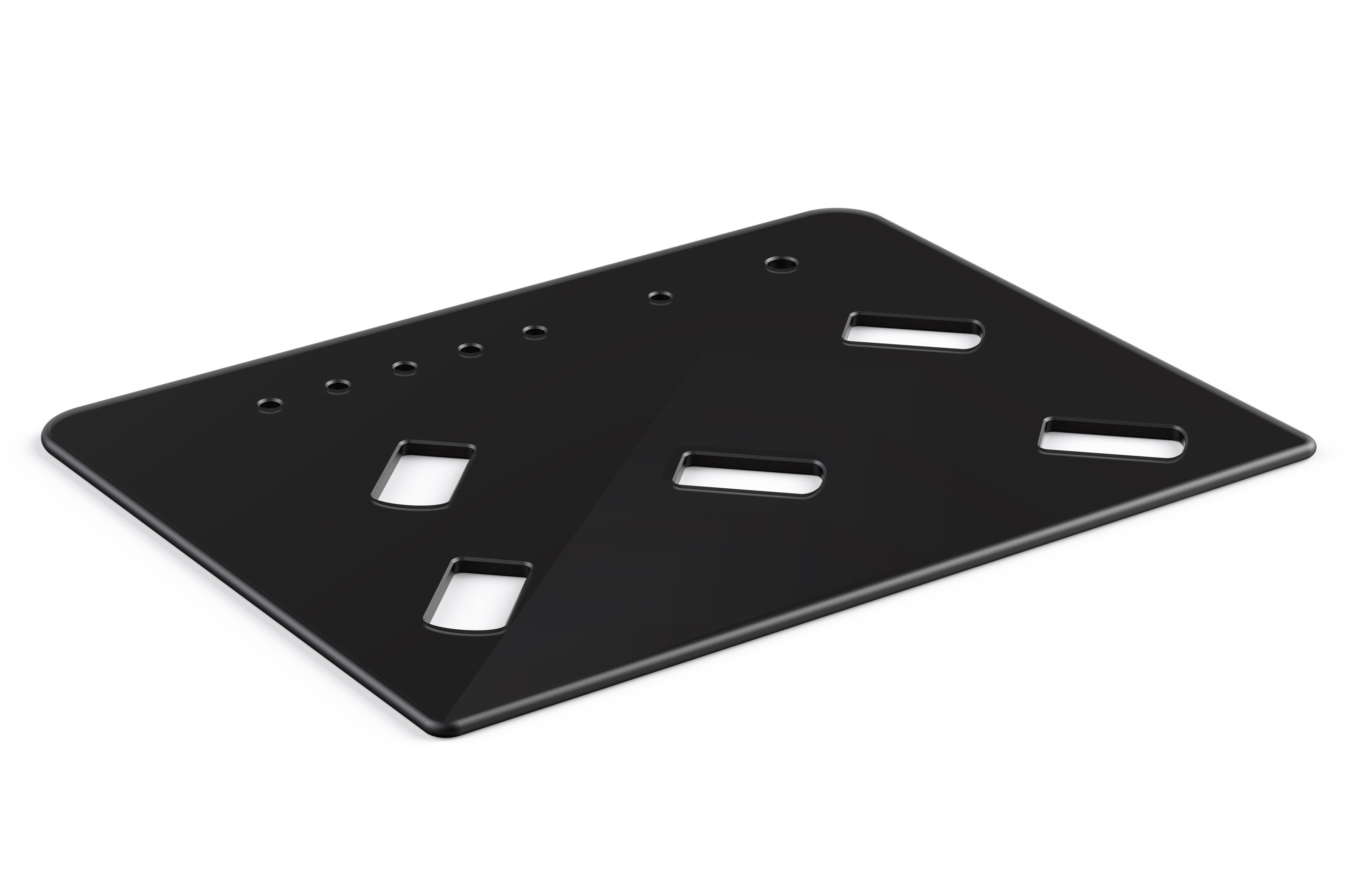
The comprehensive customization capabilities and design flexibility offered by appliance glass processing made in China represent transformative advantages for appliance manufacturers seeking to differentiate their products in crowded marketplaces. Unlike standardized glass suppliers that offer limited variations, Chinese glass processors have developed sophisticated customization systems that accommodate virtually any specification requirement, enabling brands to translate creative visions into functional reality. This flexibility begins with dimensional customization, where appliance glass processing made in China produces components in any size configuration from compact smartphone-sized control panels to expansive refrigerator door panels exceeding two meters in height, with thickness options ranging from delicate 3-millimeter decorative elements to robust 12-millimeter structural components. Shape customization extends beyond simple rectangles to include complex geometric profiles with radiused corners, cutouts for handles and hinges, holes for fasteners and sensors, and intricate edge profiles that create distinctive visual signatures. Color customization available through appliance glass processing made in China encompasses the full spectrum, achieved through various technologies including tinted raw materials, ceramic frit applications, and colored coating layers that maintain durability even under harsh operating conditions. Surface treatment customization represents another dimension of flexibility, with options including glossy finishes that create mirror-like reflections, matte textures that diffuse light and hide fingerprints, patterned surfaces that add visual interest, and specialized functional coatings that repel water, resist staining, or provide antimicrobial protection. Printing capabilities integrated into appliance glass processing made in China enable manufacturers to apply brand logos, operational instructions, decorative patterns, and touch-sensitive interface graphics directly onto glass surfaces using durable ceramic inks that fuse permanently during tempering, creating integrated designs that will not fade, peel, or wear away over years of use. The design collaboration process facilitated by appliance glass processing made in China provides substantial value, with experienced engineering teams reviewing customer specifications, identifying potential manufacturing challenges, suggesting design optimizations that improve functionality or reduce costs, and creating detailed technical drawings that ensure mutual understanding before production begins. Prototype development services allow brands to physically evaluate customized glass components before committing to full production, testing fit, appearance, and functionality in actual appliance assemblies while gathering consumer feedback that informs final design decisions. This iterative approach to customization, supported by the flexible production systems characteristic of appliance glass processing made in China, dramatically reduces the risk associated with new product development while accelerating time-to-market for innovative appliance designs. The strategic importance of these customization capabilities cannot be overstated, as they empower appliance manufacturers to create unique product identities that command premium pricing, build brand loyalty, and establish competitive barriers that protect market position against generic alternatives.
 EN
EN
 AR
AR
 BG
BG
 HR
HR
 CS
CS
 DA
DA
 NL
NL
 FI
FI
 FR
FR
 DE
DE
 EL
EL
 HI
HI
 IT
IT
 JA
JA
 KO
KO
 PL
PL
 PT
PT
 RO
RO
 RU
RU
 ES
ES
 SV
SV
 TL
TL
 IW
IW
 LV
LV
 LT
LT
 SK
SK
 SL
SL
 UK
UK
 VI
VI
 ET
ET
 HU
HU
 MT
MT
 TH
TH
 TR
TR
 FA
FA
 MS
MS
 SW
SW
 GA
GA
 AZ
AZ