Seamless Integration with Production Workflow Management Systems
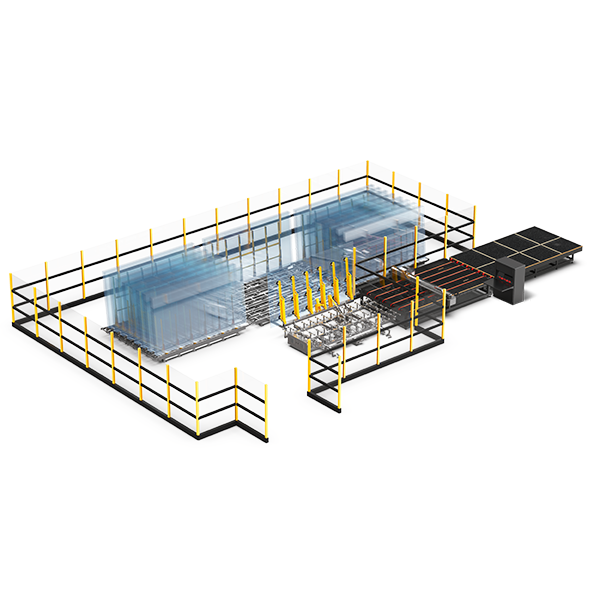
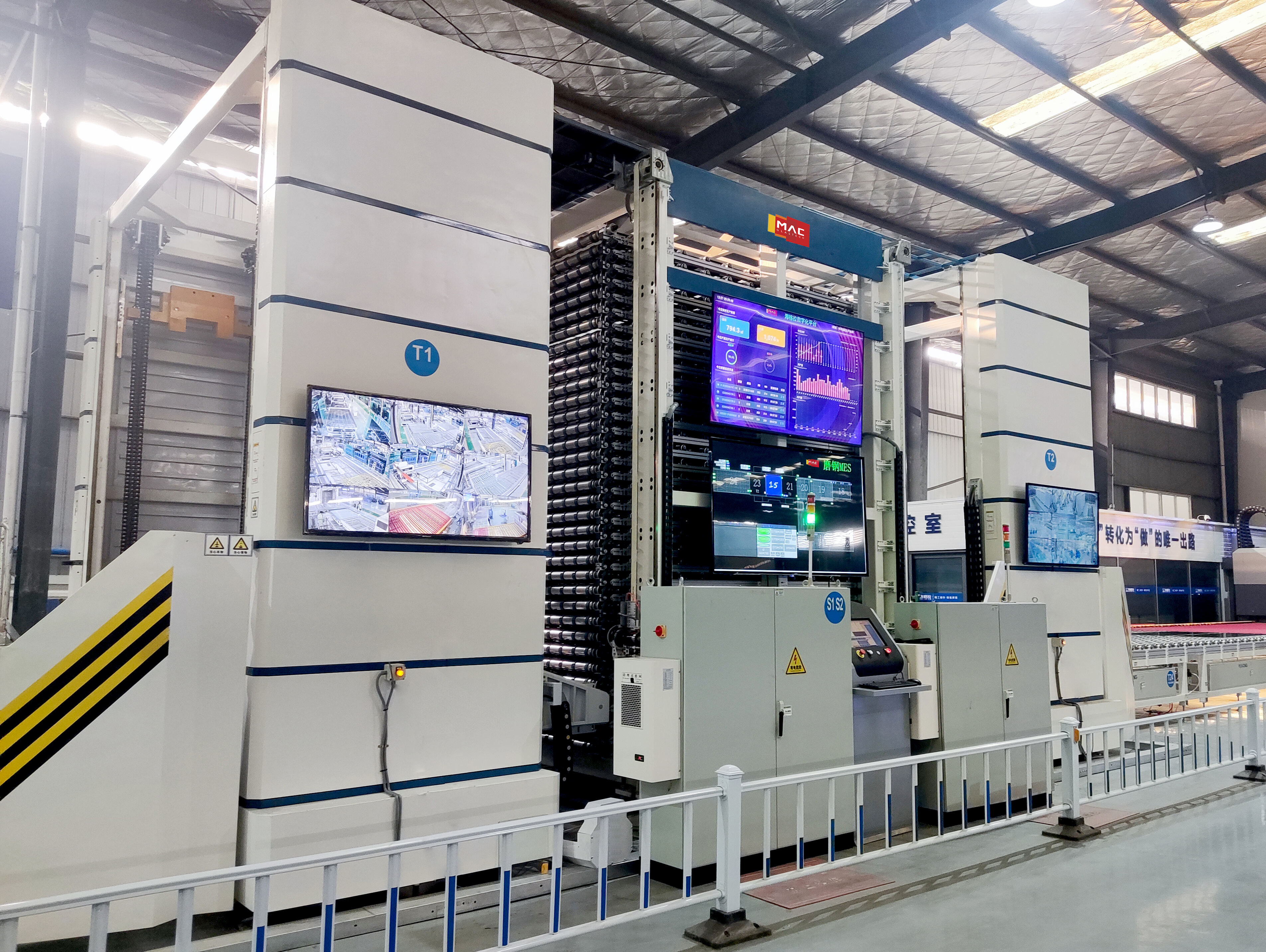
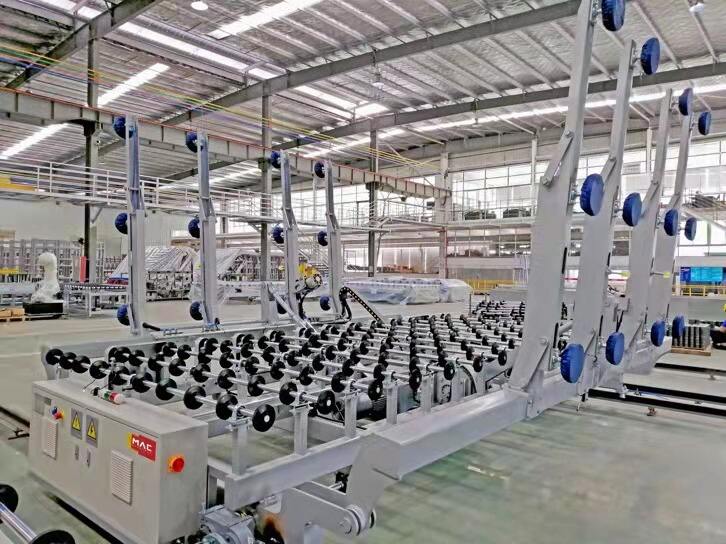
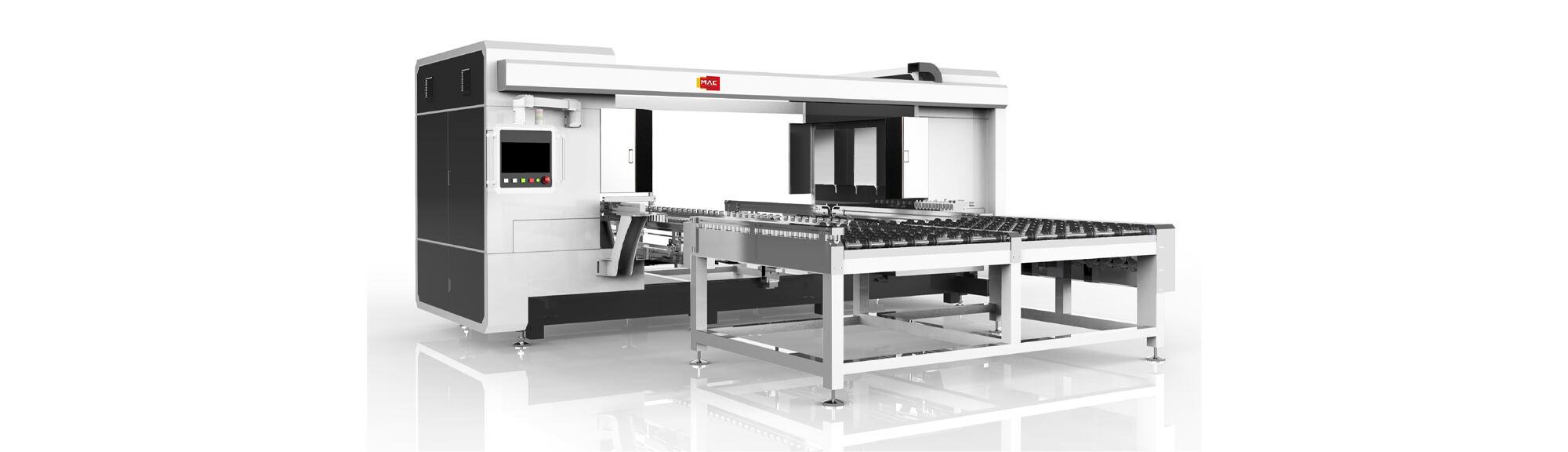
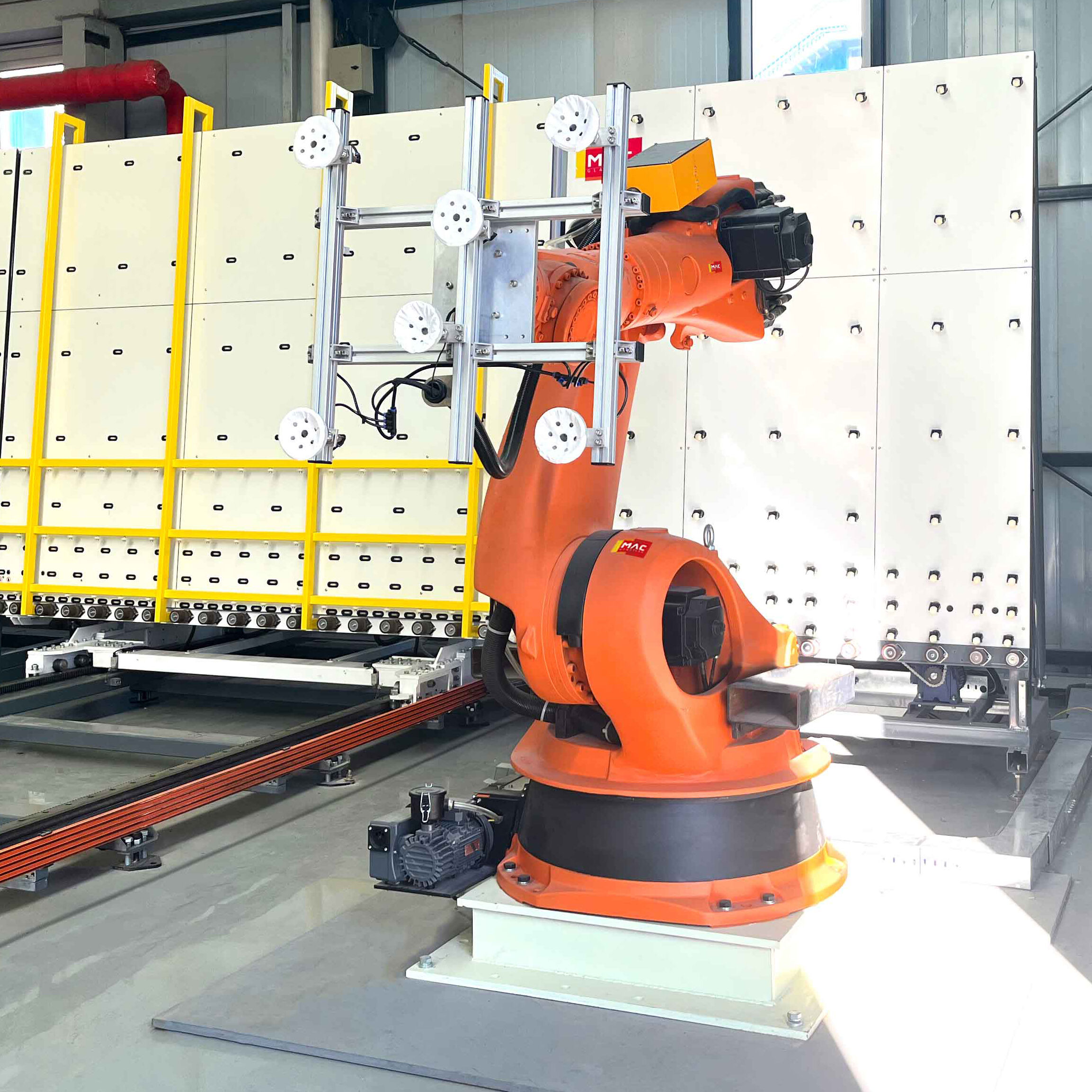
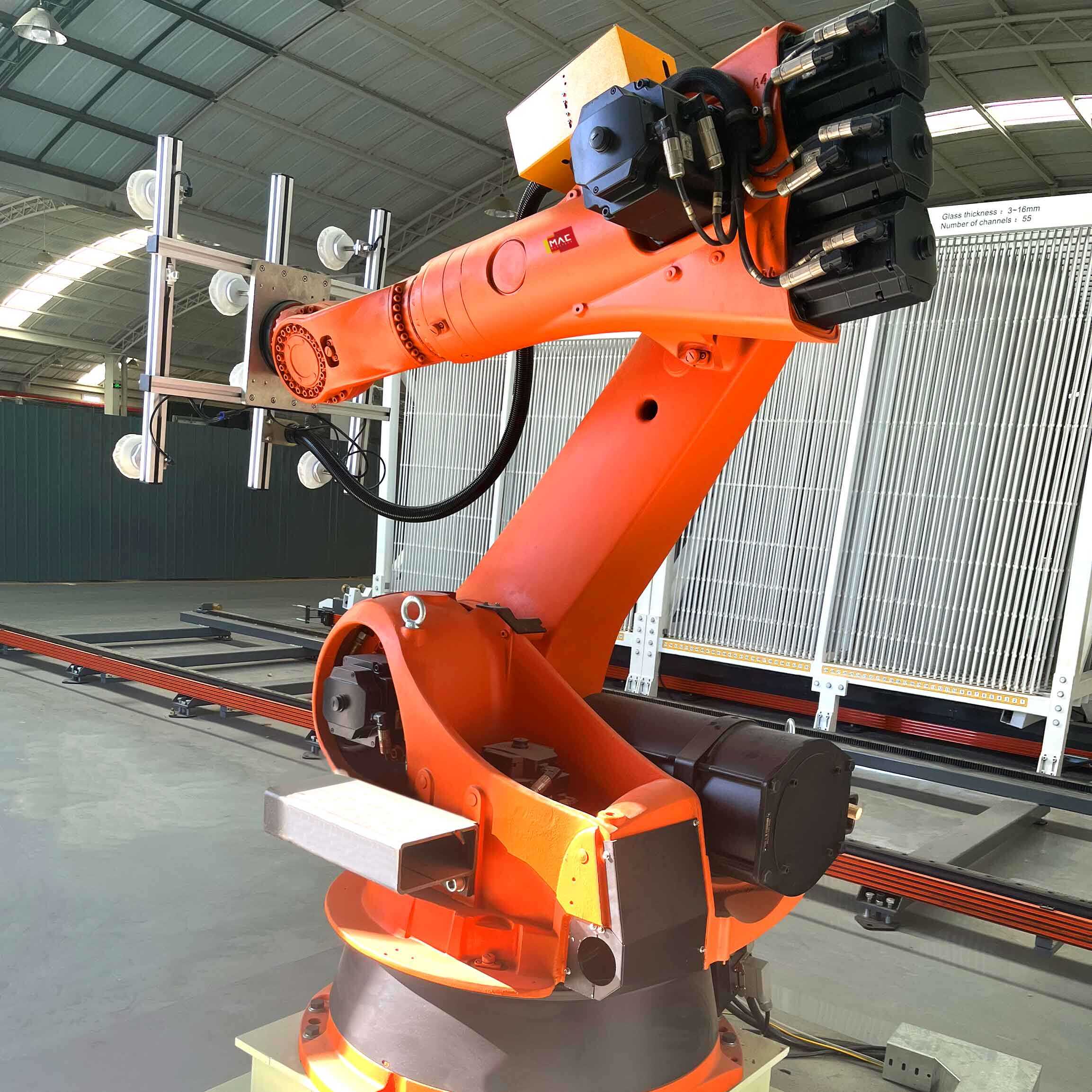
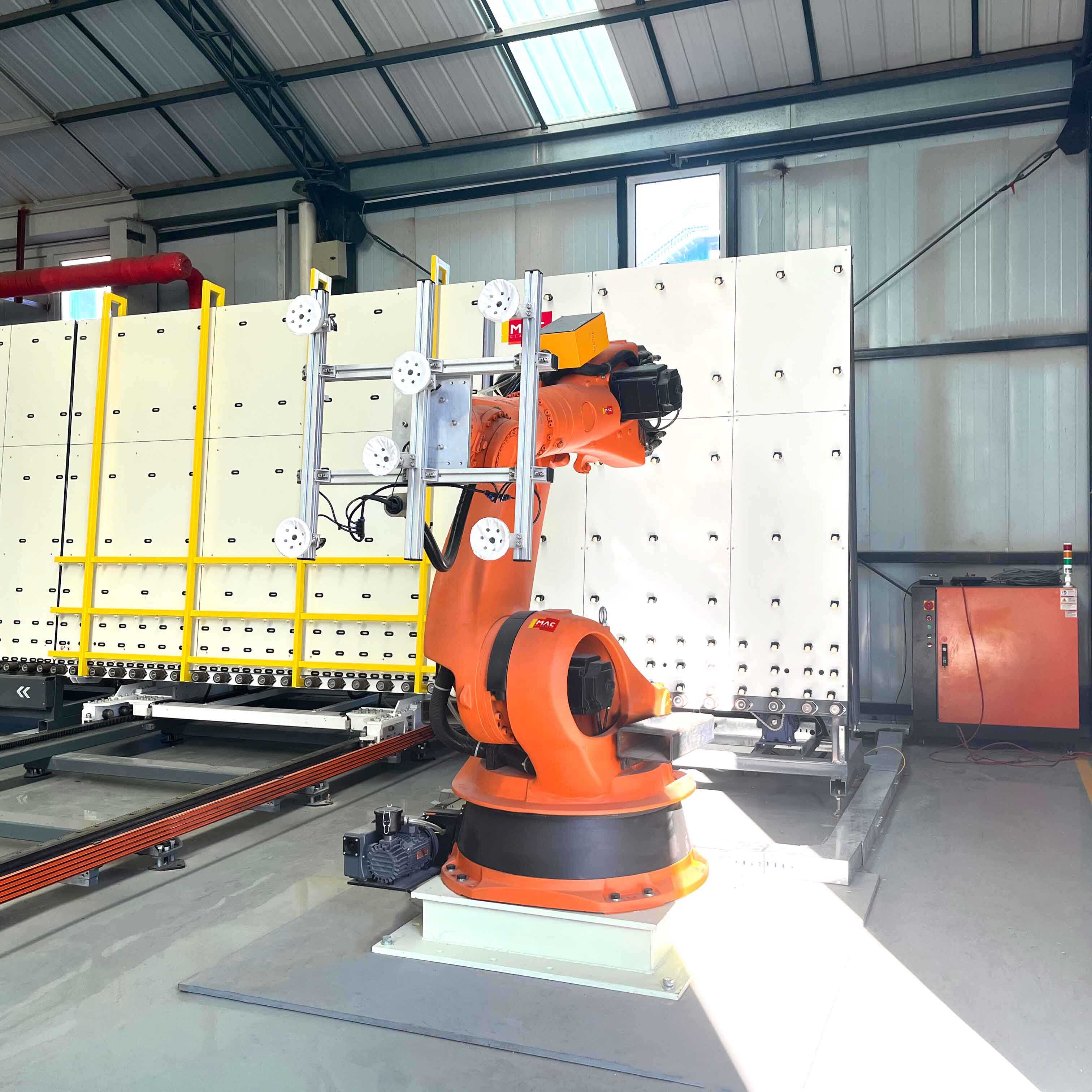
The true value proposition of a glass handling robot extends beyond standalone automation to encompass its role as an intelligent node within comprehensive production workflow management ecosystems. Modern industrial environments demand equipment that communicates effectively with supervisory control systems, quality databases, and adjacent manufacturing cells to enable coordinated production execution. Advanced glass handling robots incorporate industrial communication protocols including Ethernet/IP, PROFINET, and OPC-UA that facilitate bidirectional data exchange with manufacturing execution systems and enterprise resource planning platforms. This connectivity architecture allows the robot controller to receive production schedules, part specifications, and handling parameters directly from central databases, eliminating manual program selection and reducing the potential for operator error. The integration capabilities support dynamic production scenarios where the robot automatically adapts handling routines based on incoming work orders, selecting appropriate gripper configurations, movement speeds, and placement positions according to the specific glass characteristics defined in the product data. Real-time status reporting from the glass handling robot provides production managers with visibility into equipment utilization, cycle completion rates, and operational anomalies that might require intervention. This data flow enables predictive maintenance strategies where subtle changes in performance metrics trigger inspection protocols before component failures cause unplanned downtime. The robot system logs detailed information about each handling cycle including timestamps, part identifiers, and quality checkpoints, creating a comprehensive digital record that supports traceability requirements in regulated industries. Integration with vision inspection systems allows quality data to be associated with specific glass panels throughout the production sequence, enabling automated sorting decisions and statistical process control analysis. The workflow coordination extends to material handling interfaces where the glass handling robot communicates with automated storage and retrieval systems, conveyor networks, and loading stations to orchestrate material flow without manual intervention. Safety system integration represents another critical dimension of production workflow connectivity, with the robot controller interfacing with area scanners, light curtains, and emergency stop networks to ensure coordinated response to safety events. The communication architecture supports remote monitoring capabilities that allow technical specialists to diagnose issues and optimize performance without physically traveling to the production site, reducing response times and leveraging expert knowledge across multiple installations. Configuration management tools integrated with these systems enable standardized deployment of proven handling programs across multiple robot installations, ensuring consistent performance and simplifying operator training. The scalability of properly integrated glass handling robots allows manufacturers to expand automation incrementally, adding cells that seamlessly join the existing production network without requiring wholesale system replacement.
 EN
EN
 AR
AR
 BG
BG
 HR
HR
 CS
CS
 DA
DA
 NL
NL
 FI
FI
 FR
FR
 DE
DE
 EL
EL
 HI
HI
 IT
IT
 JA
JA
 KO
KO
 PL
PL
 PT
PT
 RO
RO
 RU
RU
 ES
ES
 SV
SV
 TL
TL
 IW
IW
 LV
LV
 LT
LT
 SK
SK
 SL
SL
 UK
UK
 VI
VI
 ET
ET
 HU
HU
 MT
MT
 TH
TH
 TR
TR
 FA
FA
 MS
MS
 SW
SW
 GA
GA
 AZ
AZ