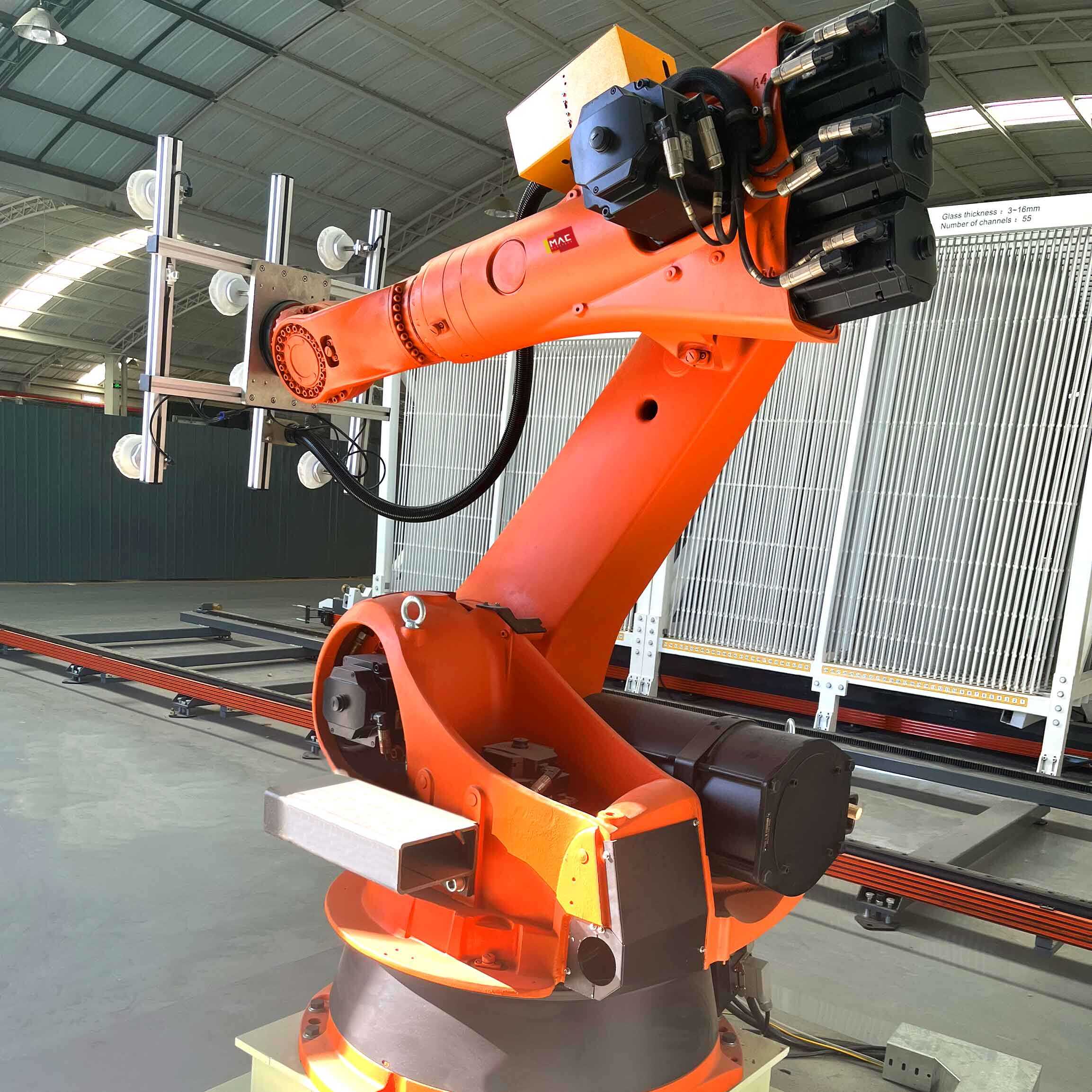
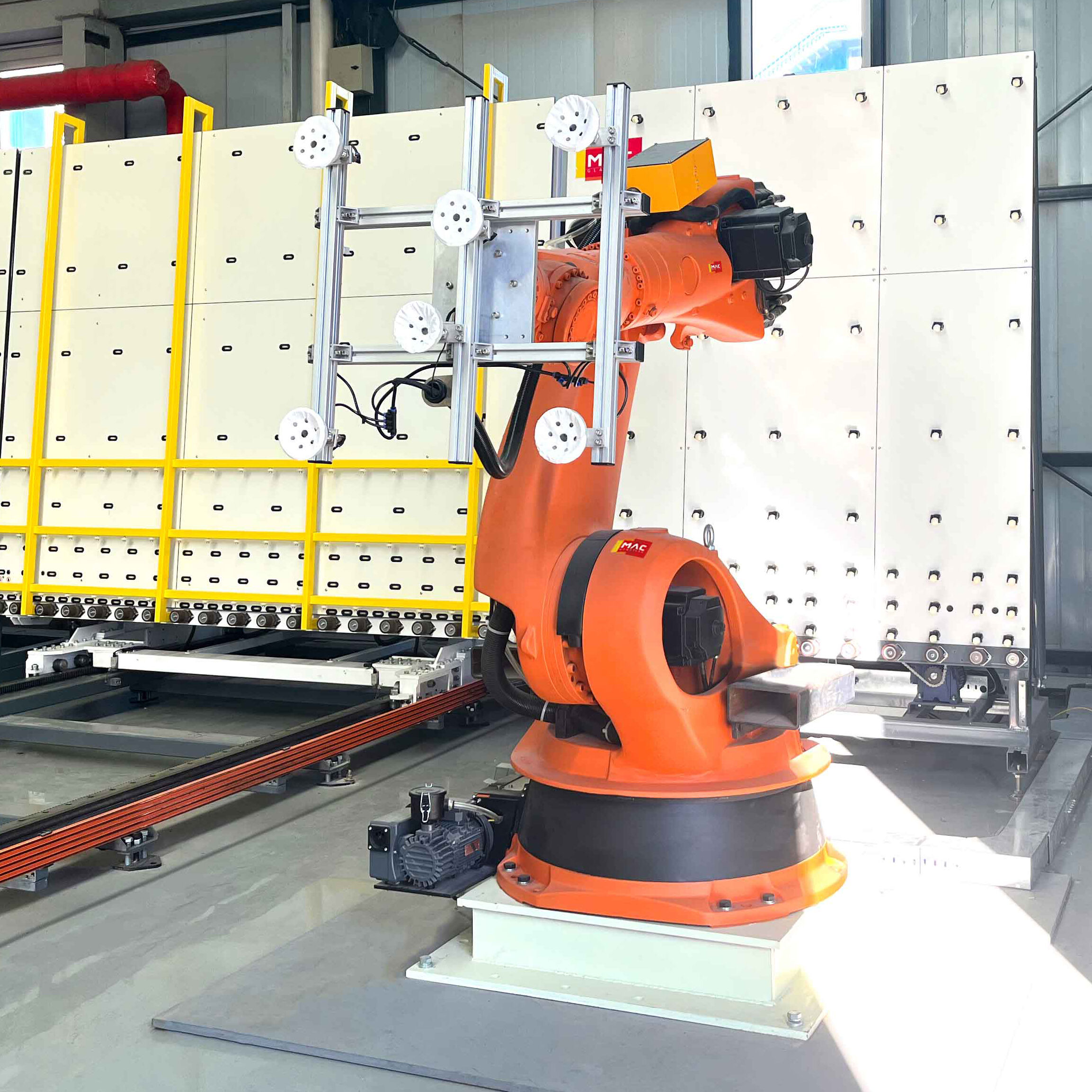
Glass Robot: Advanced Automated Window Cleaning Technology for Safe, Efficient Surface Maintenance

All Categories

Get a Free Quote

Our representative will contact you soon.
Email
Name
Company Name
Message
0/1000

glass robot

The glass robot represents a revolutionary advancement in automated cleaning and maintenance technology, specifically engineered to handle the complex challenges of cleaning glass surfaces in commercial and residential settings. This sophisticated automated system combines precision engineering with intelligent navigation capabilities to deliver exceptional cleaning results on windows, glass facades, skylights, and other transparent surfaces. The glass robot operates through a combination of advanced suction technology, motorized movement systems, and smart sensors that enable it to navigate various glass surfaces safely and efficiently. At its core, the glass robot utilizes powerful vacuum motors that create secure attachment to glass surfaces, ensuring stable operation even on vertical or angled installations. The device incorporates microfiber cleaning pads and spray mechanisms that work in tandem to remove dirt, grime, and streaks effectively. Modern glass robot models feature artificial intelligence algorithms that map cleaning paths, detect edges and obstacles, and optimize cleaning patterns for maximum coverage and efficiency. The technological infrastructure includes rechargeable battery systems, allowing for cordless operation in many models, while others utilize safety tethers and power cables for extended cleaning sessions. These machines are equipped with multiple safety features, including backup power systems and anti-fall mechanisms that prevent accidents during operation. The glass robot finds extensive applications across various sectors, including high-rise residential buildings, commercial office complexes, retail storefronts, hospitality venues, healthcare facilities, and industrial installations with extensive glass architecture. Homeowners benefit from the convenience of automated window cleaning without the risks associated with ladder use or reaching difficult areas. Commercial property managers rely on glass robot technology to maintain pristine building appearances while reducing labor costs and improving worker safety. The versatility of these machines extends to cleaning glass partitions, conservatories, greenhouses, and solar panels, making them invaluable tools for comprehensive property maintenance.

New Product Releases

The glass robot delivers transformative benefits that directly impact your daily operations and bottom line. Safety stands as the foremost advantage, eliminating the need for workers to scale ladders, use scaffolding, or dangle from heights to clean windows. This reduction in human exposure to dangerous situations significantly decreases workplace accidents and associated liability costs. Property owners experience peace of mind knowing that window maintenance no longer poses risks to personnel or requires expensive insurance coverage for high-risk activities. The time-saving capacity of the glass robot cannot be overstated. What traditionally required hours of manual labor can now be accomplished in a fraction of the time, freeing your staff to focus on other important tasks. The automated nature means you can set the device to work and attend to other responsibilities, maximizing productivity across your operations. Consistency in cleaning quality represents another major advantage. Unlike manual cleaning where results vary based on worker technique, fatigue, or attention to detail, the glass robot delivers uniform cleaning performance every single time. The programmed cleaning patterns ensure complete coverage without missed spots or streaking, maintaining professional appearance standards consistently. Cost efficiency emerges as a compelling benefit over time. While the initial investment may seem substantial, the glass robot eliminates recurring labor expenses associated with professional window cleaning services. Most users recover their investment within months through saved labor costs alone. The device requires minimal maintenance, typically just cleaning pad replacement and occasional system checks, keeping operational costs remarkably low. Environmental consciousness is built into glass robot operation. These machines use significantly less water and cleaning solution compared to traditional methods, reducing chemical runoff and environmental impact. The precise application of cleaning agents means less waste and more sustainable building maintenance practices. Accessibility represents a crucial advantage for surfaces that are difficult or impossible to reach safely. Skylights, atrium glass, and high-ceiling windows become manageable cleaning tasks without specialized equipment or extreme safety measures. The glass robot navigates these challenging spaces with ease, ensuring every glass surface maintains optimal clarity and cleanliness. User-friendliness makes this technology accessible to everyone. Modern glass robot systems feature intuitive controls, smartphone apps, and simple operation procedures that require minimal training. Even those without technical expertise can operate these devices effectively, democratizing access to professional-grade cleaning results.

Practical Tips

Why Are Glass Drilling Machines Vital in Automotive and Construction Industries?

28

Oct

Why Are Glass Drilling Machines Vital in Automotive and Construction Industries?

The Evolution of Glass Processing Technology in Modern Industries The landscape of industrial manufacturing has been transformed by the advent of sophisticated glass drilling machines, revolutionizing how we process and manipulate glass materials. Th...
View More
Why Are Smart Glass Cutting Lines Becoming the Standard in Factories?

28

Oct

Why Are Smart Glass Cutting Lines Becoming the Standard in Factories?

The Revolution of Automated Glass Processing in Modern Manufacturing The manufacturing landscape is undergoing a dramatic transformation as smart glass cutting lines increasingly become the backbone of modern glass processing facilities. These sophis...
View More
What Factors Influence Compatibility With Different Glass Sheet Sizes?

19

Dec

What Factors Influence Compatibility With Different Glass Sheet Sizes?

Glass manufacturing and processing industries face critical decisions when selecting equipment that can accommodate varying sheet dimensions. Modern fabrication facilities require versatile solutions that maintain precision across different material ...
View More
What Should Manufacturers Consider When Selecting Equipment for Insulating Glass Production?

19

Dec

What Should Manufacturers Consider When Selecting Equipment for Insulating Glass Production?

Modern insulating glass manufacturing demands precision, efficiency, and cutting-edge technology to meet the growing requirements of energy-efficient building construction. Selecting the right equipment for insulating glass production involves carefu...
View More

Get a Free Quote

Our representative will contact you soon.
Email
Name
Company Name
Message
0/1000

glass robot

Intelligent Navigation System with Advanced Safety Features

Intelligent Navigation System with Advanced Safety Features

The glass robot incorporates a sophisticated intelligent navigation system that sets it apart from conventional cleaning methods and establishes new standards in automated surface maintenance. This cutting-edge system utilizes multiple sensor arrays, including edge detection sensors, surface mapping technology, and obstacle recognition capabilities, working in concert to create comprehensive awareness of the cleaning environment. The navigation intelligence begins with surface analysis, where the glass robot scans the entire glass area to understand dimensions, detect frames, and identify potential obstacles or surface irregularities. This preliminary mapping phase enables the device to calculate the most efficient cleaning path, optimizing coverage while minimizing redundant movements and energy consumption. The advanced algorithms continuously update the cleaning strategy in real-time, adapting to any unexpected conditions encountered during operation. Safety features form the backbone of the glass robot design philosophy, addressing the primary concerns of users regarding automated devices working on elevated or vertical surfaces. The multi-layered safety architecture includes primary and backup suction systems that operate independently, ensuring that if one system experiences reduced pressure, the secondary system maintains secure attachment to the glass surface. Sophisticated pressure monitoring systems constantly measure adhesion strength, triggering alerts if attachment security falls below optimal thresholds. The anti-fall mechanism represents perhaps the most critical safety innovation, incorporating emergency stop functions, backup power reserves, and safety tethers in applicable models. If the glass robot detects any compromise in surface attachment or power supply interruption, the emergency protocols activate immediately, halting movement and maximizing suction force to prevent falls. Battery-powered models include reserve power specifically allocated for emergency situations, ensuring the device can maintain position and safely complete its operation or signal for assistance even during primary power failure. The edge detection capability demonstrates the sophistication of the navigation system, employing sensors that identify boundaries with remarkable precision. This technology prevents the glass robot from attempting to traverse beyond the glass surface, avoiding potentially dangerous situations and equipment damage. The system recognizes window frames, mullions, and architectural features, adjusting its path accordingly while ensuring thorough cleaning coverage up to these boundaries. The practical benefits of this intelligent navigation system extend beyond safety to operational efficiency and cleaning effectiveness. Users experience worry-free operation, confident that the glass robot will complete its task without supervision while maintaining the highest safety standards. Property managers appreciate the reduced liability exposure and elimination of accident risks associated with traditional high-elevation cleaning methods. The technology effectively transforms a hazardous maintenance task into a safe, automated process that protects both personnel and property.
Superior Cleaning Performance with Eco-Friendly Operation

Superior Cleaning Performance with Eco-Friendly Operation

The glass robot achieves exceptional cleaning performance through an ingenious combination of mechanical precision, optimized cleaning materials, and environmentally conscious design principles that deliver spotless results while minimizing ecological impact. This cleaning excellence stems from a multi-stage process that addresses different types of soiling and surface conditions, ensuring comprehensive dirt removal and streak-free finishing. The cleaning mechanism employs rotating microfiber pads engineered specifically for glass surfaces, with fiber densities and textures optimized to lift and capture dirt particles, oils, and atmospheric pollutants without scratching or damaging the glass. These specialized pads work in conjunction with precisely controlled spray systems that apply cleaning solution in measured amounts directly to the working area. The spray mechanism incorporates adjustable flow rates, allowing users to calibrate solution usage based on soiling levels, from light dust to heavy grime accumulation. This targeted application approach ensures adequate cleaning power while eliminating wasteful oversaturation common in manual cleaning methods. The glass robot generates optimal cleaning pressure through its movement patterns and pad rotation speeds, creating mechanical action that breaks down stubborn dirt and dissolves residues effectively. Unlike human cleaners who may apply inconsistent pressure or tire during extended cleaning sessions, the automated system maintains constant optimal force throughout the entire cleaning cycle, guaranteeing uniform results across every square inch of glass surface. The movement algorithms incorporate overlapping passes that ensure no area receives inadequate attention, while the controlled speed prevents the streaking often caused by rushing through cleaning tasks. Environmental benefits represent a significant advantage of glass robot technology, aligning with growing sustainability priorities in property management and household operations. Water conservation stands out as a primary ecological benefit, with the glass robot using approximately seventy percent less water than traditional cleaning methods. The precise application system eliminates runoff waste, directing cleaning solution exactly where needed rather than allowing excess liquid to stream down surfaces unused. This efficiency translates to reduced water bills and decreased environmental strain, particularly important in regions facing water scarcity. Chemical usage reduction complements the water savings, as the optimized application means less cleaning solution achieves better results. Many glass robot systems work effectively with environmentally friendly, biodegradable cleaning formulas, reducing the introduction of harsh chemicals into ecosystems. The minimized chemical usage also benefits indoor air quality, particularly relevant for residential applications and commercial spaces where occupant health is paramount. The closed-loop nature of the cleaning process contains solutions and dirt within the device pads, preventing contaminated water from entering storm drains or natural waterways. Maintenance simplicity enhances the environmental profile of the glass robot, as the durable construction and quality components result in long operational lifespans with minimal replacement needs. The cleaning pads, while requiring periodic replacement, are often machine washable and reusable multiple times before disposal, reducing waste generation. Users find that the consistent, thorough cleaning provided by the glass robot actually protects glass surfaces from degradation caused by accumulated pollutants and mineral deposits, extending the lifespan of windows and reducing the frequency of glass replacement, another significant environmental and economic benefit.
Versatile Application Across Multiple Environments and Surfaces

Versatile Application Across Multiple Environments and Surfaces

The glass robot demonstrates remarkable versatility, adapting seamlessly to diverse environments and surface types, making it an invaluable tool for residential, commercial, and specialized applications. This adaptability stems from thoughtful engineering that accommodates varying glass thicknesses, surface angles, and installation configurations, expanding the practical utility far beyond basic window cleaning. In residential settings, the glass robot transforms home maintenance routines by addressing the full spectrum of glass surfaces that homeowners encounter. Standard vertical windows benefit from effortless automated cleaning, eliminating the physical demands and safety concerns of traditional methods, particularly for multi-story homes where exterior window access presents significant challenges. The technology extends to French doors, sliding glass doors, and large picture windows that require frequent cleaning to maintain views and home aesthetics. Skylight cleaning, once a daunting task requiring specialized equipment or professional services, becomes straightforward with glass robot technology designed to operate on horizontal and angled surfaces. Homeowners with conservatories, sunrooms, or greenhouse structures discover that the glass robot efficiently maintains these extensive glass installations, preserving light transmission and visual clarity that are essential to these spaces' functionality. Commercial applications showcase the glass robot's capacity to handle large-scale, complex cleaning challenges that impact business operations and brand image. Office buildings with expansive glass facades rely on this technology to maintain professional appearances without disrupting workflow or exposing workers to dangerous conditions. Retail establishments benefit particularly from the ability to keep storefront windows pristine, as clean, clear glass directly influences customer perceptions and shopping behavior. The glass robot enables more frequent cleaning cycles without proportional cost increases, allowing businesses to maintain consistently excellent presentation standards. Hospitality venues, including hotels and restaurants, utilize glass robot technology to uphold the high cleanliness standards that guests expect, cleaning lobby windows, dining area glass walls, and room windows efficiently without disturbing guests. Healthcare facilities appreciate the hygienic cleaning provided by the glass robot, as the automated process reduces cross-contamination risks associated with manual cleaning while ensuring that windows in patient rooms, corridors, and public areas remain spotless and welcoming. Specialized applications demonstrate the innovative versatility of glass robot technology beyond conventional cleaning scenarios. Solar panel maintenance represents an emerging application area where the glass robot delivers significant value by removing dust, pollen, and environmental deposits that reduce energy generation efficiency. The gentle yet effective cleaning preserves panel coatings while maximizing light absorption, improving solar installation performance and return on investment. Aquarium facilities and museums with large glass exhibits employ glass robot technology to maintain visibility while minimizing disturbance to sensitive environments and valuable displays. Industrial settings with control room windows, cleanroom observation panels, and safety glass partitions benefit from the reliable cleaning performance that the glass robot provides, ensuring operational visibility and safety compliance. The adaptability extends to various glass surface treatments and coatings, with adjustable settings that accommodate tinted glass, reflective surfaces, and specialized architectural glass products without causing damage or leaving residues that compromise the glass treatments' intended functions.