Robot Glass Technology - Advanced Automated Glass Handling Systems for Precision Installation

All Categories

Get a Free Quote

Our representative will contact you soon.
Email
Name
Company Name
Message
0/1000

robot glass

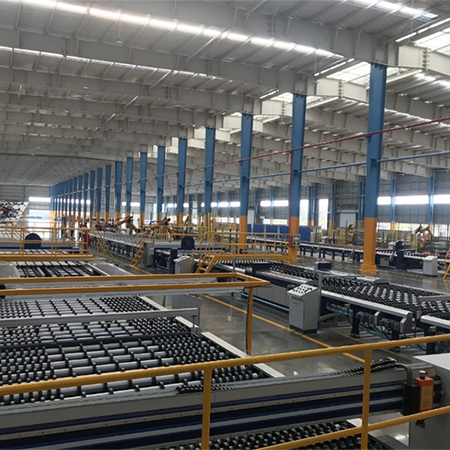
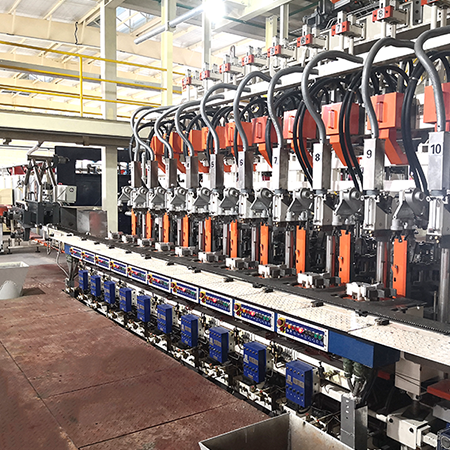
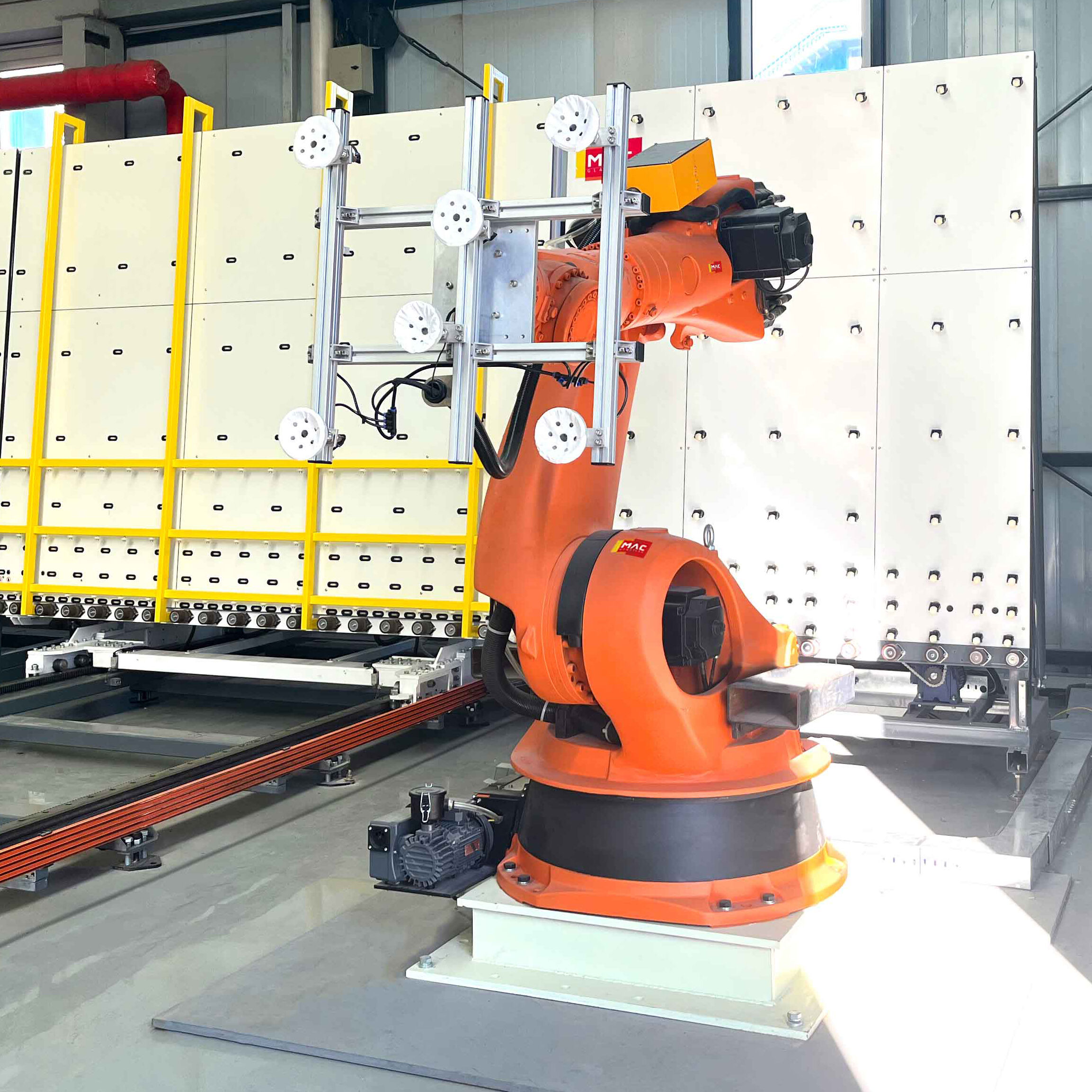
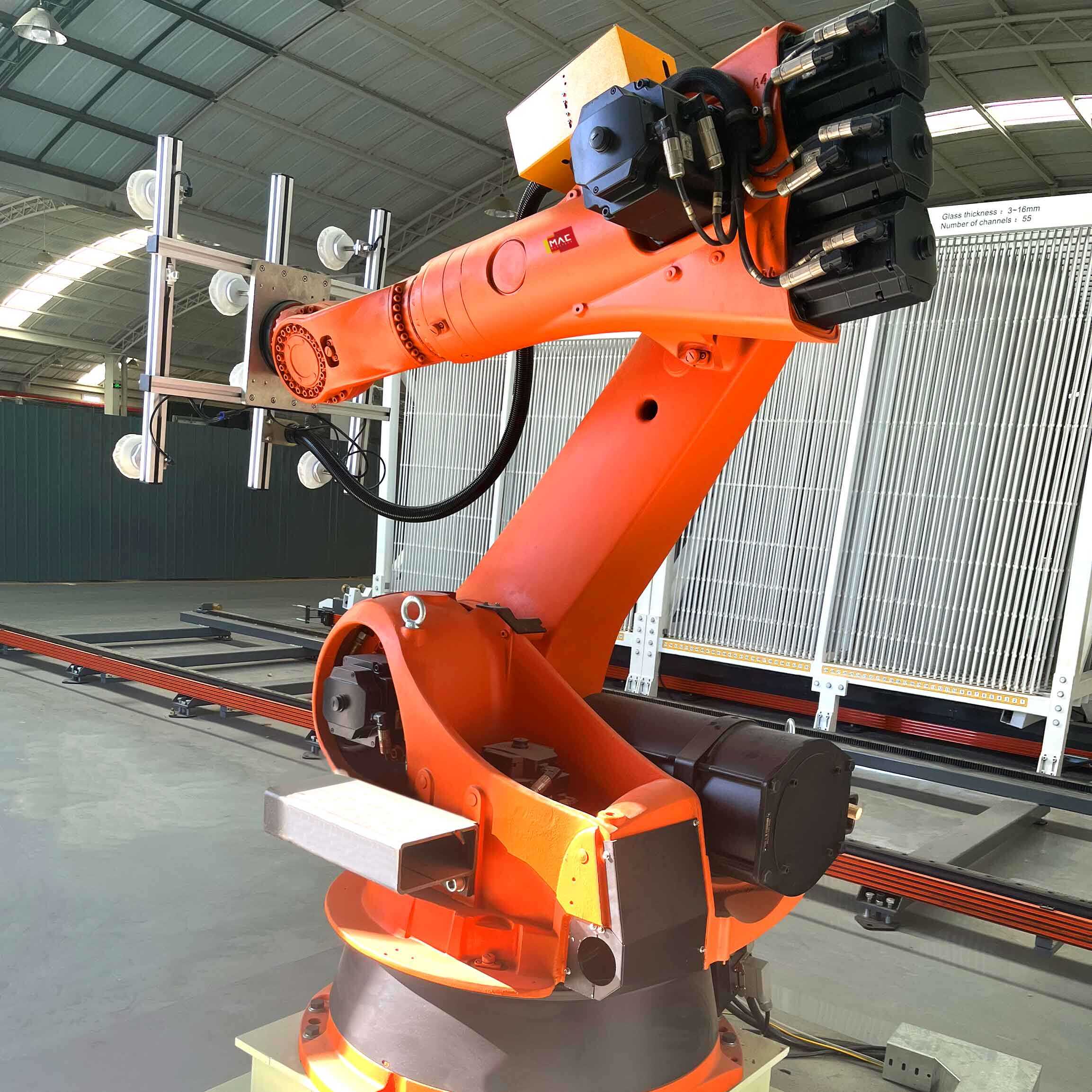
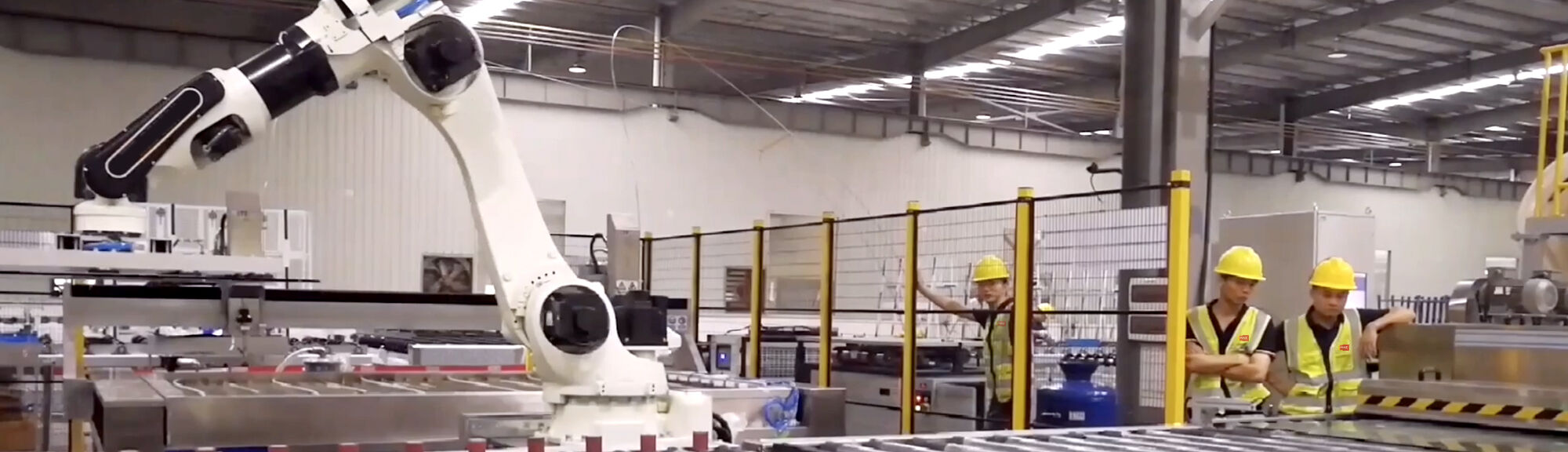
Robot glass represents a groundbreaking innovation in automated glass handling and processing technology, designed to revolutionize how industries manage glass materials in manufacturing and construction environments. This advanced system integrates sophisticated robotic arms, precision sensors, and intelligent control software to automate the movement, positioning, and installation of glass panels with unprecedented accuracy and safety. The robot glass solution combines cutting-edge mechanical engineering with artificial intelligence to deliver consistent, reliable performance across diverse applications. At its core, the robot glass system features high-precision actuators that enable delicate handling of fragile glass materials, reducing the risk of damage during transportation and installation. The technology incorporates advanced vision systems that detect glass dimensions, orientation, and surface conditions in real-time, allowing the robot glass mechanism to adapt its grip strength and movement patterns accordingly. Multi-axis articulation provides exceptional flexibility, enabling the robot glass equipment to navigate complex spaces and position panels at challenging angles that would be difficult or dangerous for human workers. The main functions include automated glass loading and unloading, precise positioning for installation, quality inspection through integrated sensors, and synchronized operation with other manufacturing equipment. Technological features encompass force-feedback controls that prevent excessive pressure on glass surfaces, path-planning algorithms that optimize movement efficiency, and safety protocols that immediately halt operations when detecting obstacles or irregularities. Applications span across automotive manufacturing for windshield installation, architectural construction for facade assembly, solar panel production, electronics manufacturing for display screen handling, and furniture production. The robot glass technology significantly enhances operational efficiency while minimizing workplace accidents associated with manual glass handling, making it an indispensable tool for modern industrial operations seeking to improve productivity and worker safety simultaneously.

Popular Products

The advantages of robot glass technology extend far beyond simple automation, delivering transformative benefits that directly impact your bottom line and operational excellence. First and foremost, this system dramatically improves workplace safety by removing human workers from hazardous glass-handling situations. Traditional manual handling exposes workers to serious risks including cuts, back injuries from lifting heavy panels, and accidents from dropped materials. The robot glass eliminates these dangers entirely, protecting your workforce while reducing insurance costs and liability concerns. Productivity gains represent another compelling advantage, as the robot glass operates continuously without fatigue, breaks, or shifts changes. Your facility can maintain consistent output 24 hours daily, significantly increasing production capacity without expanding your workforce. The system processes glass panels faster than manual methods while maintaining superior precision, allowing you to complete projects ahead of schedule and take on additional contracts. Cost savings accumulate rapidly through multiple channels. The robot glass reduces material waste by handling panels with consistent care, preventing the chips, cracks, and breaks that occur during manual handling. Each saved panel represents direct savings on materials, while reduced breakage means fewer production delays and less disposal expense. Labor costs decrease as fewer workers are needed for glass handling tasks, and those employees can be reassigned to higher-value activities requiring human judgment and creativity. Quality improvements become immediately apparent as the robot glass delivers repeatable precision that human workers cannot match. Every panel is positioned with exact accuracy, ensuring perfect alignment, consistent gaps, and professional results. This precision reduces rework, callbacks, and warranty claims while enhancing your reputation for quality craftsmanship. The technology adapts easily to different glass sizes, shapes, and weights through programmable settings, providing flexibility to handle diverse projects without requiring different equipment or extensive reconfiguration time. Maintenance requirements remain minimal thanks to robust construction and self-diagnostic capabilities that alert operators to potential issues before failures occur. The robot glass integrates seamlessly with existing production lines and building information modeling systems, enabling coordinated operations and data-driven process optimization. Return on investment typically occurs within two years through combined savings on labor, materials, insurance, and increased revenue from higher productivity. Environmental benefits include reduced energy consumption compared to traditional methods and decreased waste generation, supporting your sustainability goals while meeting increasingly stringent environmental regulations.

Latest News

Why Are Glass Drilling Machines Vital in Automotive and Construction Industries?

28

Oct

Why Are Glass Drilling Machines Vital in Automotive and Construction Industries?

The Evolution of Glass Processing Technology in Modern Industries The landscape of industrial manufacturing has been transformed by the advent of sophisticated glass drilling machines, revolutionizing how we process and manipulate glass materials. Th...
View More
How to Select the Right Hub Glass Furnace for Your Facility?

24

Nov

How to Select the Right Hub Glass Furnace for Your Facility?

Selecting the appropriate hub glass furnace for your manufacturing facility represents one of the most critical decisions that will impact your production efficiency, product quality, and long-term operational costs. A hub glass furnace serves as the...
View More
How to Optimize Production Settings in a Hub Glass Furnace?

24

Nov

How to Optimize Production Settings in a Hub Glass Furnace?

Glass manufacturing represents one of the most energy-intensive industrial processes, requiring precise control of temperature, atmosphere, and raw material flow to achieve optimal production efficiency. Modern hub glass furnace systems have evolved ...
View More
Why Is Automated Insulating Glass Production Increasing in Large Factories?

19

Dec

Why Is Automated Insulating Glass Production Increasing in Large Factories?

The construction and manufacturing industries are experiencing a significant shift toward automation, with automated insulating glass production leading this transformation in large-scale factories. This evolution represents more than just technologi...
View More

Get a Free Quote

Our representative will contact you soon.
Email
Name
Company Name
Message
0/1000

robot glass

Unmatched Precision and Consistency in Glass Handling Operations

Unmatched Precision and Consistency in Glass Handling Operations

The precision capabilities of robot glass technology set new standards for accuracy in glass handling and installation processes, delivering measurable improvements that directly enhance project outcomes and customer satisfaction. Unlike human operators whose performance varies due to fatigue, distraction, or skill differences, the robot glass maintains unwavering precision throughout every operation, positioning each panel within tolerances measured in fractions of a millimeter. This exceptional accuracy stems from advanced servo motors and encoders that provide precise control over every movement, combined with sophisticated algorithms that calculate optimal paths and compensate for variables such as glass weight distribution and environmental factors. The vision systems incorporated into robot glass equipment perform real-time measurements and adjustments, ensuring that each panel aligns perfectly with predetermined specifications regardless of minor variations in glass dimensions or surrounding structures. For architectural applications, this precision translates to flawless facades with consistent reveal lines and perfect alignment across multiple stories, eliminating the visual irregularities that compromise building aesthetics. In automotive manufacturing, the robot glass positions windshields with exact accuracy required for proper sealing and structural integrity, preventing leaks and ensuring optimal fit. The consistency delivered by robot glass technology proves particularly valuable for large-scale projects requiring hundreds or thousands of identical installations, where maintaining uniformity would be extremely challenging through manual methods. This precision extends beyond positioning to include pressure control during handling, with sensors continuously monitoring grip force to prevent damage while maintaining secure hold. The robot glass adjusts its handling parameters automatically based on glass thickness, coating types, and fragility characteristics, protecting expensive specialty glass products that require extra care. Documentation capabilities embedded in robot glass systems record exact positioning data for every panel, creating permanent records that prove regulatory compliance and facilitate future maintenance or renovations. The precision advantage also reduces installation time because panels fit correctly on the first attempt, eliminating the trial-and-error adjustments common in manual installation. Quality control inspections become more straightforward since robot glass operations produce predictable, consistent results that rarely require correction. This reliability allows project managers to schedule subsequent construction phases with confidence, knowing that glass installation will meet specifications without delays.
Enhanced Safety Features Protecting Workers and Assets

Enhanced Safety Features Protecting Workers and Assets

Safety represents the most compelling advantage of robot glass technology, fundamentally transforming dangerous glass-handling operations into controlled, predictable processes that protect both workers and valuable materials. Traditional glass handling ranks among the most hazardous construction and manufacturing tasks, with workers facing constant risks from sharp edges, heavy weights, awkward lifting positions, and unstable panels that can shift unexpectedly. The robot glass eliminates direct human contact with glass during the most dangerous phases of handling, positioning, and installation, removing workers from harm's way while maintaining full operational control. Advanced safety systems built into robot glass equipment include multiple redundant sensors that create protective zones around the operating area, automatically stopping movement when detecting unexpected objects or personnel within defined boundaries. These safety features extend beyond simple obstacle detection to include sophisticated monitoring of operational parameters such as grip pressure, movement speed, and load distribution. If any parameter exceeds safe thresholds, the robot glass immediately initiates protective responses ranging from slowed movement to complete shutdown, depending on the severity of the detected condition. Emergency stop controls positioned at multiple locations allow operators to halt operations instantly from any vantage point, providing peace of mind and quick response capability. The robot glass design incorporates fail-safe mechanisms that secure glass panels even during power failures or mechanical malfunctions, preventing dropped loads that could injure workers or damage property below. Ergonomic benefits for workers who oversee robot glass operations include elimination of repetitive heavy lifting, awkward postures, and sustained physical strain that lead to chronic injuries and reduced productivity over time. By reassigning workers from physical glass handling to equipment operation and oversight, companies protect their workforce while utilizing human intelligence for decision-making and problem-solving tasks that machines cannot perform. Training for robot glass operation emphasizes safety protocols and emergency procedures, ensuring that all personnel understand how to work safely around automated equipment. The comprehensive safety features of robot glass technology reduce workplace injury rates dramatically, lowering workers' compensation insurance premiums and avoiding the devastating personal and financial costs of serious accidents. Regulatory compliance becomes easier as robot glass systems meet or exceed safety standards established by occupational health authorities, and detailed operational logs provide documentation demonstrating commitment to worker protection. The safety advantages extend to protecting the glass itself, as controlled handling prevents the breakage and damage that create dangerous situations when panels shatter unexpectedly.
Flexible Integration and Scalable Performance for Growing Operations

Flexible Integration and Scalable Performance for Growing Operations

The adaptability and scalability of robot glass technology provide exceptional value for businesses at any stage of growth, from small specialized contractors to large-scale manufacturing operations seeking to expand capacity and capabilities. Modern robot glass systems feature modular designs that allow customization to meet specific operational requirements without unnecessary complexity or expense for features you do not need. This flexibility begins with programming capabilities that enable quick reconfiguration for different glass types, sizes, and installation patterns through intuitive interfaces that do not require specialized robotics expertise. Operators can create and save custom programs for recurring projects, dramatically reducing setup time and ensuring consistent execution across multiple identical installations. The robot glass integrates smoothly with existing equipment and workflows, connecting to warehouse management systems, production scheduling software, and building information modeling platforms through standard communication protocols. This connectivity enables coordinated operations where robot glass activities synchronize with material deliveries, preparation processes, and subsequent construction phases, optimizing overall project efficiency. Scalability allows businesses to start with a single robot glass unit for immediate needs while retaining the option to expand by adding additional units that work collaboratively on large projects or operate independently on simultaneous smaller jobs. The investment protection provided by upgradeable robot glass systems ensures that your equipment remains current as technology advances, with software updates adding new capabilities and hardware components that can be retrofitted to enhance performance. Application versatility means the same robot glass equipment can handle diverse tasks across different industries, from installing architectural curtain walls to positioning solar panels, assembling insulated glass units, or handling oversized display screens. This multi-purpose capability maximizes equipment utilization and return on investment compared to specialized machinery limited to narrow applications. The robot glass adapts to various workspace configurations including indoor manufacturing facilities, outdoor construction sites, and confined spaces where traditional cranes or lifts cannot operate effectively. Mobile robot glass units mounted on vehicles or portable bases provide flexibility to move equipment between job sites, supporting contractors who work at multiple locations. Performance scaling accommodates different production volumes, with robot glass systems maintaining efficiency whether processing ten panels daily or hundreds per hour. Data analytics capabilities built into robot glass technology provide insights into operational efficiency, identifying opportunities for process improvements and capacity optimization. Remote monitoring and diagnostic features allow technical support specialists to assess robot glass performance and resolve issues without site visits, minimizing downtime and maintaining productivity. The long-term value of robot glass investment grows as your business expands, with the technology supporting increased production volumes, new service offerings, and entry into markets requiring advanced automation capabilities that distinguish your company from competitors relying on outdated manual methods.