Glass Melting Furnace Price Guide: Features, Benefits and Cost-Effective Solutions for Your Business

All Categories

Get a Free Quote

Our representative will contact you soon.
Email
Name
Company Name
Message
0/1000

glass melting furnace price

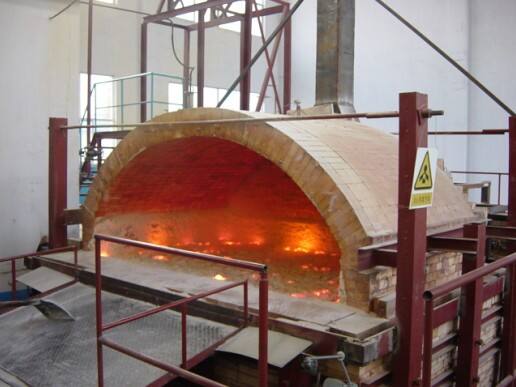
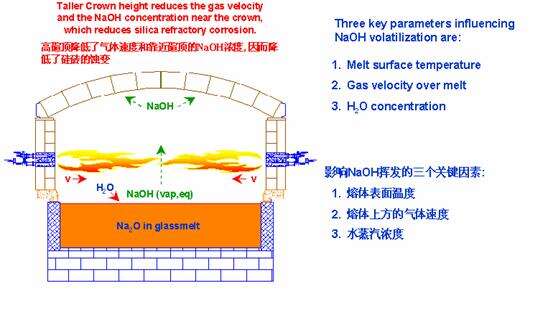
Understanding glass melting furnace price requires a comprehensive look at what these industrial systems offer and how their costs align with manufacturing needs. A glass melting furnace represents a critical investment for businesses in glass production, container manufacturing, architectural glass fabrication, and specialty glass creation. The glass melting furnace price typically reflects the sophisticated engineering, advanced materials, and precise control systems integrated into these units. Modern glass melting furnaces employ cutting-edge technology to transform raw materials like silica sand, soda ash, and limestone into molten glass at temperatures exceeding 1400 degrees Celsius. The pricing structure for these furnaces depends on multiple factors including capacity, fuel type, automation level, and specific application requirements. Electric glass melting furnaces generally command different price points compared to gas-fired or oil-fired alternatives, with each offering distinct operational characteristics. The glass melting furnace price also encompasses essential features such as temperature monitoring systems, regenerative heat recovery mechanisms, emission control equipment, and computerized process management. Small-scale furnaces suitable for artisan glasswork or laboratory applications start at more accessible price ranges, while industrial-scale continuous melting furnaces represent substantial capital investments. The technological features embedded in modern furnaces include precise thermal profiling, automated batch feeding systems, oxygen enrichment capabilities, and advanced refractory linings that extend operational lifespan. Applications span diverse industries from beverage bottle production and pharmaceutical vial manufacturing to architectural glass panels and automotive windshields. When evaluating glass melting furnace price, buyers must consider total cost of ownership including installation expenses, energy consumption patterns, maintenance requirements, and expected production output. The investment in a quality glass melting furnace delivers long-term value through consistent product quality, operational efficiency, and reduced waste generation, making the initial glass melting furnace price a strategic consideration rather than merely an expenditure.

New Product Releases

When examining the advantages associated with glass melting furnace price considerations, potential customers discover numerous practical benefits that justify their investment. First and foremost, modern furnaces deliver exceptional energy efficiency that directly reduces operational costs over time. The glass melting furnace price includes advanced insulation materials and heat recovery systems that minimize fuel consumption, translating to lower monthly energy bills and improved profit margins. These efficiency gains become particularly significant in high-volume production environments where even small percentage improvements yield substantial financial benefits. Another compelling advantage relates to production consistency and quality control. The price of contemporary glass melting furnaces reflects integrated monitoring technology that maintains precise temperature uniformity throughout the melting chamber. This consistency ensures every batch meets quality specifications, reducing rejection rates and material waste. Manufacturers benefit from predictable output that satisfies customer requirements without costly rework or scrap expenses. The automation features included in the glass melting furnace price provide significant labor advantages. Computerized control systems reduce the need for constant manual supervision, allowing skilled workers to focus on quality assurance and process optimization rather than routine monitoring tasks. This automation also minimizes human error, enhancing workplace safety while maintaining production schedules with greater reliability. Durability represents another key advantage built into the glass melting furnace price. Quality furnaces utilize premium refractory materials and robust construction methods that withstand harsh operating conditions for extended periods. This longevity means fewer unexpected shutdowns, lower maintenance frequencies, and extended intervals between major refurbishments. The initial glass melting furnace price investment protects against premature equipment failure and the associated production losses. Environmental compliance features embedded in modern furnace designs offer practical advantages beyond regulatory adherence. Advanced emission control systems reduce pollutant release, helping companies meet environmental standards while potentially qualifying for sustainability incentives or certifications. The glass melting furnace price incorporates filtration and scrubbing technologies that protect both workplace air quality and community environmental health. Flexibility in production capabilities provides tangible benefits for businesses with varying product portfolios. Many furnaces accommodate different glass compositions, colors, and production volumes without requiring extensive reconfiguration. This versatility, reflected in the glass melting furnace price, enables manufacturers to respond quickly to market demands and customer specifications. Finally, the comprehensive support and warranty packages typically included with quality furnaces add substantial value to the glass melting furnace price, ensuring technical assistance, spare parts availability, and long-term operational confidence.

Tips And Tricks

What Are the Benefits of Using an Automated Glass Sorting System?

24

Sep

What Are the Benefits of Using an Automated Glass Sorting System?

Revolutionizing Glass Recycling Through Advanced Automation The glass recycling industry is undergoing a remarkable transformation with the integration of automated glass sorting systems. These sophisticated technologies are reshaping how recycling f...
View More
How Can Double Edgers Improve Efficiency and Reduce Waste?

24

Nov

How Can Double Edgers Improve Efficiency and Reduce Waste?

In today's competitive manufacturing landscape, companies are constantly seeking ways to enhance operational efficiency while minimizing material waste. Double edgers have emerged as a pivotal solution for businesses processing sheet materials, offer...
View More
How to Troubleshoot Common Issues in Double Edgers?

24

Nov

How to Troubleshoot Common Issues in Double Edgers?

Double edgers are essential machinery in glass processing facilities, responsible for delivering precise edge grinding and polishing operations. These sophisticated machines can encounter various operational challenges that impact productivity and pr...
View More
How Can Grinding Machines Enhance Surface Finish and Dimensional Accuracy?

19

Dec

How Can Grinding Machines Enhance Surface Finish and Dimensional Accuracy?

Manufacturing precision has reached unprecedented levels in modern industrial applications, where surface finish quality and dimensional accuracy determine product performance and market competitiveness. Advanced grinding machines represent the corne...
View More

Get a Free Quote

Our representative will contact you soon.
Email
Name
Company Name
Message
0/1000

glass melting furnace price

Comprehensive Energy Efficiency Reduces Long-Term Operating Expenses

Comprehensive Energy Efficiency Reduces Long-Term Operating Expenses

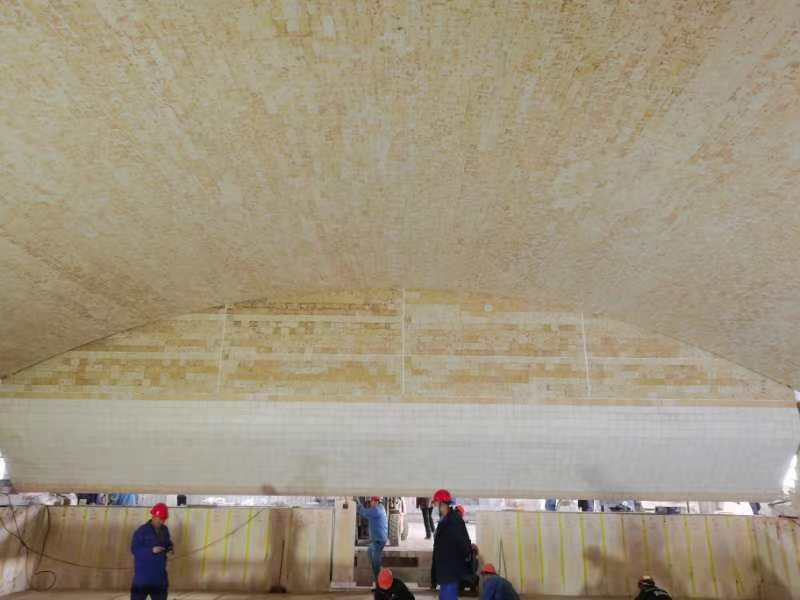
The glass melting furnace price reflects sophisticated energy management systems that deliver measurable cost savings throughout the equipment's operational lifetime. Modern glass melting furnaces incorporate multiple energy-saving technologies that work synergistically to minimize fuel consumption while maintaining optimal melting conditions. Regenerative heat exchangers capture waste heat from exhaust gases and redirect this thermal energy back into the melting process, achieving fuel savings that can reach thirty to forty percent compared to older furnace designs. This regenerative capability alone justifies a significant portion of the glass melting furnace price, as the fuel cost reductions accumulate substantially over years of continuous operation. Advanced insulation materials including high-performance ceramic fiber linings and specialized refractory bricks create thermal barriers that prevent heat loss through furnace walls and roofs. These premium insulation components, factored into the glass melting furnace price, maintain interior temperatures while reducing the energy required to sustain melting conditions. The investment in superior insulation pays dividends through lower energy bills and more stable operating temperatures that enhance glass quality. Oxygen-enriched combustion systems represent another energy efficiency feature increasingly common in contemporary furnace designs. By increasing oxygen concentration in the combustion air, these systems achieve more complete fuel burning with higher flame temperatures and reduced exhaust volumes. The glass melting furnace price for oxygen-enriched models includes specialized burners and oxygen delivery infrastructure, but the resulting efficiency improvements typically recover these costs within reasonable payback periods. Variable frequency drives on blowers and pumps allow precise matching of auxiliary equipment operation to actual process requirements, eliminating energy waste from oversized motors running at full capacity. Computer-controlled melting profiles optimize heating curves based on batch composition and production schedules, ensuring energy expenditure aligns precisely with manufacturing needs. The glass melting furnace price encompasses these intelligent control systems that continuously adjust operational parameters for maximum efficiency. Smaller footprint designs with optimized melting chamber geometries reduce the total surface area requiring heating, concentrating thermal energy where it provides maximum benefit. These engineering refinements, reflected in the glass melting furnace price, demonstrate how modern furnace technology transforms energy consumption from a significant operational burden into a manageable, predictable expense that supports profitable manufacturing operations.
Advanced Automation Enhances Production Reliability and Safety

Advanced Automation Enhances Production Reliability and Safety

The automation capabilities built into the glass melting furnace price represent transformative advantages for manufacturing operations seeking consistent output with minimal labor intervention. Contemporary glass melting furnaces feature comprehensive computerized control systems that monitor dozens of process variables simultaneously, making real-time adjustments that human operators simply cannot match in speed or precision. These automation systems, integral to the glass melting furnace price, continuously track temperature profiles across multiple furnace zones, adjusting burner outputs to maintain ideal melting conditions regardless of external factors like ambient temperature changes or raw material variations. The sophistication of these controls ensures glass quality remains consistent batch after batch, eliminating the production variability that plagued earlier manual operations. Automated batch feeding systems included in the glass melting furnace price precisely meter raw materials into the furnace at programmed intervals and quantities. This precision feeding maintains optimal furnace chemistry and prevents the temperature fluctuations associated with irregular charging. Operators no longer need to manually calculate and measure batch ingredients or time their additions, reducing physical labor while improving accuracy. The automation handles these repetitive tasks with unwavering consistency, freeing skilled workers for higher-value activities like quality inspection and process optimization. Safety enhancements represent critical automation benefits embedded in the glass melting furnace price. Automated systems continuously monitor for abnormal conditions including over-temperature situations, pressure imbalances, or combustion irregularities. When detecting potential hazards, the controls immediately implement protective responses such as reducing firing rates, activating cooling systems, or initiating controlled shutdowns. These safety features protect both personnel and equipment from dangerous situations that might develop too quickly for manual intervention. The glass melting furnace price includes emergency stop systems, flame safeguard controls, and redundant sensors that provide multiple layers of protection. Remote monitoring capabilities allow operators and managers to track furnace performance from office locations or even off-site through secure internet connections. This remote access, part of the modern glass melting furnace price package, enables quick response to process deviations without requiring constant physical presence at the furnace. Historical data logging creates detailed production records useful for quality documentation, troubleshooting, and process improvement initiatives. Predictive maintenance features analyze operating patterns to identify developing problems before they cause unplanned downtime. The comprehensive automation justified by the glass melting furnace price transforms glass melting from a labor-intensive craft into a reliable, repeatable manufacturing process.
Flexible Design Accommodates Diverse Production Requirements

Flexible Design Accommodates Diverse Production Requirements

The versatility reflected in the glass melting furnace price provides manufacturers with adaptability that proves invaluable in dynamic market conditions. Modern glass melting furnaces offer configuration options and operational flexibility that allow single installations to serve multiple production needs rather than requiring separate specialized equipment for each glass type or product line. This flexibility begins with furnace designs that accommodate various glass compositions from standard soda-lime formulations to specialized borosilicate, lead crystal, or colored glass recipes. The glass melting furnace price for these versatile units includes refractory materials and heating systems capable of handling the different melting temperatures and chemical properties associated with diverse glass types. Manufacturers can switch between product lines without investing in entirely new melting infrastructure, maximizing return on their glass melting furnace price investment. Capacity scalability represents another flexibility dimension built into contemporary furnace pricing structures. Modular designs allow manufacturers to start with baseline melting capacity and add sections or upgrade components as production demands grow. This scalability means the initial glass melting furnace price need not encompass maximum possible capacity, reducing upfront capital requirements while preserving expansion pathways. Some furnace designs permit operational adjustments between continuous melting for high-volume production and batch melting for smaller specialized runs, providing operational modes that match current business needs. Multiple discharge points and forehearth configurations included in the glass melting furnace price enable simultaneous feeding of different forming processes. A single furnace can supply glass to container forming lines, float glass operations, or fiber drawing stations concurrently, optimizing capital utilization. This multi-output capability, factored into the glass melting furnace price, reduces the total number of furnaces required in facilities producing varied product portfolios. Fuel flexibility offers practical advantages in regions where energy source availability or pricing fluctuates. Many modern furnaces can operate on natural gas, propane, or fuel oil with minimal modifications, allowing operators to select the most economical fuel option at any given time. The glass melting furnace price for fuel-flexible models includes burner systems and control adaptations that accommodate these different energy sources without compromising performance. Color change capabilities permit transitions between clear glass and various colored products with efficient purging procedures that minimize transition waste. The glass melting furnace price encompasses design features like optimized flow patterns and strategic drain ports that facilitate these changes. Environmental adaptability allows furnaces to maintain performance across different climate conditions and altitude levels, expanding installation possibilities. The comprehensive flexibility justified by the glass melting furnace price transforms these systems from single-purpose machines into versatile production assets.