Enhanced Acoustic Comfort That Transforms Living And Working Environments
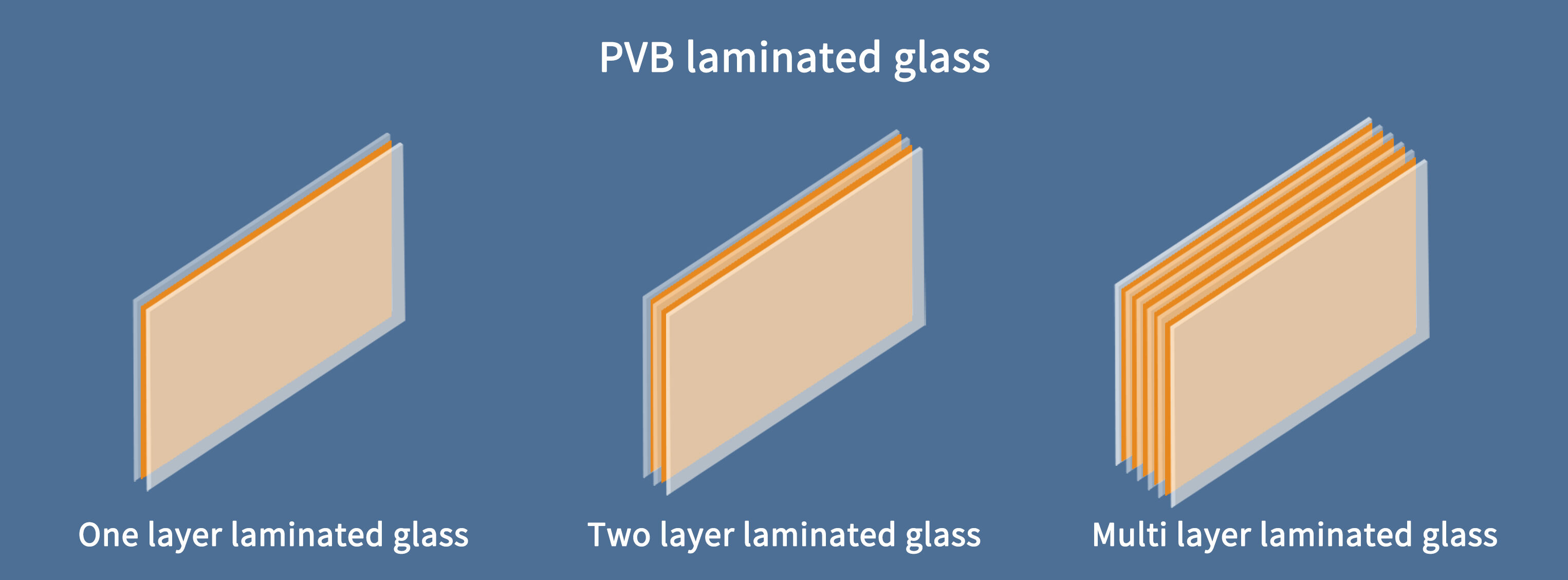
Noise pollution represents a pervasive environmental challenge affecting quality of life, productivity, and health in urban and suburban settings, making the sound-dampening capabilities of a laminated glass door increasingly valuable. The acoustic performance stems from the interlayer material's vibration-damping properties, which disrupt sound wave transmission between the exterior and interior environments. When sound waves encounter a laminated glass door, the flexible interlayer absorbs and dissipates energy that would otherwise pass through rigid single-pane glass, significantly reducing noise levels entering buildings. This acoustic attenuation proves particularly beneficial for properties located near busy streets, highways, airports, railways, or commercial districts where environmental noise reaches disruptive levels. Homeowners installing a laminated glass door experience dramatic improvements in interior tranquility, transforming previously noisy living spaces into peaceful sanctuaries conducive to relaxation and rest. Bedrooms positioned near street-facing walls benefit enormously, as reduced traffic noise enables deeper, more restorative sleep that enhances overall health and well-being. Office environments equipped with laminated glass doors achieve better acoustic separation between workspaces, conference rooms, and common areas, allowing simultaneous activities without mutual interference. Employees concentrate more effectively when external distractions diminish, leading to improved productivity, reduced stress levels, and enhanced job satisfaction. Medical facilities utilize laminated glass doors to create quieter patient rooms, examination areas, and recovery spaces where acoustic comfort directly influences healing outcomes and patient experiences. Research consistently demonstrates that excessive noise delays recovery, increases stress hormone levels, and interferes with sleep patterns critical to healing processes. Educational institutions install laminated glass doors in classrooms, libraries, and study areas to minimize disruptive sounds that impede learning and concentration. Students absorb information more effectively and retain knowledge better in acoustically controlled environments free from external noise intrusions. The acoustic benefits of a laminated glass door extend to entertainment venues, recording studios, and performance spaces requiring sound isolation without sacrificing visual connectivity. These specialized applications demand precise acoustic control that standard glass cannot provide, making laminated glass doors essential components of professional-grade installations. Restaurants and hospitality venues choose laminated glass doors to create intimate dining experiences where conversation flows naturally without competing against street noise or kitchen sounds. The enhanced acoustic comfort contributes to positive customer experiences that drive repeat business and favorable reviews. Acoustic testing demonstrates that laminated glass doors can reduce sound transmission by thirty to fifty percent compared to conventional glass of similar thickness, representing substantial improvement in real-world conditions. This performance advantage makes the laminated glass door an essential element in comprehensive noise control strategies that address modern environmental challenges while maintaining architectural transparency and aesthetic appeal.
 EN
EN
 AR
AR
 BG
BG
 HR
HR
 CS
CS
 DA
DA
 NL
NL
 FI
FI
 FR
FR
 DE
DE
 EL
EL
 HI
HI
 IT
IT
 JA
JA
 KO
KO
 PL
PL
 PT
PT
 RO
RO
 RU
RU
 ES
ES
 SV
SV
 TL
TL
 IW
IW
 LV
LV
 LT
LT
 SK
SK
 SL
SL
 UK
UK
 VI
VI
 ET
ET
 HU
HU
 MT
MT
 TH
TH
 TR
TR
 FA
FA
 MS
MS
 SW
SW
 GA
GA
 AZ
AZ