Electric Glass Melting Furnace - Advanced Technology for Efficient Glass Production

All Categories

Get a Free Quote

Our representative will contact you soon.
Email
Name
Company Name
Message
0/1000

electric glass melting furnace

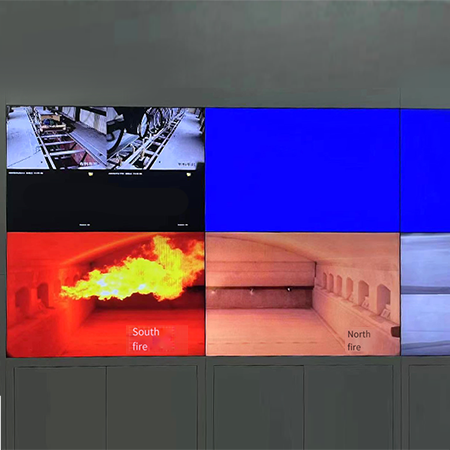
An electric glass melting furnace represents a modern industrial solution designed specifically for melting and refining glass materials through electrical heating methods. This advanced equipment utilizes electrical energy as its primary power source, converting it into heat through resistance heating elements or electrode systems submerged within the glass bath. The electric glass melting furnace serves manufacturers across diverse sectors including container production, fiber glass manufacturing, specialty glass creation, and artistic glass forming. The main functions of this equipment include controlled melting of raw glass materials, maintaining precise temperature regulation throughout the melting process, and ensuring consistent glass quality through uniform heat distribution. Technological features of the electric glass melting furnace incorporate sophisticated temperature control systems that allow operators to maintain optimal melting conditions with remarkable precision. Modern units integrate advanced insulation materials that minimize heat loss and improve energy efficiency. The furnace design typically includes multiple heating zones, enabling gradual temperature progression from raw material feeding areas to the final melting chamber. Many electric glass melting furnace models feature automated control panels with digital monitoring systems, providing real-time data on temperature, power consumption, and operational status. The applications of this technology span numerous industries, from producing everyday glass containers and bottles to creating specialized optical glass and laboratory equipment. Manufacturers of decorative glass items, automotive glass components, and architectural glass products rely on electric glass melting furnace technology for consistent production outcomes. The equipment proves particularly valuable for small to medium-sized production facilities that require flexible operation and quick startup capabilities. Research laboratories and educational institutions also utilize smaller electric glass melting furnace units for experimental purposes and material development. The versatility of this melting technology allows producers to work with various glass compositions, including soda-lime glass, borosilicate glass, and lead crystal formulations.

Popular Products

The electric glass melting furnace delivers substantial benefits that directly impact production efficiency and business profitability. Energy conversion efficiency stands as a primary advantage, with electrical heating systems converting up to 95 percent of input energy directly into usable heat within the glass bath. This efficiency translates into lower operational costs compared to traditional fuel-fired alternatives. The precise temperature control capabilities enable manufacturers to achieve consistent glass quality batch after batch, reducing waste from temperature-related defects and improving product uniformity. Operators can adjust heating parameters quickly and accurately, responding immediately to production requirements without the lag time associated with combustion systems. Environmental benefits provide another compelling reason to choose an electric glass melting furnace for manufacturing operations. These systems produce zero direct emissions at the production site, eliminating concerns about combustion byproducts, sulfur dioxide, nitrogen oxides, and particulate matter. This clean operation simplifies regulatory compliance and reduces environmental permitting requirements, particularly important for facilities located in urban areas or regions with strict air quality standards. The absence of combustion processes also creates a safer working environment by eliminating explosion risks associated with fuel handling and storage. Maintenance requirements for an electric glass melting furnace prove significantly lower than conventional melting systems. Without burners, fuel lines, combustion air systems, or exhaust gas handling equipment, the maintenance schedule becomes more straightforward and less costly. The simplified design means fewer components that require regular inspection, adjustment, or replacement. Startup and shutdown procedures become remarkably simple with electric heating, allowing manufacturers to respond flexibly to production demands without lengthy warm-up periods or complex shutdown sequences. This operational flexibility proves invaluable for businesses producing specialty glass products with varying production schedules. The compact footprint of an electric glass melting furnace allows efficient use of factory space, particularly beneficial for facilities with limited floor area. Installation requirements become less complex without the need for fuel storage tanks, combustion air ducting, and extensive exhaust systems. The reduced infrastructure needs can significantly lower initial capital investment for new installations. Additionally, the quiet operation of electric heating systems creates a more comfortable workplace compared to the noise generated by combustion burners and associated blowers. Product quality improvements result from the stable, uniform heating provided by electric systems, with glass homogeneity enhanced through consistent temperature distribution. The absence of combustion gases eliminates potential contamination sources that could affect glass clarity or color. For manufacturers producing high-value specialty glass products, these quality advantages justify the investment in electric melting technology.

Tips And Tricks

What Are the Future Trends in Intelligent Glass Sorting Systems?

24

Sep

What Are the Future Trends in Intelligent Glass Sorting Systems?

The Evolution of Advanced Glass Sorting Technology The landscape of glass recycling and processing is undergoing a remarkable transformation through intelligent glass sorting systems. These sophisticated technologies are revolutionizing how we handle...
View More
Why Are Glass Drilling Machines Vital in Automotive and Construction Industries?

28

Oct

Why Are Glass Drilling Machines Vital in Automotive and Construction Industries?

The Evolution of Glass Processing Technology in Modern Industries The landscape of industrial manufacturing has been transformed by the advent of sophisticated glass drilling machines, revolutionizing how we process and manipulate glass materials. Th...
View More
How Can Double Edgers Improve Efficiency and Reduce Waste?

24

Nov

How Can Double Edgers Improve Efficiency and Reduce Waste?

In today's competitive manufacturing landscape, companies are constantly seeking ways to enhance operational efficiency while minimizing material waste. Double edgers have emerged as a pivotal solution for businesses processing sheet materials, offer...
View More
How to Troubleshoot Common Issues in Double Edgers?

24

Nov

How to Troubleshoot Common Issues in Double Edgers?

Double edgers are essential machinery in glass processing facilities, responsible for delivering precise edge grinding and polishing operations. These sophisticated machines can encounter various operational challenges that impact productivity and pr...
View More

Get a Free Quote

Our representative will contact you soon.
Email
Name
Company Name
Message
0/1000

electric glass melting furnace

Superior Temperature Control and Glass Quality Consistency

Superior Temperature Control and Glass Quality Consistency

The electric glass melting furnace excels in delivering unmatched temperature control precision that directly translates into superior glass quality and reduced production waste. Unlike combustion-based systems where temperature fluctuations occur due to variations in fuel composition, air-fuel ratios, and flame characteristics, electrical heating provides remarkably stable and predictable heat generation. Modern electric glass melting furnace installations incorporate multiple independent heating zones, each controlled by sophisticated digital systems that monitor and adjust power input hundreds of times per second. This level of control allows operators to maintain temperature uniformity across the entire glass bath within tolerances of just a few degrees, ensuring that every portion of molten glass receives identical thermal treatment. The significance of this precision becomes apparent when considering how glass properties depend on thermal history during melting. Color consistency, viscosity, working characteristics, and final product strength all relate directly to the temperature profile experienced during the melting process. With an electric glass melting furnace, manufacturers can establish optimal melting parameters for specific glass formulations and replicate these conditions reliably across production runs spanning months or years. This consistency reduces the need for product testing and quality adjustments, streamlining production workflows and minimizing material waste from out-of-specification batches. The programmable nature of electric heating systems enables manufacturers to implement sophisticated melting profiles with precisely controlled heating and cooling rates. For specialty glass applications requiring specific thermal treatments, such as stress relief or controlled crystallization, the electric glass melting furnace provides capabilities that combustion systems simply cannot match. Operators can store multiple heating programs for different products and switch between them instantly, supporting diverse product portfolios without equipment modifications. The temperature control advantages extend beyond the primary melting chamber to conditioning and forming operations. Integrated electric heating systems maintain consistent glass temperature as material flows from the melting area through delivery channels to forming stations, eliminating cold spots that could cause defects or processing difficulties. This comprehensive thermal management capability represents a fundamental advantage that impacts every aspect of glass production quality, from raw material melting through final product formation, making the electric glass melting furnace an invaluable asset for quality-conscious manufacturers.
Environmental Compliance and Operational Safety Benefits

Environmental Compliance and Operational Safety Benefits

The environmental and safety profile of an electric glass melting furnace provides compelling advantages that extend far beyond regulatory compliance, creating tangible value through reduced liability, improved workplace conditions, and enhanced corporate reputation. Zero direct emissions represent the most obvious environmental benefit, with electric heating eliminating all combustion-related pollutants at the production facility. This clean operation transforms the regulatory landscape for glass manufacturers, removing concerns about air quality permits, emission monitoring requirements, and potential violations that carry both financial penalties and reputational damage. For facilities located in areas with stringent environmental regulations or near residential neighborhoods, the electric glass melting furnace offers a path to sustainable operation without constant regulatory challenges. The absence of exhaust gases eliminates the need for expensive pollution control equipment such as scrubbers, filters, and catalytic converters, reducing both capital costs and ongoing maintenance expenses. Environmental advantages extend to resource conservation and overall carbon footprint considerations. The high energy efficiency of an electric glass melting furnace means less total energy consumption per ton of glass produced, conserving natural resources even when electricity generation relies on fossil fuels. As electrical grids worldwide incorporate increasing percentages of renewable energy from solar, wind, and hydroelectric sources, the environmental profile of electric melting continues improving without any changes to manufacturing equipment. Forward-thinking manufacturers recognize that investing in an electric glass melting furnace today positions their operations for an increasingly carbon-conscious future marketplace where customers prioritize suppliers with demonstrated environmental commitments. Workplace safety improvements delivered by electric heating systems create measurable value through reduced accident risks and improved employee wellbeing. Eliminating fuel storage and handling removes explosion and fire hazards associated with natural gas, propane, or fuel oil systems. Workers no longer face risks from fuel leaks, combustion air system failures, or burner malfunctions that could cause dangerous situations. The absence of high-temperature exhaust gases and associated ductwork reduces burn hazards throughout the facility. Quieter operation improves the acoustic environment, reducing noise-related stress and potential hearing damage while facilitating better communication among production teams. The simplified safety profile of an electric glass melting furnace can reduce insurance premiums and workers compensation costs while supporting recruitment and retention efforts by demonstrating commitment to employee safety. These combined environmental and safety advantages create business value that extends well beyond the immediate production floor, influencing customer relationships, regulatory interactions, and overall corporate positioning in an increasingly sustainability-focused marketplace.
Operational Flexibility and Economic Efficiency

Operational Flexibility and Economic Efficiency

The operational characteristics of an electric glass melting furnace deliver exceptional flexibility and economic efficiency that directly impact business profitability and competitive positioning. Rapid startup capability represents a transformative advantage for manufacturers who need to respond quickly to changing market demands or operate on intermittent production schedules. Unlike fuel-fired furnaces that may require 24 to 48 hours for proper startup procedures and must often run continuously to avoid costly shutdown and restart cycles, an electric glass melting furnace can reach operating temperature in significantly less time, sometimes within just a few hours depending on furnace size and design. This quick-start capability enables manufacturers to align production schedules closely with actual customer orders rather than maintaining continuous operation to avoid startup costs. For businesses producing specialty glass products with variable demand patterns, the ability to start and stop production economically transforms operational economics. Energy costs during idle periods disappear entirely, eliminating the substantial expense of maintaining temperature in a furnace that produces no saleable product. The economic implications extend throughout the business model, reducing working capital requirements for finished goods inventory and allowing more responsive customer service through shorter lead times. Maintenance scheduling becomes more flexible when an electric glass melting furnace can be shut down and restarted without major operational penalties, enabling planned maintenance during slow periods rather than forcing production interruptions during peak demand seasons. The modular nature of electric heating systems supports incremental capacity expansion, allowing manufacturers to add heating capacity as business grows without replacing entire furnace systems. This scalability reduces financial risk for growing businesses and enables more precise matching of production capacity to actual market demand. Energy cost predictability provides another economic advantage, as electricity prices typically show less volatility than fossil fuel costs, simplifying budgeting and financial planning processes. The simplified infrastructure requirements of an electric glass melting furnace reduce facility costs both for new installations and for businesses expanding into additional locations. Without needs for fuel storage, combustion air systems, and extensive exhaust handling, building requirements become less complex and costly. The compact equipment footprint maximizes utilable production space within existing facilities, potentially eliminating needs for building expansion that would require major capital investment. For businesses evaluating production location options, the minimal infrastructure needs of electric melting technology expand the range of suitable facilities, potentially enabling operation in locations with advantageous labor costs, market proximity, or logistical benefits that would be impossible with conventional melting systems requiring extensive support infrastructure. These operational and economic advantages combine to create a compelling business case for the electric glass melting furnace that extends well beyond simple equipment comparison, influencing overall business strategy, market positioning, and long-term competitive sustainability.