glass tank furnace
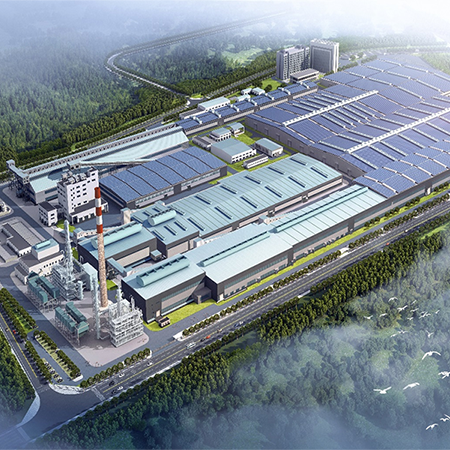
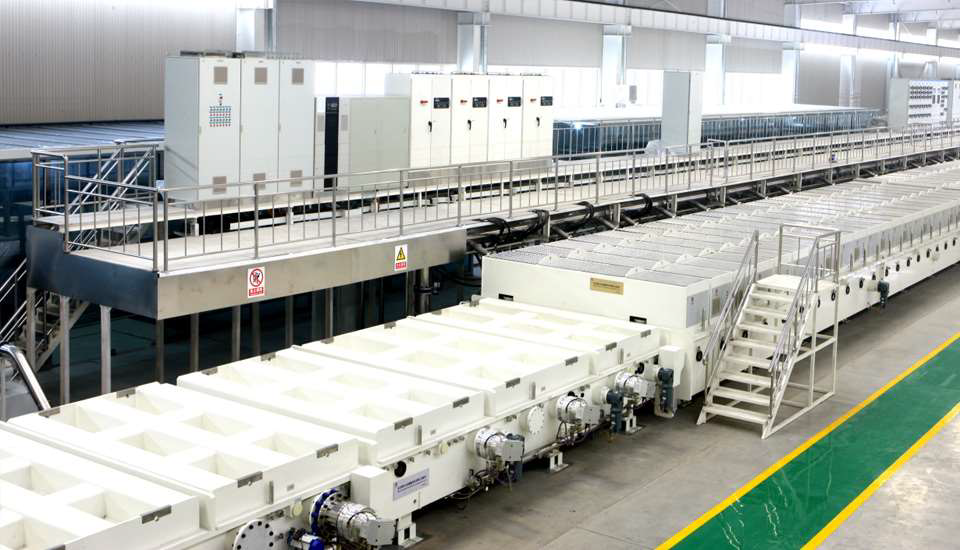
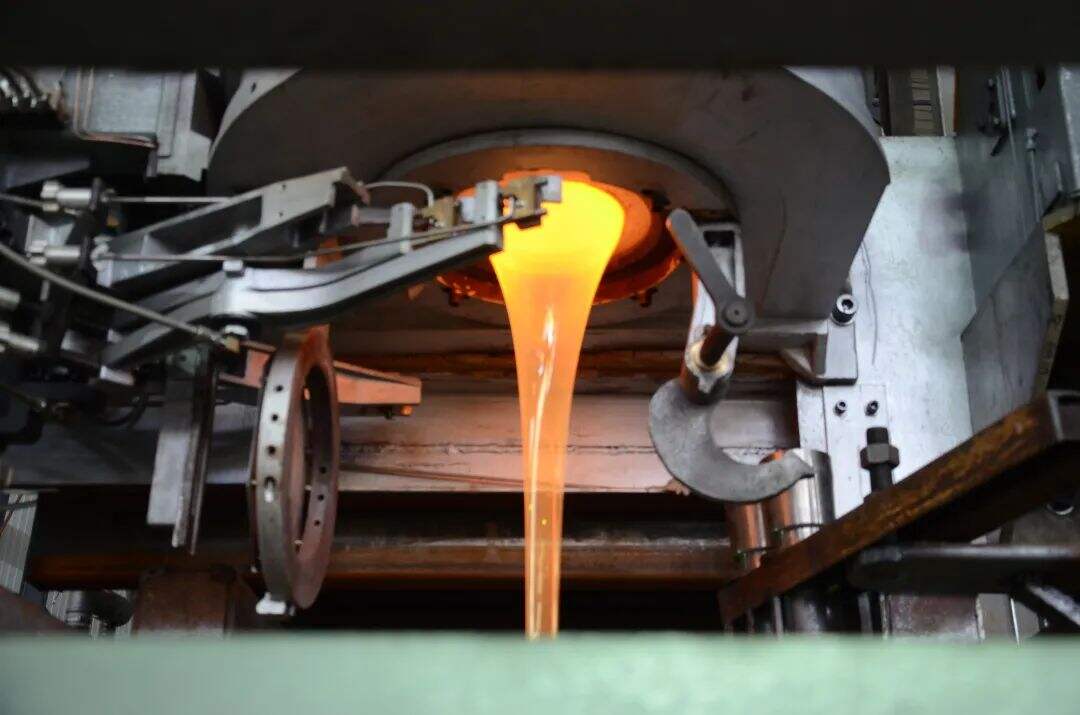
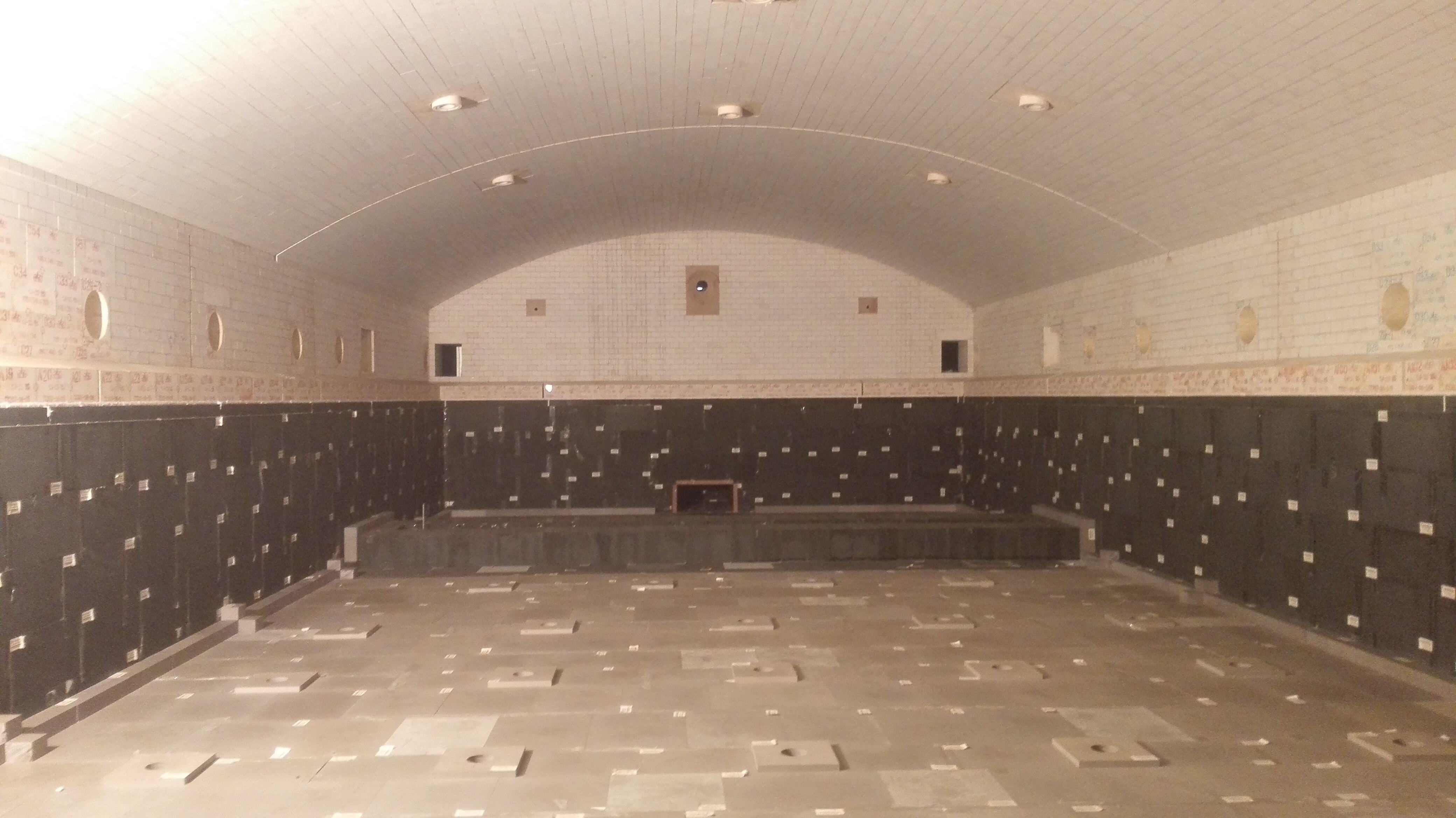
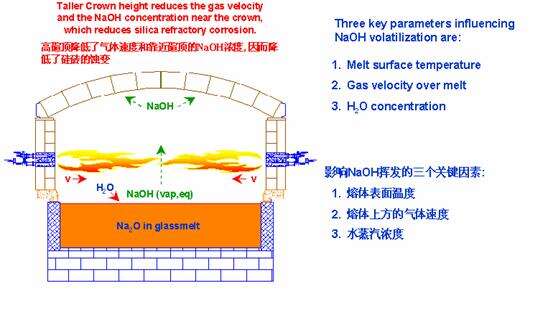
A glass tank furnace represents a cornerstone technology in modern glass manufacturing, serving as the primary melting system for transforming raw materials into molten glass. This industrial equipment operates as a continuous melting unit where carefully measured batches of silica sand, soda ash, limestone, and other additives are fed into a large refractory-lined basin. The glass tank furnace maintains extremely high temperatures, typically ranging from 1400 to 1600 degrees Celsius, to ensure complete melting and homogenization of materials. The main functions of this equipment include raw material melting, refining to remove bubbles and impurities, conditioning to achieve proper viscosity, and delivering molten glass to forming operations. Technologically, these furnaces employ regenerative heating systems that capture waste heat from exhaust gases and redirect it to preheat incoming combustion air, dramatically improving thermal efficiency. The tank structure consists of multiple zones including the melting end where raw materials enter, the refining zone where chemical reactions complete, the working end where glass temperature adjusts for forming, and the forehearth channels that deliver glass to production lines. Advanced glass tank furnace designs incorporate sophisticated control systems that monitor and regulate temperature distribution, glass level, pressure conditions, and fuel consumption. Modern installations often feature oxygen-enriched combustion or full oxy-fuel firing to reduce emissions and enhance energy performance. The refractory materials used in construction must withstand extreme temperatures, corrosive glass melts, and thermal cycling over campaigns lasting five to fifteen years. Applications span the entire glass industry including container glass production for bottles and jars, flat glass manufacturing for windows and architectural applications, fiberglass production, and specialty glass fabrication for scientific and technical purposes. The glass tank furnace remains essential for high-volume production where continuous operation and consistent quality standards are paramount requirements.
 EN
EN
 AR
AR
 BG
BG
 HR
HR
 CS
CS
 DA
DA
 NL
NL
 FI
FI
 FR
FR
 DE
DE
 EL
EL
 HI
HI
 IT
IT
 JA
JA
 KO
KO
 PL
PL
 PT
PT
 RO
RO
 RU
RU
 ES
ES
 SV
SV
 TL
TL
 IW
IW
 LV
LV
 LT
LT
 SK
SK
 SL
SL
 UK
UK
 VI
VI
 ET
ET
 HU
HU
 MT
MT
 TH
TH
 TR
TR
 FA
FA
 MS
MS
 SW
SW
 GA
GA
 AZ
AZ