Float Glass Production Line - Advanced Manufacturing Systems for Superior Quality Glass

All Categories

Get a Free Quote

Our representative will contact you soon.
Email
Name
Company Name
Message
0/1000

float glass production line

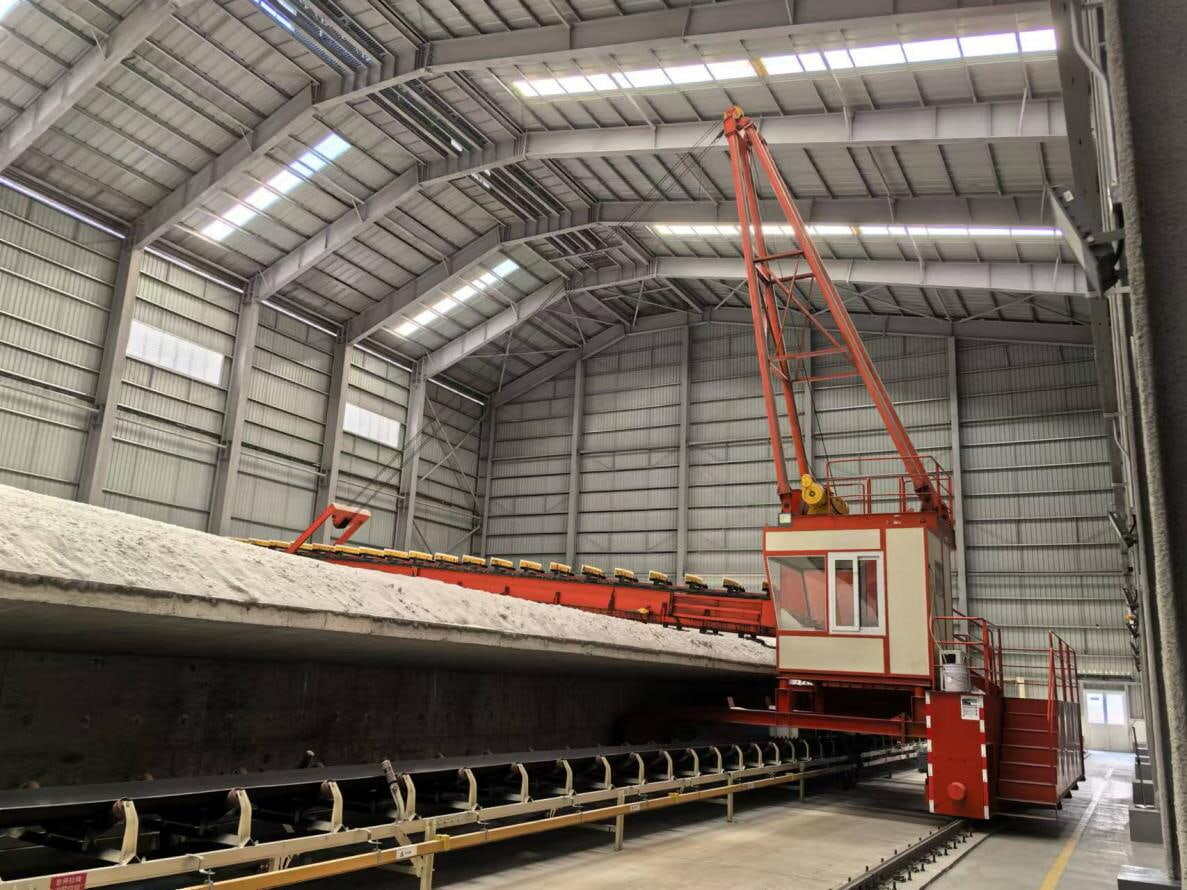
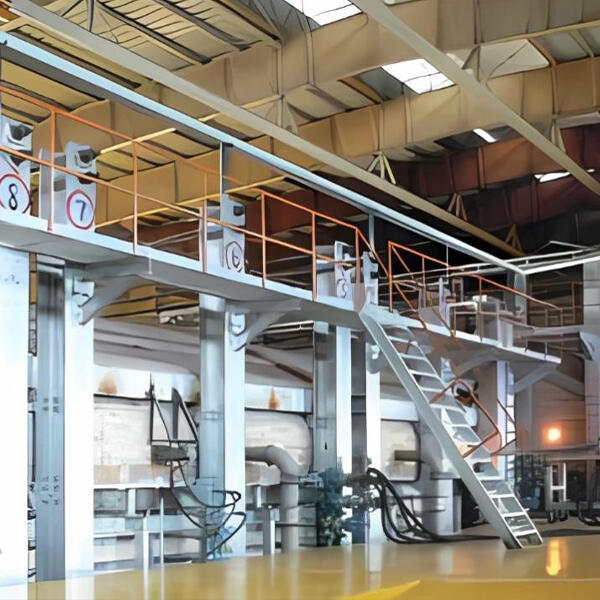
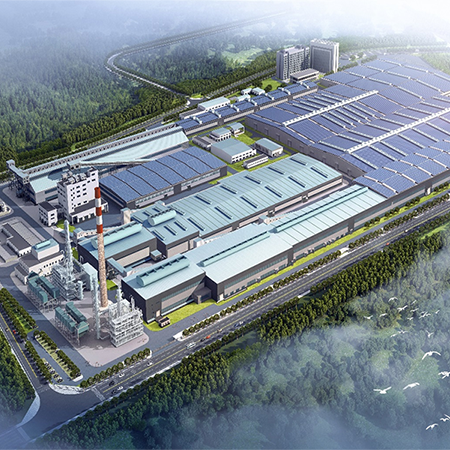
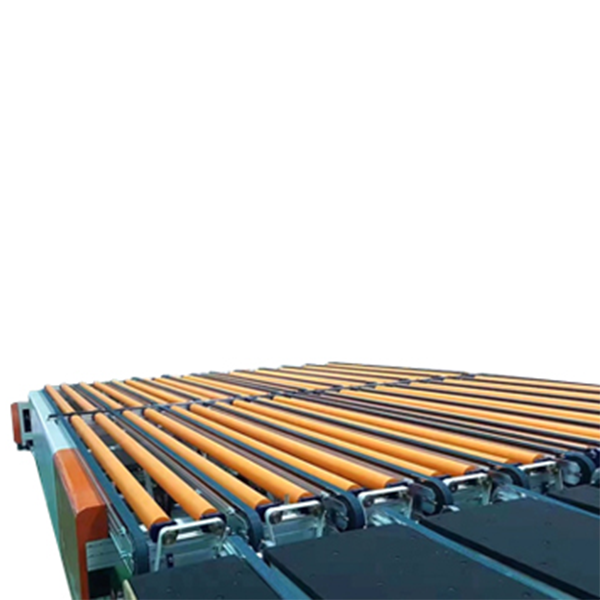
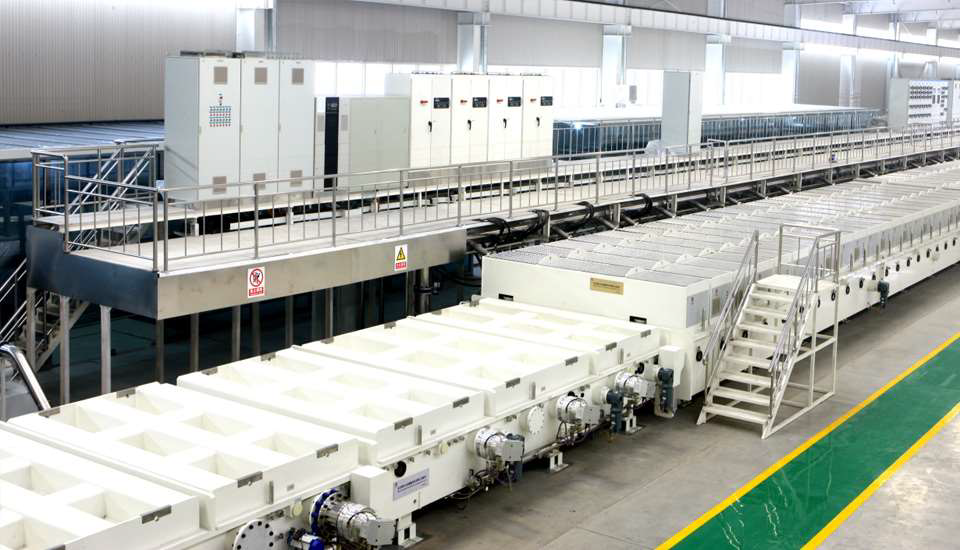
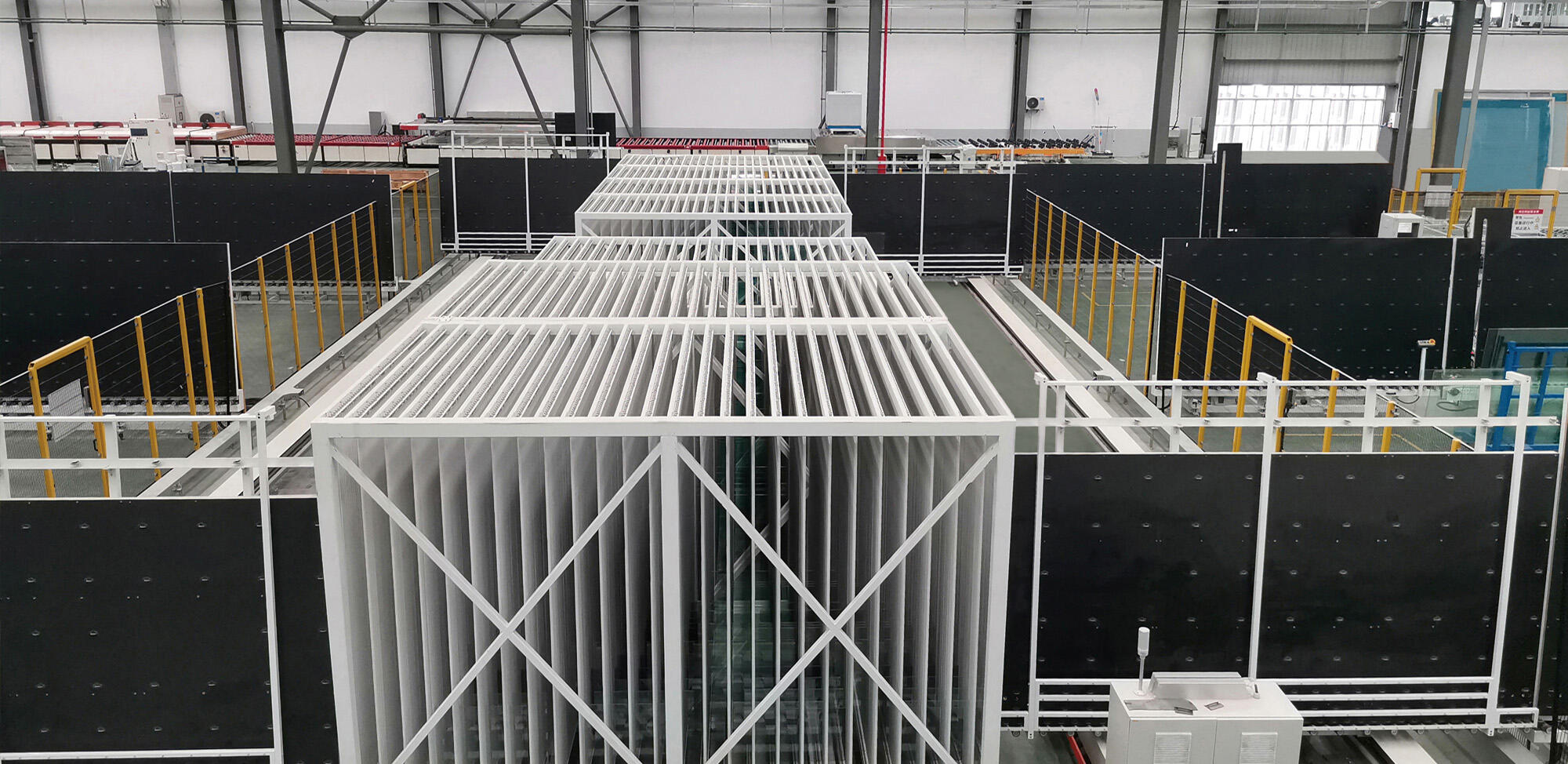
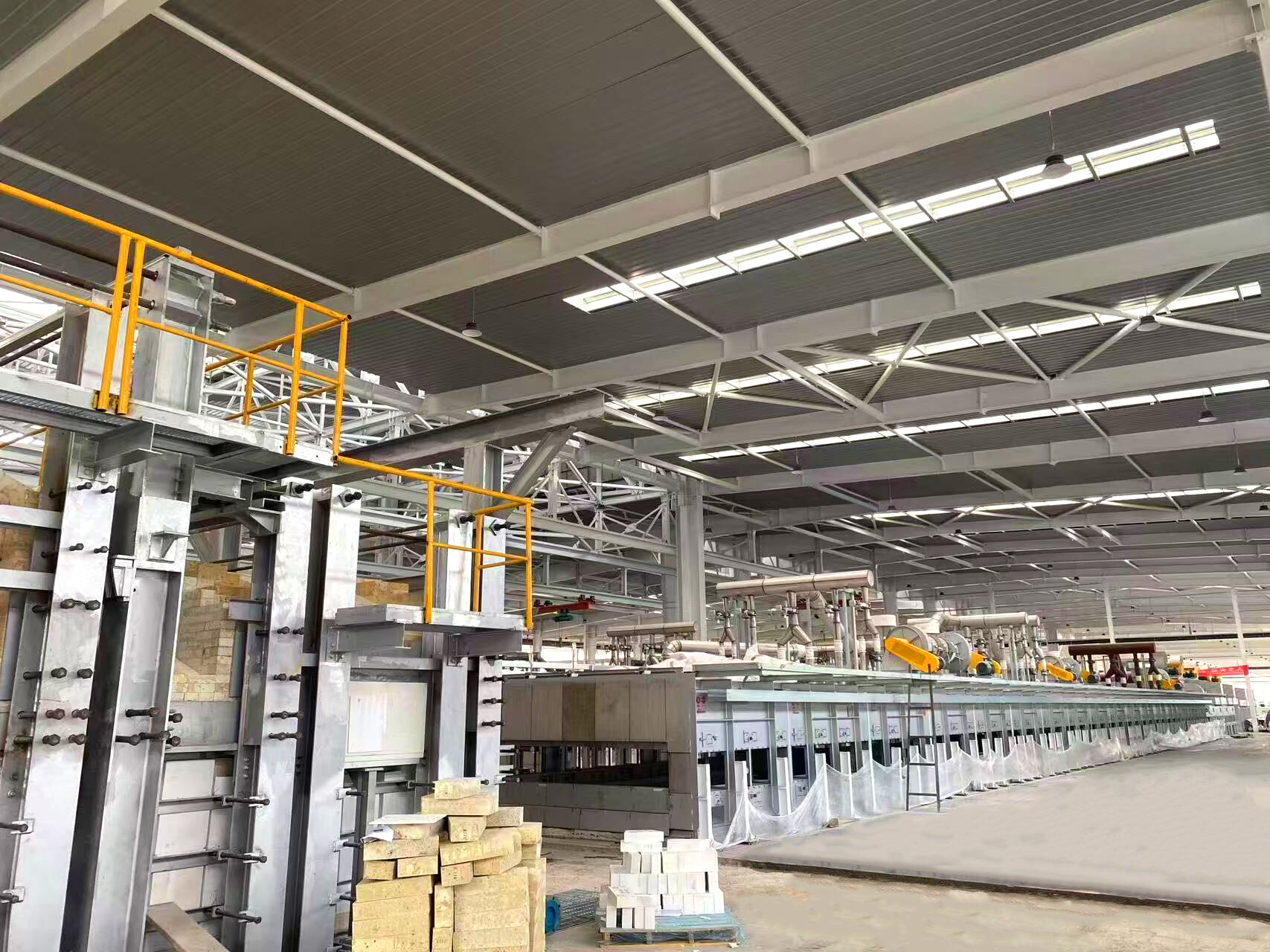
A float glass production line represents a sophisticated manufacturing system designed to produce high-quality flat glass through a continuous process. This advanced technology transforms raw materials into pristine glass sheets that meet demanding industry standards. The production line operates by melting sand, soda ash, limestone, and other materials in a furnace at temperatures exceeding 1500 degrees Celsius. Once molten, the glass flows onto a bath of molten tin, where it spreads evenly to form a ribbon of uniform thickness. This method ensures exceptional flatness and optical clarity that traditional glass-making techniques cannot achieve. The main functions of this manufacturing system include precise temperature control throughout multiple zones, automated material handling, continuous ribbon formation, controlled cooling processes, and quality inspection stations. Technological features incorporate computerized monitoring systems that track every parameter in real time, ensuring consistent product quality. The annealing lehr gradually reduces glass temperature to prevent internal stress, while automated cutting systems dimension the glass according to specifications. Modern lines integrate energy recovery systems that capture waste heat and redirect it back into the production process, significantly improving efficiency. Applications for glass produced through this method span numerous industries including construction, automotive manufacturing, solar energy, electronics, and furniture design. Architects specify this glass for commercial buildings, residential projects, and facades due to its superior optical properties. Automotive manufacturers rely on it for windshields and windows because of its strength and clarity. The solar industry uses it as substrates for photovoltaic panels, while electronics manufacturers incorporate it into display screens. The versatility of this manufacturing process allows producers to create glass in various thicknesses ranging from ultra-thin sheets to thick panels, meeting diverse market requirements and customer specifications across global markets.

New Product Recommendations

Investing in a modern manufacturing system for flat glass delivers substantial practical benefits that directly impact your bottom line and market competitiveness. First and foremost, this technology produces glass with unmatched surface quality and optical clarity. The molten tin bath creates perfectly flat surfaces on both sides without requiring grinding or polishing, saving you significant processing costs and time. Your customers receive products with minimal distortion, making them ideal for applications where visual precision matters. The continuous production process means you can manufacture large volumes efficiently, meeting high demand without compromising quality standards. This scalability allows you to grow your business and take on larger contracts with confidence. Energy efficiency stands as another major advantage, as modern systems incorporate heat recovery mechanisms that capture and reuse thermal energy. You will notice reduced fuel consumption compared to older manufacturing methods, leading to lower operational costs and improved profit margins. The automated control systems minimize human error and maintain consistent quality throughout production runs, reducing waste and rejected products. This reliability means you can promise delivery schedules to customers and meet them consistently. The flexibility to produce different glass thicknesses on the same line gives you market versatility, allowing you to serve multiple industries without investing in separate equipment. You can quickly adjust production parameters to meet changing customer demands, responding faster than competitors using less adaptable systems. Maintenance requirements remain manageable because modern designs incorporate durable components and predictive monitoring systems that alert operators to potential issues before they cause downtime. Your production continuity improves, and unexpected repair costs decrease. The glass produced requires minimal secondary processing, arriving at customers ready for installation or further manufacturing steps. This convenience adds value to your offering and strengthens customer relationships. Environmental benefits also matter in today's market, as this technology generates less waste and emissions compared to alternative methods. You can promote your commitment to sustainability, appealing to environmentally conscious customers and meeting regulatory requirements more easily. The initial investment delivers long-term returns through decades of reliable operation, making it a sound financial decision for manufacturers committed to excellence and growth in competitive glass markets worldwide.

Practical Tips

What Types of Coatings Are Applied in a Glass Coating Line?

24

Sep

What Types of Coatings Are Applied in a Glass Coating Line?

Understanding Modern Glass Coating Technologies Glass coating technology has revolutionized the way we enhance and protect glass surfaces across various industries. From architectural applications to automotive windshields, the glass coating line pro...
View More
How Does a Glass Sorting System Integrate with Other Glass Lines?

24

Sep

How Does a Glass Sorting System Integrate with Other Glass Lines?

Seamless Integration of Modern Glass Sorting Technologies The integration of a glass sorting system into existing production lines represents a significant advancement in glass manufacturing and recycling operations. These sophisticated systems utili...
View More
How Do Glass Drilling Machines Achieve Precision and Accuracy?

28

Oct

How Do Glass Drilling Machines Achieve Precision and Accuracy?

The Engineering Marvel Behind Modern Glass Drilling Technology Glass drilling machines represent the pinnacle of precision engineering in today's manufacturing landscape. These sophisticated pieces of equipment combine advanced technology with mechan...
View More
How Can Grinding Machines Enhance Surface Finish and Dimensional Accuracy?

19

Dec

How Can Grinding Machines Enhance Surface Finish and Dimensional Accuracy?

Manufacturing precision has reached unprecedented levels in modern industrial applications, where surface finish quality and dimensional accuracy determine product performance and market competitiveness. Advanced grinding machines represent the corne...
View More

Get a Free Quote

Our representative will contact you soon.
Email
Name
Company Name
Message
0/1000

float glass production line

Superior Product Quality Through Advanced Float Technology

Superior Product Quality Through Advanced Float Technology

The heart of this manufacturing system lies in its ability to produce glass with exceptional quality characteristics that set your products apart in competitive markets. When molten glass flows onto the tin bath, physics takes over to create something remarkable. The tin surface remains perfectly flat and level due to its liquid state, and glass naturally spreads across it to form a ribbon with parallel surfaces of outstanding flatness. This process eliminates the waves, distortions, and imperfections common in older manufacturing methods. Your customers receive glass with optical clarity that meets the most demanding specifications for architectural and technical applications. The fire-polished surfaces emerge from the tin bath with a natural brilliance that requires no additional treatment, saving processing steps and costs. This quality consistency extends throughout every meter of production, as computerized controls maintain precise conditions in the furnace, tin bath, and cooling zones. Temperature variations that could affect glass properties stay within tight tolerances, ensuring that the first glass produced each day matches the last glass produced weeks later. Color consistency remains uniform because the raw material mixing systems deliver exact proportions every time, and the melting process achieves complete homogenization. Thickness control reaches precision levels that traditional methods cannot match, with modern systems maintaining tolerances within fractions of a millimeter across the entire ribbon width. This precision means less material waste during cutting operations and better fit during installation. The annealing process gradually relieves internal stresses that could cause breakage or optical distortions, resulting in glass that remains stable under varying temperatures and mechanical loads. Quality inspection systems using optical sensors and cameras continuously monitor the ribbon for any defects, automatically marking problem areas for removal. This vigilance ensures that only premium glass reaches your customers, protecting your reputation and reducing costly returns or complaints. The capability to produce jumbo sheets reduces the number of joints needed in large installations, creating cleaner appearances and stronger structures. Architects and designers appreciate this flexibility when creating modern buildings with expansive glass facades. For specialized applications requiring extra clarity, the system can produce low-iron glass with minimal greenish tint, perfect for display cases, solar panels, and high-end architectural projects where color neutrality matters.
Operational Efficiency and Cost-Effective Production

Operational Efficiency and Cost-Effective Production

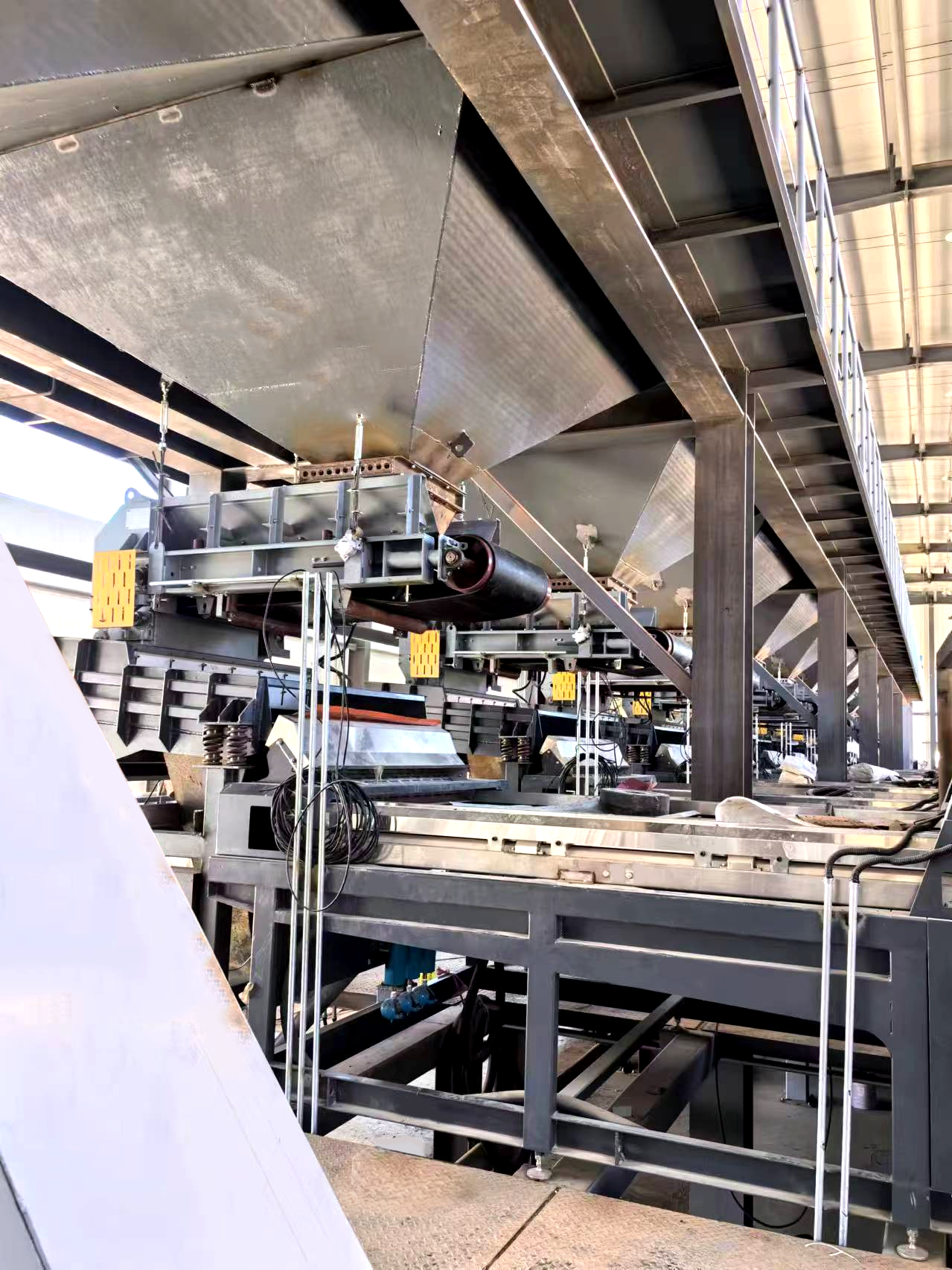
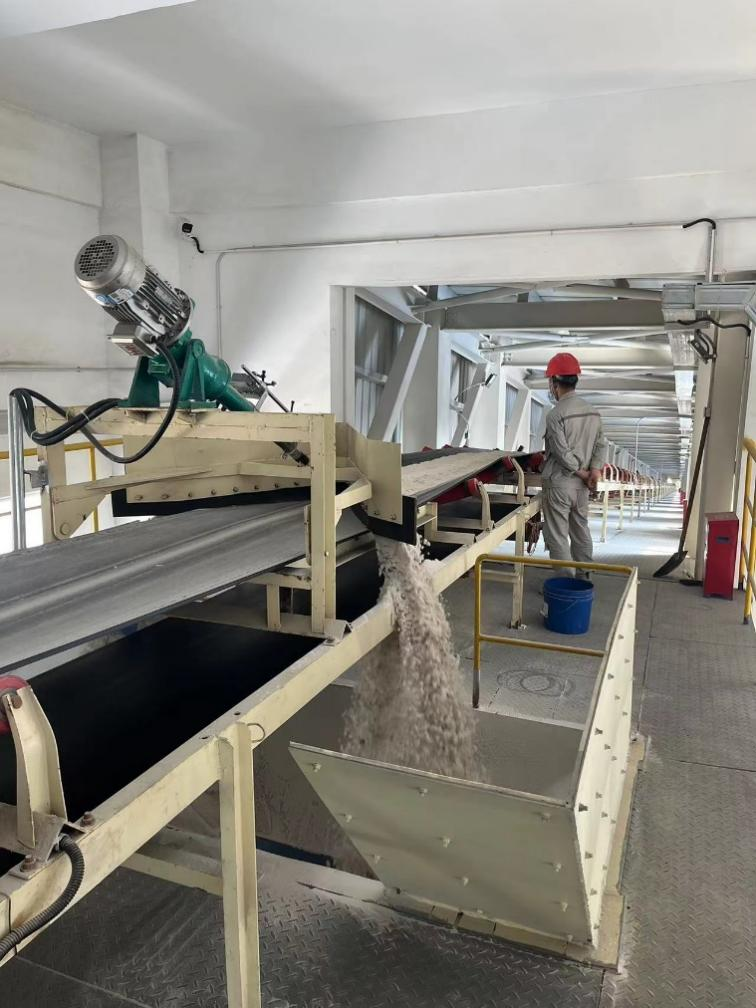
Running a profitable glass manufacturing operation requires more than just making quality products; it demands operational efficiency that keeps costs manageable while maintaining output levels. This manufacturing system delivers efficiency advantages that translate directly into competitive pricing and healthy profit margins. The continuous production model means the line operates around the clock, maximizing equipment utilization and spreading fixed costs across higher output volumes. Unlike batch processes that start and stop, this system maintains steady production flow, eliminating the energy waste and time loss associated with repeated heating and cooling cycles. Once the furnace reaches operating temperature, it stays there, fed continuously with raw materials that melt and flow without interruption. This continuity reduces fuel consumption per ton of glass produced compared to alternative manufacturing approaches. Modern furnace designs incorporate regenerative heating systems that preheat combustion air using waste heat from exhaust gases, recovering energy that would otherwise escape through the stack. Some systems achieve thermal efficiencies exceeding seventy percent, meaning most fuel energy goes into melting glass rather than heating the atmosphere. The automated material handling systems minimize labor requirements, as conveyors and dosing equipment deliver precisely measured raw materials without manual intervention. Your workforce focuses on monitoring and optimization rather than repetitive physical tasks, improving productivity and job satisfaction. The cutting section operates with computer-controlled precision, optimizing sheet dimensions to minimize offcuts and scrap. Sophisticated software calculates the best cutting patterns based on customer orders, ensuring maximum yield from every meter of ribbon. Reject rates stay low because quality control systems catch defects early, preventing defective glass from consuming resources through subsequent processing stages. Maintenance efficiency improves through predictive monitoring systems that track equipment performance and alert operators to developing problems before failures occur. This proactive approach reduces unplanned downtime that disrupts production schedules and disappoints customers. When maintenance does become necessary, modular designs allow technicians to access and replace components quickly, minimizing production interruptions. The consistent quality output reduces claims and returns that erode profitability and damage customer relationships. Energy costs per unit decrease as production volumes increase, creating economies of scale that make your operation more competitive. The ability to produce multiple thicknesses without line modifications means you can respond to market opportunities quickly, capturing sales that competitors with less flexible systems must decline. These operational efficiencies compound over years of production, delivering return on investment that justifies the initial capital expenditure and positions your business for long-term success in glass manufacturing markets.
Environmental Sustainability and Modern Manufacturing Standards

Environmental Sustainability and Modern Manufacturing Standards

Today's manufacturers face increasing pressure to reduce environmental impact while maintaining production efficiency and product quality. This glass manufacturing system addresses these concerns through design features and operational characteristics that minimize resource consumption and emissions. The closed-loop nature of the process means materials flow through the system efficiently with minimal waste generation. Raw materials enter at one end and finished glass exits at the other, with very little material lost along the way. Glass cullet from cutting operations and quality rejects returns to the furnace for remelting, creating a circular material flow that reduces raw material purchases and landfill waste. This recycling capability means virtually every kilogram of material eventually becomes saleable product. Energy efficiency features significantly reduce the carbon footprint of glass production. Heat recovery systems capture thermal energy from multiple points in the process and redirect it to preheat incoming materials or combustion air. Some advanced systems recover enough energy to reduce primary fuel consumption by thirty percent or more compared to older designs without heat recovery. This reduction translates directly into lower greenhouse gas emissions per ton of glass produced, helping your company meet environmental targets and regulatory requirements. Electric melting technology, available on some modern lines, eliminates combustion emissions entirely by using electrical resistance heating. While electricity costs vary by region, this approach eliminates stack emissions and can significantly reduce environmental impact when renewable electricity sources power the operation. Water consumption remains modest because the process does not require large quantities for cooling or processing, unlike some manufacturing methods that discharge contaminated water requiring treatment. Air quality benefits result from advanced combustion controls and emission treatment systems that capture particulates and chemical emissions before they reach the atmosphere. Nitrogen oxide emissions stay low through careful combustion management and selective catalytic reduction systems when required by regulations. Sulfur dioxide emissions remain minimal because modern raw material selection and melting practices reduce sulfur content in the glass batch. The long operational life of these systems, often exceeding twenty years, means the environmental cost of manufacturing and installing the equipment gets amortized over decades of production. Durable refractory materials and corrosion-resistant components reduce replacement frequency, minimizing the resource consumption associated with maintenance and repairs. The glass products themselves contribute to environmental sustainability in their applications. In buildings, high-quality flat glass enables energy-efficient windows that reduce heating and cooling costs. In solar panels, the glass substrates help generate clean renewable energy. Your customers increasingly value suppliers who demonstrate environmental responsibility, making this system's sustainability features a competitive advantage that strengthens your market position and supports long-term business growth in an increasingly environmentally conscious global economy.