glas smeltmachine
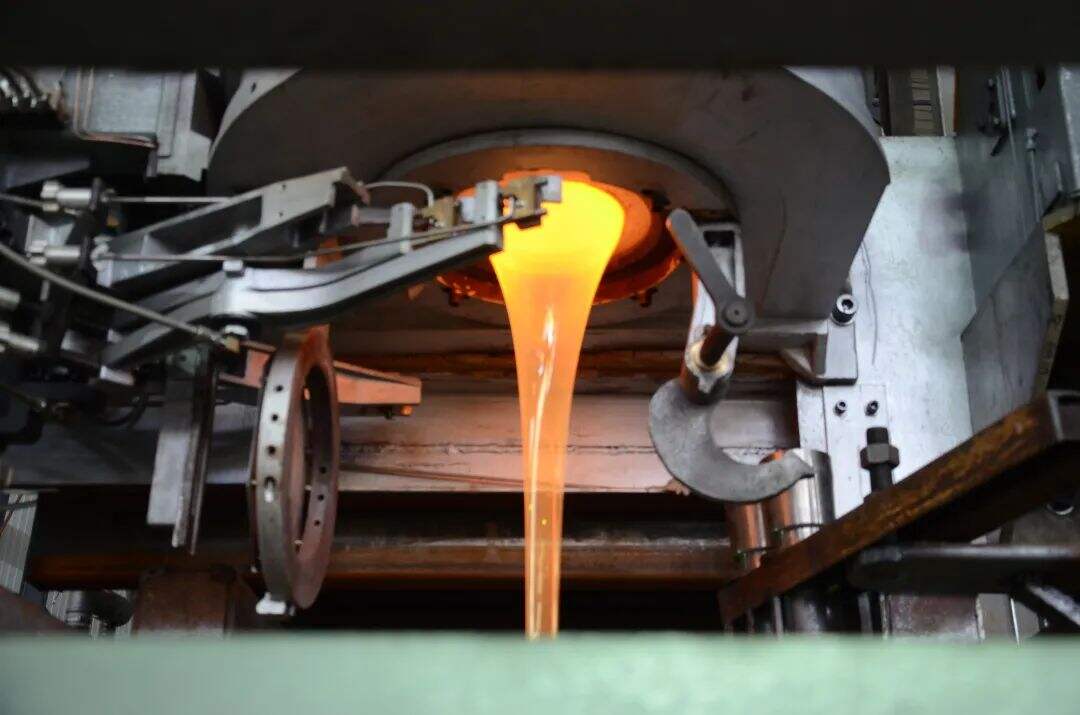
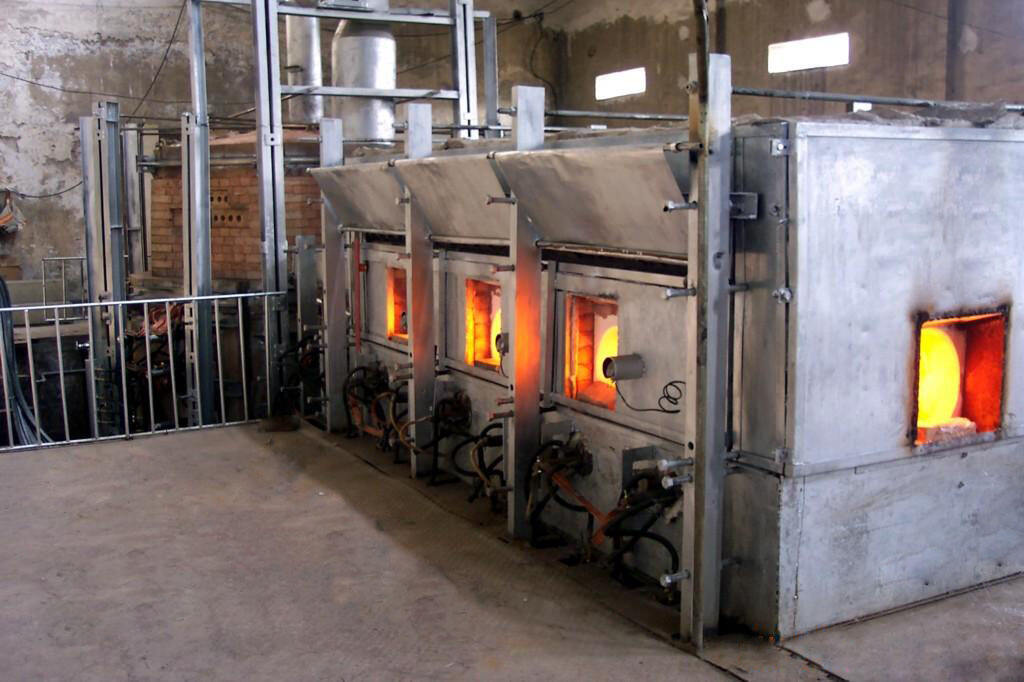
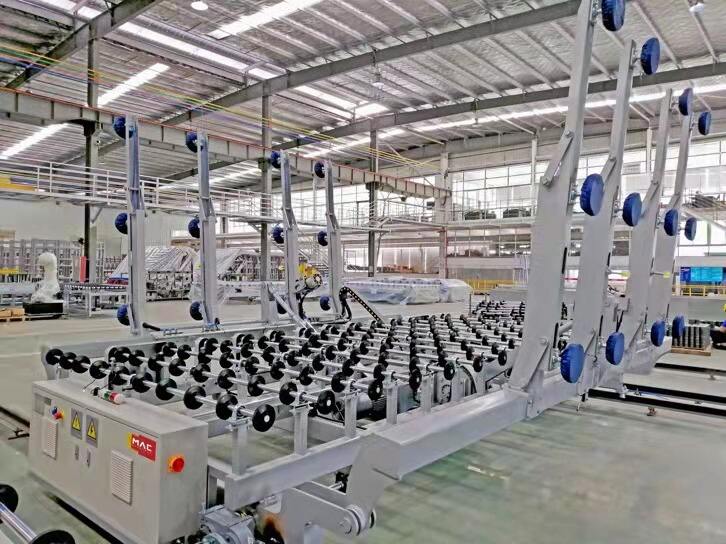
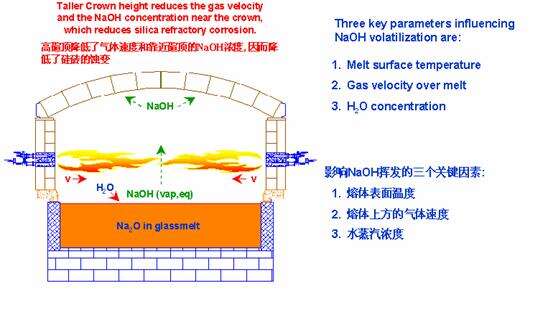
Een glas-smeltmachine is essentiële industriële apparatuur die is ontworpen om grondstoffen voor glas of gerecycled glasafval (cullet) te transformeren tot gesmolten glas, geschikt voor de productie van diverse glasproducten. Deze geavanceerde installatie werkt bij uiterst hoge temperaturen, meestal tussen de 1400 en 1600 graden Celsius, om een volledige smelting van kwartszand, soda-ash, kalksteen en andere toevoegingen te bereiken. Moderne glas-smeltmachines zijn uitgerust met geavanceerde verwarmingssystemen, temperatuurregelmechanismen en energiebeheertechnologieën om een consistente productkwaliteit te garanderen en tegelijkertijd operationele efficiëntie te behouden. De primaire functie van deze machines bestaat erin vast glasgrondmateriaal via nauwkeurig gecontroleerde thermische processen om te zetten in een homogene gesmolten toestand. Deze transformatie stelt fabrikanten in staat om alles te produceren, van verpakkingsglas en vlakglas tot speciaalglasproducten die worden gebruikt in de bouw-, automobiel-, elektronica- en decoratieve toepassingen. Het technologisch kader van moderne glas-smeltmachines omvat elektrische verwarmingselementen, gasgestookte branders of hybride systemen die meerdere energiebronnen combineren voor optimale prestaties. Geavanceerde bewakingssystemen volgen continu de temperatuurverdeling, de viscositeit van het smeltglas en de chemische samenstelling om uniformiteit van het eindproduct te waarborgen. Deze machines zijn uitgerust met ovengroeven met vuurvaste bekleding die bestand zijn tegen langdurige blootstelling aan extreme hitte en tegelijkertijd warmteverliezen minimaliseren. Geautomatiseerde doseersystemen zorgen voor een precieze toevoer van grondstoffen, terwijl roermachines een grondige menging bevorderen en belletjes of onzuiverheden elimineren die de kwaliteit van het eindproduct zouden kunnen aantasten. Toepassingen strekken zich uit over talloze sectoren, waaronder drankflessenproductie, architectonisch glas, productie van autoruiten, farmaceutische verpakkingen en artistiek glaswerk. Door de veelzijdigheid van glas-smeltmachines kunnen operators de procesparameters aanpassen aan specifieke productvereisten, waardoor verschillende soorten glas kunnen worden verwerkt, zoals natrium-kalk-glas, borosilicaatglas of loodkristal. Milieubewustzijn heeft geleid tot innovaties in emissiebeheerssystemen die uitlaatgassen opvangen en behandelen, wat de milieubelasting vermindert en tegelijkertijd voldoet aan strenge wettelijke normen voor industriële activiteiten.
 EN
EN
 AR
AR
 BG
BG
 HR
HR
 CS
CS
 DA
DA
 NL
NL
 FI
FI
 FR
FR
 DE
DE
 EL
EL
 HI
HI
 IT
IT
 JA
JA
 KO
KO
 PL
PL
 PT
PT
 RO
RO
 RU
RU
 ES
ES
 SV
SV
 TL
TL
 IW
IW
 LV
LV
 LT
LT
 SK
SK
 SL
SL
 UK
UK
 VI
VI
 ET
ET
 HU
HU
 MT
MT
 TH
TH
 TR
TR
 FA
FA
 MS
MS
 SW
SW
 GA
GA
 AZ
AZ