Professional Glass Melting Oven Solutions - High Efficiency Industrial Glass Melting Equipment for Quality Production

All Categories

Get a Free Quote

Our representative will contact you soon.
Email
Name
Company Name
Message
0/1000

glass melting oven

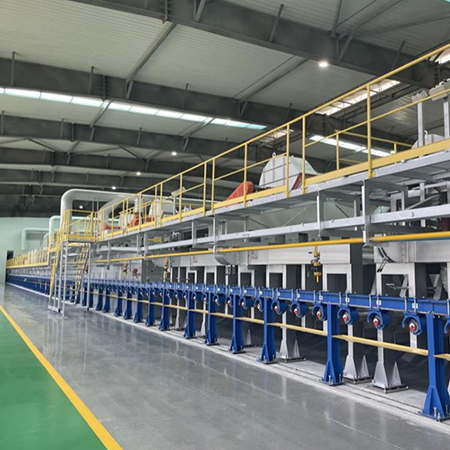
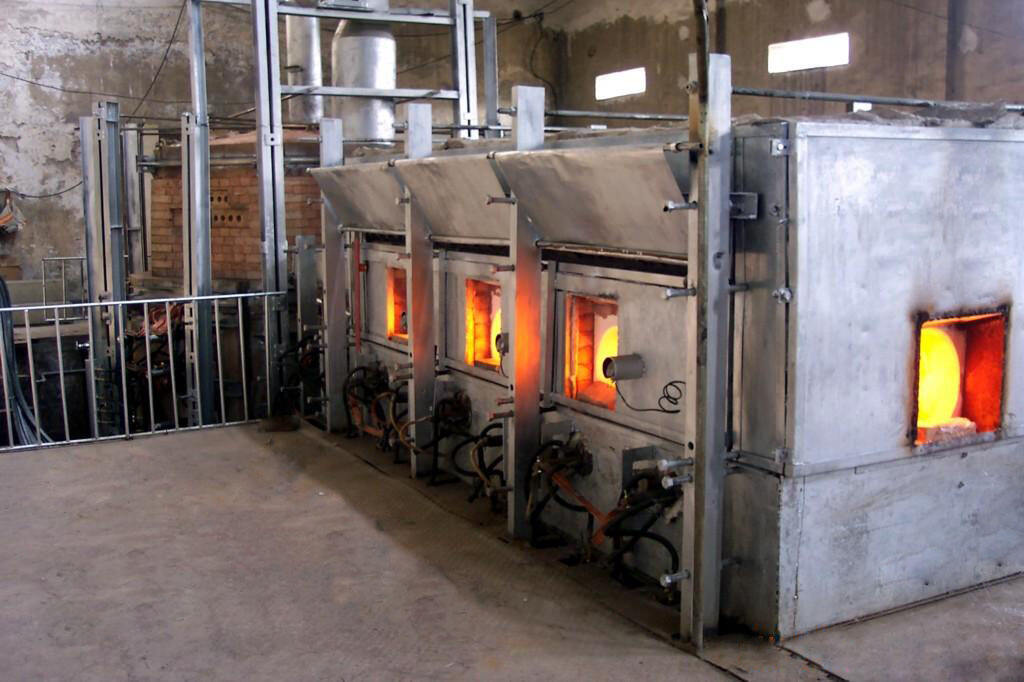
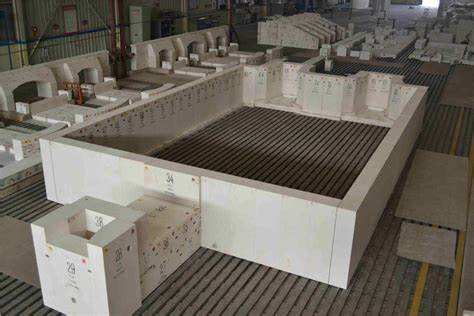
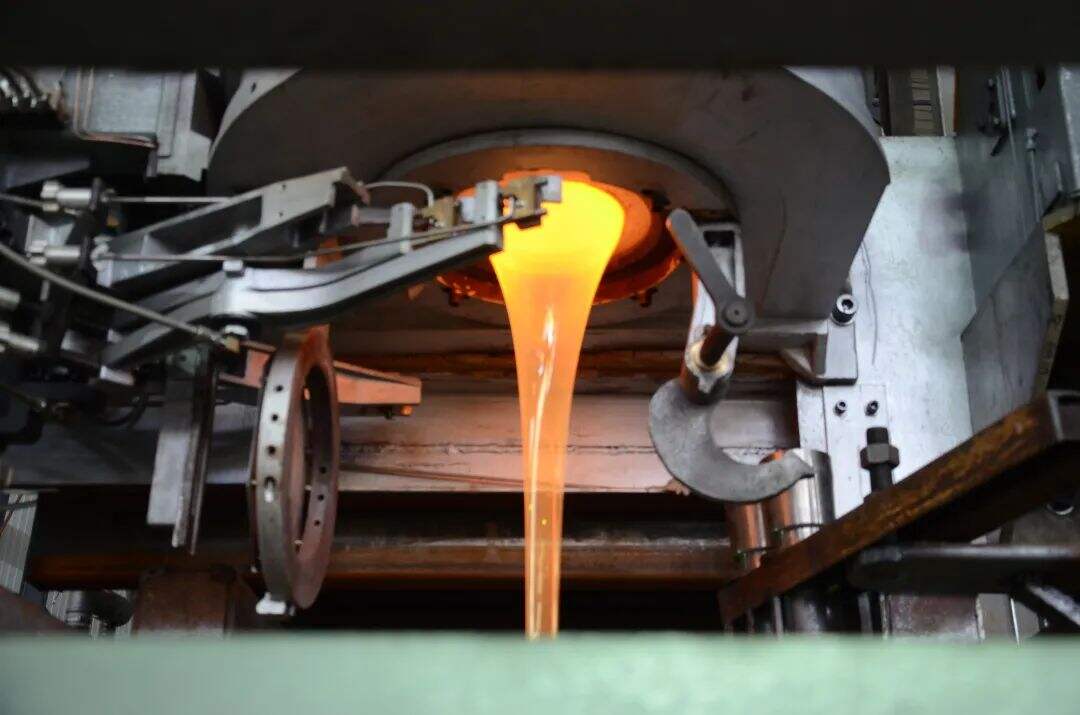
A glass melting oven represents a crucial piece of industrial equipment designed specifically for transforming raw materials into molten glass through controlled heating processes. This sophisticated machinery operates at extremely high temperatures, typically ranging from 1400 to 1600 degrees Celsius, to achieve the complete fusion of silica sand, soda ash, limestone, and other additives into a homogeneous liquid state. The glass melting oven serves as the foundation of glass manufacturing operations across multiple industries, enabling the production of everything from architectural windows and automotive components to decorative items and specialized laboratory equipment. Modern glass melting ovens incorporate advanced heating technologies, including electric resistance heating, gas-fired combustion systems, and increasingly popular oxy-fuel configurations that enhance energy efficiency while reducing environmental impact. The primary function of this equipment involves maintaining consistent temperature distribution throughout the melting chamber, ensuring that raw materials undergo complete vitrification without creating defects or inconsistencies in the final product. These ovens feature refractory-lined chambers constructed from materials capable of withstanding prolonged exposure to extreme heat while minimizing thermal losses. Temperature monitoring systems continuously track conditions within the melting chamber, allowing operators to make precise adjustments that optimize glass quality and production efficiency. Applications for glass melting ovens span numerous sectors, including container glass manufacturing for beverage and food packaging, flat glass production for construction and automotive uses, specialty glass creation for electronics and fiber optics, and artistic glass blowing for decorative purposes. The technological features of contemporary glass melting ovens include automated batch feeding mechanisms, computerized temperature control systems, emission reduction technologies, and heat recovery systems that capture waste thermal energy for preheating raw materials or generating electricity. These innovations transform the glass melting oven from a simple heating device into an integrated production system that maximizes output quality while minimizing operational costs and environmental footprint.

New Product Recommendations

Investing in a quality glass melting oven delivers substantial benefits that directly impact your bottom line and operational capabilities. First and foremost, these systems provide remarkable energy efficiency compared to older technologies, translating into significant cost savings on fuel or electricity bills month after month. Modern designs incorporate heat recovery mechanisms that capture thermal energy that would otherwise escape as waste, redirecting it to preheat incoming raw materials or warm air supplies. This intelligent energy management can reduce overall fuel consumption by up to thirty percent, creating immediate financial advantages while supporting environmental sustainability goals. The precision temperature control offered by contemporary glass melting ovens ensures consistent product quality batch after batch, eliminating the variations and defects that lead to costly waste and customer complaints. When your production process maintains stable conditions, you achieve higher yields of usable glass, reducing raw material expenses and maximizing the value extracted from every kilogram of silica and additives. Production flexibility represents another compelling advantage, as these ovens accommodate various glass types and compositions with minimal downtime during changeovers. Whether you need to produce clear float glass, colored container glass, or specialized borosilicate formulations, the same equipment adapts to different melting requirements through simple parameter adjustments. This versatility eliminates the need for multiple dedicated systems, conserving valuable floor space and capital investment. Operational reliability stands out as a critical benefit, with modern glass melting ovens engineered for continuous operation over extended campaigns lasting months or even years. Durable refractory materials and robust construction minimize unplanned shutdowns that disrupt production schedules and disappoint customers. Maintenance requirements remain manageable through accessible design features that allow technicians to perform inspections and repairs efficiently when scheduled maintenance windows arrive. Safety improvements in current models protect your workforce through enhanced insulation that keeps exterior surfaces cooler, automated systems that reduce manual intervention in high-temperature zones, and comprehensive monitoring that detects potential problems before they become dangerous situations. Environmental compliance becomes easier with integrated emission control systems that capture particulates and reduce greenhouse gas releases, helping you meet regulatory requirements without expensive add-on equipment. The automated operation capabilities minimize labor requirements, allowing smaller crews to manage larger production volumes while reducing the likelihood of human errors that compromise quality or safety. These ovens also offer scalability, with models available in various capacities from small artisanal units processing tens of kilograms daily to massive industrial furnaces handling hundreds of tons per day, ensuring you find equipment matching your specific production needs without paying for unnecessary capacity.

Tips And Tricks

What Factors Should You Consider When Choosing Automotive Glass Processing Methods?

28

Oct

What Factors Should You Consider When Choosing Automotive Glass Processing Methods?

The Complete Guide to Modern Automotive Glass Manufacturing The automotive glass processing industry has undergone significant transformation in recent years, driven by technological advancements and evolving vehicle design requirements. As manufactu...
View More
How Do Glass Drilling Machines Handle Different Glass Thicknesses Safely?

28

Oct

How Do Glass Drilling Machines Handle Different Glass Thicknesses Safely?

Understanding Modern Glass Drilling Technology and Safety Mechanisms The world of glass fabrication has evolved significantly with the introduction of advanced glass drilling machines that can handle various glass thicknesses with remarkable precisio...
View More
Why Are Smart Glass Cutting Lines Becoming the Standard in Factories?

28

Oct

Why Are Smart Glass Cutting Lines Becoming the Standard in Factories?

The Revolution of Automated Glass Processing in Modern Manufacturing The manufacturing landscape is undergoing a dramatic transformation as smart glass cutting lines increasingly become the backbone of modern glass processing facilities. These sophis...
View More
How to Optimize Production Settings in a Hub Glass Furnace?

24

Nov

How to Optimize Production Settings in a Hub Glass Furnace?

Glass manufacturing represents one of the most energy-intensive industrial processes, requiring precise control of temperature, atmosphere, and raw material flow to achieve optimal production efficiency. Modern hub glass furnace systems have evolved ...
View More

Get a Free Quote

Our representative will contact you soon.
Email
Name
Company Name
Message
0/1000

glass melting oven

Advanced Temperature Control Technology for Superior Glass Quality

Advanced Temperature Control Technology for Superior Glass Quality

The sophisticated temperature control technology integrated into modern glass melting ovens represents a transformative advancement that fundamentally improves production outcomes. This feature employs multiple thermocouples strategically positioned throughout the melting chamber, continuously monitoring conditions at various depths and locations within the molten glass bath. These sensors feed real-time data to computerized control systems that process temperature information thousands of times per second, making micro-adjustments to heating elements or fuel flows to maintain optimal conditions. This level of precision prevents the hot spots and cold zones that plague older equipment, ensuring uniform heat distribution that promotes complete melting without creating seeds, stones, or other defects in the finished glass. The control systems incorporate predictive algorithms that anticipate temperature changes based on factors like raw material feed rates, ambient conditions, and production demands, making proactive adjustments before problems develop rather than simply reacting to conditions after they occur. This intelligent approach maintains the narrow temperature windows required for specific glass formulations, particularly important when producing specialty compositions with strict quality requirements. For manufacturers producing colored glass, maintaining precise temperatures ensures consistent color development batch after batch, eliminating the shade variations that frustrate customers and damage brand reputation. The technology also enables operators to program complex heating profiles that optimize different production phases, applying higher temperatures during initial melting stages to accelerate raw material fusion, then reducing heat levels during refining periods to allow bubbles and impurities to escape without wasting energy. Remote monitoring capabilities allow management and technical staff to observe oven performance from anywhere with internet connectivity, receiving alerts about abnormal conditions and reviewing historical data to identify optimization opportunities. This accessibility improves decision-making and enables faster responses to emerging issues. Documentation features automatically record temperature data and operational parameters, creating detailed records that support quality certifications and help troubleshoot problems by revealing exactly what conditions existed when specific batches were produced. Energy consumption optimization flows naturally from precise temperature control, as the system applies exactly the heat required for proper melting without excessive temperatures that waste fuel while accelerating refractory wear. Over months and years of operation, this efficiency accumulates into substantial cost savings that improve competitive positioning and profitability.
Exceptional Energy Efficiency Through Integrated Heat Recovery Systems

Exceptional Energy Efficiency Through Integrated Heat Recovery Systems

Energy efficiency stands as a paramount concern for glass manufacturers facing rising fuel costs and increasing pressure to reduce carbon footprints, making the integrated heat recovery systems found in advanced glass melting ovens an invaluable feature. These systems capture thermal energy from multiple sources that traditional equipment simply releases into the atmosphere as waste heat. Exhaust gases exiting the melting chamber typically carry tremendous thermal energy, often exceeding 1000 degrees Celsius, representing a significant portion of total energy input. Heat recovery technology intercepts these hot gases before they reach the stack, routing them through heat exchangers that transfer their energy to incoming combustion air or raw material batches. Preheating combustion air delivers multiple benefits, increasing flame temperatures for more efficient melting while reducing the fuel required to maintain operating conditions. Some advanced configurations achieve air preheat temperatures exceeding 600 degrees, cutting fuel consumption by twenty to thirty-five percent compared to cold air combustion. The economic impact of this efficiency compounds over time, with larger operations saving hundreds of thousands in annual energy costs. Environmental advantages parallel the financial benefits, as reduced fuel consumption directly translates to lower carbon dioxide emissions and smaller environmental footprints. For companies pursuing sustainability certifications or responding to customer demands for environmentally responsible suppliers, these emission reductions provide tangible evidence of commitment to ecological stewardship. Raw material preheating represents another recovery application, using waste heat to warm and dry incoming batches before they enter the melting chamber. This preprocessing accelerates melting by eliminating moisture that would otherwise require additional energy to evaporate, while also reducing thermal shock to refractories that occurs when cold materials contact extremely hot surfaces. Some systems incorporate electric generation components that convert high-grade waste heat into electricity through organic Rankine cycle turbines or thermoelectric generators, creating additional value streams from energy that would otherwise dissipate unused. The cumulative efficiency improvements from these various recovery mechanisms substantially reduce the specific energy consumption per ton of glass produced, enhancing competitiveness in price-sensitive markets. Installation costs for heat recovery systems generate attractive returns on investment, typically paying for themselves within two to four years through energy savings alone, after which they continue delivering financial benefits throughout the remaining equipment lifespan. Maintenance requirements remain modest, with heat exchangers requiring periodic cleaning to maintain effectiveness but no complex or expensive service procedures.
Versatile Multi-Fuel Capability and Flexible Production Options

Versatile Multi-Fuel Capability and Flexible Production Options

The multi-fuel capability and production flexibility incorporated into contemporary glass melting ovens provide manufacturers with strategic advantages that enhance operational resilience and market responsiveness. This versatility begins with fuel options, as many modern systems accommodate natural gas, propane, fuel oil, or electricity, allowing operators to select energy sources based on availability, cost, and environmental considerations. Some advanced models even support rapid fuel switching, enabling real-time transitions between energy sources to capitalize on favorable pricing or maintain operations during supply disruptions. This fuel flexibility protects against market volatility and supply chain vulnerabilities that could otherwise force production shutdowns or impose unfavorable energy costs. Geographic considerations also benefit from multi-fuel capability, as manufacturers can install the same proven equipment design regardless of local energy infrastructure limitations, simply configuring the system for whatever fuel sources offer the best combination of reliability and economy in their specific location. Production flexibility extends beyond fuel options to encompass the range of glass types and formulations that a single glass melting oven can process. Recipe management systems store parameters for dozens or even hundreds of different glass compositions, allowing operators to switch between formulations through simple software commands rather than extensive mechanical modifications. This capability proves particularly valuable for manufacturers serving diverse markets or producing seasonal products, eliminating the need for dedicated equipment for each glass type. Changeover times between different formulations can be measured in hours rather than days, minimizing production losses during transitions and enabling responsive scheduling that accommodates rush orders or changing customer demands. Batch size flexibility allows economic production of small specialty runs alongside large-volume standard products, supporting business models that combine stable base demand with higher-margin custom work. Temperature range capabilities in versatile glass melting ovens span from moderate levels suitable for low-melting specialty compositions to extreme temperatures required for refractory glasses and technical ceramics, broadening the potential product portfolio. Output rate adjustability lets manufacturers scale production up or down in response to demand fluctuations without compromising efficiency or quality, avoiding the waste associated with operating oversized equipment at reduced capacity. Color changes benefit from design features like compartmentalized melting zones that isolate different glass streams, preventing cross-contamination that would otherwise require extensive purging and waste generation. This compartmentalization enables simultaneous production of multiple colors or compositions, maximizing equipment utilization and throughput. Integration capabilities with upstream batching systems and downstream forming equipment create seamless production lines that optimize material flow and minimize handling costs.