Double Edger Machine: Precision Glass Edge Processing Solutions for Maximum Productivity

All Categories

Get a Free Quote

Our representative will contact you soon.
Email
Name
Company Name
Message
0/1000

double edger machine

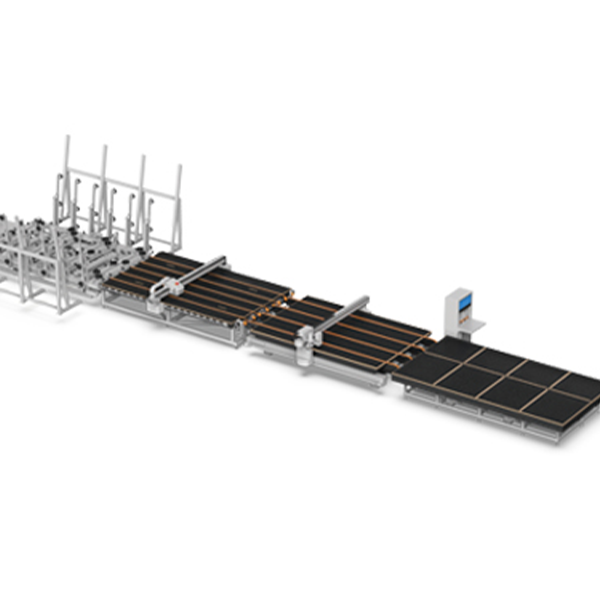
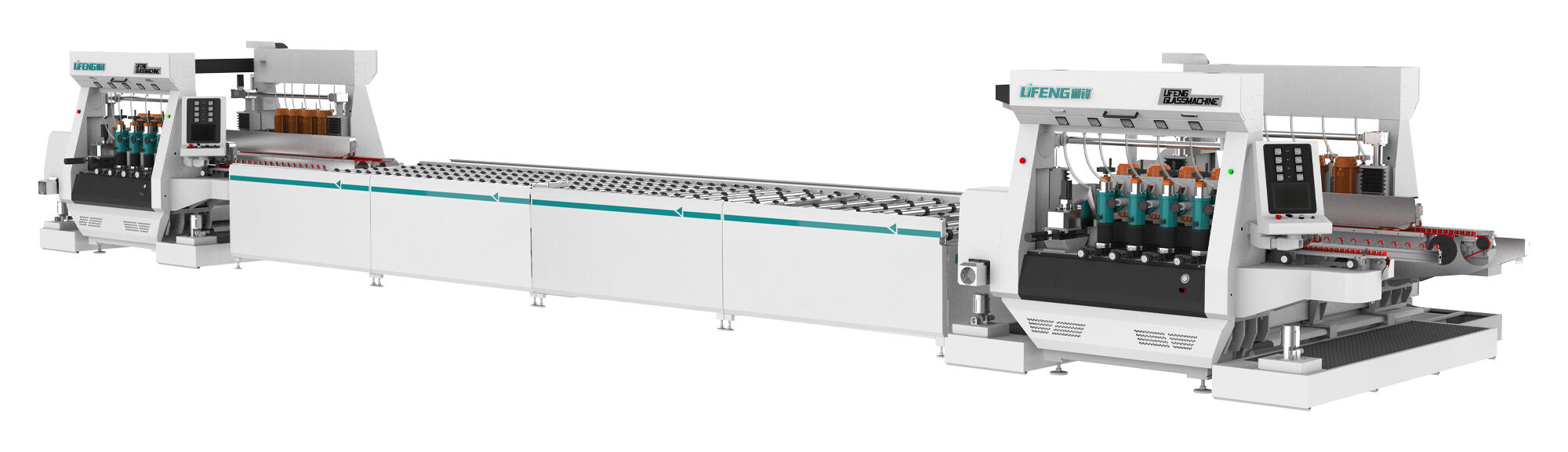
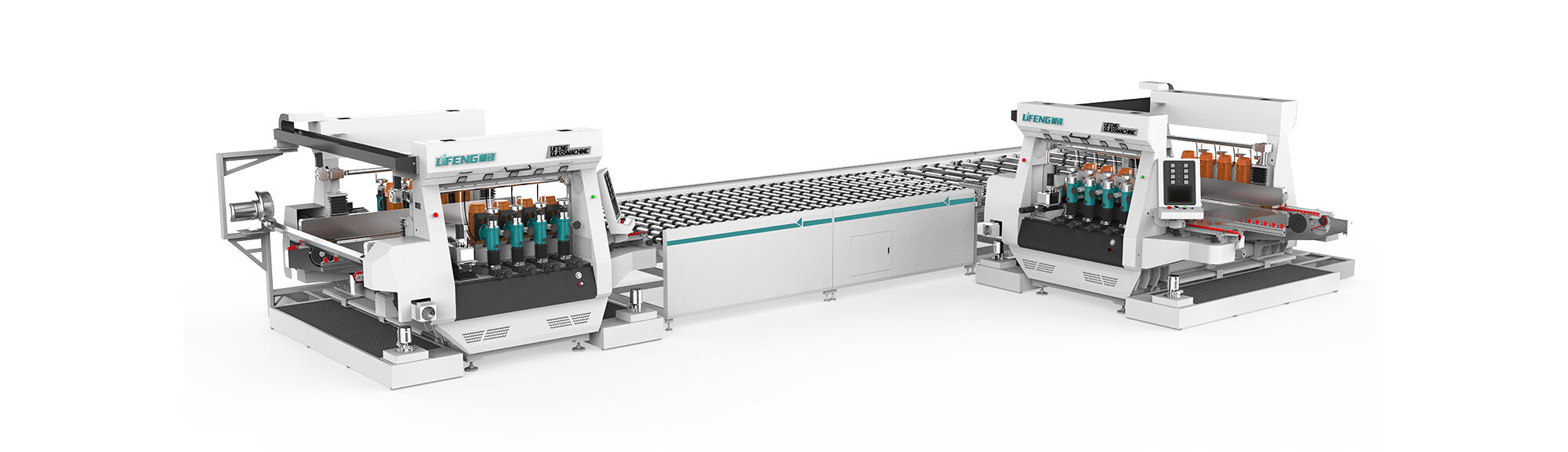
The double edger machine represents a cutting-edge solution in glass processing technology, specifically engineered to perform simultaneous bilateral edge grinding and polishing operations on flat glass panels. This sophisticated equipment serves as an essential component in modern glass fabrication facilities, delivering precision finishing for architectural glass, automotive glazing, furniture components, and decorative applications. The fundamental operation of a double edger machine involves feeding glass sheets through a series of strategically positioned grinding wheels that work on both edges concurrently, ensuring uniform quality and dimensional accuracy across the entire processed surface. The technological architecture incorporates multiple spindles equipped with diamond grinding wheels of varying grits, progressing from coarse to fine polishing stages to achieve superior edge quality. Advanced double edger machine systems integrate computerized controls that allow operators to program specific edge profiles, including flat edges, beveled configurations, pencil rounds, and customized shapes according to project requirements. The conveyor system utilizes precision-engineered rollers and guides that maintain consistent glass positioning throughout the processing cycle, preventing deviation and ensuring repeatable results. Water recirculation systems provide continuous coolant flow to the grinding zones, managing heat generation while flushing away glass particles to maintain optimal cutting conditions and extend tool life. Modern double edger machine installations feature variable frequency drives that enable speed adjustments matching different glass thicknesses and compositions, from standard annealed glass to tempered, laminated, and low-emissivity coated products. The machine accommodates a broad range of glass dimensions, typically processing panels from three millimeters to twenty-five millimeters in thickness, with width capacities reaching up to three meters in industrial models. Safety systems include emergency stop mechanisms, protective enclosures, and interlocked access panels that comply with international manufacturing standards. The double edger machine has become indispensable for glass processors seeking to maximize production efficiency while maintaining exceptional quality standards in increasingly competitive markets.

New Product Recommendations

Investing in a double edger machine delivers substantial operational benefits that directly impact your production capabilities and bottom-line profitability. The primary advantage lies in the dramatic increase in processing speed compared to traditional single-edge grinding methods, as the equipment simultaneously works on both glass edges, effectively cutting processing time in half and doubling throughput capacity without requiring additional floor space or labor resources. This efficiency gain translates to faster order fulfillment, reduced lead times, and enhanced customer satisfaction, giving your business a competitive edge in time-sensitive markets. The consistency achieved by automated processing eliminates the variability inherent in manual operations, ensuring that every glass piece meets exact specifications with minimal rejection rates, which reduces material waste and protects profit margins. Labor cost savings represent another significant advantage, as a single operator can supervise the double edger machine while it processes multiple panels, freeing skilled workers for other value-added tasks and reducing dependency on specialized grinding technicians who command premium wages. Energy efficiency built into modern designs minimizes electricity consumption per processed unit, contributing to lower operating costs and supporting sustainability initiatives that increasingly matter to environmentally conscious clients. The versatility of programmable edge profiles means you can expand your product offerings without investing in separate specialized equipment, enabling you to pursue diverse market segments from commercial construction projects requiring simple safety edges to high-end residential applications demanding decorative beveled finishes. Maintenance requirements remain manageable through accessible component design and readily available replacement parts, minimizing downtime and ensuring continuous production capability during peak demand periods. The precision achievable with computerized controls reduces secondary finishing operations, eliminating additional handling that increases breakage risk and labor expenses. Quality improvement enhances your reputation in the marketplace, leading to repeat business and referrals that drive organic growth. The compact footprint of contemporary double edger machine models optimizes facility utilization, allowing you to maintain or increase production capacity without costly building expansions. Return on investment typically materializes within eighteen to thirty-six months through combined savings in labor, reduced waste, increased throughput, and premium pricing commanded by superior product quality. The scalability of the technology means your investment remains relevant as your business grows, with the capability to integrate additional automation components such as loading systems, sorting equipment, and quality inspection devices that further enhance operational efficiency and competitive positioning in evolving market conditions.

Latest News

What Are the Future Trends in Intelligent Glass Sorting Systems?

24

Sep

What Are the Future Trends in Intelligent Glass Sorting Systems?

The Evolution of Advanced Glass Sorting Technology The landscape of glass recycling and processing is undergoing a remarkable transformation through intelligent glass sorting systems. These sophisticated technologies are revolutionizing how we handle...
View More
Why Are Glass Drilling Machines Vital in Automotive and Construction Industries?

28

Oct

Why Are Glass Drilling Machines Vital in Automotive and Construction Industries?

The Evolution of Glass Processing Technology in Modern Industries The landscape of industrial manufacturing has been transformed by the advent of sophisticated glass drilling machines, revolutionizing how we process and manipulate glass materials. Th...
View More
How to Troubleshoot Common Issues in Double Edgers?

24

Nov

How to Troubleshoot Common Issues in Double Edgers?

Double edgers are essential machinery in glass processing facilities, responsible for delivering precise edge grinding and polishing operations. These sophisticated machines can encounter various operational challenges that impact productivity and pr...
View More
How to Optimize Production Settings in a Hub Glass Furnace?

24

Nov

How to Optimize Production Settings in a Hub Glass Furnace?

Glass manufacturing represents one of the most energy-intensive industrial processes, requiring precise control of temperature, atmosphere, and raw material flow to achieve optimal production efficiency. Modern hub glass furnace systems have evolved ...
View More

Get a Free Quote

Our representative will contact you soon.
Email
Name
Company Name
Message
0/1000

double edger machine

Simultaneous Bilateral Processing for Maximum Productivity

Simultaneous Bilateral Processing for Maximum Productivity

The defining characteristic that sets the double edger machine apart from conventional glass processing equipment is its ability to grind and polish both edges of a glass panel simultaneously during a single pass through the machine. This bilateral processing capability fundamentally transforms production economics by delivering finished products in half the time required by traditional single-edge equipment. The engineering behind this advantage involves precisely synchronized grinding spindles positioned on opposite sides of the conveyor path, each equipped with multiple grinding wheels that progress through successive stages of material removal and polishing. The synchronized operation ensures balanced force application across the glass panel, preventing stress concentration that could lead to breakage or dimensional distortion. For glass fabrication businesses, this translates to immediate capacity doubling without proportional increases in floor space, utility consumption, or labor allocation. Consider a facility processing architectural glass for commercial construction projects, where the double edger machine can complete two hundred panels per shift compared to one hundred panels achievable with single-edge equipment, enabling the business to accept larger contracts and accelerate project completion timelines. The productivity advantage compounds when processing small to medium-sized glass pieces, as setup time remains constant while per-unit processing time decreases dramatically. Beyond raw throughput numbers, the simultaneous processing ensures perfect symmetry between opposing edges, which proves critical for applications requiring precise dimensional tolerances such as glass doors, shower enclosures, and furniture components where asymmetric edges create installation problems and aesthetic inconsistencies. The technology accommodates continuous production runs with minimal operator intervention, as material feeds automatically from input conveyors through the processing zone to output stations, allowing supervisory personnel to focus on quality verification rather than manual handling. This automation reduces repetitive strain injuries associated with manual glass handling while improving workplace safety by minimizing direct worker contact with sharp edges. The double edger machine achieves these productivity gains while maintaining consistent quality standards across all processed pieces, eliminating the variation that occurs when different operators manually grind edges or when operator fatigue affects precision during extended production runs. The financial implications extend beyond direct labor savings to include reduced per-unit production costs that enhance competitive pricing capabilities, increased revenue potential through higher daily output, and improved asset utilization that maximizes return on capital investment in manufacturing equipment.
Precision Computer Controls for Consistent Quality and Versatility

Precision Computer Controls for Consistent Quality and Versatility

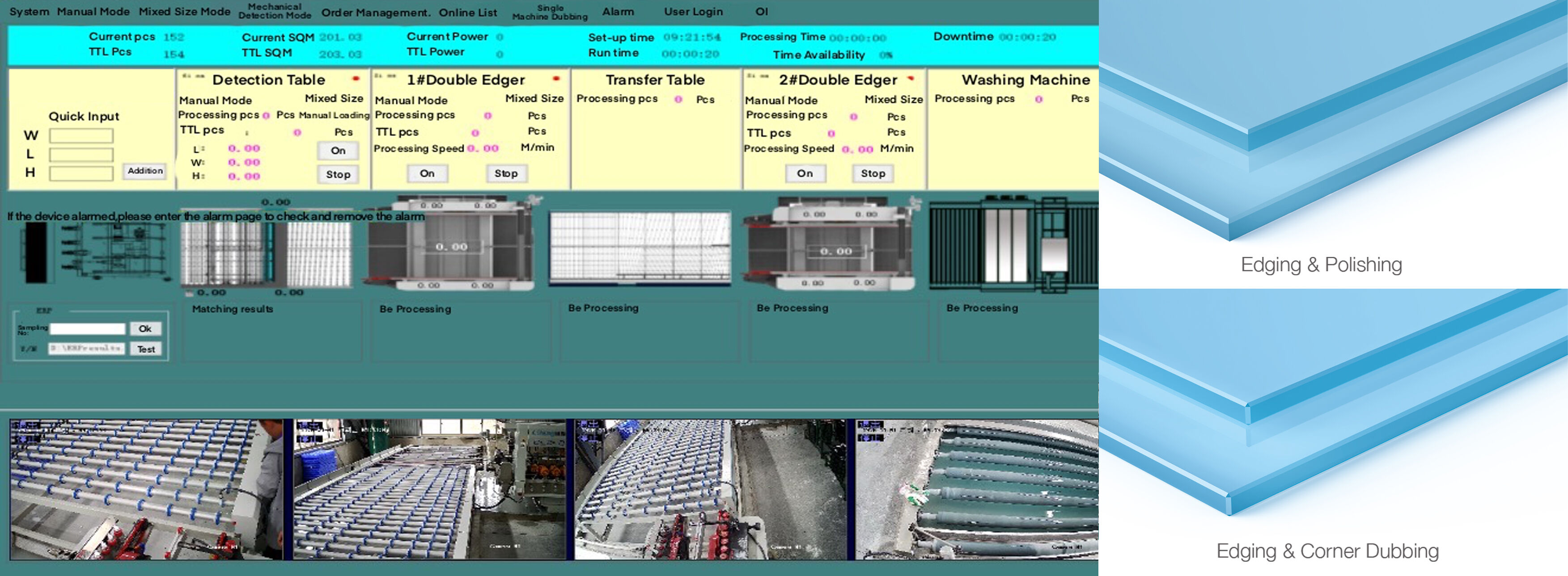
Contemporary double edger machine systems incorporate sophisticated computerized control platforms that revolutionize glass edge processing through programmable precision and operational flexibility. These digital control systems allow operators to input specific parameters including edge profile type, grinding depth, spindle speed, conveyor velocity, and coolant flow rates, with the machine automatically adjusting all mechanical components to execute the programmed specifications with micron-level accuracy. The touchscreen interface simplifies operation by presenting intuitive menu options and visual representations of edge profiles, enabling even less experienced personnel to produce professional results after minimal training. Recipe storage functionality permits saving hundreds of different processing configurations, allowing instant switching between production runs for different glass types, thicknesses, or edge profiles without time-consuming manual adjustments that interrupt workflow and reduce efficiency. This versatility proves invaluable for job shops serving diverse customer bases with varying specifications, as the same double edger machine can process simple safety edges for standard windows during morning shifts, switch to decorative beveled edges for architectural features during afternoon production, and handle complex custom profiles for specialty applications during evening operations. The precision delivered by computer controls ensures that dimensional tolerances remain within specified ranges across entire production batches, which proves essential for projects requiring multiple identical pieces such as glass balustrades, curtain wall systems, or furniture series where component interchangeability determines installation success. Quality consistency reduces costly callbacks for replacement pieces and strengthens customer confidence in your manufacturing capabilities. The control systems integrate diagnostic capabilities that monitor equipment performance, detecting worn grinding wheels, coolant system issues, or mechanical misalignments before they compromise product quality or cause equipment damage requiring expensive repairs. Predictive maintenance alerts based on operating hours and processing volumes help maintenance teams schedule component replacements during planned downtime rather than responding to unexpected failures during critical production periods. The data logging features track production metrics including pieces processed, processing times, and rejection rates, providing management with actionable intelligence for continuous improvement initiatives and accurate job costing. Advanced double edger machine models offer connectivity options that integrate with facility-wide manufacturing execution systems, enabling real-time production monitoring, automated material tracking, and seamless coordination with upstream cutting operations and downstream tempering or laminating processes. This integration capability supports lean manufacturing principles by optimizing material flow, reducing work-in-process inventory, and minimizing handling between processing stages. The programmable controls also enhance workplace safety by incorporating automatic shutdown sequences when sensors detect abnormal conditions such as glass breakage within the machine, coolant leaks, or access panel opening during operation, protecting both equipment and personnel from hazardous situations.
Robust Construction and Reliable Performance for Long-Term Value

Robust Construction and Reliable Performance for Long-Term Value

The structural foundation and mechanical components of a double edger machine reflect engineering priorities centered on durability, stability, and sustained performance under demanding industrial operating conditions. Manufacturers construct the machine base from heavy-gauge steel or cast iron materials that provide the mass and rigidity necessary to absorb vibrations generated during high-speed grinding operations, preventing resonance that would compromise edge quality and accelerate component wear. The substantial frame construction also ensures dimensional stability over years of continuous operation, maintaining precise alignment between grinding spindles, conveyor systems, and guide mechanisms that directly influence product quality. This robust architecture translates to extended service life that protects your capital investment while minimizing replacement costs over the equipment's operational lifespan. The grinding spindles utilize precision bearings rated for millions of rotational cycles, ensuring smooth operation and consistent performance throughout their service intervals. High-quality diamond grinding wheels bonded to metal cores provide reliable material removal characteristics and predictable wear patterns, enabling accurate estimation of tool life and systematic replacement scheduling that prevents quality degradation. The conveyor system employs hardened steel rollers with protective coatings that resist scratching and corrosion from constant water exposure, maintaining smooth glass transport without surface marking that would create quality defects. Variable frequency drives controlling motor operations incorporate overload protection and thermal management systems that extend electrical component longevity while providing consistent torque across the full operating speed range. The water recirculation system features durable pumps, corrosion-resistant plumbing, and effective filtration that removes glass particles before they damage pump seals or clog spray nozzles, ensuring reliable coolant delivery that manages grinding heat and prevents thermal stress in processed glass. Protective enclosures shield critical mechanical and electrical components from water spray and glass debris, preventing premature deterioration that would compromise reliability. Accessibility features including hinged panels, quick-release fasteners, and clearly marked service points simplify routine maintenance procedures, reducing the time and skill level required for tasks such as grinding wheel replacement, belt adjustment, and lubrication, which lowers maintenance costs and minimizes production interruptions. The standardized component design employed by reputable manufacturers ensures that replacement parts remain available throughout the equipment lifecycle, preventing obsolescence concerns that could strand your investment. Comprehensive warranty coverage and responsive technical support from established suppliers provide additional security, offering expert assistance for troubleshooting operational issues, optimizing processing parameters, and maintaining peak performance. The reliability engineered into quality double edger machine construction delivers measurable business benefits through high equipment uptime that enables consistent order fulfillment, predictable maintenance costs that support accurate financial planning, and extended replacement cycles that maximize return on capital investment while supporting long-term strategic growth initiatives for your glass processing operation.