Double Edging Machine - Professional Glass Edge Finishing Equipment for Precision Manufacturing

All Categories

Get a Free Quote

Our representative will contact you soon.
Email
Name
Company Name
Message
0/1000

double edging machine

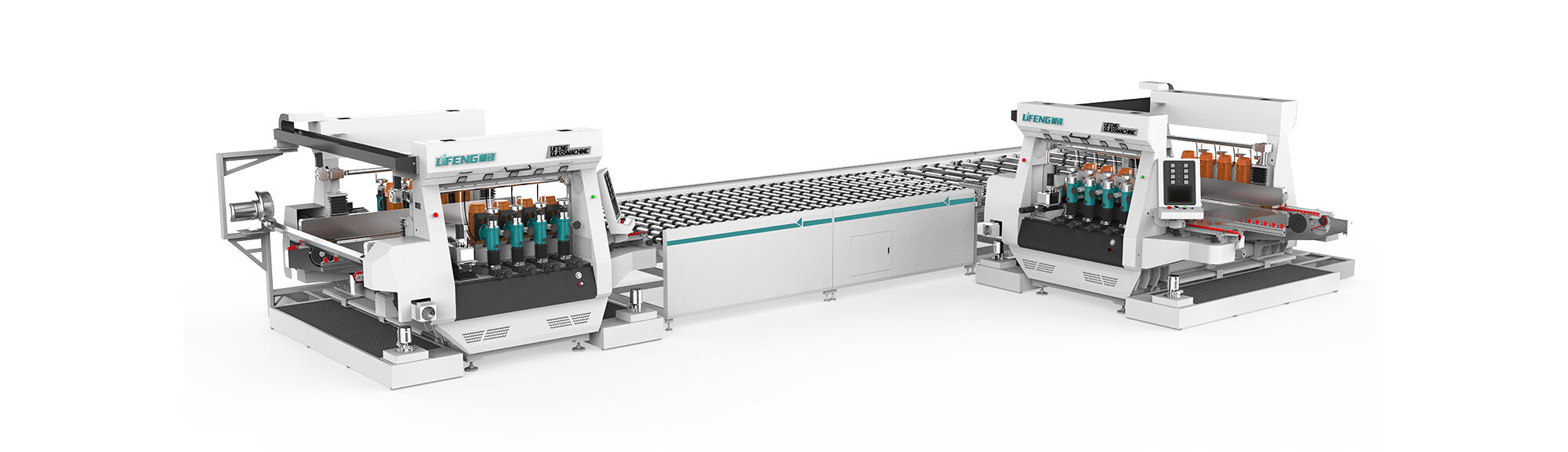
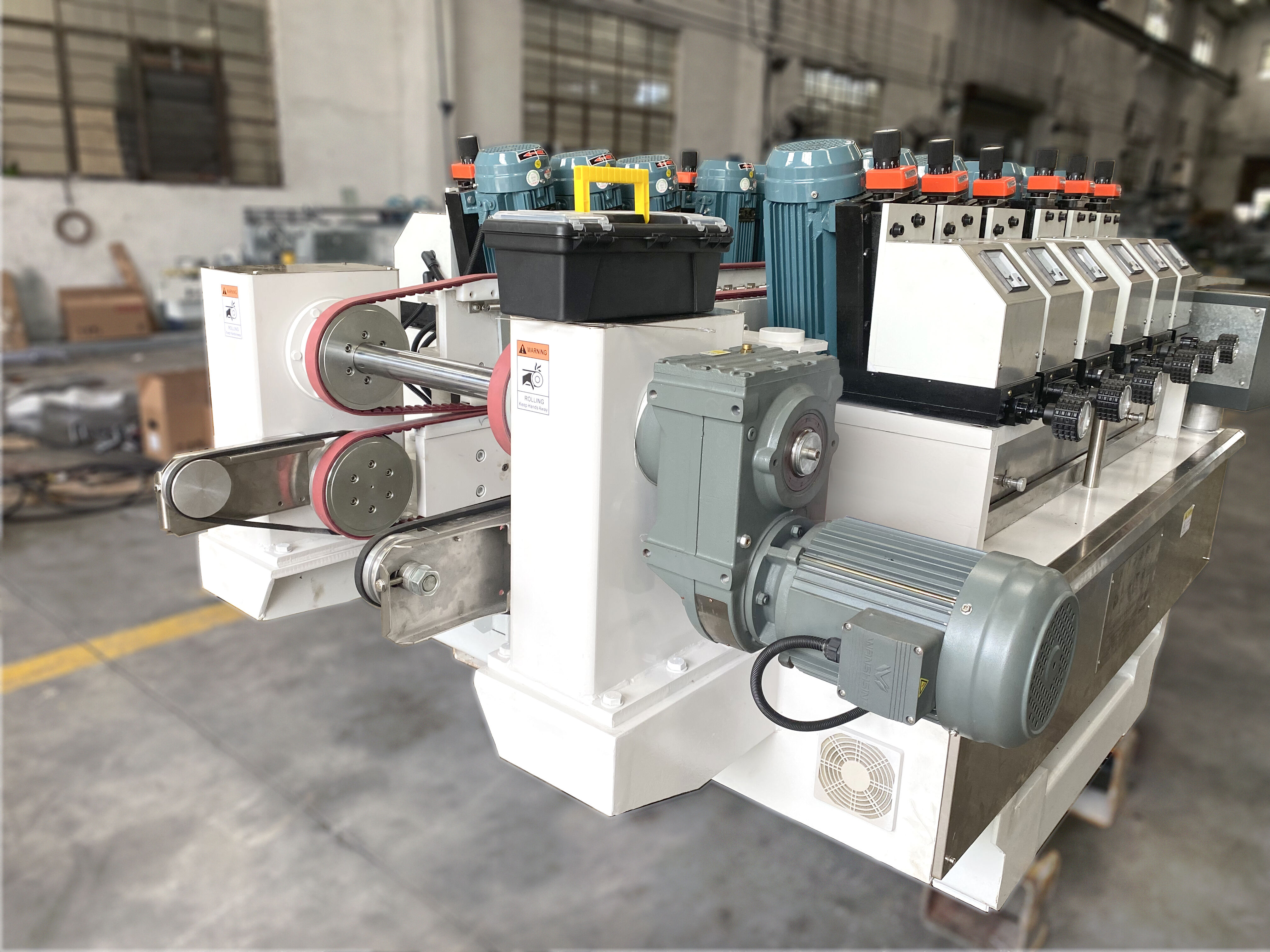
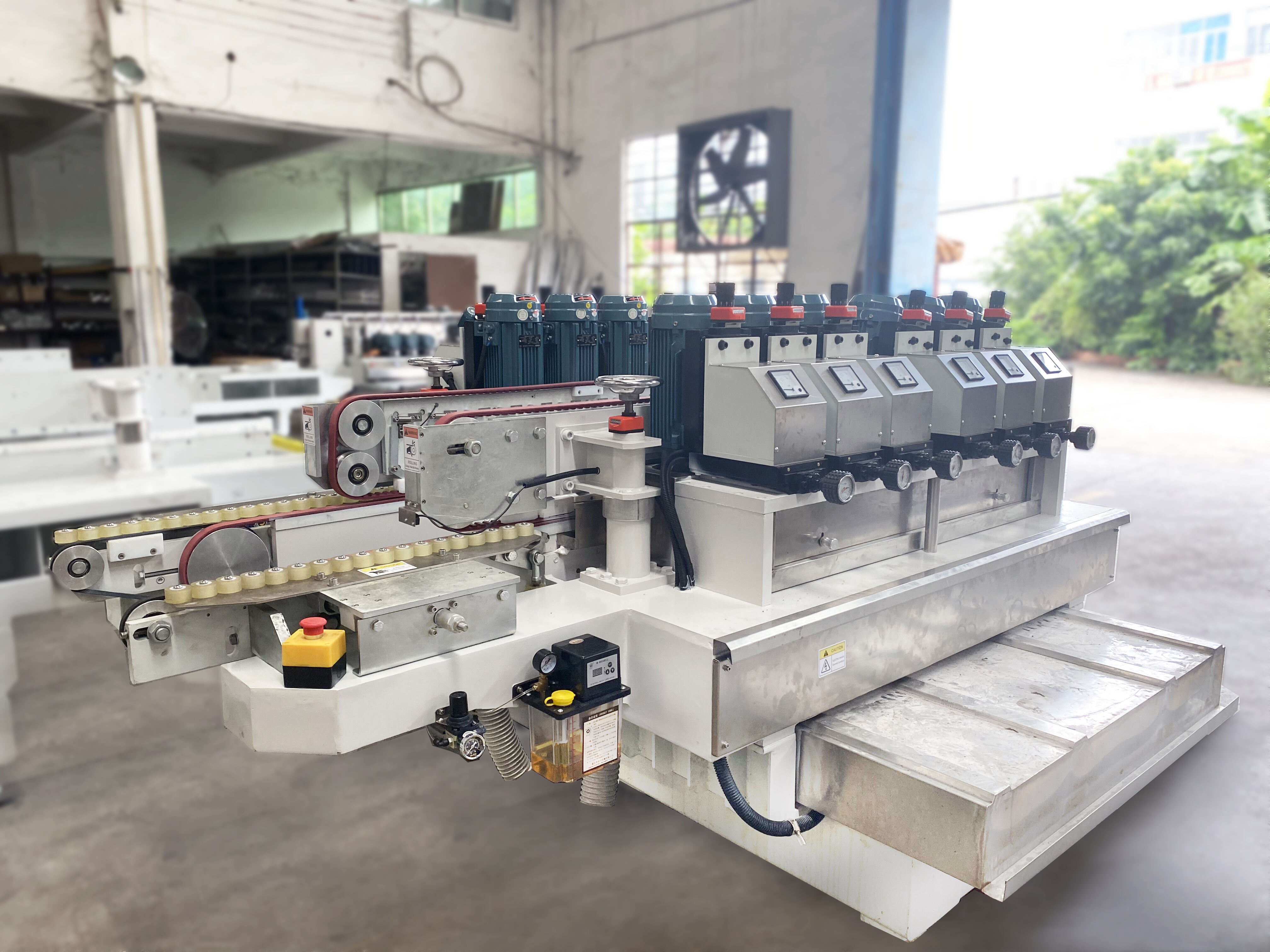
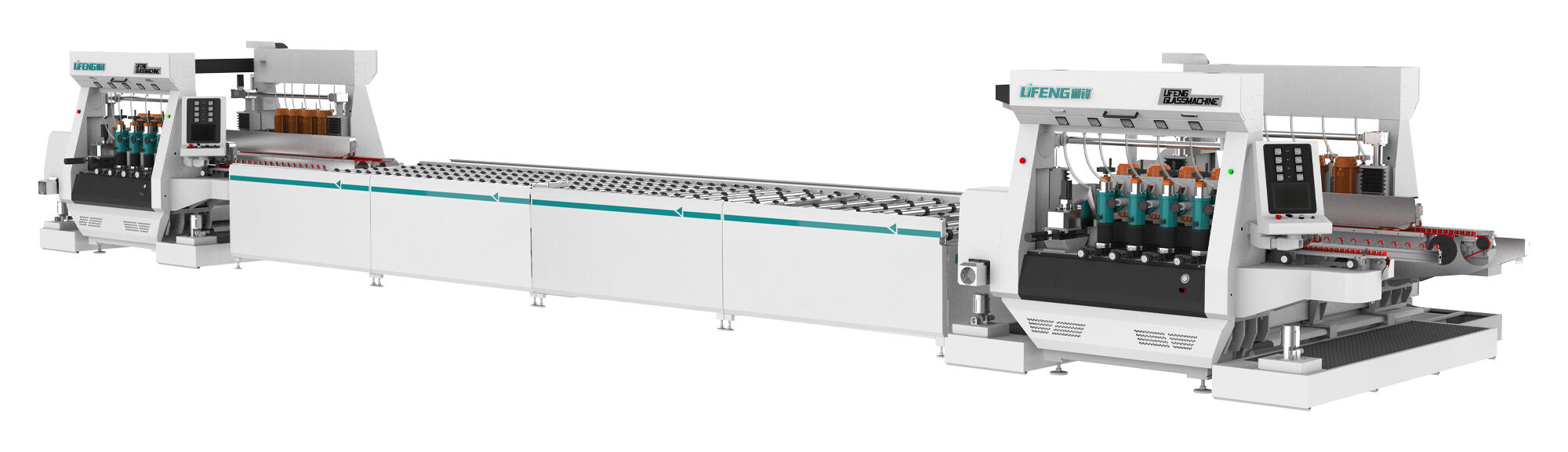
The double edging machine represents a sophisticated solution for glass processing facilities seeking precision edge finishing on both sides of glass panels simultaneously. This advanced equipment streamlines the glass fabrication process by performing bilateral edge grinding, polishing, and finishing operations in a single pass through the machine. The double edging machine is specifically engineered to handle flat glass sheets of varying thicknesses, transforming rough-cut edges into smooth, polished surfaces suitable for architectural, automotive, furniture, and decorative applications. The core functionality of this equipment centers on its ability to process two parallel edges at once, significantly reducing production time compared to traditional single-edge processing methods. Modern double edging machines incorporate computer numerical control systems that enable operators to program precise grinding angles, edge profiles, and finishing specifications with remarkable accuracy. The technological framework of these machines includes multiple grinding and polishing stations arranged sequentially along the processing line, with each station equipped with specialized diamond wheels or abrasive belts designed for specific finishing stages. The machine structure typically features a conveyor belt system that transports glass panels through the processing sequence while maintaining consistent pressure and alignment against the grinding wheels. Water circulation systems provide continuous cooling and lubrication during the grinding process, preventing thermal damage to the glass while simultaneously washing away glass particles and grinding residue. These machines accommodate various edge profiles including flat edges, beveled edges, and rounded edges depending on the wheel configuration and machine capabilities. The integration of servo motors and precision measurement sensors ensures consistent edge quality across production runs, minimizing variation between individual pieces. Industrial double edging machines are built with robust steel frames designed to withstand the continuous vibration and mechanical stress associated with grinding operations, ensuring long-term reliability in high-volume production environments. The versatility of the double edging machine makes it an essential asset for glass manufacturers serving diverse market segments, from construction companies requiring large architectural panels to furniture makers needing precision-finished glass components for contemporary designs.

New Products

Investing in a double edging machine delivers substantial benefits that directly impact your production efficiency and bottom line. The most immediate advantage is the dramatic reduction in processing time, as the machine works on both edges simultaneously rather than requiring two separate passes or manual repositioning of glass panels. This time savings translates directly into increased throughput, allowing your facility to fulfill larger orders within shorter timeframes and respond more quickly to customer demands. The consistency achieved through automated processing eliminates the quality variations common in manual edge finishing methods, ensuring every piece meets exact specifications without requiring extensive quality control interventions. Your labor costs decrease significantly because one operator can manage the automated processing of multiple panels, freeing skilled workers to focus on more complex tasks that require human judgment and expertise. The precision grinding wheels and computer-controlled settings produce edges with superior optical clarity and smoothness compared to manual finishing techniques, resulting in finished products that command premium prices in competitive markets. Energy efficiency represents another practical benefit, as modern double edging machines optimize power consumption through variable speed motors and intelligent control systems that adjust operation parameters based on glass thickness and material properties. The enclosed processing chamber reduces workplace noise levels and contains glass dust particles, creating a safer and more comfortable working environment for your team while also simplifying cleanup procedures. Maintenance requirements remain minimal thanks to durable construction and accessible component design, with most routine servicing completed quickly without extended production interruptions. The machine's ability to handle various glass thicknesses and edge profiles provides operational flexibility, eliminating the need to invest in multiple specialized machines for different product lines. Return on investment accelerates as production volumes increase, with the machine typically paying for itself within months through labor savings and increased output capacity. The reduced risk of edge damage during processing minimizes material waste, preserving your raw material investment and improving overall profitability. Quality improvements lead to fewer customer returns and warranty claims, strengthening your reputation in the marketplace and fostering long-term client relationships. The automated nature of the equipment reduces the learning curve for new employees, allowing your operation to maintain consistent quality even as workforce composition changes. Safety features including emergency stops, protective guards, and automatic shutdown protocols protect both operators and equipment from accidents that could result in costly downtime or injury. The compact footprint of modern double edging machines maximizes valuable floor space in your facility, allowing you to expand production capacity without requiring building expansion or relocation.

Latest News

What Are the Benefits of Using an Automated Glass Sorting System?

24

Sep

What Are the Benefits of Using an Automated Glass Sorting System?

Revolutionizing Glass Recycling Through Advanced Automation The glass recycling industry is undergoing a remarkable transformation with the integration of automated glass sorting systems. These sophisticated technologies are reshaping how recycling f...
View More
How Can Double Edgers Improve Efficiency and Reduce Waste?

24

Nov

How Can Double Edgers Improve Efficiency and Reduce Waste?

In today's competitive manufacturing landscape, companies are constantly seeking ways to enhance operational efficiency while minimizing material waste. Double edgers have emerged as a pivotal solution for businesses processing sheet materials, offer...
View More
What Maintenance Practices Keep Double Edgers Performing Optimally?

24

Nov

What Maintenance Practices Keep Double Edgers Performing Optimally?

Double edgers represent sophisticated industrial machinery that requires systematic maintenance protocols to ensure consistent performance and operational longevity. These precision instruments, commonly utilized in glass processing facilities and ma...
View More
How to Select the Right Hub Glass Furnace for Your Facility?

24

Nov

How to Select the Right Hub Glass Furnace for Your Facility?

Selecting the appropriate hub glass furnace for your manufacturing facility represents one of the most critical decisions that will impact your production efficiency, product quality, and long-term operational costs. A hub glass furnace serves as the...
View More

Get a Free Quote

Our representative will contact you soon.
Email
Name
Company Name
Message
0/1000

double edging machine

Simultaneous Bilateral Processing for Maximum Productivity

Simultaneous Bilateral Processing for Maximum Productivity

The defining characteristic that sets the double edging machine apart from conventional glass processing equipment is its capability to finish both parallel edges of a glass panel in a single processing cycle. This simultaneous bilateral operation fundamentally transforms production workflows by eliminating the need to flip, reposition, or make multiple passes with glass panels during edge finishing operations. Traditional single-edge processing requires operators to carefully handle each panel twice, first processing one edge and then manually repositioning the glass to process the opposite edge, which not only doubles the handling time but also increases the risk of breakage during manipulation. The double edging machine eliminates these inefficiencies through its symmetrical design, featuring matched grinding and polishing stations positioned on both sides of the central conveyor path. As glass panels travel through the machine, precisely calibrated grinding wheels contact both edges simultaneously, applying uniform pressure and achieving identical surface finishes on both sides. This symmetry ensures perfect parallelism between finished edges, a critical requirement for applications where glass panels must fit precisely within frames or mounting systems. The production capacity gains achieved through this dual-processing approach are substantial, with facilities reporting throughput increases of up to one hundred percent compared to their previous single-edge equipment. Beyond the obvious time savings, simultaneous processing delivers quality benefits by ensuring both edges undergo identical processing conditions at the same temperature, humidity, and wheel wear state, resulting in perfectly matched edge characteristics that would be difficult to replicate with separate processing passes. The economic implications extend beyond simple speed improvements, as the ability to produce more finished panels per shift allows manufacturers to accept larger contracts, reduce lead times, and operate with lower per-unit production costs. Maintenance considerations also favor the simultaneous processing design, as both processing sides share common control systems, water circulation infrastructure, and electrical components, simplifying spare parts inventory and reducing technical training requirements for maintenance personnel. The balanced mechanical loading inherent in bilateral processing reduces vibration and extends machine lifespan by preventing the uneven wear patterns that develop in single-sided equipment where processing forces act asymmetrically on the machine frame.
Precision Control Systems for Consistent Edge Quality

Precision Control Systems for Consistent Edge Quality

Modern double edging machines incorporate sophisticated computer control systems that enable unprecedented precision in edge finishing operations, transforming what was once an artisan skill into a repeatable, data-driven process. The computerized interface allows operators to input exact specifications for edge profiles, grinding depths, polishing sequences, and processing speeds, with the machine automatically adjusting all grinding stations to achieve the programmed results. These control systems continuously monitor processing parameters through integrated sensors that measure glass thickness, edge position, grinding wheel pressure, and motor current, making real-time adjustments to maintain optimal processing conditions throughout each production run. The precision achievable with these advanced controls means edge dimensions can be held to tolerances measured in hundredths of millimeters, satisfying even the most demanding architectural and automotive specifications where glass panels must interface perfectly with gaskets, seals, and mounting hardware. Recipe management features allow operators to save processing parameters for different glass types and edge profiles, enabling quick changeovers between production runs without time-consuming manual adjustments or trial-and-error setup procedures. Historical data logging capabilities track production statistics, maintenance intervals, and quality metrics, providing management with actionable insights for optimizing operations and planning preventive maintenance before equipment failures disrupt production schedules. The integration of touch-screen interfaces simplifies operator training and reduces the potential for input errors that could result in scrap production or equipment damage. Servo-driven grinding head positioning ensures grinding wheels maintain optimal contact angles and pressure distribution across the entire edge surface, preventing the uneven grinding patterns that create visual imperfections or structural weak points in finished edges. Automated compensation algorithms account for grinding wheel wear, incrementally adjusting wheel position as abrasive material is consumed during processing, maintaining consistent edge quality throughout the entire service life of each grinding wheel. Emergency stop systems integrated into the control architecture immediately halt all machine motion when safety sensors detect abnormal conditions, protecting both operators and glass panels from damage while providing diagnostic information that helps maintenance personnel quickly identify and resolve problems. The ability to network these machines with facility management systems enables production planning optimization and inventory control integration that improves overall operational efficiency.
Versatile Edge Profile Capabilities for Diverse Applications

Versatile Edge Profile Capabilities for Diverse Applications

The adaptability of the double edging machine to produce various edge profiles makes it an invaluable asset for glass fabricators serving multiple market segments with differing aesthetic and functional requirements. Through the strategic selection and positioning of grinding wheels with different abrasive profiles and grit sizes, a single machine can produce flat polished edges for frameless applications, beveled edges for decorative mirrors and furniture, rounded pencil edges for safety-critical applications, and specialized profiles for architectural glazing systems. This versatility eliminates the need to invest in multiple dedicated machines for different edge styles, significantly reducing capital equipment requirements while maximizing floor space utilization in the production facility. The machine's ability to quickly change between edge profiles through either grinding wheel replacement or programmable head positioning means manufacturers can efficiently process small custom orders alongside large production runs without sacrificing profitability or delivery times. Furniture manufacturers particularly benefit from this flexibility, as contemporary designs often incorporate glass components with varying edge treatments within a single product line, requiring processing equipment that can accommodate diverse specifications without extensive reconfiguration time. Architectural glass processors value the capability to produce both standard commercial glazing edges and specialized profiles for curtain wall systems, partition walls, and decorative installations using the same equipment platform. The grinding stations within the machine are engineered to accommodate different wheel diameters and profiles, with adjustable mounting systems that maintain precise positioning regardless of wheel dimensions, ensuring consistent results across the full range of edge styles. Quality control becomes more manageable when all edge profiles are produced on the same equipment using standardized processes, as operators develop deep familiarity with machine behavior and optimal processing parameters for different glass types and thicknesses. The economic advantages of this versatility compound over time, as market demands shift and new architectural trends emerge, the equipment remains relevant and productive without requiring replacement or major upgrades. Training efficiency improves when operators master a single versatile machine platform rather than learning multiple specialized equipment types, reducing the time required to bring new employees to full productivity. Customer service capabilities expand dramatically when manufacturers can confidently quote on diverse projects knowing their processing equipment can deliver any required edge profile with consistent quality and competitive lead times, opening new market opportunities that would otherwise require partnering with other fabricators or declining projects.