Professional Glass Edging Machine - Precision Glass Processing Equipment for Superior Edge Finishing

All Categories

Get a Free Quote

Our representative will contact you soon.
Email
Name
Company Name
Message
0/1000

glass edging machine

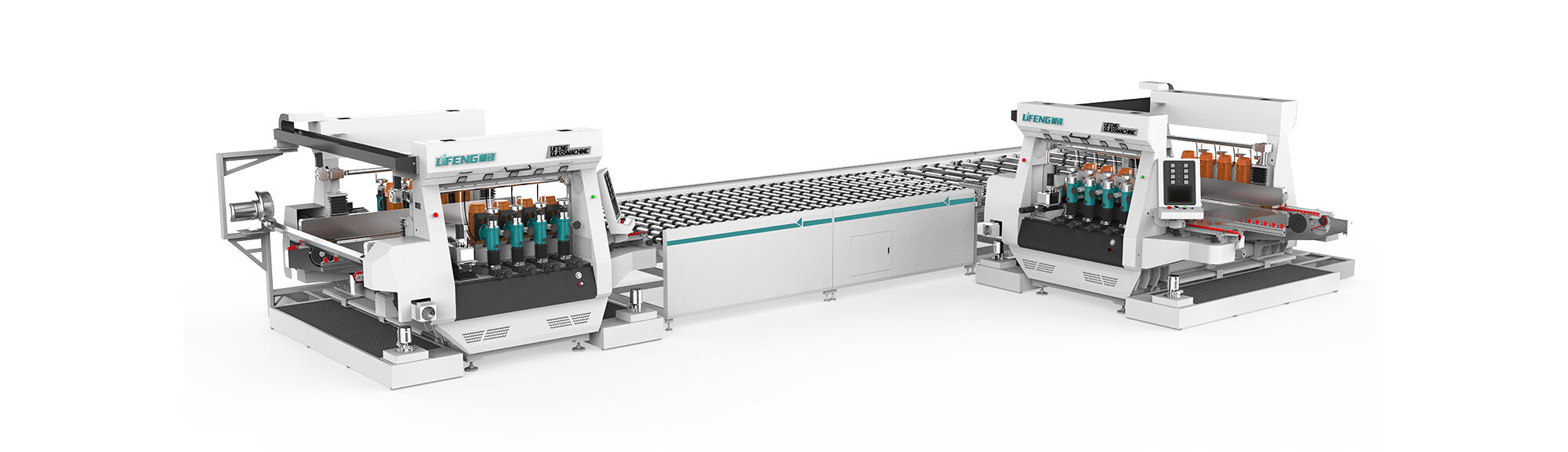
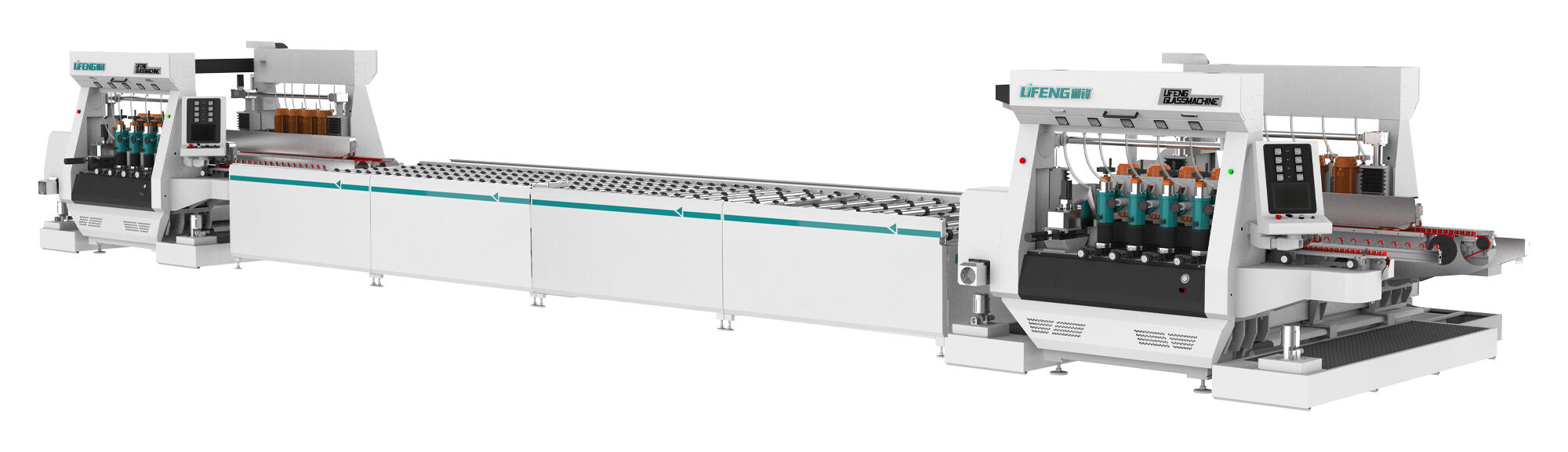
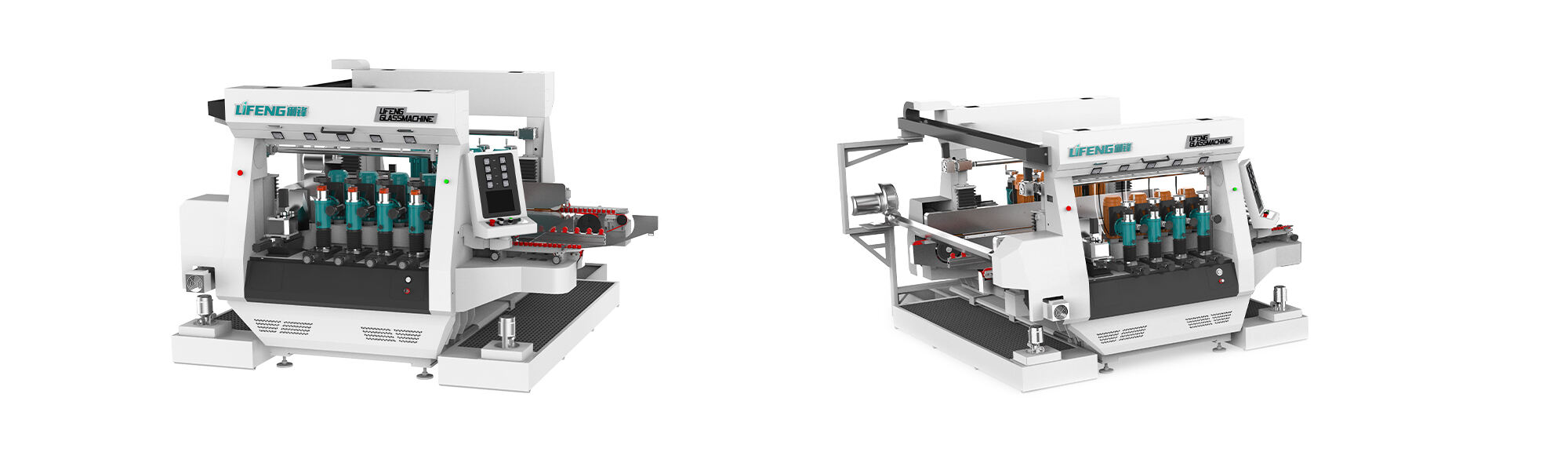
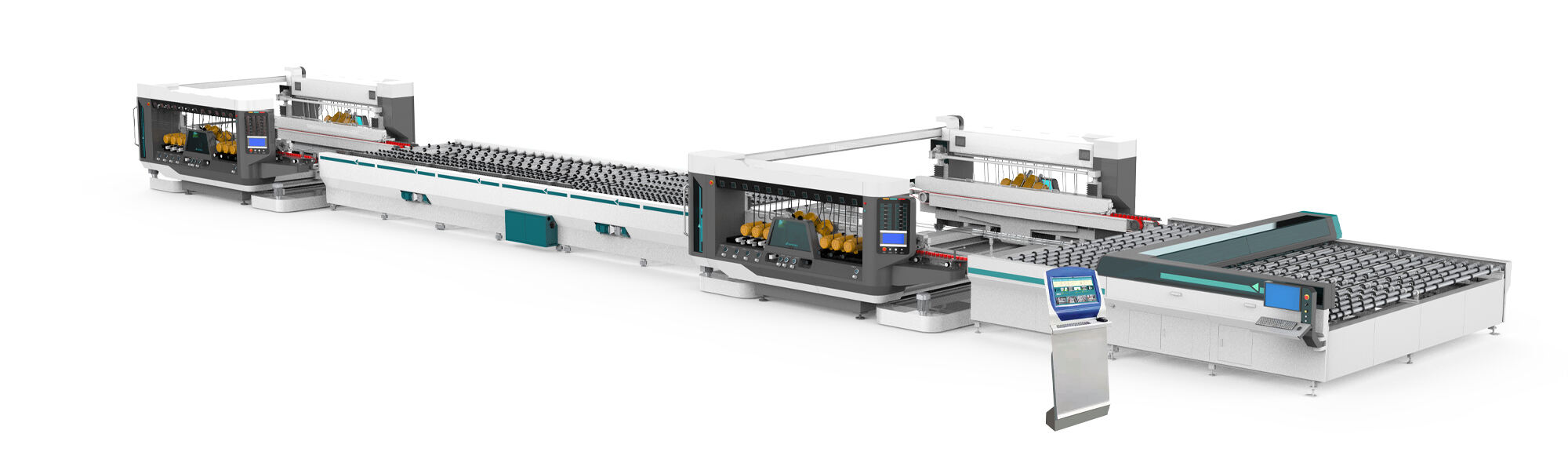
A glass edging machine represents an essential piece of equipment in the glass processing industry, designed to grind, polish, and shape the edges of glass panels with remarkable precision. This specialized machinery transforms raw cut glass into finished products ready for installation in various applications. The primary function of a glass edging machine involves removing sharp edges from glass sheets, creating smooth, safe, and aesthetically pleasing finishes that meet industry standards. Modern glass edging machines utilize advanced motor systems and abrasive wheels to achieve different edge profiles, including flat edges, beveled edges, pencil edges, and decorative designs. The technological features of contemporary glass edging machines incorporate computerized controls that allow operators to program specific edge profiles and dimensions with exceptional accuracy. These machines typically feature multiple grinding and polishing heads arranged in sequence, each performing a distinct stage of the edging process. The initial grinding heads remove excess material and establish the basic edge shape, while subsequent polishing heads progressively refine the surface to achieve the desired level of smoothness and clarity. Water cooling systems integrated into glass edging machines prevent overheating during operation and wash away glass particles, ensuring clean working conditions and extending the lifespan of abrasive components. Variable speed controls enable operators to adjust processing speeds according to glass thickness and type, accommodating everything from thin decorative glass to thick architectural panels. Applications for glass edging machines span numerous industries and sectors. In residential construction, these machines prepare glass for windows, shower enclosures, mirrors, and tabletops. Commercial applications include storefront glass, office partitions, display cases, and decorative glass installations. The automotive industry relies on glass edging machines for processing windshields and windows, while the furniture sector uses them to finish glass components for tables, cabinets, and shelving units. The precision and consistency delivered by glass edging machines have made them indispensable in manufacturing environments where quality control and production efficiency determine business success.

Popular Products

Investing in a glass edging machine delivers substantial benefits that directly impact your bottom line and operational capabilities. First and foremost, these machines dramatically increase production speed compared to manual edging methods, allowing your business to complete more orders in less time. What might take hours by hand can be accomplished in minutes with automated glass edging equipment, multiplying your output capacity without requiring additional labor. This efficiency translates into faster turnaround times for customers and the ability to accept larger orders that would otherwise be impossible to fulfill. The consistency achieved by a glass edging machine eliminates the variability inherent in manual processes, ensuring every piece meets the same high standards. Your customers receive uniform quality across entire orders, reducing complaints and returns while building your reputation for reliability. This consistency also minimizes material waste, as the machine produces fewer defective pieces that must be discarded or reworked. Safety improvements represent another significant advantage, as glass edging machines reduce direct human contact with sharp glass edges during processing. Operators work behind protective shields while the machine handles the actual grinding and polishing, decreasing workplace injuries and associated costs. The automated nature of these machines also reduces physical strain on workers, preventing repetitive stress injuries common in manual glass processing. Cost savings accumulate through multiple channels when using a glass edging machine. Labor expenses decrease because one operator can manage machine operations that would otherwise require several workers. Material costs drop due to reduced waste and fewer damaged pieces. Energy efficiency in modern machines keeps utility expenses manageable even during extended production runs. The precision of machine processing means you use exactly the amount of material needed without excess, optimizing your raw material budget. Versatility stands as a key advantage, with glass edging machines capable of producing various edge profiles from a single setup. Switching between edge styles requires only simple adjustments or program changes, allowing you to serve diverse customer needs without investing in multiple specialized tools. This flexibility helps you compete for different types of projects and adapt to changing market demands. The professional finish quality achieved by glass edging machines opens doors to premium markets and higher-value projects. Architects and designers specify machine-finished glass for upscale installations because the results consistently meet their exacting standards. This quality level justifies better pricing and positions your business as a premium provider rather than a budget option. Long-term reliability of glass edging machines means predictable maintenance schedules and minimal unexpected downtime, keeping your production flowing smoothly and your commitments to customers secure.

Practical Tips

How Can Double Edgers Improve Efficiency and Reduce Waste?

24

Nov

How Can Double Edgers Improve Efficiency and Reduce Waste?

In today's competitive manufacturing landscape, companies are constantly seeking ways to enhance operational efficiency while minimizing material waste. Double edgers have emerged as a pivotal solution for businesses processing sheet materials, offer...
View More
What Maintenance Practices Keep Double Edgers Performing Optimally?

24

Nov

What Maintenance Practices Keep Double Edgers Performing Optimally?

Double edgers represent sophisticated industrial machinery that requires systematic maintenance protocols to ensure consistent performance and operational longevity. These precision instruments, commonly utilized in glass processing facilities and ma...
View More
How to Troubleshoot Common Issues in Double Edgers?

24

Nov

How to Troubleshoot Common Issues in Double Edgers?

Double edgers are essential machinery in glass processing facilities, responsible for delivering precise edge grinding and polishing operations. These sophisticated machines can encounter various operational challenges that impact productivity and pr...
View More
How to Select the Right Hub Glass Furnace for Your Facility?

24

Nov

How to Select the Right Hub Glass Furnace for Your Facility?

Selecting the appropriate hub glass furnace for your manufacturing facility represents one of the most critical decisions that will impact your production efficiency, product quality, and long-term operational costs. A hub glass furnace serves as the...
View More

Get a Free Quote

Our representative will contact you soon.
Email
Name
Company Name
Message
0/1000

glass edging machine

Advanced Multi-Head Grinding Technology for Superior Edge Quality

Advanced Multi-Head Grinding Technology for Superior Edge Quality

The implementation of advanced multi-head grinding technology in modern glass edging machines represents a transformative capability that sets professional operations apart from basic processing methods. This sophisticated system employs a sequence of specialized grinding and polishing heads, each engineered to perform a specific function in the edge finishing process. Understanding how this technology works reveals why it delivers such exceptional results and why it matters for your business success. The process begins with coarse grinding heads that remove significant amounts of material quickly, establishing the basic edge profile according to programmed specifications. These initial heads use diamond-impregnated wheels designed for aggressive material removal while maintaining control over the edge geometry. As the glass progresses through the machine, it encounters progressively finer grinding heads that refine the surface texture and remove the scratches left by previous stages. This graduated approach ensures efficient material removal without compromising the final surface quality. The intermediate polishing heads apply specialized abrasives that further smooth the glass edge, eliminating microscopic imperfections that would compromise clarity and strength. The final polishing stages utilize extremely fine compounds that create the brilliant, transparent finish characteristic of professionally processed glass edges. This multi-stage approach cannot be replicated with single-head machines or manual methods, making it a genuine competitive advantage for businesses that invest in proper equipment. The precision positioning of each grinding head ensures consistent contact pressure and optimal grinding angles, factors that directly influence edge quality and processing efficiency. Computerized controls monitor and adjust head positions in real-time, compensating for variations in glass thickness and maintaining uniform results across entire production runs. This level of control eliminates the quality variations that plague manual operations and less sophisticated machines. Temperature management integrated into the multi-head system prevents thermal stress that could crack or weaken glass during processing. Continuous water cooling flows across each grinding head, dissipating heat while simultaneously flushing away glass particles that would otherwise interfere with the grinding action. This cooling system protects both the glass being processed and the abrasive wheels, extending component life and reducing maintenance requirements. The ability to produce various edge profiles without changing the basic machine setup adds tremendous value to this technology, allowing operators to switch between flat, beveled, pencil, and custom edge designs through simple program adjustments rather than time-consuming mechanical modifications.
Intuitive Digital Control Systems That Maximize Productivity

Intuitive Digital Control Systems That Maximize Productivity

The integration of intuitive digital control systems into glass edging machines has revolutionized how operators interact with the equipment and manage production workflows. These sophisticated yet user-friendly interfaces transform complex glass processing operations into streamlined, efficient procedures that maximize output while minimizing errors. The practical benefits of these control systems extend far beyond simple convenience, fundamentally changing what businesses can achieve with glass edging technology. Modern digital controls feature touchscreen interfaces that display all critical operating parameters in clear, accessible formats. Operators see real-time information about processing speed, grinding head positions, coolant flow rates, and production counts without interpreting complicated gauges or manual measurements. This transparency allows immediate identification of any operational issues before they affect product quality or cause equipment damage. The visual nature of these interfaces also accelerates training for new operators, reducing the learning curve from weeks to days and allowing businesses to cross-train staff more effectively. Program storage capabilities built into digital control systems enable operators to save complete processing profiles for different edge types and glass specifications. Once a particular setup has been perfected, it can be recalled instantly whenever that product runs again, eliminating the trial-and-error adjustments that waste time and materials. Libraries of standard profiles can be pre-loaded during machine installation, giving operators immediate access to common edge designs without developing programs from scratch. This functionality proves invaluable when managing diverse product lines or accommodating special customer requests that require unique edge treatments. Diagnostic features embedded in digital control systems monitor machine performance continuously, detecting abnormal vibrations, temperature variations, motor load changes, and other indicators of potential problems. Early warning alerts notify operators when maintenance becomes necessary, preventing catastrophic failures that cause extended downtime and expensive repairs. Detailed error messages guide troubleshooting efforts, often allowing operators to resolve minor issues without calling service technicians. This predictive maintenance capability keeps glass edging machines running at peak efficiency and extends equipment lifespan significantly. Production tracking functions automatically record output quantities, cycle times, and operational efficiency metrics that inform business decisions and process improvements. Managers access this data to identify bottlenecks, optimize workflow arrangements, and justify investments in additional capacity. The ability to generate production reports eliminates manual record-keeping and provides accurate information for customer billing, inventory management, and quality control documentation. Network connectivity in advanced control systems allows remote monitoring and adjustment, enabling supervisors to oversee multiple machines from central locations and technical support personnel to diagnose problems without site visits.
Robust Construction Engineered for Continuous Industrial Operation

Robust Construction Engineered for Continuous Industrial Operation

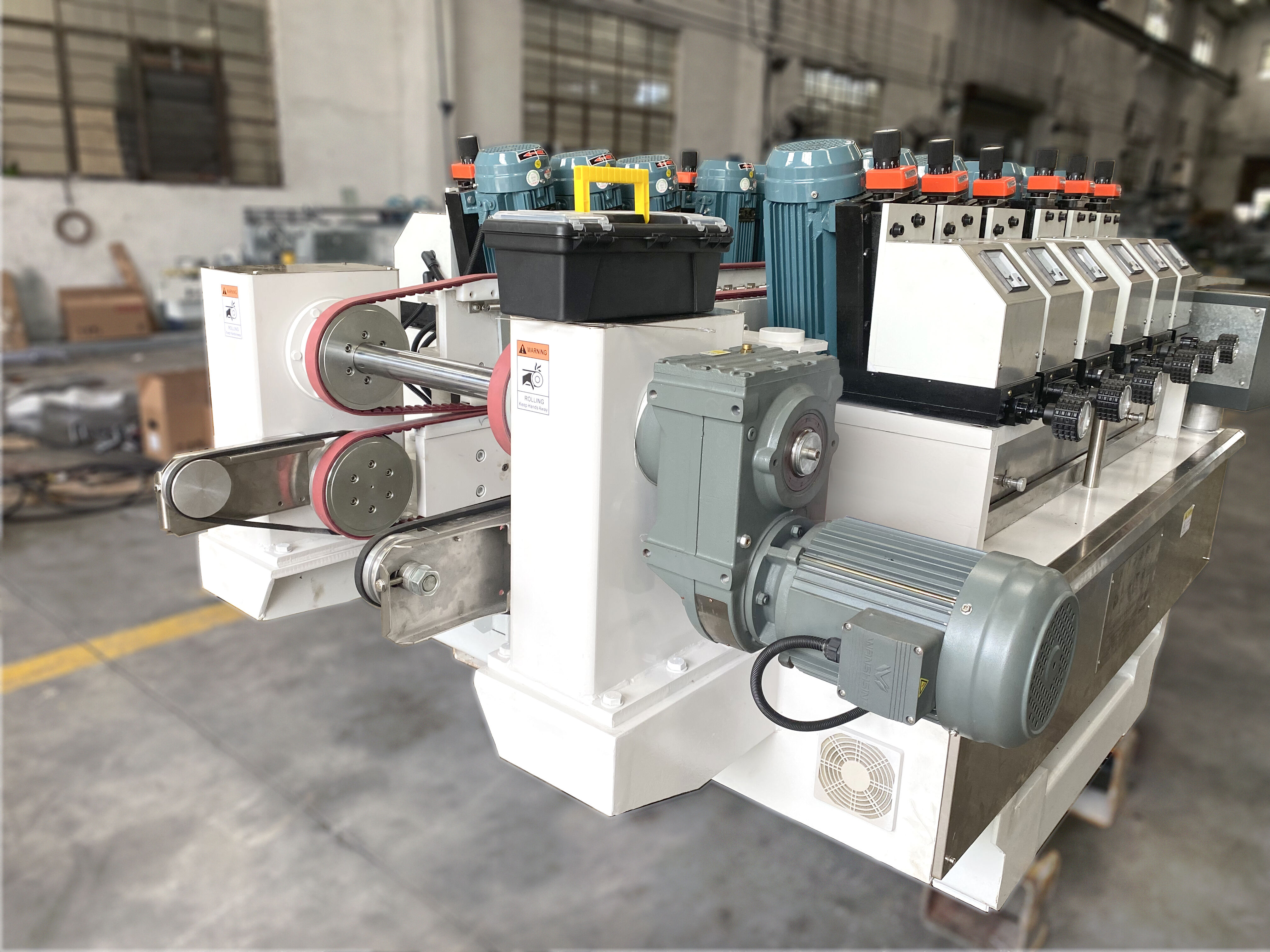
The robust construction methodology employed in professional glass edging machines ensures reliable performance under demanding industrial conditions where equipment failures directly impact profitability and customer satisfaction. Understanding the engineering principles and material choices behind this durability helps businesses appreciate the true value proposition these machines represent beyond their immediate processing capabilities. The foundation of any quality glass edging machine starts with its structural frame, typically fabricated from heavy-gauge steel or cast iron components designed to absorb vibrations and maintain precise alignments under continuous operating loads. This substantial construction prevents the deflections and misalignments that compromise edge quality in lighter machines, ensuring the grinding heads maintain exact positions relative to the glass throughout processing cycles. The mass of robust frames also dampens vibrations generated during grinding operations, protecting sensitive control components and creating more stable working conditions that improve operator comfort and precision. Critical wear surfaces and contact points incorporate hardened steel or specialized alloys engineered to resist abrasion from constant exposure to glass particles and grinding debris. Bearing assemblies supporting grinding head spindles utilize sealed, heavy-duty designs that exclude contaminants while retaining lubrication, dramatically extending service intervals and reducing maintenance requirements. These components represent significant initial investments but deliver substantial long-term savings by avoiding frequent replacements and minimizing downtime for repairs. Drive systems in industrial glass edging machines employ oversized motors and reinforced transmissions capable of sustained operation at full capacity without overheating or premature wear. Variable frequency drives provide precise speed control while protecting motors from damaging electrical surges and thermal stress. Belt and chain drives utilize premium materials and proper tensioning systems that prevent slippage and ensure efficient power transmission from motors to grinding heads. The water circulation systems essential for cooling and debris removal feature corrosion-resistant pumps, filters, and plumbing designed for years of reliable service in wet, abrasive environments. Adequate filtration capacity prevents grinding debris from damaging pump components or clogging spray nozzles, maintaining consistent coolant flow that protects both glass and abrasive wheels. Reservoir capacities in robust systems provide sufficient water volume to dissipate heat effectively during extended production runs without requiring frequent refills that interrupt workflow. Electrical components and control systems mount in sealed enclosures that exclude moisture and dust, preventing the premature failures common in poorly protected installations. Cable management systems route wiring through protected channels that prevent damage from moving machine components or accidental contact during maintenance procedures. Emergency stop systems and safety interlocks meet rigorous industrial standards, protecting operators from injury while preventing equipment damage during abnormal operating conditions. The combination of these construction principles creates glass edging machines capable of multi-shift operation in production environments where reliability directly determines business success and competitive positioning in demanding markets.