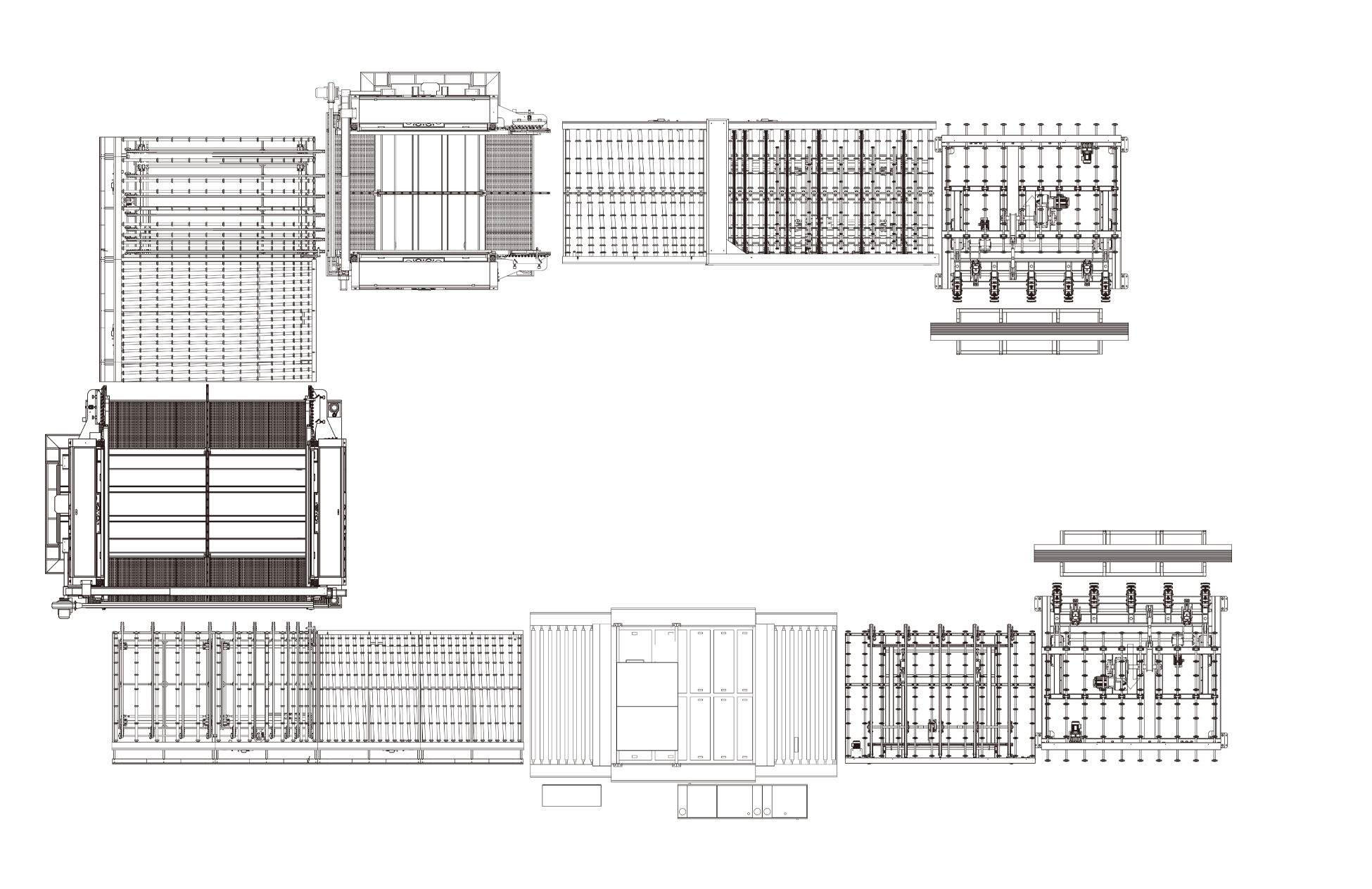
Glass Double Edger Machine: Precision Edge Processing Equipment for Professional Glass Manufacturing

All Categories

Get a Free Quote

Our representative will contact you soon.
Email
Name
Company Name
Message
0/1000

glass double edger

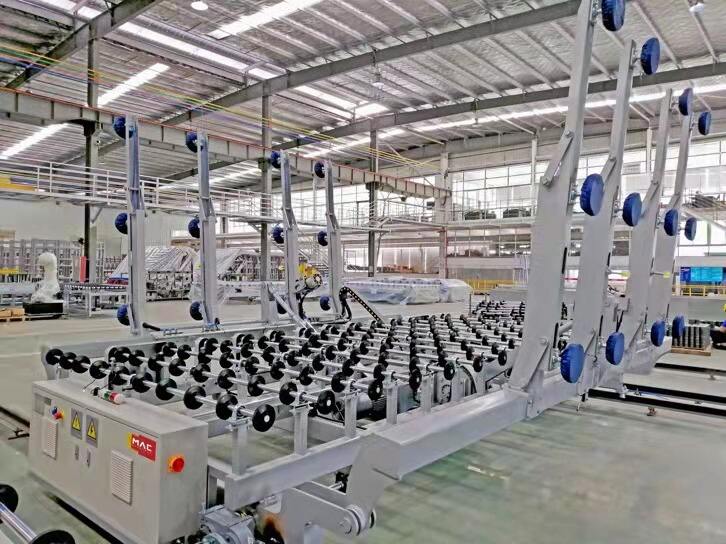
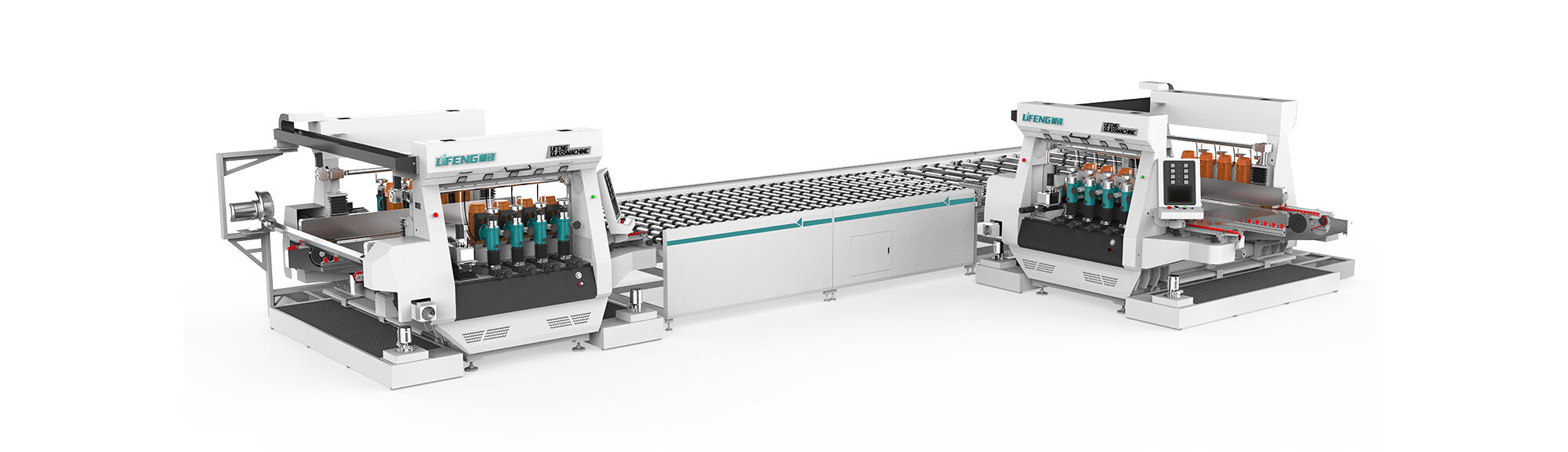
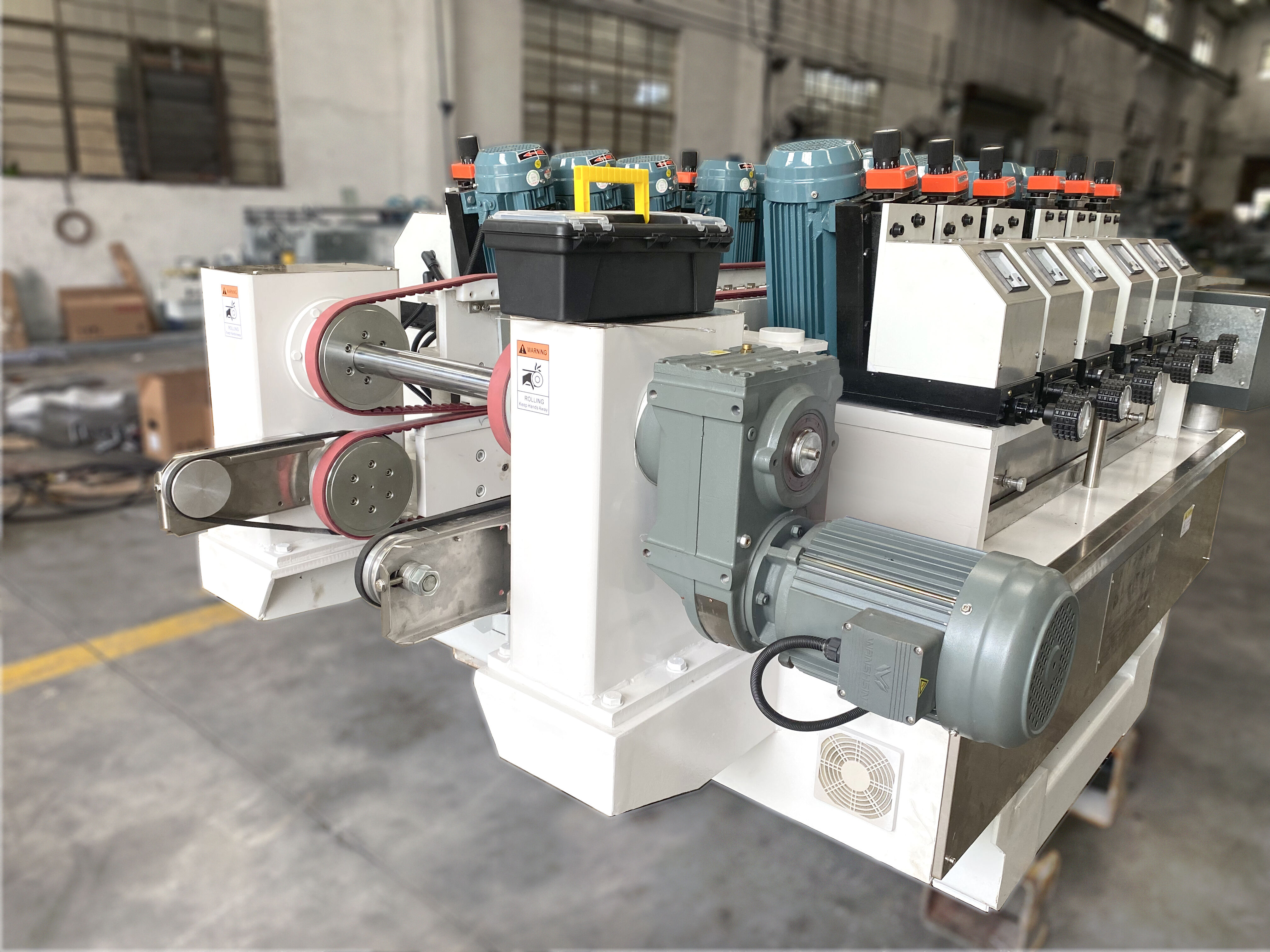
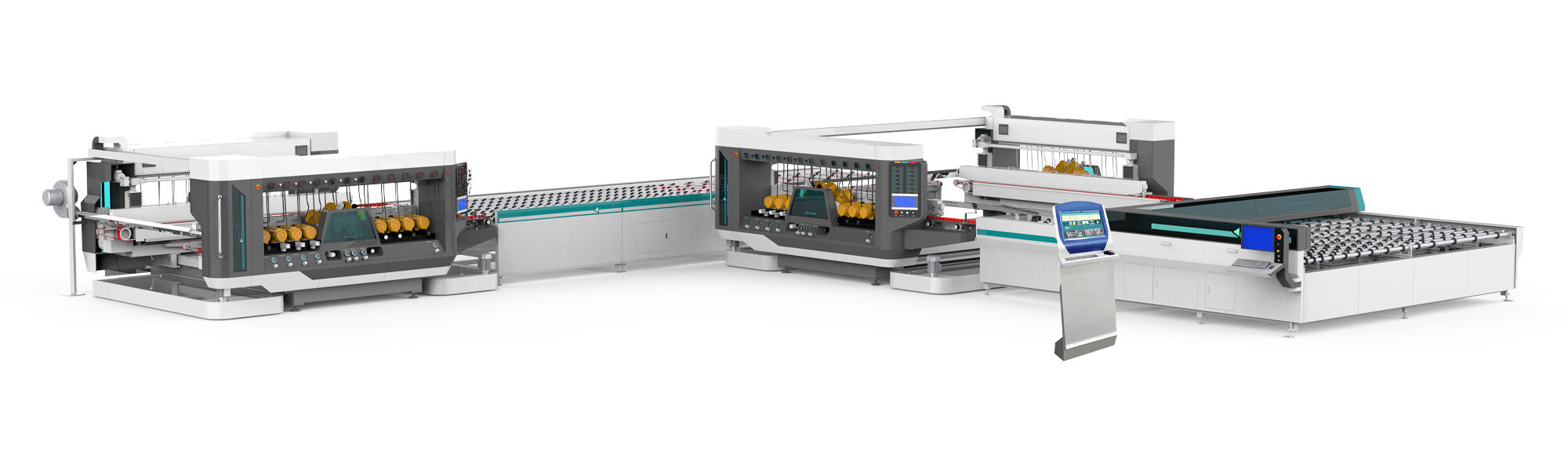
The glass double edger represents a sophisticated piece of machinery designed specifically for processing glass edges with exceptional precision and efficiency. This advanced equipment simultaneously grinds and polishes both edges of glass panels in a single operation, making it an indispensable tool for glass manufacturing facilities, architectural glass processors, and furniture manufacturers. The machine operates through a series of precisely aligned grinding wheels that work in tandem to shape, smooth, and polish glass edges to exact specifications. Modern glass double edger systems incorporate computer numerical control technology, allowing operators to program specific edge profiles and dimensions with remarkable accuracy. The equipment handles various glass thicknesses, typically ranging from 3mm to 19mm, accommodating diverse production requirements across multiple industries. Its automated feeding system ensures consistent processing speeds while minimizing manual handling, thereby reducing the risk of glass breakage and workplace injuries. The glass double edger features adjustable grinding heads that can be configured to produce different edge finishes, including flat, beveled, and pencil edges, providing manufacturers with versatility in their product offerings. The machine's robust construction, typically featuring heavy-duty steel frames and precision-engineered components, ensures long-term reliability and consistent performance even under demanding production schedules. Water cooling systems integrated into the glass double edger prevent overheating during operation while simultaneously flushing away glass particles, maintaining optimal grinding conditions and extending the lifespan of abrasive wheels. Quality control mechanisms, including digital displays and measurement systems, enable operators to monitor processing parameters in real-time, ensuring each glass piece meets stringent quality standards. The glass double edger has become essential equipment for businesses seeking to enhance their production capabilities while maintaining competitive advantages in the marketplace through superior product quality and operational efficiency.

New Product Releases

Investing in a glass double edger delivers substantial benefits that directly impact your bottom line and operational capabilities. First and foremost, this equipment dramatically increases production efficiency by processing both edges simultaneously, effectively doubling output compared to single-edge machines while using the same floor space and requiring similar labor input. This efficiency translates into faster order fulfillment, enabling your business to accept more projects and generate higher revenue without proportionally increasing operational costs. The automated nature of the glass double edger significantly reduces labor requirements, as one operator can manage the entire processing operation, from loading raw glass to collecting finished products. This labor optimization allows you to reallocate workforce resources to other value-adding activities while reducing payroll expenses. The precision engineering inherent in these machines ensures consistent edge quality across every piece processed, eliminating the variations that often occur with manual grinding methods. This consistency enhances your reputation for quality, leading to increased customer satisfaction and repeat business. The glass double edger minimizes material waste by reducing the occurrence of breakage and processing errors, which means you maximize the value extracted from your raw material investments. Energy efficiency represents another significant advantage, as modern machines incorporate power-saving features that reduce electricity consumption compared to operating multiple separate machines. The versatility of the glass double edger allows you to serve diverse market segments, from architectural applications requiring specific edge profiles to furniture manufacturing demanding smooth, safe edges. This flexibility expands your potential customer base without requiring additional equipment investments. Maintenance requirements for quality glass double edger machines remain manageable, with accessible components and straightforward servicing procedures that minimize downtime. The reduced handling associated with automated processing decreases workplace accidents and associated costs, creating a safer working environment for your employees. Training new operators becomes simpler with intuitive controls and standardized procedures, reducing the learning curve and enabling faster integration of new staff members. The professional edge finish achieved by the glass double edger eliminates the need for secondary processing operations, streamlining your production workflow and reducing total processing time per unit. Return on investment typically materializes quickly, as the combination of increased productivity, reduced labor costs, and improved quality creates substantial financial benefits within the first operational year. Long-term durability ensures that your glass double edger continues delivering value for years, making it a sound capital investment that supports sustained business growth.

Tips And Tricks

How Do Glass Drilling Machines Handle Different Glass Thicknesses Safely?

28

Oct

How Do Glass Drilling Machines Handle Different Glass Thicknesses Safely?

Understanding Modern Glass Drilling Technology and Safety Mechanisms The world of glass fabrication has evolved significantly with the introduction of advanced glass drilling machines that can handle various glass thicknesses with remarkable precisio...
View More
Why Are Smart Glass Cutting Lines Becoming the Standard in Factories?

28

Oct

Why Are Smart Glass Cutting Lines Becoming the Standard in Factories?

The Revolution of Automated Glass Processing in Modern Manufacturing The manufacturing landscape is undergoing a dramatic transformation as smart glass cutting lines increasingly become the backbone of modern glass processing facilities. These sophis...
View More
How Can Double Edgers Improve Efficiency and Reduce Waste?

24

Nov

How Can Double Edgers Improve Efficiency and Reduce Waste?

In today's competitive manufacturing landscape, companies are constantly seeking ways to enhance operational efficiency while minimizing material waste. Double edgers have emerged as a pivotal solution for businesses processing sheet materials, offer...
View More
What Maintenance Practices Keep Double Edgers Performing Optimally?

24

Nov

What Maintenance Practices Keep Double Edgers Performing Optimally?

Double edgers represent sophisticated industrial machinery that requires systematic maintenance protocols to ensure consistent performance and operational longevity. These precision instruments, commonly utilized in glass processing facilities and ma...
View More

Get a Free Quote

Our representative will contact you soon.
Email
Name
Company Name
Message
0/1000

glass double edger

Simultaneous Dual-Edge Processing Technology

Simultaneous Dual-Edge Processing Technology

The defining characteristic of the glass double edger lies in its revolutionary simultaneous dual-edge processing capability, which fundamentally transforms glass manufacturing efficiency and productivity. Unlike traditional single-edge grinding machines that require glass panels to be flipped and processed twice, the glass double edger accomplishes complete edge finishing in one continuous pass through the machine. This technological advancement involves precisely synchronized grinding mechanisms positioned on opposite sides of the glass panel, each equipped with multiple grinding wheels arranged in sequential progression from coarse to fine grit. The synchronization ensures that both edges receive identical treatment simultaneously, maintaining perfect symmetry and eliminating potential discrepancies that might arise from separate processing operations. This parallel processing approach reduces production time by approximately fifty percent compared to conventional methods, enabling manufacturers to significantly increase daily output without extending operational hours or adding equipment. The engineering behind this simultaneous processing requires exceptional mechanical precision, with both grinding assemblies maintaining exact alignment throughout the operation to ensure uniform pressure distribution and consistent edge geometry. Advanced manufacturers incorporate servo motor technology into their glass double edger designs, providing precise speed control and instant adjustments that respond to variations in glass thickness or density. The synchronized operation also generates substantial cost savings by optimizing electricity consumption, as running one machine processing both edges simultaneously uses considerably less power than operating two separate machines or processing each edge individually. From a quality perspective, simultaneous processing eliminates the risk of contamination or damage that might occur during intermediate handling between two separate grinding operations. The glass remains secured in a single position throughout the entire processing cycle, reducing stress points and minimizing breakage risks. Operators benefit from simplified workflow management, as they only need to load and unload glass once per piece rather than handling it multiple times. This streamlined handling reduces labor fatigue and increases workplace safety by minimizing opportunities for accidents. The dual-edge processing technology incorporated into modern glass double edger machines represents a significant competitive advantage for businesses seeking to optimize their manufacturing operations while maintaining superior product quality standards that meet increasingly demanding market expectations.
Precision Computer Numerical Control Integration

Precision Computer Numerical Control Integration

Modern glass double edger equipment incorporates sophisticated computer numerical control systems that elevate processing accuracy to unprecedented levels while simplifying operation and expanding production capabilities. These integrated control systems allow operators to program exact specifications for edge profiles, grinding depths, and processing speeds through user-friendly touchscreen interfaces that eliminate the need for complex manual adjustments. The computer numerical control manages all operational parameters automatically, maintaining consistent settings throughout production runs and ensuring that every glass piece emerges with identical edge characteristics regardless of operator variations or environmental factors. This technological integration enables the glass double edger to store multiple processing programs, allowing manufacturers to quickly switch between different product specifications without time-consuming manual reconfiguration. The precision offered by computer control systems typically achieves tolerances within 0.1mm, meeting the stringent requirements of architectural applications where exact dimensions are critical for proper installation. Real-time monitoring capabilities built into these control systems provide operators with continuous feedback regarding processing status, grinding wheel condition, and system performance, enabling proactive maintenance and preventing unexpected breakdowns. Diagnostic features automatically detect potential issues such as excessive vibration, abnormal power consumption, or misalignment, alerting operators before minor problems escalate into costly repairs or production interruptions. The data collection capabilities of computerized glass double edger systems support quality management initiatives by recording processing parameters for each batch, creating traceable records that demonstrate compliance with quality standards and customer specifications. Integration with broader manufacturing execution systems becomes possible through these computer controls, enabling seamless information flow between the glass double edger and other production management software. This connectivity supports advanced manufacturing strategies such as just-in-time production and automated scheduling optimization. Training requirements decrease substantially with intuitive computer interfaces that guide operators through setup procedures and provide clear visual feedback regarding machine status. New employees can achieve operational proficiency more quickly, reducing the expertise gap between experienced and novice operators. The precision control offered by these systems also extends grinding wheel life by preventing excessive pressure or inappropriate speed settings that might cause premature wear. Remote monitoring capabilities available in advanced glass double edger models allow supervisors and maintenance personnel to assess machine performance from anywhere, supporting multi-site operations and enabling rapid response to operational issues. The investment in computer numerical control technology within glass double edger equipment delivers long-term value through improved product quality, enhanced operational efficiency, and reduced dependence on specialized operator skills.
Comprehensive Safety and Ergonomic Design Features

Comprehensive Safety and Ergonomic Design Features

The glass double edger incorporates extensive safety mechanisms and ergonomic design elements that protect operators while optimizing workplace efficiency and comfort. Safety considerations begin with emergency stop systems strategically positioned around the machine, allowing immediate shutdown from multiple locations should unexpected situations arise during operation. Protective guarding encases all moving components, preventing accidental contact with grinding wheels, drive mechanisms, and other potentially hazardous elements while maintaining accessibility for necessary maintenance activities. Interlock systems prevent machine operation when safety guards are open or improperly positioned, ensuring operators cannot accidentally expose themselves to danger during loading or adjustment procedures. The water containment and recycling systems integrated into quality glass double edger machines prevent slippery floor conditions that might cause workplace accidents while managing the substantial volumes of water required for effective glass grinding and cooling. Noise reduction engineering minimizes the sound levels generated during operation, creating a more comfortable working environment and reducing the risk of hearing damage associated with prolonged exposure to industrial machinery. Dust extraction systems capture fine glass particles generated during grinding operations, protecting respiratory health and maintaining cleaner working conditions that improve visibility and reduce housekeeping requirements. Ergonomic loading and unloading stations reduce physical strain on operators by positioning glass at appropriate working heights that minimize bending and reaching movements, thereby decreasing the risk of musculoskeletal injuries associated with repetitive manual handling. Automatic feeding mechanisms available in advanced glass double edger models further reduce physical demands by eliminating the need for operators to manually position heavy glass panels onto the processing bed. Clear visual indicators and intuitive control placement reduce cognitive load and decision-making stress, allowing operators to monitor multiple parameters efficiently without mental fatigue. Adequate spacing around the glass double edger facilitates comfortable movement and provides sufficient room for material handling equipment, preventing crowded conditions that might increase accident risks. Maintenance access has been carefully considered in well-designed machines, with components positioned to allow servicing without requiring awkward postures or specialized tools that might delay repairs. Training resources including visual guides and step-by-step instructions often accompany modern glass double edger equipment, ensuring operators understand proper safety protocols and operational procedures before beginning production work. The comprehensive approach to safety and ergonomics embedded in contemporary glass double edger design reflects the manufacturing industry's growing recognition that protecting worker wellbeing directly contributes to productivity, quality, and long-term business success.