Glass Straight Line Edging Machine: Professional Edge Polishing Equipment for Precision Glass Processing

All Categories

Get a Free Quote

Our representative will contact you soon.
Email
Name
Company Name
Message
0/1000

glass straight line edging machine

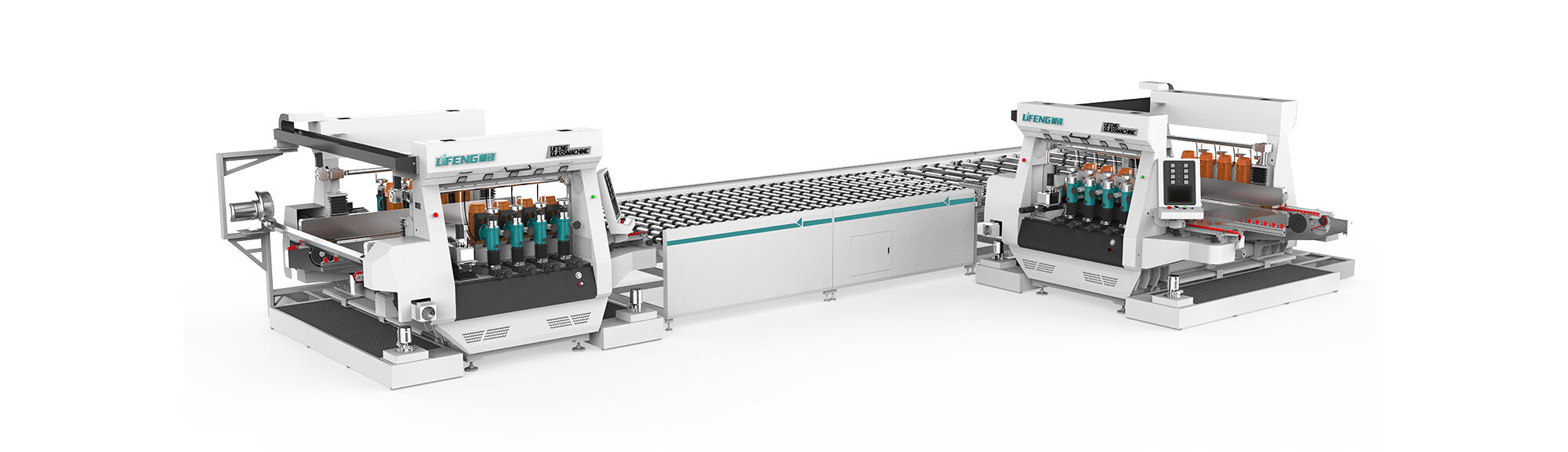
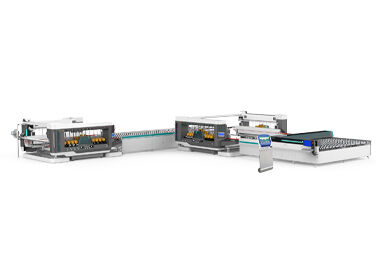
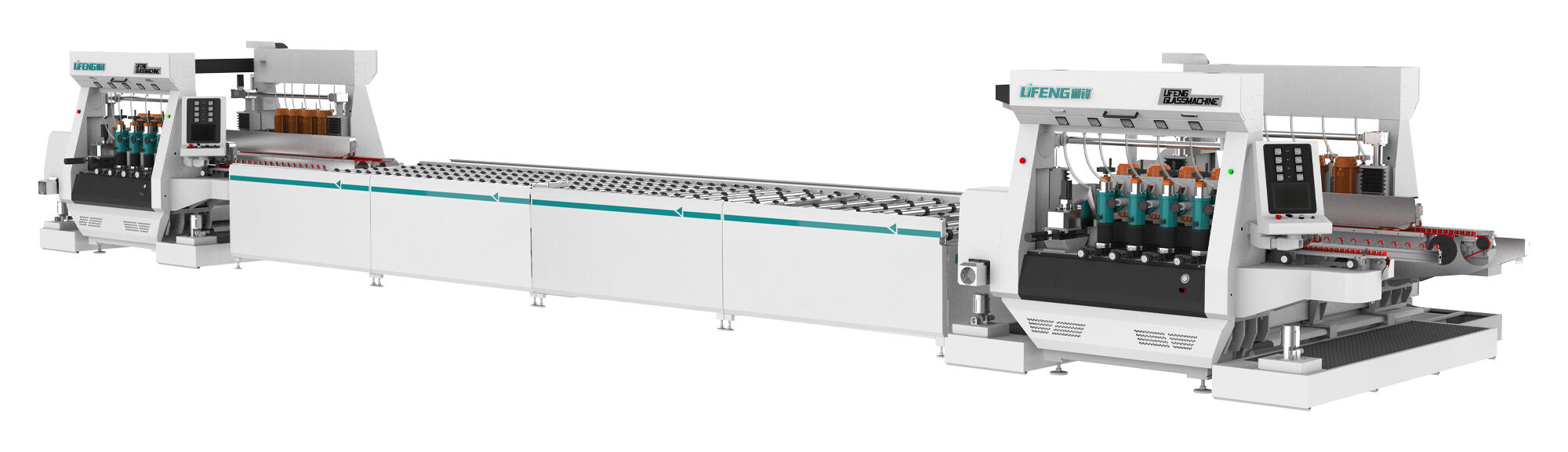
The glass straight line edging machine represents a fundamental piece of equipment in modern glass processing facilities, designed specifically to polish and finish the edges of flat glass panels with exceptional precision. This sophisticated machinery performs the critical task of transforming raw, sharp glass edges into smooth, safe, and aesthetically pleasing finishes that meet both functional and decorative requirements. The primary function of a glass straight line edging machine involves grinding, polishing, and beveling glass edges in a continuous, automated process that ensures consistent quality across production runs. The machine operates by feeding glass sheets through a series of strategically positioned grinding wheels and polishing heads, each calibrated to perform specific refinement stages. Technological features of the glass straight line edging machine include programmable control systems that allow operators to adjust processing parameters such as speed, pressure, and grinding depth with remarkable accuracy. Advanced models incorporate digital displays, automatic thickness detection sensors, and synchronized motor systems that maintain perfect alignment throughout the entire processing cycle. The machinery typically consists of multiple grinding stations, ranging from coarse to fine abrasive grades, followed by polishing stations that create mirror-like finishes on glass edges. Water circulation systems integrated into the glass straight line edging machine serve dual purposes: cooling the glass during processing to prevent thermal stress and removing glass particles generated during grinding operations. The versatility of this equipment allows it to handle various glass types, including clear float glass, tempered glass, laminated glass, and low-emission coated glass, with thicknesses ranging from 3mm to 25mm depending on machine specifications. Applications for the glass straight line edging machine span numerous industries, including architectural glass fabrication for windows and doors, furniture manufacturing for glass tabletops and shelving, automotive glass production, shower enclosure fabrication, and decorative glass applications. The machine's ability to process both small batches and large production volumes makes it indispensable for glass workshops, manufacturing plants, and specialized glass processing centers seeking to deliver professional-grade finished products to their customers.

New Products

Investing in a glass straight line edging machine delivers significant practical benefits that directly impact your business operations and bottom line. First and foremost, this equipment dramatically increases production efficiency by automating what would otherwise be a labor-intensive manual process, allowing your facility to process substantially more glass panels within the same timeframe while reducing workforce requirements. The consistent quality achieved by automated processing eliminates the variability associated with manual edge finishing, ensuring every piece meets the same high standards and reducing rejection rates that waste both materials and time. Safety improvements represent another crucial advantage, as the machine removes workers from direct contact with sharp glass edges during the grinding process, significantly reducing workplace injuries and associated costs. The precision capabilities of a glass straight line edging machine enable your business to meet exact specifications required by architects, designers, and contractors, opening opportunities for more demanding projects that command premium pricing. Energy efficiency built into modern designs helps control operational costs, with optimized motor systems consuming less electricity compared to older equipment while delivering superior performance. The versatility to process different glass thicknesses and types on the same machine provides flexibility to accept diverse orders without investing in multiple specialized machines, maximizing equipment utilization and return on investment. Maintenance simplicity is engineered into contemporary models, with easily accessible components and standardized parts that minimize downtime when service is required, keeping your production schedule on track. The speed of processing means faster turnaround times for customer orders, improving satisfaction and enabling your business to accept more projects simultaneously, directly increasing revenue potential. Quality edge finishing enhances the final appearance of glass products, adding value that customers recognize and are willing to pay for, while smooth edges reduce the likelihood of chips and cracks during handling and installation. The automated nature of the glass straight line edging machine frees skilled workers to focus on more complex tasks requiring human judgment, optimizing workforce allocation and improving overall productivity. Space efficiency in modern compact designs allows integration into existing facilities without extensive floor plan modifications, making adoption feasible even for operations with limited square footage. The reduction in material waste through precise processing protects profit margins, as glass represents a significant cost component in finished products. Noise reduction features in quality machines create a more comfortable working environment, improving employee satisfaction and potentially allowing operation in locations where noise regulations would otherwise be restrictive. The professional finish quality positions your business competitively against rivals still using manual methods, providing a tangible differentiator in marketing efforts and customer presentations.

Tips And Tricks

How Does a Glass Sorting System Integrate with Other Glass Lines?

24

Sep

How Does a Glass Sorting System Integrate with Other Glass Lines?

Seamless Integration of Modern Glass Sorting Technologies The integration of a glass sorting system into existing production lines represents a significant advancement in glass manufacturing and recycling operations. These sophisticated systems utili...
View More
How Can Double Edgers Improve Efficiency and Reduce Waste?

24

Nov

How Can Double Edgers Improve Efficiency and Reduce Waste?

In today's competitive manufacturing landscape, companies are constantly seeking ways to enhance operational efficiency while minimizing material waste. Double edgers have emerged as a pivotal solution for businesses processing sheet materials, offer...
View More
What Maintenance Practices Keep Double Edgers Performing Optimally?

24

Nov

What Maintenance Practices Keep Double Edgers Performing Optimally?

Double edgers represent sophisticated industrial machinery that requires systematic maintenance protocols to ensure consistent performance and operational longevity. These precision instruments, commonly utilized in glass processing facilities and ma...
View More
Why Is Automated Insulating Glass Production Increasing in Large Factories?

19

Dec

Why Is Automated Insulating Glass Production Increasing in Large Factories?

The construction and manufacturing industries are experiencing a significant shift toward automation, with automated insulating glass production leading this transformation in large-scale factories. This evolution represents more than just technologi...
View More

Get a Free Quote

Our representative will contact you soon.
Email
Name
Company Name
Message
0/1000

glass straight line edging machine

Advanced Multi-Stage Processing System for Superior Edge Quality

Advanced Multi-Stage Processing System for Superior Edge Quality

The glass straight line edging machine incorporates a sophisticated multi-stage processing system that represents the cornerstone of its superior performance capabilities. This carefully engineered sequence begins with coarse grinding stations equipped with diamond-embedded wheels that remove significant material quickly, establishing the basic edge profile and eliminating the dangerous sharp edges inherent in cut glass. The progression continues through intermediate grinding stages with progressively finer abrasive grades, each station refining the edge surface by removing the scratches left by the previous stage while simultaneously improving dimensional accuracy. This stepped approach ensures optimal material removal rates without compromising edge integrity, preventing the micro-fractures that can occur when attempting to achieve fine finishes too quickly. The polishing stations that follow the grinding sequence utilize specialized polishing wheels and compounds formulated specifically for glass, creating increasingly refined surface finishes that culminate in a crystal-clear, transparent edge virtually indistinguishable from the glass face in optical clarity. The synchronized operation of all processing stations maintains consistent edge quality regardless of production speed, with computerized controls ensuring each station applies the correct pressure, rotation speed, and processing time based on glass thickness and type. Water delivery systems precisely calibrated for each station provide cooling and lubrication exactly where needed, preventing thermal shock while efficiently flushing away grinding debris that could scratch the glass surface. The ability to configure the glass straight line edging machine for different edge profiles, including flat edges, beveled edges, and various decorative treatments, provides production flexibility that adapts to changing market demands without equipment changeovers. The precision linear guides and support systems maintain perfect glass positioning throughout the entire processing sequence, preventing the slight movements that would create wavy or inconsistent edges. This advanced multi-stage system delivers edges that require no secondary processing, eliminating additional handling steps and accelerating the path from raw glass to finished product. The resulting edge quality not only meets but often exceeds industry standards, satisfying even the most demanding specifications for architectural installations, high-end furniture applications, and premium decorative glass projects where edge appearance directly impacts perceived product value.
Intelligent Control System with Real-Time Monitoring and Adjustment

Intelligent Control System with Real-Time Monitoring and Adjustment

Modern glass straight line edging machines feature intelligent control systems that fundamentally transform operational capabilities through real-time monitoring and automatic adjustment functions. The digital control interface serves as the command center, allowing operators to input specific parameters for each production run, including glass thickness, desired edge profile, processing speed, and quality standards. Advanced sensors continuously monitor critical variables throughout the processing cycle, detecting glass thickness variations, wheel wear conditions, water flow rates, and motor loads, feeding this data to the central processor for instant analysis. When the system identifies deviations from optimal parameters, it automatically implements corrective adjustments without operator intervention, maintaining consistent output quality even as processing conditions change during extended production runs. The programmable memory function stores processing recipes for frequently manufactured products, enabling operators to recall proven settings instantly rather than manually configuring the machine for each new batch, dramatically reducing setup time and eliminating trial-and-error adjustments. Touchscreen displays provide intuitive visualization of machine status, processing parameters, and production statistics, making operation accessible even for less experienced personnel while providing comprehensive information for troubleshooting when issues arise. The diagnostic capabilities built into the control system continuously monitor component health, providing predictive maintenance alerts before failures occur, allowing scheduled service during planned downtime rather than unexpected breakdowns that disrupt production schedules. Safety interlocks integrated throughout the control system prevent operation when protective guards are open or when sensors detect unsafe conditions, protecting both operators and equipment from damage while ensuring compliance with workplace safety regulations. The data logging functions record detailed information about each production run, creating documentation valuable for quality assurance programs, customer verification requirements, and continuous improvement initiatives aimed at optimizing processing efficiency. Remote access capabilities in premium models allow technicians to diagnose issues and adjust parameters without physical presence at the machine, reducing service response times and minimizing production disruptions when technical support is required. The energy management features analyze power consumption patterns and automatically adjust motor speeds and auxiliary systems to minimize electricity usage during lower-demand processing phases, reducing operational costs without sacrificing output quality. This intelligent control system transforms the glass straight line edging machine from a simple mechanical device into a smart manufacturing tool that optimizes performance, protects investments through predictive maintenance, ensures consistent quality, and provides the operational data necessary for informed business decisions about production planning and process improvement initiatives.
Robust Construction and Precision Engineering for Long-Term Reliability

Robust Construction and Precision Engineering for Long-Term Reliability

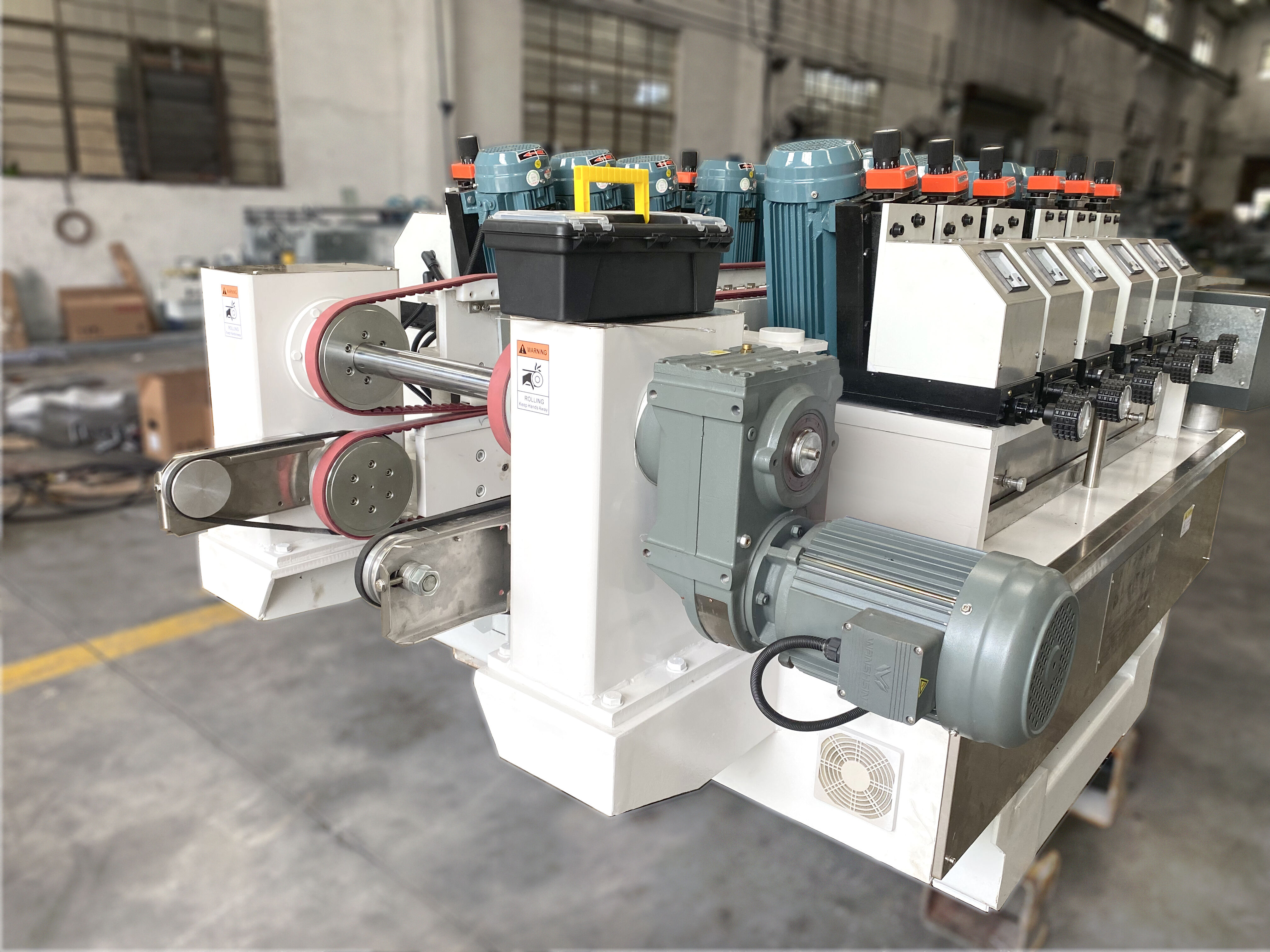
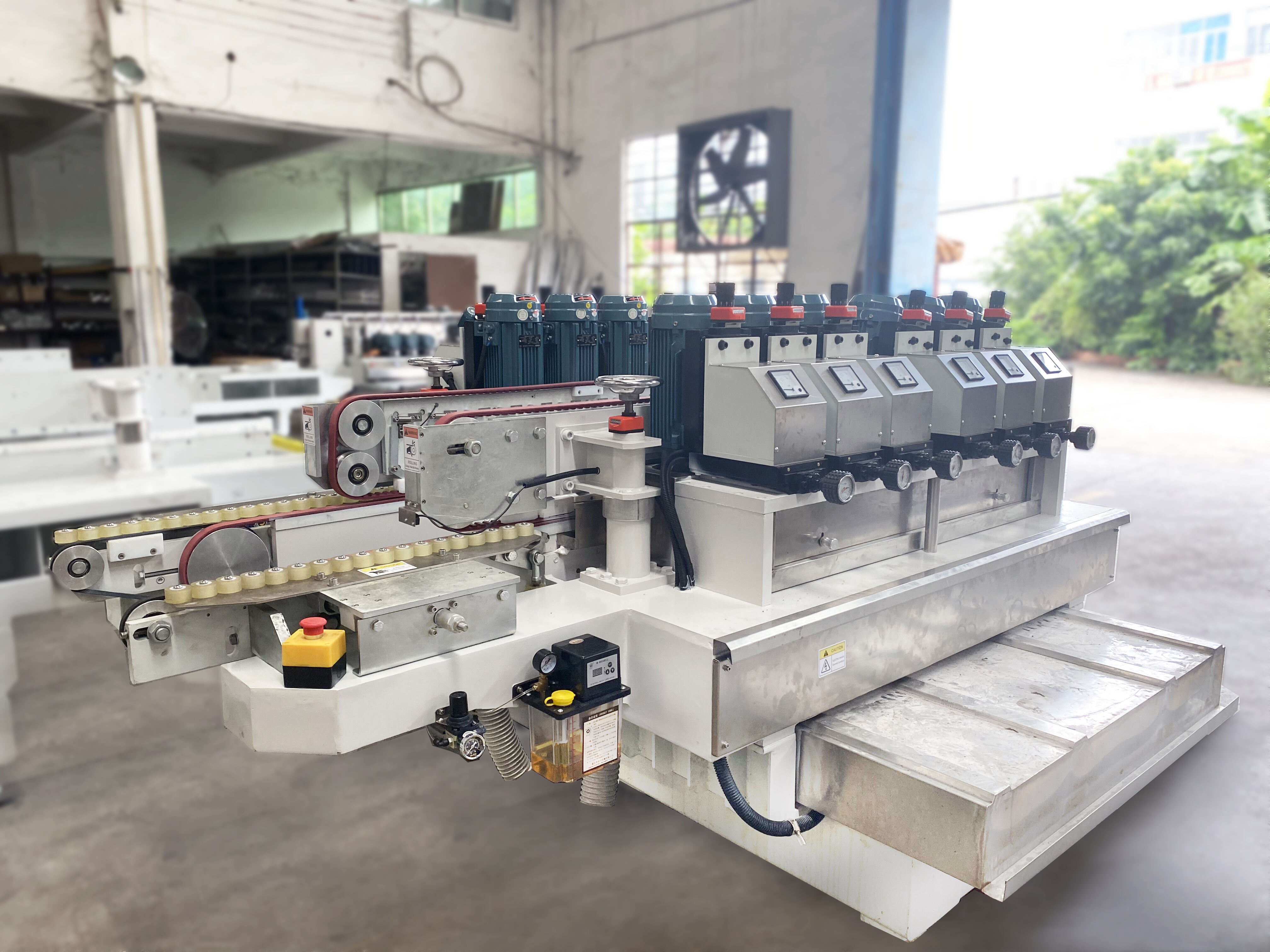
The structural foundation and precision engineering of a quality glass straight line edging machine directly determine its long-term reliability and consistent performance under demanding production conditions. The machine base is constructed from heavy-gauge welded steel or cast iron, providing the rigid platform necessary to resist vibration and deflection during high-speed processing operations. This substantial construction maintains precise alignment of all processing components even after years of continuous operation, preventing the gradual accuracy degradation that compromises edge quality in lighter-built equipment. Precision-ground linear guide rails manufactured to exacting tolerances ensure smooth, consistent glass movement through the processing stations, with sealed bearing systems protecting against contamination from grinding debris and water spray that pervade the operating environment. The grinding spindles utilize high-quality bearings rated for extended service life under the constant loads and water exposure inherent in glass edge processing, with proper sealing systems preventing premature failure that would necessitate costly repairs and production downtime. Heavy-duty motors selected for continuous operation deliver reliable power to grinding wheels and conveyor systems, with thermal protection preventing overload damage during demanding processing applications. The water circulation system incorporates corrosion-resistant materials throughout, including stainless steel tanks, brass fittings, and reinforced hoses that withstand the mildly abrasive glass slurry circulating through the system without deterioration that would lead to leaks and contamination. Modular component design facilitates maintenance and repairs, with standardized parts and accessible mounting locations allowing quick replacement of wear items like grinding wheels, polishing pads, and drive belts without extensive disassembly procedures. The powder-coated or stainless steel exterior surfaces resist corrosion in the humid environment created by continuous water usage, maintaining professional appearance while protecting underlying structures from rust that would eventually compromise structural integrity. Electrical components are housed in sealed enclosures with proper ingress protection ratings, safeguarding sensitive control electronics from moisture and dust that could cause malfunctions or safety hazards. The thoughtful engineering evident in cable routing, with protected pathways keeping electrical connections away from moving components and water spray zones, prevents the accidental damage and wear that create intermittent faults difficult to diagnose and resolve. Quality manufacturers subject their glass straight line edging machines to rigorous testing before shipment, including extended run-in periods that identify potential weak points before equipment reaches customer facilities, ensuring reliable operation from initial installation. This robust construction and precision engineering philosophy creates equipment capable of delivering years of dependable service with reasonable maintenance, protecting the substantial investment required for quality glass processing machinery while ensuring consistent production capabilities that meet delivery commitments and maintain customer satisfaction throughout the equipment lifecycle.