Fortgeschrittenes Temperatur-Management-System gewährleistet optimale Schmelzleistung
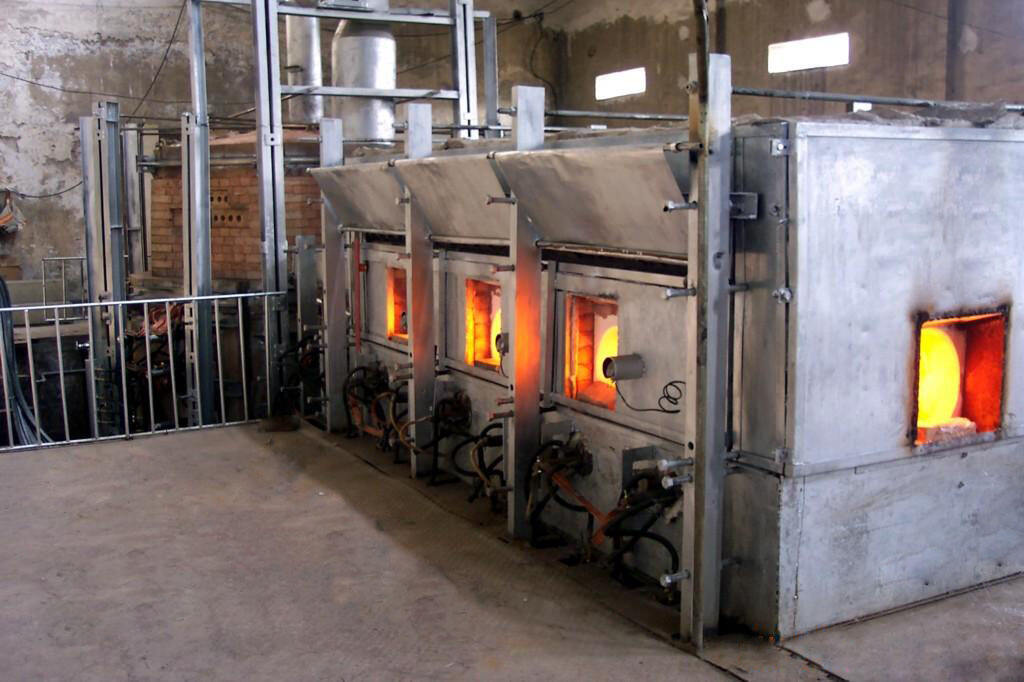
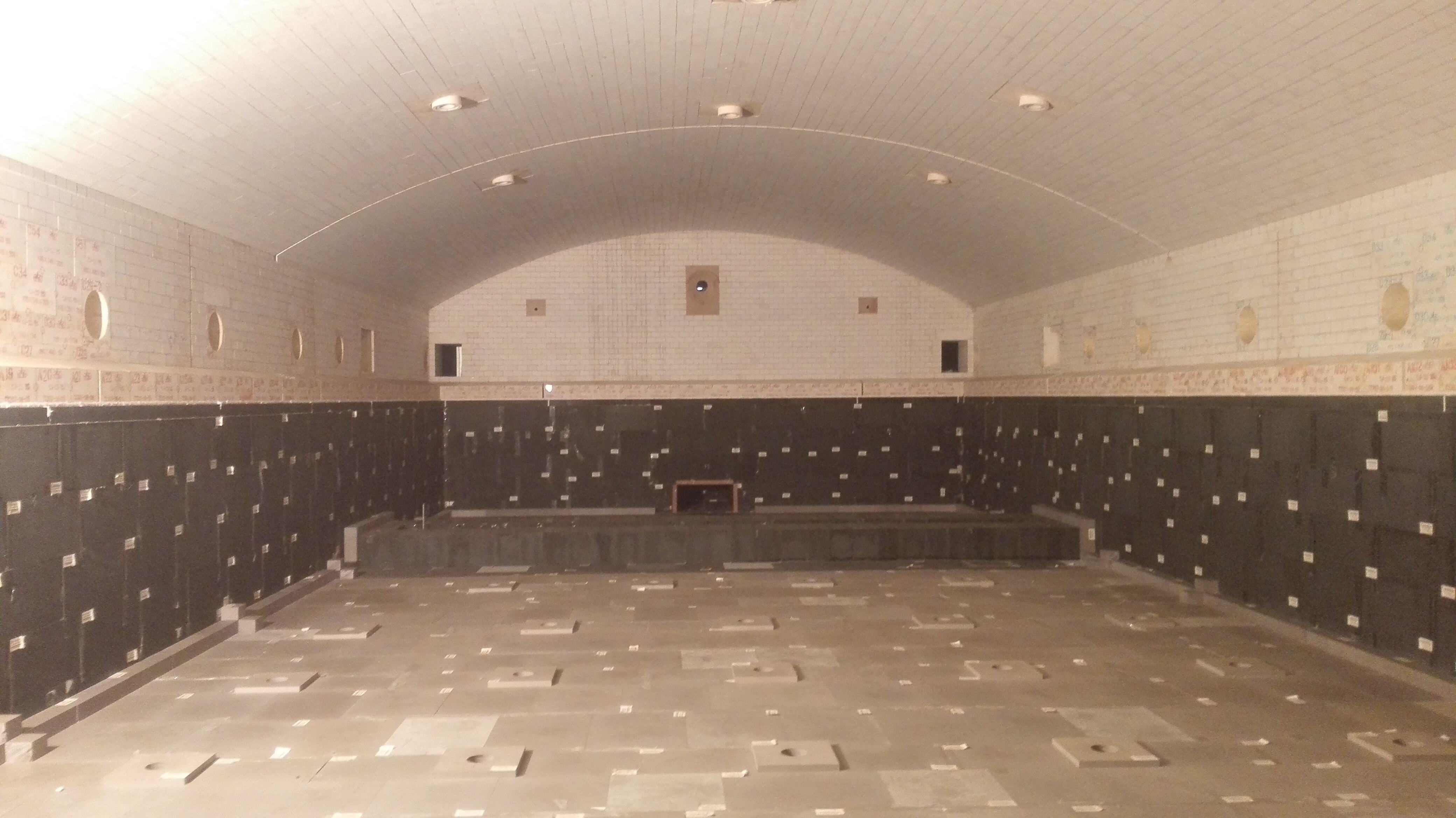
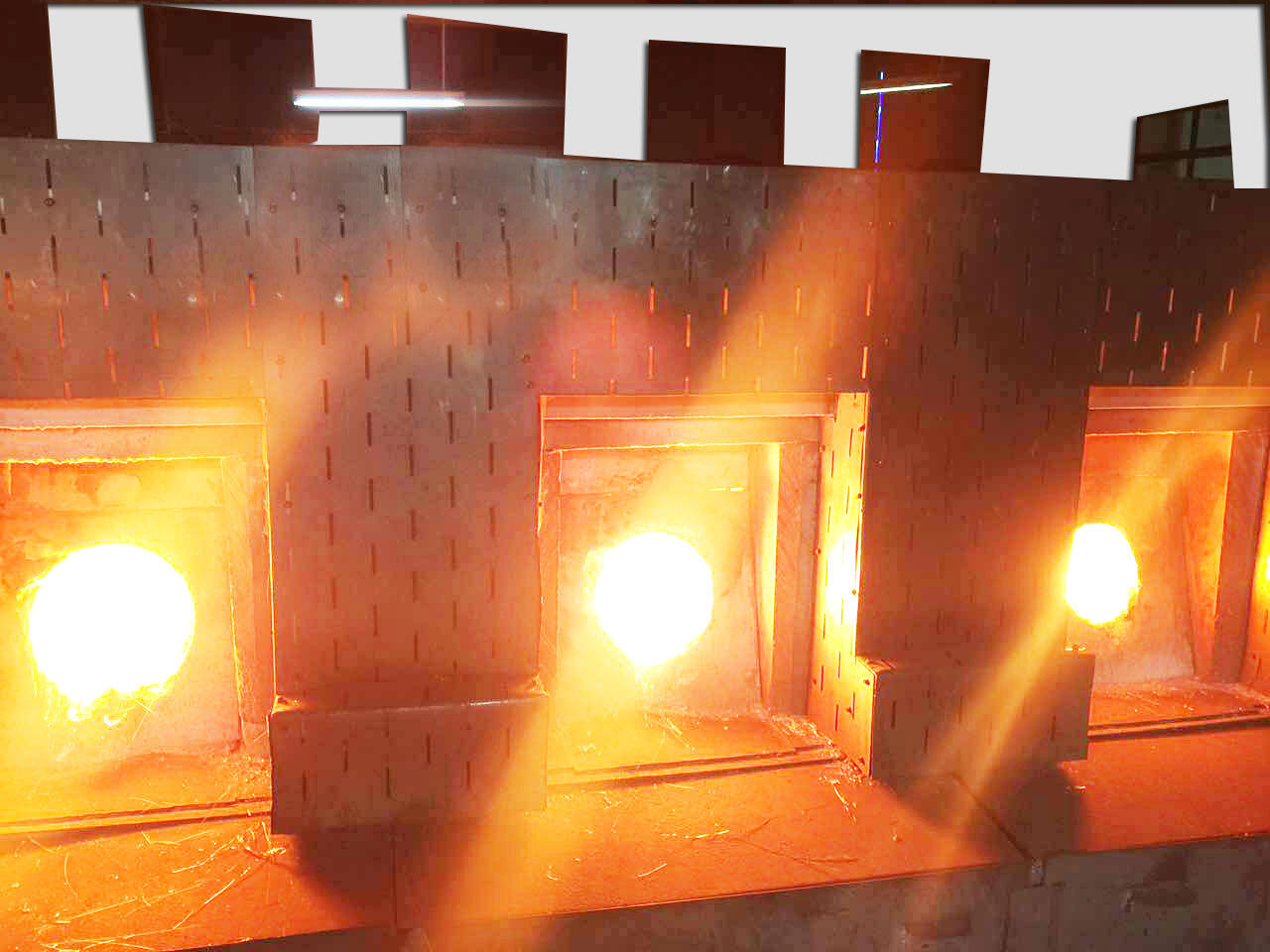
Das hochentwickelte Temperaturmanagementsystem, das in jeden Ofen zum Schmelzen von Glasflaschen integriert ist, stellt einen technologischen Durchbruch dar, der Effizienz im Betrieb und Produktqualität grundlegend verändert. Dieser umfassende Regelmechanismus nutzt mehrere Thermoelemente, die strategisch im gesamten Schmelzraum angeordnet sind, um die Wärmeverteilung kontinuierlich zu überwachen und präzise Daten an digitale Regler zu liefern, die Mikrosekunden-schnelle Anpassungen vornehmen, um ideale Bedingungen aufrechtzuerhalten. Das System berücksichtigt, dass unterschiedliche Glaszusammensetzungen spezifische thermische Profile erfordern, und passt die Heizmuster automatisch an, um Variationen bei Flaschentypen, Farben und chemischen Zusammensetzungen, die in den Ofen eintreten, zu kompensieren. Hochentwickelte Keramikfasern-Dämmung umgibt den Schmelzraum, minimiert Wärmeverluste und schafft eine stabile thermische Umgebung, die Energieverschwendung reduziert und externe Komponenten vor Beschädigung schützt. Die programmierbaren Logiksteuerungen ermöglichen es den Bedienern, individuelle Schmelzzyklen festzulegen, wobei gezielte Aufheizrampen die Temperaturen schrittweise anheben, um thermischen Schock zu vermeiden und gleichzeitig eine vollständige Verflüssigung ohne Qualitätsverlust des Glases sicherzustellen. Echtzeit-Monitoring-Anzeigen stellen umfassende Betriebsdaten dar, darunter Temperaturmesswerte aus mehreren Zonen, Kennzahlen zum Energieverbrauch sowie prognostizierte Fertigstellungstermine – dies befähigt Anlagenmanager, Produktionspläne zu optimieren und potenzielle Probleme zu erkennen, bevor sie sich zu kostspieligen Störungen ausweiten. Der Ofen zum Schmelzen von Glasflaschen verfügt über redundante Sicherheitssysteme, die die Heizung automatisch unterbrechen, sobald Temperaturen sicheren Grenzwerten überschreiten oder Lüftungssysteme ausfallen – so werden sowohl Anlage als auch Personal vor gefährlichen Bedingungen geschützt. Die Brennertechnologie innerhalb dieser Systeme nutzt sauerstoffangereicherte Verbrennungsprozesse, die höhere Temperaturen bei geringerem Brennstoffverbrauch erreichen und somit wirtschaftliche Vorteile bieten, während zugleich die Umweltbelastung durch reduzierte Emissionen verringert wird. Der Temperaturmanagementrahmen umfasst auch Nachschmelz-Regelungen zur Steuerung der Abkühlgeschwindigkeit, um Spannungsrisse im geschmolzenen Glas zu verhindern und die strukturelle Integrität sicherzustellen, wenn das Material den Ofen für nachfolgende Verarbeitungsschritte verlässt. Die Funktion zur historischen Datenaufzeichnung ermöglicht kontinuierliche Verbesserungsinitiativen, da Produktionsteams Temperaturverläufe über mehrere Schmelzzyklen analysieren, um Optimierungspotenziale zu identifizieren und betriebliche Abläufe weiter zu verfeinern. Dieses fortschrittliche Managementsystem verwandelt den Ofen zum Schmelzen von Glasflaschen im Wesentlichen von einem einfachen Heizgerät in ein intelligentes Fertigungsasset, das sich an wechselnde Bedingungen anpasst, Ressourcen optimal nutzt und konsistente Ergebnisse liefert, die den strengen Qualitätsanforderungen moderner Glasproduktionsanlagen entsprechen.
 EN
EN
 AR
AR
 BG
BG
 HR
HR
 CS
CS
 DA
DA
 NL
NL
 FI
FI
 FR
FR
 DE
DE
 EL
EL
 HI
HI
 IT
IT
 JA
JA
 KO
KO
 PL
PL
 PT
PT
 RO
RO
 RU
RU
 ES
ES
 SV
SV
 TL
TL
 IW
IW
 LV
LV
 LT
LT
 SK
SK
 SL
SL
 UK
UK
 VI
VI
 ET
ET
 HU
HU
 MT
MT
 TH
TH
 TR
TR
 FA
FA
 MS
MS
 SW
SW
 GA
GA
 AZ
AZ