Professional Double Edgers for Glass Processing - Advanced Edge Finishing Solutions

All Categories

Get a Free Quote

Our representative will contact you soon.
Email
Name
Company Name
Message
0/1000

double edgers

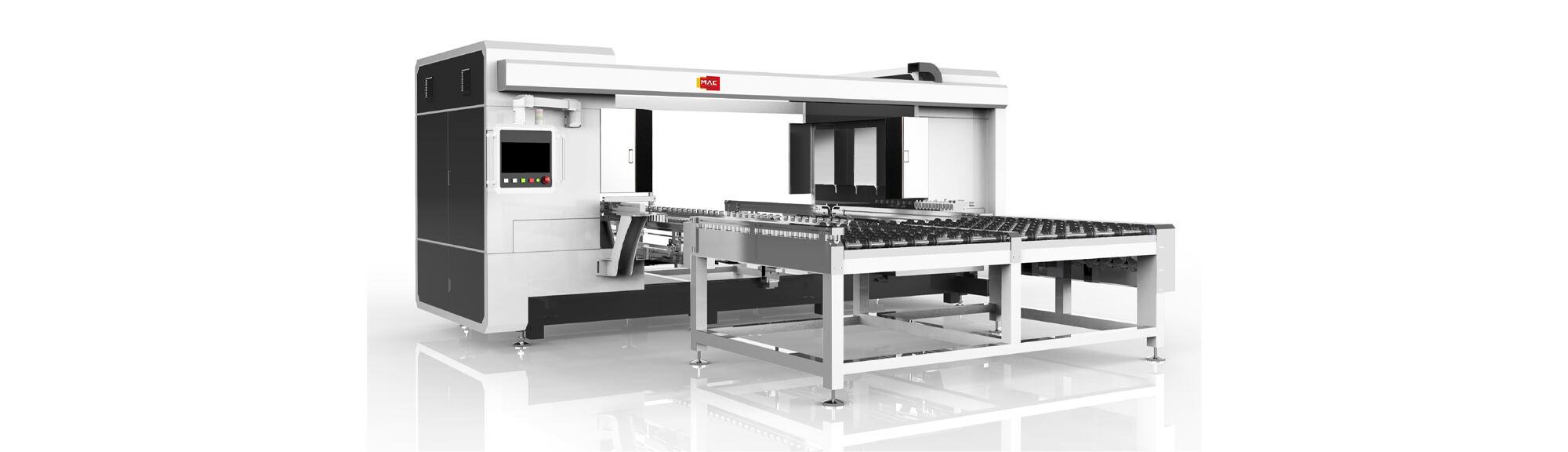
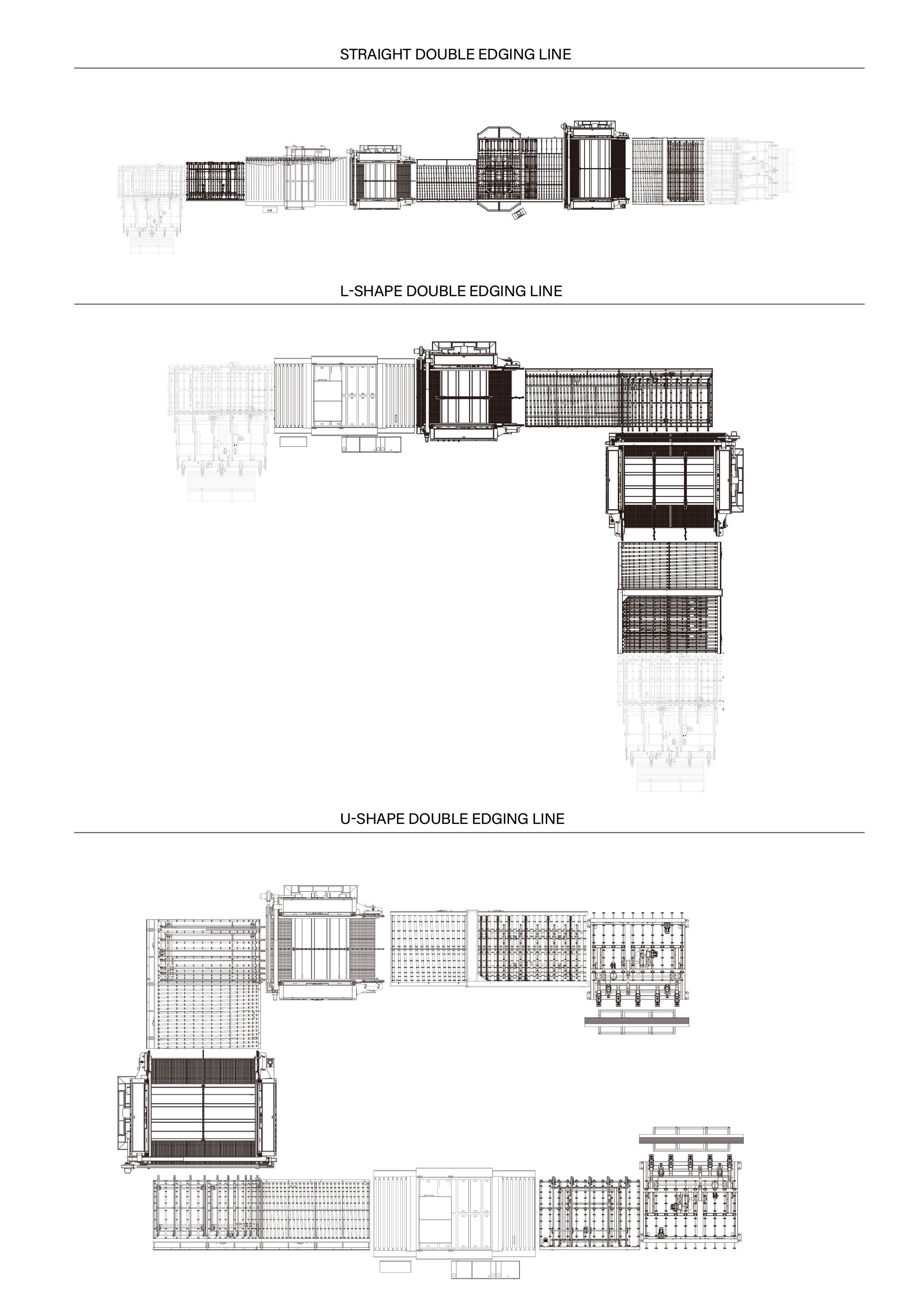
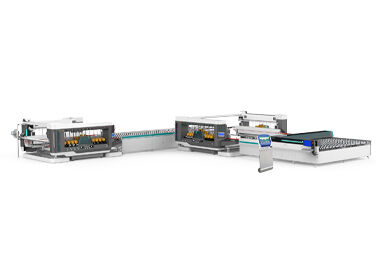
Double edgers represent a critical advancement in glass processing technology, designed specifically to deliver simultaneous edge finishing on two opposite sides of glass panels in a single operation. These sophisticated machines have transformed the glass manufacturing industry by combining precision engineering with automated control systems to achieve consistent, high-quality results. The primary function of double edgers centers on their ability to grind, polish, and finish glass edges with remarkable accuracy while maintaining production efficiency. Manufacturing facilities that process architectural glass, automotive glass, furniture components, and decorative glass applications rely heavily on double edgers to meet demanding quality standards and production schedules. The technological framework of these machines incorporates multiple grinding and polishing heads arranged in sequential stations, each performing specific operations to transform rough-cut glass edges into smooth, refined surfaces. Advanced double edgers feature computerized control panels that allow operators to program different edge profiles, adjust processing speeds, and monitor quality parameters in real-time. The conveyance system within double edgers utilizes synchronized belts and guides to transport glass panels through various processing stages while maintaining precise positioning and preventing damage to delicate surfaces. Water circulation systems integrated into double edgers serve multiple purposes, including cooling grinding wheels, removing glass particles, and preventing thermal stress during processing. Modern double edgers incorporate variable frequency drives that enable operators to adjust processing speeds according to glass thickness, hardness, and desired finish quality. The machines accommodate a wide range of glass dimensions, from small decorative pieces to large architectural panels, making them versatile solutions for diverse manufacturing requirements. Safety features built into double edgers include emergency stop mechanisms, protective enclosures, and interlock systems that prevent operation when access doors remain open, ensuring operator protection during production activities.

New Product Releases

Investing in double edgers brings substantial operational benefits that directly impact your production capabilities and bottom-line profitability. The most immediate advantage comes from processing efficiency, as these machines work on two edges simultaneously, cutting processing time in half compared to single-edge equipment and allowing you to fulfill larger orders within tighter deadlines. This time-saving capability translates into increased production capacity without requiring additional floor space or personnel, maximizing your return on investment. The consistency delivered by double edgers ensures that every glass panel meets identical quality standards, eliminating variations that can occur with manual processing methods and reducing rejection rates that waste materials and labor. Automated controls remove the guesswork from edge finishing operations, enabling even less experienced operators to produce professional results after minimal training, which addresses workforce challenges and reduces dependency on highly specialized technicians. Energy efficiency represents another significant advantage, as modern double edgers optimize power consumption through intelligent motor controls and processing algorithms that adjust operational parameters based on actual workload requirements. The precision achieved by double edgers minimizes material waste by reducing the need for rework and corrections, which protects your raw material investments and supports sustainability initiatives. Maintenance requirements remain manageable due to robust construction and accessible component design, allowing your technical staff to perform routine service tasks without extensive downtime or expensive service calls. The versatility of double edgers enables you to diversify your product offerings, processing different glass types, thicknesses, and edge profiles without investing in multiple specialized machines, which expands your market opportunities and customer base. Quality improvements achieved through double edgers enhance your reputation in the marketplace, leading to customer satisfaction, repeat business, and premium pricing opportunities that strengthen your competitive position. Labor cost reductions occur naturally as automation handles repetitive tasks previously requiring multiple workers, allowing you to reallocate human resources to higher-value activities such as quality control, customer service, and business development. The reliable performance of double edgers minimizes production disruptions and schedule delays, helping you maintain consistent delivery commitments that build trust with clients and secure long-term contracts. Noise reduction features incorporated into modern double edgers create a more comfortable working environment, supporting employee wellbeing and compliance with workplace safety regulations while reducing the need for extensive soundproofing investments.

Practical Tips

What Are the Future Trends in Intelligent Glass Sorting Systems?

24

Sep

What Are the Future Trends in Intelligent Glass Sorting Systems?

The Evolution of Advanced Glass Sorting Technology The landscape of glass recycling and processing is undergoing a remarkable transformation through intelligent glass sorting systems. These sophisticated technologies are revolutionizing how we handle...
View More
What Factors Influence Compatibility With Different Glass Sheet Sizes?

19

Dec

What Factors Influence Compatibility With Different Glass Sheet Sizes?

Glass manufacturing and processing industries face critical decisions when selecting equipment that can accommodate varying sheet dimensions. Modern fabrication facilities require versatile solutions that maintain precision across different material ...
View More
How Can Grinding Machines Enhance Surface Finish and Dimensional Accuracy?

19

Dec

How Can Grinding Machines Enhance Surface Finish and Dimensional Accuracy?

Manufacturing precision has reached unprecedented levels in modern industrial applications, where surface finish quality and dimensional accuracy determine product performance and market competitiveness. Advanced grinding machines represent the corne...
View More
What Should Manufacturers Consider When Selecting Equipment for Insulating Glass Production?

19

Dec

What Should Manufacturers Consider When Selecting Equipment for Insulating Glass Production?

Modern insulating glass manufacturing demands precision, efficiency, and cutting-edge technology to meet the growing requirements of energy-efficient building construction. Selecting the right equipment for insulating glass production involves carefu...
View More

Get a Free Quote

Our representative will contact you soon.
Email
Name
Company Name
Message
0/1000

double edgers

Advanced Dual-Side Processing Technology

Advanced Dual-Side Processing Technology

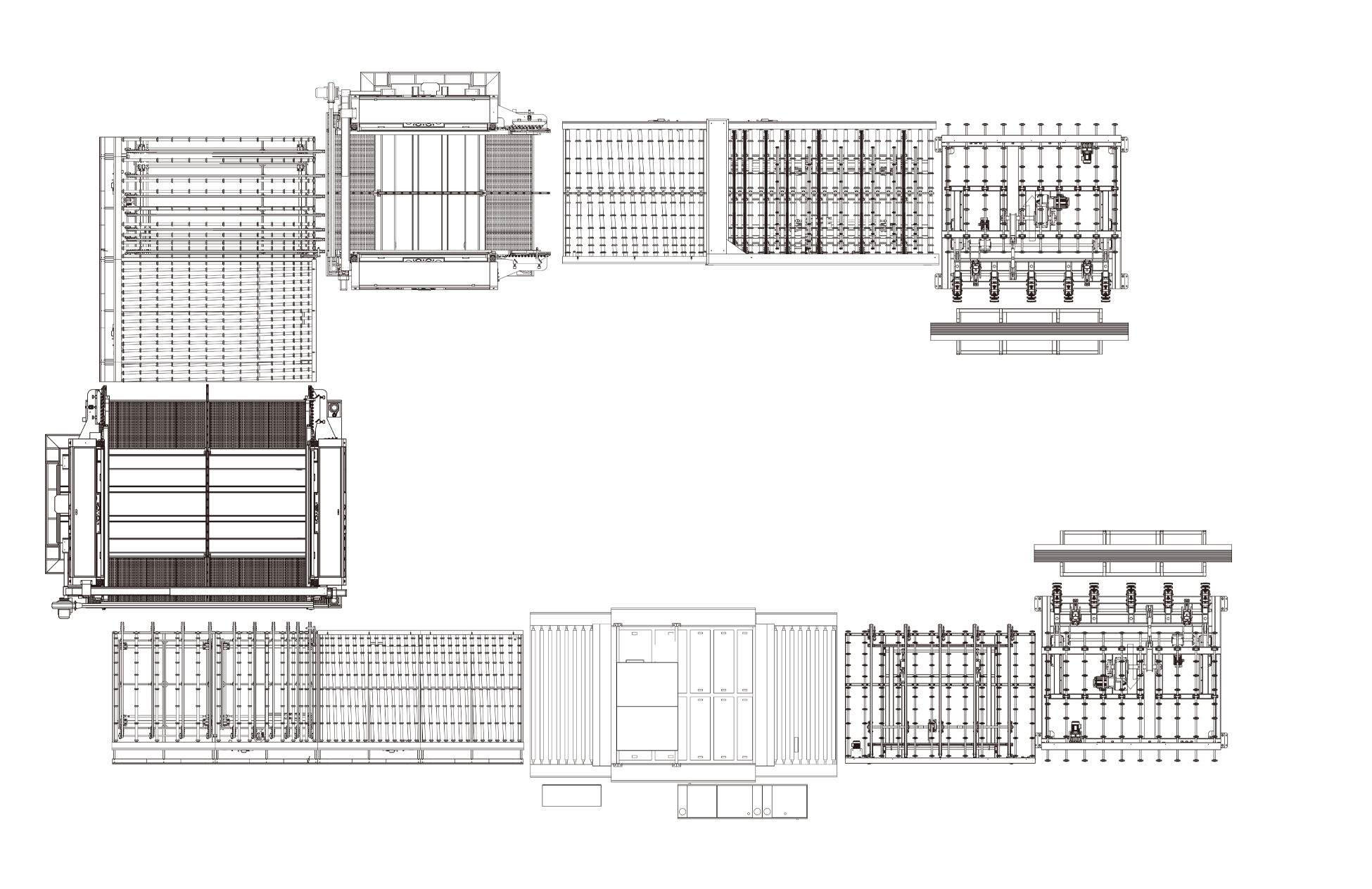
The cornerstone feature that distinguishes double edgers from conventional glass processing equipment lies in their sophisticated dual-side processing capability, which fundamentally transforms production workflows and operational economics. This innovative approach employs mirror-image grinding and polishing configurations positioned on opposite sides of the glass panel pathway, enabling simultaneous edge treatment that delivers exceptional productivity gains. The engineering behind this dual-side system requires precise mechanical synchronization to ensure that grinding pressures, wheel speeds, and processing angles remain perfectly matched across both edges, preventing uneven finishing that would compromise glass quality and structural integrity. Manufacturers integrate advanced servo motor systems and feedback sensors that continuously monitor processing conditions on each side, making real-time adjustments to maintain symmetrical finishing even when encountering variations in glass properties or slight dimensional inconsistencies. The practical value of this technology becomes evident when calculating production throughput, as facilities can process twice the linear footage of finished edges within the same operational timeframe compared to single-side equipment, effectively doubling capacity without proportional increases in labor, energy, or facility costs. This capability proves especially valuable for high-volume production environments processing standard architectural glass sizes, where consistency and speed determine profitability and competitive positioning. The dual-side configuration also contributes to improved glass stability during processing, as balanced pressure application from opposing sides reduces vibration and movement that can lead to edge chipping or surface scratching. Quality assurance benefits emerge from this symmetrical processing approach, as both edges receive identical treatment protocols, eliminating the quality variations that can occur when panels must be manually repositioned for second-edge processing. Installation flexibility represents another practical advantage, as the compact footprint of dual-side processing reduces the linear floor space requirements compared to installing separate machines or longer single-side conveyance systems, which matters greatly in facilities facing space constraints or expansion costs. The technology accommodates various edge profile requirements, from simple flat polishing to decorative bevels and specialized architectural profiles, maintaining dual-side synchronization across different finishing specifications through programmable control systems that store unlimited profile recipes.
Intelligent Automation and Control Systems

Intelligent Automation and Control Systems

Modern double edgers incorporate sophisticated automation and control systems that elevate glass processing from a skill-dependent craft to a precisely managed manufacturing operation, delivering consistency, efficiency, and quality that manual methods cannot match. The human-machine interface typically features touchscreen controls with intuitive graphical displays that allow operators to program processing parameters, select stored recipes, monitor real-time production status, and access diagnostic information without requiring advanced technical training or programming knowledge. Behind this user-friendly interface operates powerful industrial computing systems that coordinate multiple operational variables simultaneously, including conveyance speed, grinding wheel rotation rates, coolant flow volumes, processing pressure application, and sequential station activation, ensuring optimal conditions throughout each processing cycle. Recipe management capabilities enable facilities to store unlimited processing programs for different glass types, thicknesses, and edge profiles, allowing rapid changeovers between production runs without time-consuming manual adjustments or trial-and-error testing that wastes materials and production time. Sensor integration throughout double edgers provides continuous feedback about critical operational parameters, detecting conditions such as grinding wheel wear, coolant temperature fluctuations, glass positioning accuracy, and motor performance characteristics, enabling predictive maintenance strategies that prevent unexpected failures and costly production interruptions. The automation system manages the sequential activation of multiple grinding and polishing stations, coordinating the progression from coarse grinding through intermediate smoothing to final polishing stages, ensuring that each operation completes properly before advancing glass panels to subsequent stations. Safety interlocks programmed into the control system prevent equipment operation when protective covers remain open, emergency stops have been activated, or operational parameters fall outside safe ranges, protecting both personnel and equipment from damage. Data logging capabilities embedded in advanced control systems record production statistics, quality metrics, maintenance events, and operational efficiency indicators, providing management with valuable information for process optimization, capacity planning, and performance analysis. Remote connectivity options available in contemporary double edgers enable technical support personnel to access control systems for diagnostic troubleshooting, parameter adjustment, and software updates without requiring on-site visits, reducing service response times and minimizing production disruptions. The automation reduces operator fatigue and human error by handling repetitive monitoring and adjustment tasks that previously required constant attention, allowing personnel to focus on quality verification, material handling, and production coordination activities that add greater value to manufacturing operations.
Versatile Processing Capabilities for Multiple Applications

Versatile Processing Capabilities for Multiple Applications

The exceptional versatility built into double edgers enables glass processing facilities to serve diverse market segments and application requirements with a single equipment investment, maximizing asset utilization and return while minimizing capital expenditure compared to maintaining multiple specialized machines. This adaptability stems from adjustable mechanical components, programmable control parameters, and modular tooling systems that accommodate wide-ranging glass specifications without requiring extensive reconfiguration or prolonged changeover procedures. Thickness capacity represents a fundamental dimension of versatility, with industrial double edgers typically processing glass ranging from thin 3-millimeter decorative panels to thick 25-millimeter architectural or safety glass, adjusting pressure application and processing speeds automatically based on programmed specifications. Width flexibility allows these machines to handle narrow strips for furniture applications alongside full-size architectural panels exceeding two meters in width, utilizing adjustable guide systems and conveyance components that reposition to match workpiece dimensions. Edge profile variety expands production possibilities beyond simple straight polishing to include beveled edges, chamfered corners, decorative profiles, and specialized architectural details, achieved through interchangeable grinding wheels and programmable positioning controls that execute precise movements according to stored recipes. Material compatibility extends beyond standard float glass to encompass tempered glass, laminated glass, low-iron glass, tinted glass, and coated glass products, each requiring specific processing parameters that double edgers accommodate through adjustable settings and appropriate tooling selections. Application diversity enabled by this versatility spans architectural glazing for commercial buildings, residential window and door components, automotive glass elements, furniture glass for tables and shelving, decorative glass for interior design applications, and specialty glass for electronics or appliance manufacturing. The economic advantage of this multi-application capability becomes apparent when calculating equipment utilization rates, as facilities can maintain consistent production schedules across different product lines rather than experiencing idle time when specialized equipment sits unused between limited production runs. Market responsiveness improves dramatically when manufacturing facilities can accept diverse customer requirements without declining orders that fall outside current equipment capabilities, expanding revenue opportunities and competitive positioning. The versatility also provides strategic flexibility for business growth and diversification, enabling companies to enter new market segments or respond to industry trends without major capital investments in additional processing equipment, reducing financial risk associated with market exploration and product development initiatives.