Intelligente automatiserings- en besturingssystemen
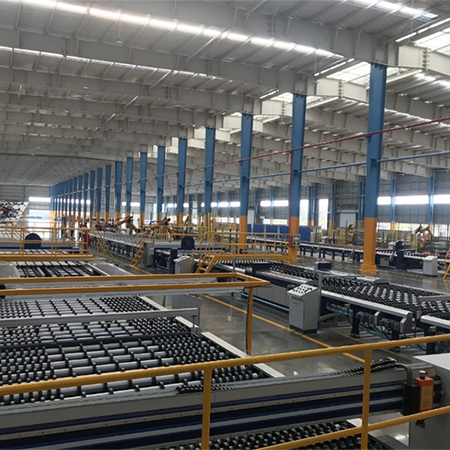
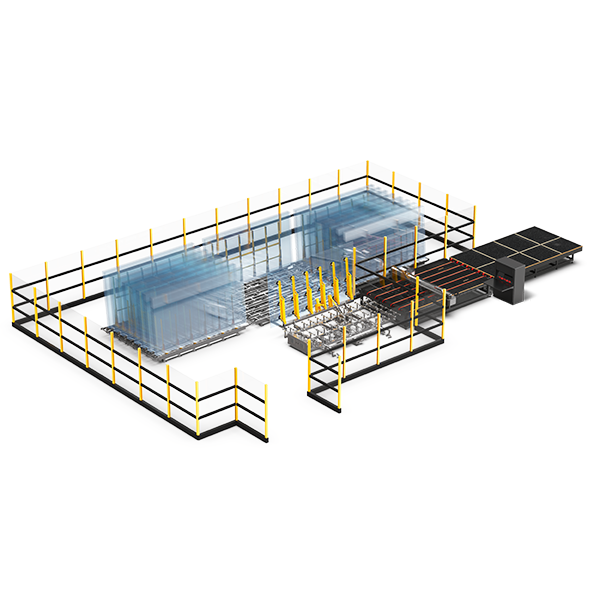
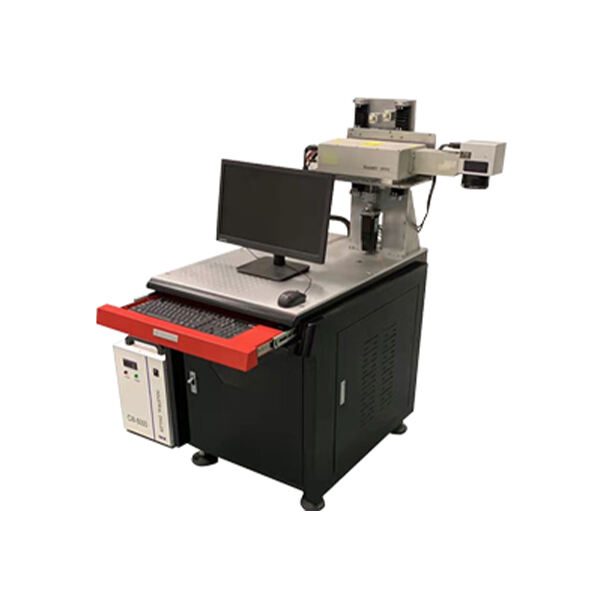
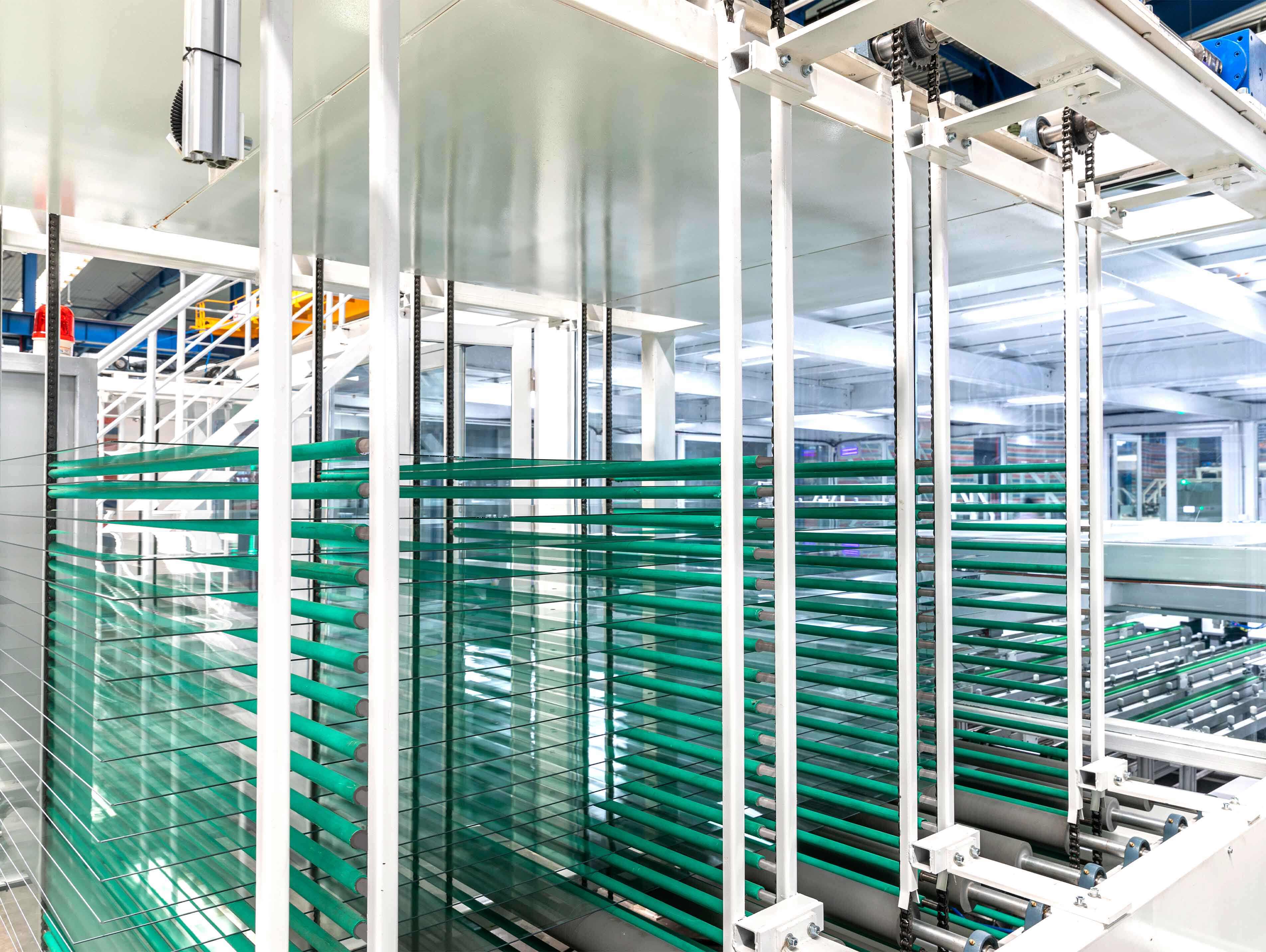
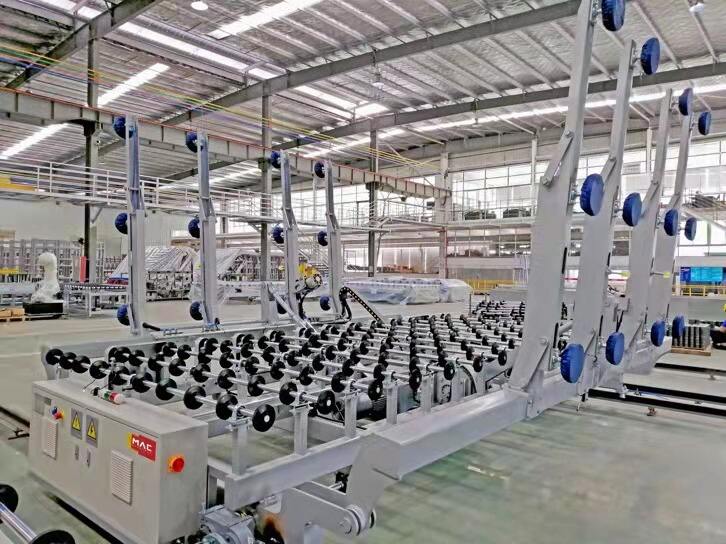
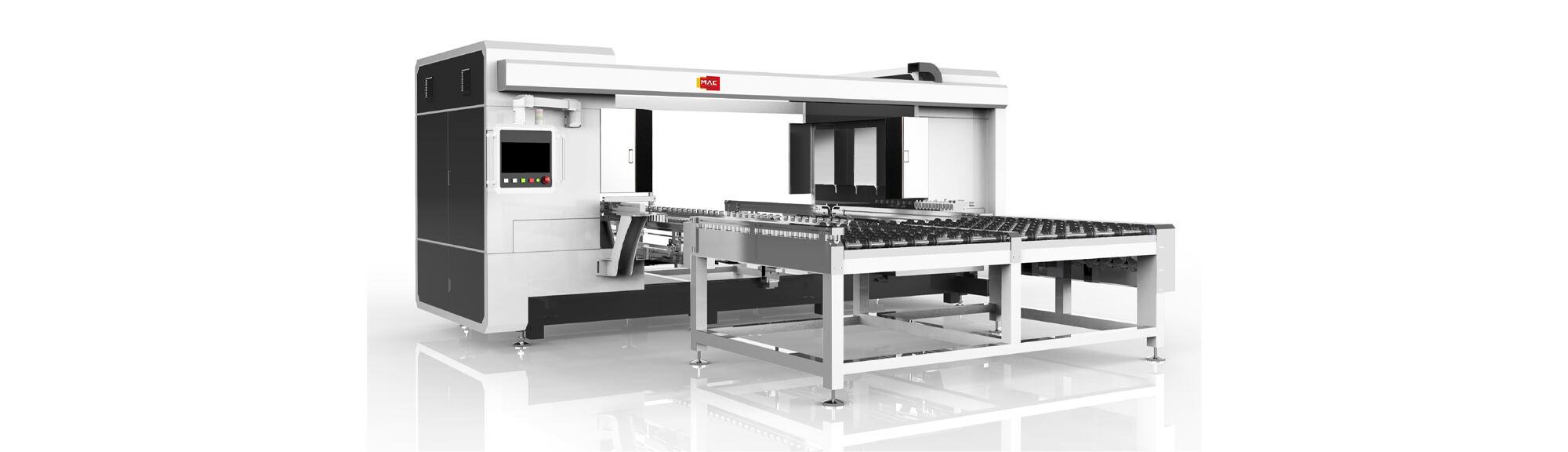
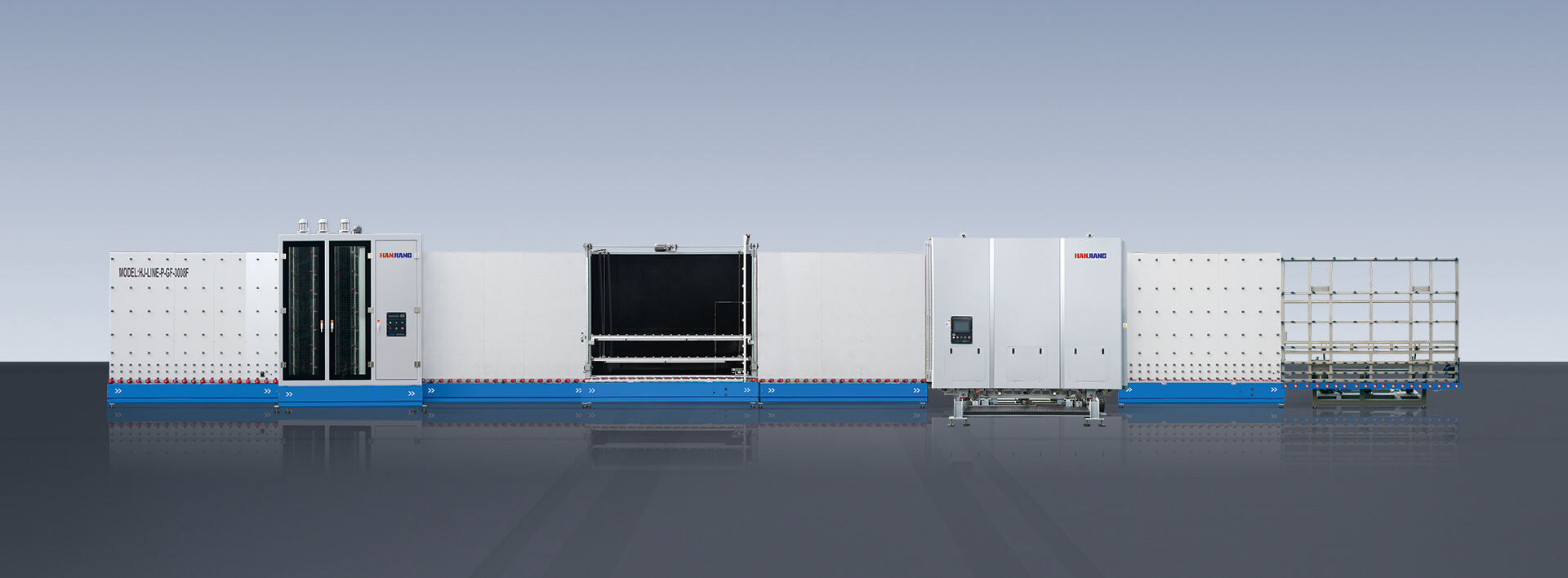
Moderne dubbele slijpmachines zijn uitgerust met geavanceerde automatiserings- en besturingssystemen die glasbewerking transformeren van een vaardigheidsafhankelijke ambachtelijke handeling naar een nauwkeurig beheerde productieoperatie, waardoor consistentie, efficiëntie en kwaliteit worden geboden die handmatige methoden niet kunnen evenaren. De mens-machine-interface is meestal voorzien van aanraakschermbediening met intuïtieve grafische weergaven, waarmee operators de bewerkingsparameters kunnen programmeren, opgeslagen recepten kunnen selecteren, de real-time productiestatus kunnen volgen en toegang kunnen krijgen tot diagnose-informatie, zonder dat daarvoor geavanceerde technische opleiding of programmeerkennis vereist is. Achter deze gebruiksvriendelijke interface functioneren krachtige industriële computersystemen die meerdere operationele variabelen gelijktijdig coördineren, waaronder transportband-snelheid, rotatiesnelheid van de slijpschijven, koelvloeistofdoorstroming, toepassing van slijpdruk en activering van opeenvolgende stations, om optimale omstandigheden te garanderen gedurende elke bewerkingscyclus. Dankzij de receptbeheerfunctionaliteit kunnen installaties onbeperkt bewerkingsprogramma’s opslaan voor verschillende glassoorten, diktes en randprofielen, wat snelle wisselingen tussen productieruns mogelijk maakt zonder tijdrovende handmatige aanpassingen of proef-en-fouttesten die materiaal en productietijd verspillen. Sensorintegratie in de gehele dubbele slijpmachine zorgt voor continue feedback over kritieke operationele parameters, zoals slijpschijfversleten, temperatuurschommelingen van de koelvloeistof, nauwkeurigheid van de glaspositie en kenmerken van motorprestaties, waardoor voorspellend onderhoud mogelijk wordt om onverwachte storingen en kostbare productieonderbrekingen te voorkomen. Het automatiseringssysteem beheert de opeenvolgende activering van meerdere slijp- en polijststations en coördineert de voortgang van grof slijpen via intermediair gladmaken naar de eindpolijstfase, zodat elke bewerking correct is voltooid voordat de glaspanelen naar het volgende station worden doorgeschoven. Veiligheidsvergrendelingen die in het besturingssysteem zijn geprogrammeerd, voorkomen dat de apparatuur in werking treedt wanneer beschermde afdekkingen openstaan, noodstops zijn geactiveerd of operationele parameters buiten veilige bereiken vallen, waardoor zowel personeel als apparatuur worden beschermd tegen schade. De in geavanceerde besturingssystemen ingebouwde gegevensregistratiecapaciteit registreert productiestatistieken, kwaliteitsmetingen, onderhoudsgebeurtenissen en indicatoren voor operationele efficiëntie, en levert daarmee waardevolle informatie aan management voor procesoptimalisatie, capaciteitsplanning en prestatieanalyse. De opties voor externe connectiviteit die beschikbaar zijn in moderne dubbele slijpmachines stellen technisch ondersteunend personeel in staat om toegang te krijgen tot de besturingssystemen voor diagnose, probleemoplossing, parameteraanpassing en software-updates, zonder dat hiervoor een bezoek ter plaatse nodig is; dit verkort de reactietijd bij serviceverzoeken en minimaliseert productieonderbrekingen. De automatisering vermindert vermoeidheid en menselijke fouten bij operators door herhaaldelijk optredende bewakings- en aanpassingstaken over te nemen die eerder constante aandacht vergden, zodat personeel zich kan concentreren op kwaliteitscontrole, materiaalhantering en productiecoördinatie — activiteiten die meer toegevoegde waarde bieden aan de productieprocessen.
 EN
EN
 AR
AR
 BG
BG
 HR
HR
 CS
CS
 DA
DA
 NL
NL
 FI
FI
 FR
FR
 DE
DE
 EL
EL
 HI
HI
 IT
IT
 JA
JA
 KO
KO
 PL
PL
 PT
PT
 RO
RO
 RU
RU
 ES
ES
 SV
SV
 TL
TL
 IW
IW
 LV
LV
 LT
LT
 SK
SK
 SL
SL
 UK
UK
 VI
VI
 ET
ET
 HU
HU
 MT
MT
 TH
TH
 TR
TR
 FA
FA
 MS
MS
 SW
SW
 GA
GA
 AZ
AZ