Professional Kiln For Melting Glass Bottles - Efficient Recycling Solutions

All Categories

Get a Free Quote

Our representative will contact you soon.
Email
Name
Company Name
Message
0/1000

kiln for melting glass bottles

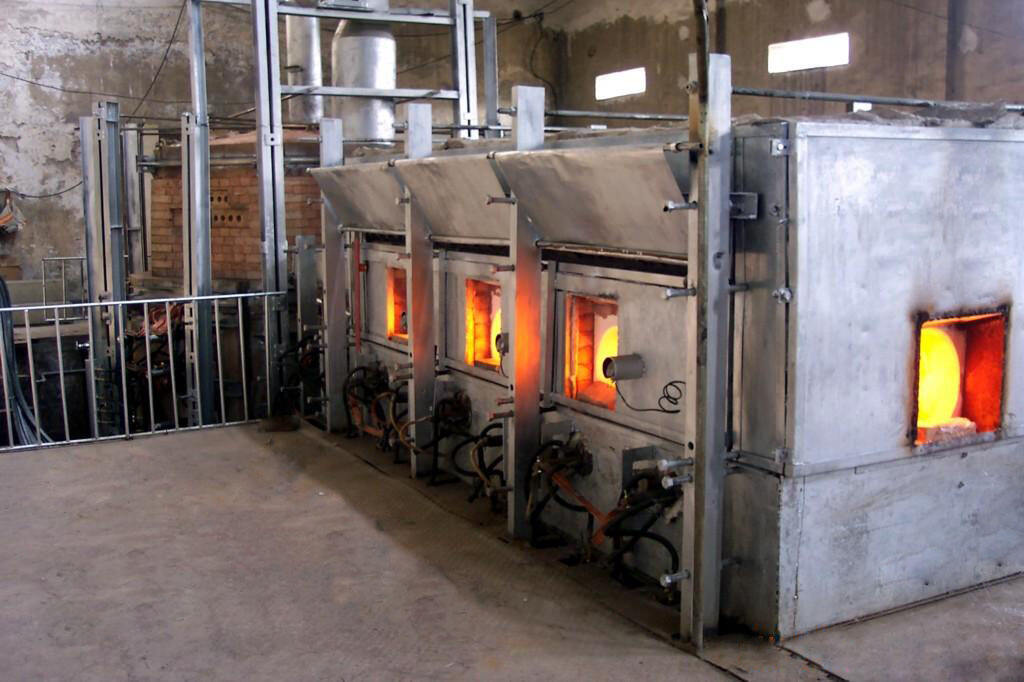
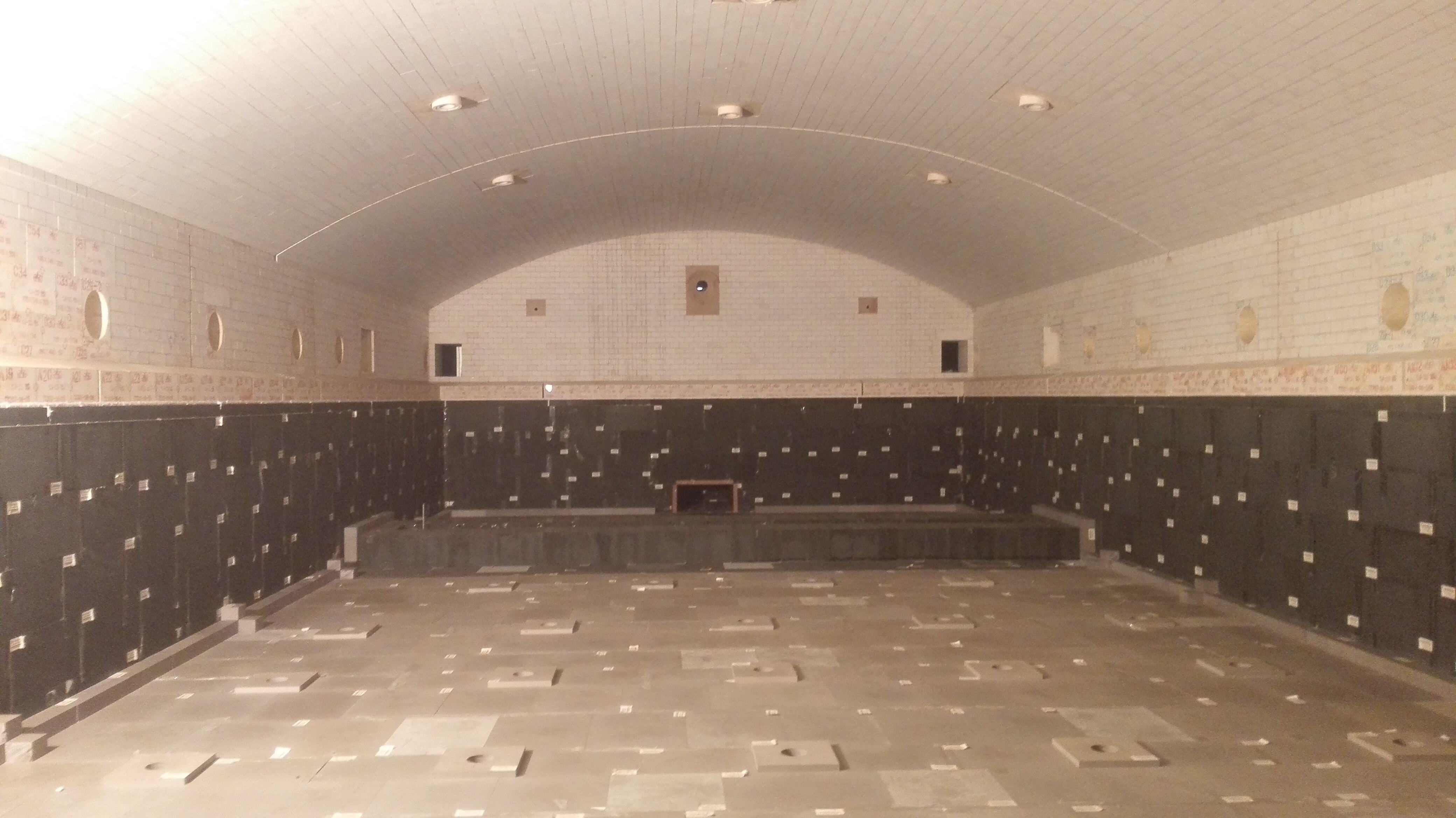
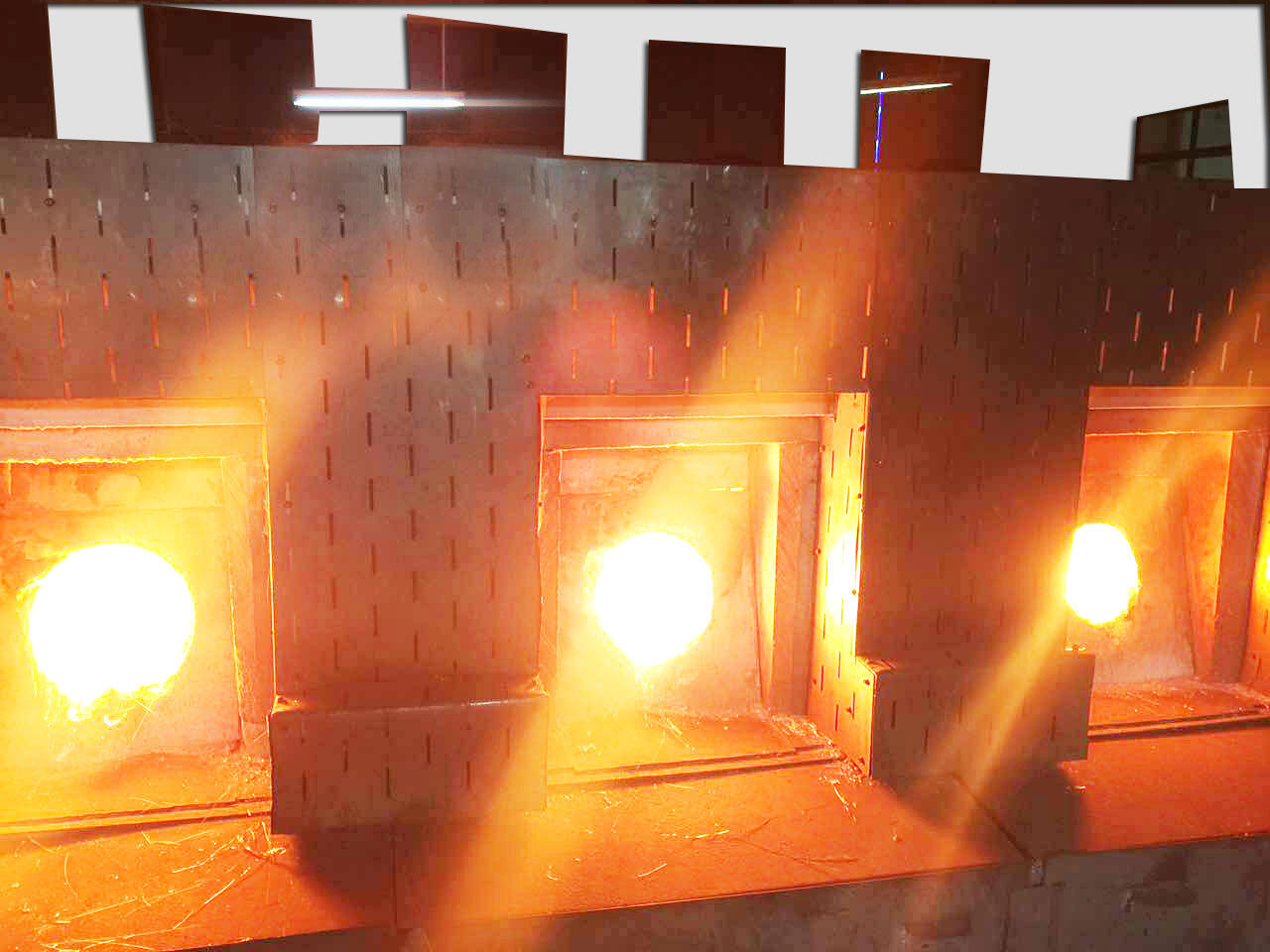
A kiln for melting glass bottles represents an essential industrial furnace designed specifically to transform used or waste glass bottles into molten material for recycling and repurposing. This specialized equipment operates at extremely high temperatures, typically ranging from 1400 to 1600 degrees Celsius, sufficient to completely liquefy glass and prepare it for reformation into new products. The primary function of a kiln for melting glass bottles involves breaking down the molecular structure of glass containers through controlled heating processes, allowing manufacturers to recycle materials efficiently while reducing environmental impact. Modern kilns incorporate advanced temperature control systems, energy-efficient heating elements, and automated feeding mechanisms that streamline the entire melting operation. The technological features of these furnaces include refractory lining materials capable of withstanding prolonged exposure to extreme heat, sophisticated burner systems that ensure uniform temperature distribution throughout the melting chamber, and exhaust systems designed to manage emissions effectively. Applications for a kiln for melting glass bottles span across various industries, including glass manufacturing facilities that produce new bottles and containers, recycling plants dedicated to processing post-consumer glass waste, and specialized workshops creating artistic glasswork or custom glass products. The equipment proves invaluable for businesses seeking sustainable manufacturing solutions, as it enables complete circular economy practices within glass production cycles. Contemporary designs feature modular construction allowing for capacity adjustments based on production demands, while digital monitoring systems provide real-time data on temperature profiles, energy consumption, and operational efficiency. The kiln for melting glass bottles serves as a cornerstone technology for companies committed to environmental responsibility, waste reduction, and resource conservation, transforming discarded containers into valuable raw materials that re-enter production streams without quality degradation.

New Product Recommendations

Investing in a kiln for melting glass bottles delivers substantial cost savings for manufacturers by eliminating dependency on virgin raw materials and reducing procurement expenses significantly. Companies operating these furnaces report decreased material costs of up to forty percent compared to purchasing new glass feedstock, as recycled bottles provide an abundant and economical alternative. The environmental advantages prove equally compelling, as each ton of glass melted and recycled prevents approximately one ton of raw materials from being extracted from natural resources, simultaneously reducing carbon emissions associated with mining and transportation. Energy efficiency stands as another critical benefit, with modern kilns incorporating heat recovery systems that capture and reuse thermal energy, lowering overall fuel consumption and operational costs. The kiln for melting glass bottles enables businesses to establish localized production capabilities, reducing transportation requirements and associated expenses while shortening supply chain timelines. Quality control improves dramatically when manufacturers control their own melting processes, as they can adjust composition, remove contaminants, and ensure consistency throughout production runs. The equipment supports diverse product development opportunities, allowing companies to experiment with different glass formulations, colors, and characteristics without committing to large-scale material purchases. Regulatory compliance becomes simpler when operating a kiln for melting glass bottles, as many jurisdictions offer tax incentives, grants, and preferential treatment to businesses demonstrating commitment to recycling and sustainable practices. Operational flexibility represents another significant advantage, with capacity to process various bottle types, colors, and sizes without extensive reconfiguration or downtime. The technology contributes to corporate reputation enhancement, as consumers increasingly favor brands demonstrating environmental stewardship and circular economy participation. Production scheduling gains flexibility since manufacturers maintain control over material availability rather than depending on external suppliers with varying delivery schedules. The kiln for melting glass bottles generates additional revenue streams through accepting recycling contracts from municipal waste management programs or commercial beverage companies seeking responsible disposal solutions. Worker safety improves with contemporary automated systems that minimize manual handling of materials and reduce exposure to hazardous conditions. Long-term return on investment calculations consistently favor kiln ownership, with equipment typically achieving payback within three to five years through combined savings on materials, waste disposal fees, and energy costs while simultaneously increasing production capacity and market competitiveness.

Practical Tips

How Does a Glass Sorting System Integrate with Other Glass Lines?

24

Sep

How Does a Glass Sorting System Integrate with Other Glass Lines?

Seamless Integration of Modern Glass Sorting Technologies The integration of a glass sorting system into existing production lines represents a significant advancement in glass manufacturing and recycling operations. These sophisticated systems utili...
View More
How to Optimize Production Settings in a Hub Glass Furnace?

24

Nov

How to Optimize Production Settings in a Hub Glass Furnace?

Glass manufacturing represents one of the most energy-intensive industrial processes, requiring precise control of temperature, atmosphere, and raw material flow to achieve optimal production efficiency. Modern hub glass furnace systems have evolved ...
View More
How Can Grinding Machines Enhance Surface Finish and Dimensional Accuracy?

19

Dec

How Can Grinding Machines Enhance Surface Finish and Dimensional Accuracy?

Manufacturing precision has reached unprecedented levels in modern industrial applications, where surface finish quality and dimensional accuracy determine product performance and market competitiveness. Advanced grinding machines represent the corne...
View More
Why Is Automated Insulating Glass Production Increasing in Large Factories?

19

Dec

Why Is Automated Insulating Glass Production Increasing in Large Factories?

The construction and manufacturing industries are experiencing a significant shift toward automation, with automated insulating glass production leading this transformation in large-scale factories. This evolution represents more than just technologi...
View More

Get a Free Quote

Our representative will contact you soon.
Email
Name
Company Name
Message
0/1000

kiln for melting glass bottles

Advanced Temperature Management System Ensures Optimal Melting Performance

Advanced Temperature Management System Ensures Optimal Melting Performance

The sophisticated temperature management system integrated into every kiln for melting glass bottles represents a technological breakthrough that fundamentally transforms operational efficiency and product quality. This comprehensive control mechanism employs multiple thermocouples strategically positioned throughout the melting chamber, continuously monitoring heat distribution and providing precise data to digital controllers that make microsecond adjustments to maintain ideal conditions. The system recognizes that different glass compositions require specific thermal profiles, automatically adapting heating patterns to accommodate variations in bottle types, colors, and chemical compositions entering the furnace. Advanced ceramic fiber insulation surrounds the melting chamber, minimizing heat loss and creating a stable thermal environment that reduces energy waste while protecting external components from damage. The programmable logic controllers allow operators to establish custom melting schedules, creating heating ramps that gradually elevate temperatures to prevent thermal shock while ensuring complete liquefaction without degrading glass quality. Real-time monitoring displays present comprehensive operational data, including temperature readings from multiple zones, energy consumption metrics, and projected completion times, empowering facility managers to optimize production schedules and identify potential issues before they escalate into costly problems. The kiln for melting glass bottles incorporates redundant safety systems that automatically interrupt heating if temperatures exceed safe parameters or if ventilation systems malfunction, protecting both equipment and personnel from dangerous conditions. Burner technology within these systems utilizes oxygen-enriched combustion processes that achieve higher temperatures with lower fuel consumption, delivering economic benefits while reducing environmental impact through decreased emissions. The temperature management framework includes post-melting controls that regulate cooling rates, preventing stress fractures in the molten glass and ensuring structural integrity when material exits the furnace for subsequent processing. Historical data logging capabilities enable continuous improvement initiatives, as production teams analyze temperature patterns across multiple melting cycles to identify optimization opportunities and refine operational protocols. This advanced management system essentially transforms the kiln for melting glass bottles from a simple heating device into an intelligent manufacturing asset that adapts to changing conditions, maximizes resource utilization, and delivers consistent results that meet stringent quality standards demanded by modern glass production facilities.
Comprehensive Material Processing Capability Handles Diverse Glass Sources

Comprehensive Material Processing Capability Handles Diverse Glass Sources

The exceptional material processing versatility built into modern kilns for melting glass bottles addresses one of the most significant challenges facing recycling operations and glass manufacturers: accommodating the tremendous variety in bottle compositions, colors, and contamination levels found in waste streams and recycled materials. This comprehensive capability begins with robust feeding systems designed to accept bottles in various conditions, whether intact, crushed, or mixed with minor contaminants, eliminating the need for extensive pre-processing that increases operational costs and complexity. The kiln for melting glass bottles incorporates specialized crushing mechanisms that reduce whole bottles to optimal fragment sizes, increasing surface area exposure to heat and accelerating melting processes while ensuring uniform material distribution throughout the furnace chamber. Multi-zone heating architecture within the furnace allows different sections to operate at varying temperatures simultaneously, enabling operators to process multiple glass types with distinct melting points during the same production cycle, maximizing throughput and operational efficiency. Advanced filtration systems integrated into the exhaust pathway capture particulate emissions and vaporized contaminants released during melting, ensuring environmental compliance while preventing recontamination of the purified molten glass. The equipment handles colored glass bottles without requiring segregation by hue, as specialized stirring mechanisms homogenize the melt to create consistent coloration or blend different shades according to production requirements. Chemical analysis capabilities built into premium systems allow real-time assessment of glass composition, enabling operators to introduce additives that adjust properties such as viscosity, clarity, or thermal expansion characteristics to meet specific application requirements. The kiln for melting glass bottles processes materials containing paper labels, adhesive residues, and minor plastic components without preliminary removal, as these organic materials combust during initial heating stages, leaving only purified glass for melting. Capacity scaling features enable facilities to adjust processing volumes based on material availability and production demands, operating efficiently whether handling small artisanal batches or continuous high-volume industrial streams. The system accommodates specialty glass types including borosilicate bottles, which require higher melting temperatures than standard soda-lime glass, through programmable temperature profiles that automatically adjust thermal parameters based on material specifications entered by operators. This comprehensive processing capability transforms the kiln for melting glass bottles into a universal solution for diverse manufacturing environments, from craft studios working with limited quantities of select materials to major recycling facilities processing thousands of tons of mixed glass waste annually, all achieving excellent results without requiring separate specialized equipment for different glass categories.
Sustainable Operation Design Maximizes Environmental and Economic Benefits

Sustainable Operation Design Maximizes Environmental and Economic Benefits

The environmentally conscious engineering underlying contemporary kilns for melting glass bottles reflects growing industry commitment to sustainable manufacturing practices that balance productivity demands with ecological responsibility and resource conservation. This design philosophy manifests through integrated heat recovery systems that capture thermal energy from exhaust gases, redirecting this otherwise wasted heat to preheat incoming materials or generate steam for facility operations, reducing primary fuel consumption by up to thirty-five percent compared to conventional furnaces. Advanced combustion management optimizes fuel-air ratios continuously throughout operation, ensuring complete combustion that maximizes energy extraction while minimizing production of nitrogen oxides, carbon monoxide, and particulate emissions that contribute to air quality degradation. The kiln for melting glass bottles incorporates renewable energy integration capabilities, allowing connection to solar thermal systems or biomass burners that supplement or replace fossil fuel consumption, enabling facilities to dramatically reduce carbon footprints while achieving operational independence from volatile energy markets. Water recycling systems integrated into cooling circuits eliminate discharge of contaminated water, instead filtering and recirculating coolant continuously to minimize freshwater consumption and wastewater generation. Modular construction principles applied throughout equipment design extend operational lifespan significantly, as individual components facing wear can be replaced or upgraded without scrapping entire systems, reducing manufacturing waste associated with equipment obsolescence. The sustainable kiln for melting glass bottles employs locally sourced refractory materials wherever possible, reducing transportation emissions while supporting regional suppliers and strengthening local economies. Intelligent power management systems monitor electrical consumption patterns, automatically adjusting auxiliary equipment operation to minimize demand charges and take advantage of off-peak electricity rates, delivering cost savings while reducing stress on regional power grids. Emissions monitoring equipment provides continuous verification of environmental compliance, generating reports that satisfy regulatory requirements while demonstrating corporate environmental stewardship to customers, investors, and community stakeholders. The equipment design facilitates closed-loop manufacturing systems where virtually one hundred percent of processed glass re-enters production streams, eliminating landfill disposal and associated environmental impacts while conserving natural resources required for virgin glass production. Noise reduction engineering minimizes acoustic emissions from blowers, burners, and mechanical components, creating safer working environments and reducing community impact for facilities located in populated areas. The kiln for melting glass bottles supports extended operational cycles between maintenance shutdowns through durable component selection and protective design features that resist corrosive environments and thermal stress, maximizing productive uptime while minimizing resource consumption associated with repairs. This comprehensive approach to sustainable operation transforms glass recycling from a simple waste management strategy into a genuinely circular manufacturing process that delivers environmental benefits, economic advantages, and social value simultaneously, positioning forward-thinking companies as industry leaders in responsible production practices.